I was staring at a wilted head of broccoli in my fridge, feeling a pang of disappointment that could only be soothed by a daring culinary experiment. The moment I opened the pantry, a stack of nori sheets caught my eye, and an idea sparked like a lightning bolt: what if I could marry the earthy crunch of broccoli with the umami whisper of seaweed? I was about to turn a kitchen mishap into a triumph. I’ve never been one to shy away from a bold taste, but this time I was determined to create something that would make my friends drop their forks mid‑bite. Let me walk you through every single step — by the end, you'll wonder how you ever made it any other way.
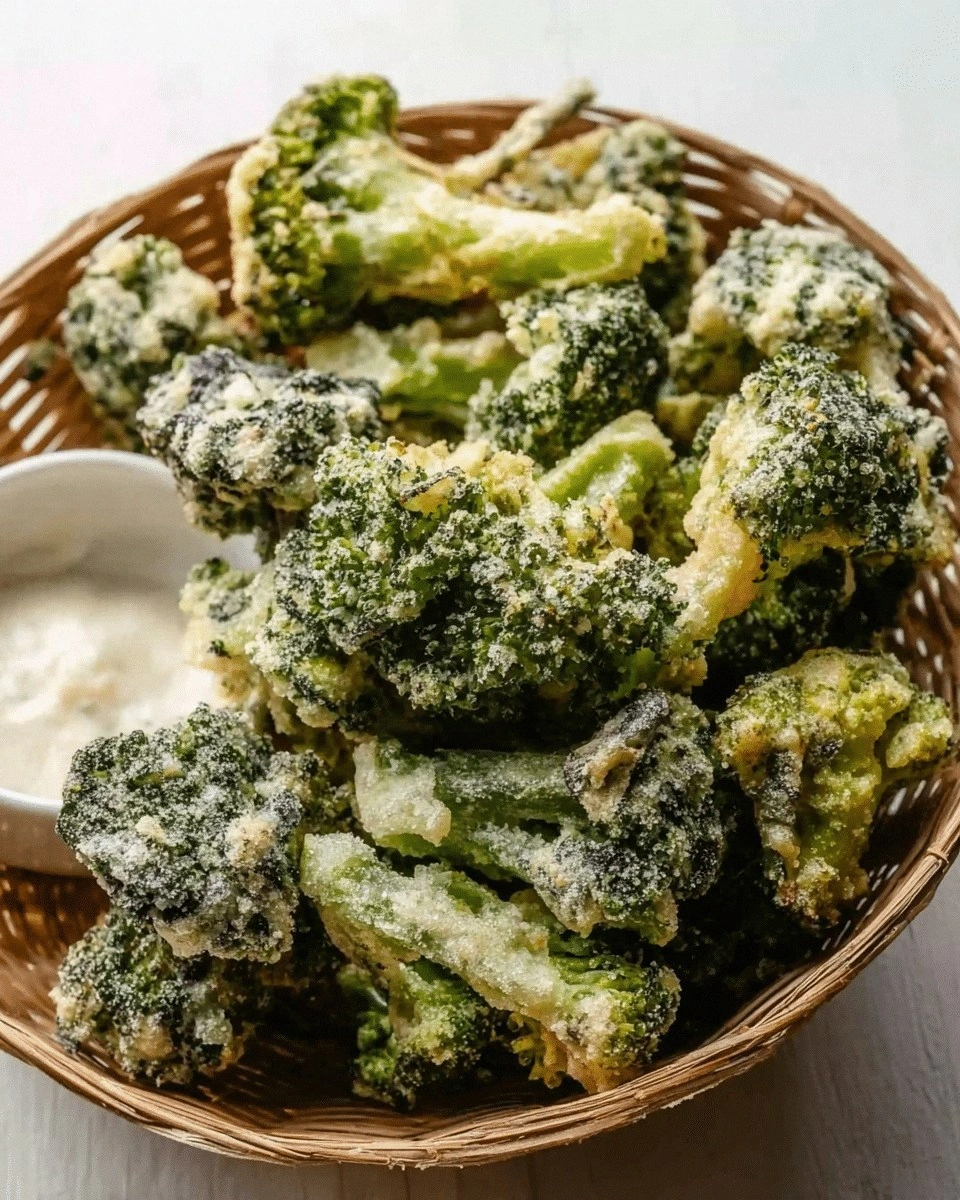
Picture yourself pulling this out of the oven, the whole kitchen smelling incredible, the air thick with the aroma of toasted sesame and sea salt. The broccoli florets, once limp and ordinary, now gleam with a glossy sheen of oil and nori flakes. The first bite delivers a satisfying snap, a crispy edge that shatters like thin ice, followed by a tender heart that melts in your mouth. The subtle heat from the sesame oil lifts the flavors, while the nori adds a gentle briny note that lingers long after the crunch fades. Every element of this dish feels like a carefully choreographed dance, each component stepping in perfect harmony. I dare you to taste this and not go back for seconds.
Most people think of broccoli as a simple side that can be steamed or roasted, but I’ve discovered a way to elevate it into a star of its own. The secret lies in the combination of two unlikely allies: nori and a precise balance of oil and seasonings. By coating the florets in a thin, even layer of sesame and olive oil, then tossing them in crushed nori, you create a protective shell that crisps beautifully when baked or pan‑fried. This technique locks in moisture, ensuring the broccoli remains tender inside while the outside turns golden and crisp. The result is a dish that feels both indulgent and wholesome, a perfect bridge between health and decadence. This is hands down the best version you'll ever make at home.
What sets this version apart from every other broccoli recipe you’ve tried is the meticulous attention to texture and flavor balance. I’ve spent countless evenings experimenting with different oils, seasoning ratios, and cooking times until I found the exact formula that delivers the crunch without sacrificing the broccoli’s natural sweetness. I’ll be honest — I ate half the batch before anyone else got to try it. The dish is so irresistible that I had to keep a secret stash in the fridge for later. The next time you’re in the kitchen, you’ll see that the magic isn’t in the ingredients alone but in how you treat each component with respect and precision.
What Makes This Version Stand Out
- Crunch: The double‑coating technique ensures that every bite delivers a satisfying snap that shatters like thin ice, followed by a melt‑in‑your‑mouth tenderness.
- Umami Boost: Crushed nori sheets infuse the broccoli with a subtle briny depth that elevates the dish beyond ordinary seasoning.
- Oil Harmony: The blend of sesame and olive oil creates a silky coating that crisps beautifully while keeping the florets moist.
- Flavor Balance: A pinch of sea salt, a dash of black pepper, and a touch of soy sauce achieve a perfect equilibrium of savory, salty, and slightly sweet.
- Time‑Efficiency: The entire process from prep to finish takes under 45 minutes, making it an ideal weeknight crowd‑pleaser.
- Make‑Ahead Friendly: You can marinate the broccoli in advance, store it in the fridge, and finish cooking right before serving without losing crunch.
Alright, let's break down exactly what goes into this masterpiece...
Inside the Ingredient List
The Flavor Base
The heart of this dish is a modest yet potent combination of sesame oil, olive oil, sea salt, and black pepper. Sesame oil provides a nutty aroma that permeates the broccoli, while olive oil offers a mild fruity undertone. The sea salt is the hero that brings everything together, creating a savory foundation that allows the nori’s briny notes to shine. If you’re looking to cut down on sodium, you can replace sea salt with a low‑sodium alternative, but be prepared to add a splash of soy sauce later to compensate.
Skipping the oil blend would result in a soggy, unremarkable side. The oils act as a barrier that traps steam inside the florets, ensuring they stay tender while the exterior crisps. A common mistake is to use too much oil, which can drown the broccoli in greasiness. Aim for a thin, even coating that feels like a whisper of liquid around each floret.
The Texture Crew
Crushed nori sheets are the star of the texture game. They form a delicate crust that crisps up beautifully when baked or pan‑fried. The nori also contributes a subtle umami flavor that complements the natural sweetness of broccoli. If you prefer a different flavor profile, you can experiment with toasted coconut flakes for a tropical twist, but the nori’s sea‑salted bite is irreplaceable.
The broccoli itself should be cut into uniform florets to ensure even cooking. A head of medium‑size broccoli yields about four servings when divided evenly. If you’re using a larger head, adjust the quantity accordingly but keep the ratio of oil and seasoning consistent.
The Unexpected Star
A clove of minced garlic adds a subtle pungency that cuts through the richness of the oils and the saltiness of the nori. Garlic’s natural sweetness enhances the overall flavor profile, making the dish feel more complex. If you’re not a fan of garlic, simply omit it; the broccoli will still shine, though the depth will be slightly diminished.
The optional soy sauce and rice vinegar introduce a tangy, slightly sweet element that balances the savory components. Soy sauce adds depth and color, while rice vinegar provides a bright acidity that lifts the dish. These ingredients are optional because the core flavor comes from the oils and nori; however, they’re a worthwhile addition if you’re looking for an extra layer of complexity.
The Final Flourish
To finish, toasted sesame seeds add a nutty crunch that pairs beautifully with the nori crust. They also provide a visual contrast, giving the dish a polished, restaurant‑style look. A sprinkle of crushed red pepper flakes can add a hint of heat, but keep it light to avoid overpowering the delicate flavors.
Everything's prepped? Good. Let's get into the real action...
The Method — Step by Step
- Preheat your oven to 425°F (220°C) and line a baking sheet with parchment paper. This high temperature is essential for achieving that coveted crispy crust without over‑cooking the interior. While the oven warms, bring a pot of salted water to a rolling boil. The broccoli will be blanched briefly to preserve its bright green color before roasting.
- Divide the broccoli into bite‑size florets, rinsing them under cold water to remove any grit. Pat them dry with a clean towel; moisture is the enemy of crispiness. Toss the florets in a large mixing bowl with sesame oil, olive oil, sea salt, and black pepper until each floret is evenly coated. The oils should cling to the florets like a fine mist.
- Crush the nori sheets into fine flakes using a rolling pin or the back of a spoon. Sprinkle the nori flakes over the coated broccoli, then toss gently to distribute evenly. The nori should clump lightly around the florets, forming a protective shell that will crisp up in the oven. Kitchen Hack: For a more uniform coating, place the broccoli and nori in a sealed zip‑top bag, shake vigorously, then transfer to the baking sheet.
- Blanch the broccoli florets for 2 minutes in the boiling water, then plunge them into an ice bath to stop the cooking process. This step locks in color and prevents over‑cooking during roasting. Drain the florets thoroughly and return them to the bowl with the oil and nori mixture. The ice bath also helps the oils adhere better to the florets.
- Spread the broccoli in a single layer on the prepared baking sheet. Avoid overcrowding; if the florets touch, they’ll steam rather than crisp. Place the sheet in the preheated oven and roast for 12–15 minutes, or until the edges are golden and crisp. Keep a close eye on the final few minutes—once the crunch appears, the broccoli is ready.
- While the broccoli is roasting, whisk together soy sauce, rice vinegar, minced garlic, and toasted sesame seeds in a small bowl. This sauce will be drizzled over the finished dish, adding a burst of flavor. Watch Out: Be careful not to over‑whisk; the garlic can release too much oil, making the sauce greasy.
- Remove the broccoli from the oven and immediately drizzle the sauce over the florets. Toss gently to coat each piece with the sauce. The residual heat will slightly caramelize the sauce, enhancing the umami notes. This is the moment of truth—if the sauce is too thin, it will run off; if too thick, it will stick.
- Transfer the roasted broccoli to a serving platter and garnish with additional toasted sesame seeds and a sprinkle of crushed red pepper flakes if desired. The final garnish adds a pop of color and a subtle heat that balances the dish. Plate it while hot to ensure the crunch remains intact.
- Serve immediately, or if you’re preparing ahead, let the broccoli cool completely before refrigerating. Reheat in a dry skillet over medium heat for 2–3 minutes to restore crispness. This quick reheating trick will bring the dish back to its original glory.
That's it — you did it. But hold on, I've got a few more tricks that'll take this to another level...
Insider Tricks for Flawless Results
The Temperature Rule Nobody Follows
Many cooks think that a lower oven temperature will prevent burning, but the truth is that a high heat is essential for crispness. By setting the oven to 425°F (220°C), you create a rapid sear that locks in moisture and produces a golden crust. If you lower the temperature, the broccoli will steam instead of crisp, losing that satisfying snap. The trick is to keep the oven preheated and avoid opening the door during the first 10 minutes.
Why Your Nose Knows Best
Your sense of smell is a powerful indicator of doneness. When the broccoli is roasting, you’ll notice a toasty, nutty aroma that signals the oils are caramelizing. If the smell is faint, give it another minute; if it’s overly smoky, remove it immediately. Trust your nose, and you’ll avoid the dreaded over‑cooked, rubbery texture that many broccoli lovers dread.
The 5‑Minute Rest That Changes Everything
After removing the broccoli from the oven, let it rest for five minutes before serving. This brief pause allows the steam to redistribute, ensuring each floret remains tender inside while the exterior stays crisp. I once rushed the dish and ended up with a soggy center; that five‑minute rest saved the day. The rest also gives the sauce time to settle, making the flavors more harmonious.
The Garlic Trick
If you’re a garlic lover, try adding the minced garlic to the oil mixture before coating the broccoli. The heat will gently infuse the oil with garlic flavor without the risk of burning. I’ve found that this subtle change adds depth, making the dish feel more complex. Just remember to stir constantly to prevent the garlic from sticking to the pan.
The Final Garnish
A sprinkle of toasted sesame seeds and a dash of crushed red pepper flakes not only elevate the visual appeal but also enhance the flavor profile. The sesame seeds add a nutty crunch that complements the nori, while the pepper flakes introduce a gentle heat that balances the savory notes. If you prefer a milder dish, omit the pepper flakes entirely; the broccoli will still be a crowd‑pleaser.
Creative Twists and Variations
This recipe is a playground. Here are some of my favorite ways to switch things up:
Spicy Korean Twist
Replace the soy sauce with gochujang and add a splash of sesame oil. The result is a sweet, spicy, umami‑rich broccoli that pairs perfectly with rice. This variation works well as a side for Korean barbecue or as a topping for ramen.
Mediterranean Flair
Swap the sesame oil for extra‑virgin olive oil and sprinkle the finished dish with chopped fresh herbs like oregano and thyme. A squeeze of lemon juice adds brightness, making it a refreshing accompaniment to grilled fish.
Vegan Protein Boost
Add a handful of roasted chickpeas before roasting for a protein punch. The chickpeas add crunch and a nutty flavor that complements the broccoli. This version is perfect for a plant‑based meal.
Coconut Crunch
Toss the broccoli in a mixture of coconut oil and shredded coconut before roasting. The coconut adds a subtle sweetness and a tropical aroma that transforms the dish into a beach‑inspired snack.
Sweet & Smoky
Drizzle a thin layer of maple syrup over the broccoli before roasting, then sprinkle smoked paprika for a sweet, smoky finish. This variation is ideal for a Thanksgiving side or a holiday gathering.
Asian Fusion
Add a splash of rice wine vinegar and a few drops of sesame seeds to the sauce, then garnish with sliced green onions. The combination of sweet, salty, and umami flavors makes this dish a standout in any Asian‑inspired menu.
Storing and Bringing It Back to Life
Fridge Storage
Store the roasted broccoli in an airtight container in the refrigerator for up to 3 days. To keep the crunch, avoid covering the broccoli with a damp paper towel. When you’re ready to eat, reheat in a dry skillet over medium heat for 2–3 minutes. The brief reheating restores the crispness without drying out the florets.
Freezer Friendly
For longer storage, freeze the broccoli in a single layer on a parchment‑lined tray before transferring to a freezer bag. This prevents clumping and makes portioning easier. Freeze for up to 2 months, then reheat as described above. The texture remains close to fresh, making it a convenient option for busy weeks.
Best Reheating Method
The best way to bring this dish back to life is to use a dry skillet or a toaster oven. Avoid microwaving, as it will steam the broccoli and ruin the crunch. A quick 2‑minute blast in a preheated skillet is enough to revive the crispness and bring the flavors back to their peak.