Picture this: I’m standing in a kitchen that smells like a disaster—flour on the counter, a half‑cooked chicken that’s already lost its golden sheen, and a stack of tortillas that look like they’ve been through a war. I’ve been told that a good quesadilla is a quick fix for any hunger, but the last time I tried to make one, I ended up with a soggy, spinach‑laden mess that looked more like a sad, wilted salad than a crispy delight. That night, I decided enough was enough. I was determined to turn that kitchen calamity into a culinary triumph, and what better way to do it than by reinventing a classic with a splash of Mediterranean flair?
I started with the first sensory cue: the sizzling sound that hits the skillet like a drumroll. The heat kissed the olive oil, and the first swirl of spinach released a faint, earthy perfume that made me almost forget the burnt toast that had ruined my last attempt. The sight of the tortillas, golden‑brown edges dancing in the pan, promised a crunch that would snap like a well‑timed joke. And the aroma of feta, sun‑dried tomatoes, and olives mingled into a heady bouquet that made my mouth water. By the time the cheese began to melt, the entire kitchen felt like a cozy, smoky kitchen in a Mediterranean villa.
The secret? It’s not just the ingredients—it’s how they interact. I’m talking about that perfect marriage of salty feta that melts into a silky, tangy sauce, the bright burst of sun‑dried tomatoes that give a chewy, chewy texture, and the subtle crunch from the black olives that adds a briny counterpoint. The spinach isn’t just a filler; it’s a green, nutrient‑dense partner that swirls around the cheese, creating a velvety base that coats every bite. This version stands out because it balances every element—taste, texture, and visual appeal—into a single, harmonious bite that feels both indulgent and light.
And here’s the kicker: the technique that will make your quesadillas the talk of the town. I’ll show you how to get that crisp edge that shatters like thin ice without burning the filling, and I’ll reveal a trick to keep the spinach from releasing all its water, so you never have a soggy mess. I dare you to taste this and not go back for seconds. If you’re ready to replace your usual go‑to snack with something that feels like a gourmet experience, keep reading. Let me walk you through every single step—by the end, you’ll wonder how you ever made it any other way.
What Makes This Version Stand Out
- Taste: The bold, briny notes of feta and olives are balanced by the sweet, chewy sun‑dried tomatoes, creating a flavor profile that’s both familiar and adventurous.
- Texture: Crispy tortilla edges juxtapose the creamy cheese and tender spinach, delivering a satisfying contrast in every bite.
- Freshness: Using fresh spinach instead of frozen keeps the vibrant color and adds a subtle earthiness that frozen can’t match.
- Protein Boost: Grilled chicken adds lean protein, making this a meal that satisfies without feeling heavy.
- Speed: The entire process takes under 20 minutes, so you can have a gourmet snack ready while you’re still scrolling through your phone.
- Visual Appeal: The golden‑brown tortilla, the bright green spinach, the pale feta, and the deep‑colored olives create a dish that looks as good as it tastes.
- Make‑Ahead Friendly: The quesadillas can be assembled ahead of time and reheated, which is perfect for busy weekdays or last‑minute parties.
Alright, let's break down exactly what goes into this masterpiece…
Inside the Ingredient List
The Flavor Base
Feta cheese is the star of this dish, and it’s not just for flavor—it’s for texture. When you crumble it over the spinach, the saltiness cuts through the earthiness of the greens, while the creaminess turns into a silky sauce that coats every bite. If you’re a fan of a milder cheese, try using a small amount of goat cheese; it will give you a tangier profile but keep the same silky texture. The key is to crumble it finely so that it melts evenly; otherwise, you’ll end up with lumps that ruin the smoothness.
The Texture Crew
The tortillas are the foundation, and their thickness matters. A medium‑size corn tortilla provides the best balance between chewiness and crispness. If you prefer a crunchier edge, let the tortilla sit at room temperature for a few minutes before cooking; this allows the surface to dry out slightly, creating a crispier bite. The spinach, meanwhile, should be fresh and lightly wilted before it’s added—this reduces excess moisture that can make the quesadilla soggy.
The Unexpected Star
Sun‑dried tomatoes are a flavor bomb that adds a chewy, sweet burst to each bite. They’re packed with umami, which enhances the feta’s saltiness and the olives’ briny punch. If you can’t find sun‑dried tomatoes, a handful of roasted red peppers works as a decent substitute, though they’ll lack that chewy texture. The black olives add a subtle, salty crunch that contrasts nicely with the creamy feta; sliced thinly ensures they’re evenly distributed throughout the filling.
The Final Flourish
Grilled chicken is optional, but it adds a hearty protein that makes the dish more filling. Slice the chicken thinly so it melds into the other ingredients without overpowering them. If you’re vegetarian, swap the chicken for roasted chickpeas or a handful of sliced mushrooms for a meaty texture. Remember, the goal is a harmonious blend where no single component dominates the others.
Everything's prepped? Good. Let's get into the real action…
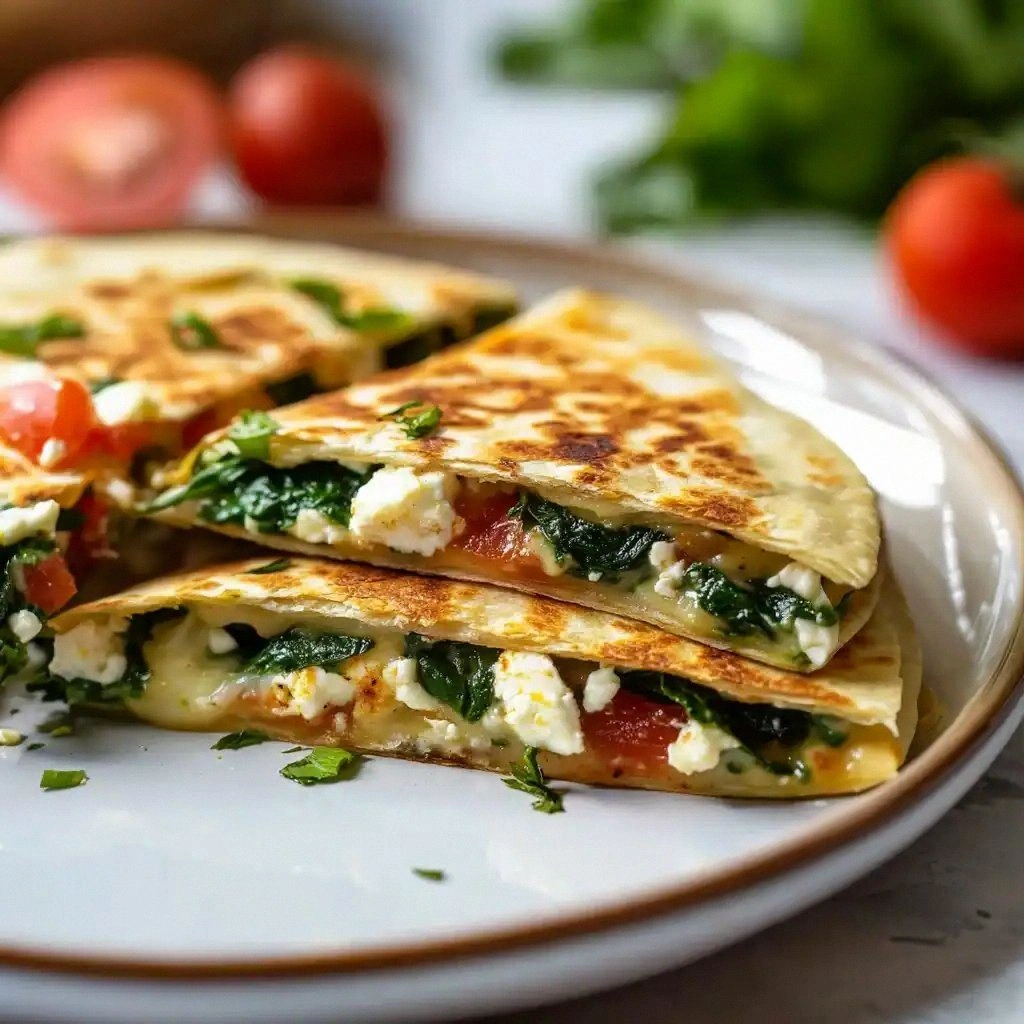
The Method — Step by Step
- Heat a non‑stick skillet over medium heat. Add one tablespoon of olive oil and let it swirl around the pan. When the oil starts to shimmer, add the spinach in a single layer. Let it wilt for 30 seconds, then stir. The spinach should release a faint steam and darken slightly—this means it’s ready for the next step.
- Sprinkle the crumbled feta evenly over the wilted spinach. The cheese should start to melt, forming a silky, creamy layer. Fold the spinach and feta together gently, ensuring the cheese is evenly distributed. This mixture is now the “green sauce” that will keep your quesadilla moist and flavorful.
- Add the sun‑dried tomatoes and black olives to the spinach‑feta mixture. Stir gently, making sure the olives are sliced thinly so they don’t overpower the filling. The tomatoes should soften slightly, releasing their sweet juices and adding a chewy texture.
- Lay a tortilla flat on a clean surface. Spoon a generous amount of the filling onto the center of the tortilla, leaving a 1‑inch border on all sides. Spread the filling evenly, so every bite has a balanced mix of spinach, feta, olives, and tomatoes.
- Fold the tortilla in half, pressing gently to seal the edges. If you’re using the chicken, now’s the time to add a few slices on top of the filling before folding. This ensures the chicken is fully coated and won’t fall out during cooking.
- Return the skillet to medium‑high heat. Place the folded quesadilla in the pan and let it cook for 2–3 minutes, or until the bottom is golden brown and the edges start to puff. Flip carefully with a spatula, and cook the other side for an additional 2–3 minutes. The cheese should be fully melted, and the tortilla crisp.
- Remove the quesadilla from the skillet and let it rest on a cutting board for 30 seconds. This brief pause allows the filling to set slightly, preventing it from sliding out when you cut. Slice the quesadilla into wedges using a sharp knife.
- Serve immediately with a side of Greek yogurt or a drizzle of olive oil. The yogurt adds a cool, tangy contrast, while the olive oil gives an extra layer of richness. Enjoy while the tortilla is still warm and the cheese is still gooey.
That's it— you did it. But hold on, I've got a few more tricks that'll take this to another level. Let’s dive into the insider tips that will elevate every bite.
Insider Tricks for Flawless Results
The Temperature Rule Nobody Follows
Many cooks think a high heat is the only way to get a crisp tortilla. In reality, a moderate heat allows the cheese to melt without scorching the outside. Keep the skillet at medium‑high and use a thermometer to maintain around 350°F. This ensures a golden crust while keeping the inside creamy.
Why Your Nose Knows Best
Smell is your secret judge. When the tortilla starts to crisp, you’ll notice a nutty, toasted aroma that signals it’s ready. If the smell is more of a burnt oil, pull it down to medium. Trust your nose—no one likes a charred quesadilla.
The 5‑Minute Rest That Changes Everything
Letting the quesadilla rest for 30 seconds isn’t just a suggestion; it’s a game‑changer. This short pause allows the cheese to set slightly, preventing it from oozing out when you cut. It also lets the spinach release any remaining moisture, keeping the tortilla crisp.
The Olive Oil vs. Butter Debate
Olive oil gives a subtle fruity note that pairs beautifully with feta. Butter, on the other hand, adds a rich, buttery flavor and a slightly darker crust. If you’re aiming for a Mediterranean vibe, stick with olive oil; if you’re in the mood for a decadent twist, try butter for that extra depth.
The “Keep It Warm” Trick
If you’re making a batch, keep the finished quesadillas in a low oven (250°F) for 5 minutes. This keeps them warm without drying out the tortilla, so you can serve them right away without any loss of texture.
The Quick Cleanup Hack
After cooking, pour the leftover oil into a small container and let it cool. Once solid, you can reuse it for sautéing vegetables or as a quick drizzle on salads. It’s a small step that saves both time and money.
Creative Twists and Variations
This recipe is a playground. Here are some of my favorite ways to switch things up:
Mediterranean Veggie Explosion
Swap the chicken for roasted bell peppers, zucchini, and eggplant. Add a sprinkle of za’atar for an extra herbaceous kick. This version is perfect for a vegetarian crowd craving bold flavors.
Spicy Chipotle Kick
Mince a chipotle pepper in adobo sauce and fold it into the spinach‑feta mixture. The smoky heat pairs wonderfully with the creamy cheese, giving a subtle punch that’s not overwhelming.
Pesto Power
Replace the olive oil with a spoonful of basil pesto before adding the spinach. The pesto’s fresh, herbal flavor enhances the feta, creating a vibrant, green sauce that’s almost a dip in itself.
Breakfast Edition
Add a fried egg on top of the filling before folding the tortilla. The runny yolk acts as a sauce, and the eggs add a protein boost that makes this a hearty breakfast option.
Mexican Twist
Add a dash of cumin and a handful of chopped cilantro. Replace the feta with queso fresco for a milder cheese that still offers that creamy texture. This version bridges the gap between Mediterranean and Mexican cuisines.
Sweet & Savory Surprise
Fold in a few slices of roasted apple and a drizzle of honey before cooking. The sweet apple balances the salty feta and olives, creating a surprisingly harmonious flavor profile.
Storing and Bringing It Back to Life
Fridge Storage
Cool the quesadillas to room temperature, then wrap each piece tightly in parchment paper and place them in an airtight container. They’ll stay fresh for up to 3 days. When you’re ready to eat, let them sit at room temperature for 10 minutes to soften the tortilla slightly.
Freezer Friendly
For longer storage, wrap each quesadilla in foil and place them in a freezer bag. Freeze for up to 2 months. To reheat, thaw overnight or use a microwave on low power for 2 minutes, then finish in a skillet for a crisp finish.
Best Reheating Method
The secret to a reheated quesadilla that feels like fresh is to add a tiny splash of water to the pan before cooking. The steam keeps the tortilla from drying out and restores its original softness. Heat on medium for 2–3 minutes on each side until the cheese is melted and the tortilla is golden.