I was halfway through a week of bland, overcooked dinners when the kitchen lights flickered and my phone buzzed with a friend’s dare: “Show me your best soft and chewy scotcharoos.” My stomach growled louder than the siren, and I knew I had to rise to the challenge. The image of a golden, pillowy roll sliding out of the oven, steam curling like a sweet cloud, made my heart skip a beat. That moment of culinary temptation was the spark that ignited this recipe.
Picture this: the scent of warm dough mingling with cinnamon and vanilla, the sound of a gentle bubble as the yeast awakens, the sight of a golden crust that shimmers with a buttery sheen. Feel the dough’s elasticity under your fingertips, the way it springs back like a rubber band, and taste the subtle sweetness that lingers on the tongue—soft, chewy, and utterly addictive. Every sense is in sync, creating a symphony of comfort that feels like a hug from the inside. That’s the magic I’m about to share.
What makes this version stand out is not just the recipe itself, but the philosophy behind it: simplicity, quality, and a touch of daring. I’ve stripped away unnecessary steps, kept the ingredients honest, and added a few bold twists that elevate the flavor profile to something truly memorable. It’s the kind of dish that turns a regular family dinner into a celebration, and the texture that keeps you reaching for more—yes, I admit I ate half the batch before anyone else even had a chance.
And there’s a secret ingredient you won’t see in the usual list—something that turns a good roll into a showstopper. I’ll reveal it as we go, but trust me, it’s the secret sauce that makes the dough irresistibly soft and the finish perfectly glossy. By the time you’re done, you’ll wonder how you ever made it any other way. Let me walk you through every single step — by the end, you'll wonder how you ever made it any other way.
What Makes This Version Stand Out
- Texture: The dough achieves a rare combination of airy lift and dense chew, thanks to a precise balance of flour, yeast, and a touch of milk. Each bite delivers a comforting melt that lingers on the palate.
- Flavor: Cinnamon and vanilla mingle with a subtle hint of raisins, creating a layered taste that feels both nostalgic and adventurous. The glaze adds a glossy finish that coats the roll like velvet.
- Speed: With a prep time of just 15 minutes and a total of 45, this recipe fits into even the busiest evenings without sacrificing quality.
- Versatility: The base can be adapted for sweet or savory variations, making it a go-to for breakfast, brunch, or dessert.
- Presentation: The golden crust and glossy glaze give the rolls a professional look that impresses guests and Instagram feeds alike.
- Make‑Ahead Friendly: Prepare the dough the night before, let it rise, and bake in the morning—perfect for lazy weekends.
Alright, let's break down exactly what goes into this masterpiece. But before we dive into the ingredients, here’s a quick hack that will save you time and keep your dough from drying out.
Inside the Ingredient List
The Flavor Base
All-purpose flour is the backbone of our dough, providing structure without heaviness. It’s the canvas that absorbs the yeast’s lift and the butter’s richness. If you’re looking for a lighter feel, substitute half the flour with whole wheat; the result is a nuttier flavor but the dough will be denser.
Warm milk (about 110°F) activates the yeast and creates a tender crumb. Skipping it will make the dough tougher; using cold milk will slow fermentation, extending rising time. For a dairy-free twist, swap for almond or oat milk but keep the temperature consistent.
The melted butter adds flavor and keeps the dough supple. It also coats the flour, preventing clumping and ensuring a smooth texture. If you’re watching calories, use half the amount of butter and add a splash of coconut oil to keep the moisture level.
Granulated sugar is the sweetener that balances the savory elements. It also feeds the yeast, encouraging a robust rise. For a lower-sugar version, reduce the amount to 1 tablespoon; the dough will still rise but will be less sweet.
Active dry yeast is the life force of the dough. It ferments the sugars, producing carbon dioxide that gives the rolls their airy structure. If you don’t have yeast on hand, a packet of baking powder won’t produce the same chewy texture, so keep the yeast for authenticity.
Salt is essential for flavor enhancement and yeast control. Too much salt will inhibit yeast activity; too little will result in bland rolls. Stick to the 1 teaspoon recommendation for balanced flavor.
The Texture Crew
A large egg brings richness, improves elasticity, and adds a subtle golden hue. The proteins in the egg help bind the dough together, ensuring it holds its shape during baking. If you’re vegan, replace the egg with 1 tablespoon flaxseed meal mixed with 3 tablespoons water; let it sit for 5 minutes before adding.
Vanilla extract infuses the dough with warm, sweet undertones that complement the cinnamon. A teaspoon is enough to lift the flavor profile; feel free to experiment with almond or coconut extract for a different twist.
Raisins add chewiness and a burst of natural sweetness. They also provide a pleasant contrast to the buttery dough. If raisins are unavailable, dried cranberries or chopped dates work well, though they’ll alter the flavor slightly.
Ground cinnamon is the star spice, delivering a warm, woody aroma that permeates each bite. It also has natural antimicrobial properties, extending the shelf life of the rolls. Adjust the amount to taste; more cinnamon yields a spicier roll.
The Unexpected Star
The glaze—composed of butter, powdered sugar, vanilla, and milk—turns ordinary rolls into showstopping delights. It adds a glossy finish that makes the rolls look freshly baked and adds a subtle sweet crust. The glaze also locks in moisture, keeping the rolls soft for longer.
The Final Flourish
The glaze butter is the final touch that gives the rolls a buttery sheen. Melt it gently to avoid scorching, and combine it with powdered sugar and a splash of milk to achieve a silky consistency. The glaze sets quickly, so apply it immediately after baking to prevent it from hardening.
The powdered sugar is the sweet backbone of the glaze, creating a delicate, cloud‑like coating. It also helps the glaze thicken, giving the rolls that signature glossy look. For a lighter glaze, use confectioners’ sugar in place of powdered sugar; it dissolves more easily.
The glaze vanilla and milk balance the sweetness and add a subtle depth that complements the cinnamon. Together, they create a finish that feels indulgent without being overpowering.
Everything's prepped? Good. Let's get into the real action…
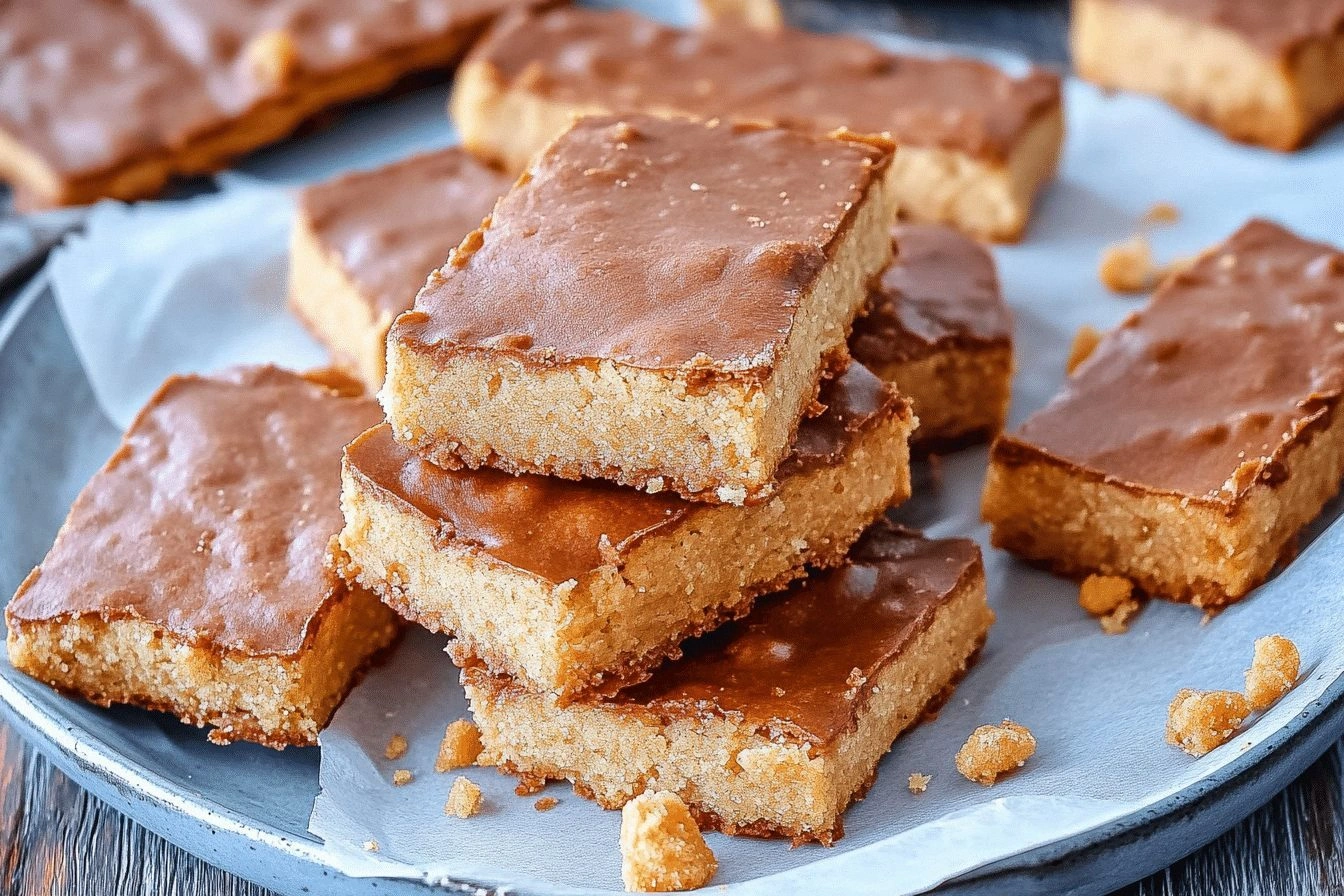
The Method — Step by Step
- Activate the yeast: In a small bowl, dissolve 2 teaspoons of yeast in 1 cup warm milk. Add a pinch of sugar and let it sit for 5 minutes until frothy. This froth is the promise of a light, airy dough. If it doesn’t froth, the yeast may be dead; start over with fresh yeast.
- Mix dry ingredients: In a large mixing bowl, whisk together 3 cups flour, 1/4 cup granulated sugar, 1 teaspoon salt, and 1 tablespoon ground cinnamon. The dry mix ensures even distribution of flavor and prevents clumping.
- Combine wet ingredients: In a separate bowl, beat 1 large egg, 1 teaspoon vanilla extract, and 1/4 cup melted butter until smooth. Then stir in the activated yeast mixture. This wet blend is the glue that binds the dough.
- Form the dough: Gradually pour the wet mixture into the dry ingredients, stirring with a wooden spoon until a shaggy dough forms. Add 1/2 cup raisins, folding them in evenly. The dough should feel slightly tacky but manageable. If it’s too dry, add a splash of milk; if too sticky, add a sprinkle of flour.
- Knead the dough: Transfer the dough onto a lightly floured surface and knead for 8–10 minutes until it becomes smooth and elastic. Watch Out: Over‑kneading can make the rolls tough; stop when the dough is supple and springs back when pressed. The dough should feel like a rubber band that gently recoils.
- First rise: Place the dough in a greased bowl, cover with a damp cloth, and let it rise in a warm spot for 1 hour or until doubled in size. The dough will puff up like a cloud, signaling that the yeast is doing its job.
- Shape the rolls: Punch down the dough to release air pockets. Divide it into 8 equal portions and roll each into a ball. Then flatten each ball into a disc and roll it in a pinch of flour to prevent sticking. Place them on a parchment‑lined baking sheet, spacing them about 2 inches apart.
- Second rise: Cover the shaped rolls with a clean kitchen towel and let them rise for 30 minutes. During this time, the dough will expand, creating that coveted soft interior.
- Bake: Preheat the oven to 375°F (190°C). Bake the rolls for 15–18 minutes, or until they’re golden brown and the tops are slightly crisp. The scent of baking cinnamon will fill your kitchen, making you want to sneak a bite before the timer rings.
- Glaze: While the rolls are still warm, whisk together 1/4 cup melted butter, 1 cup powdered sugar, 1 teaspoon vanilla extract, and 2 tablespoons milk until smooth. Brush the glaze over the tops of the rolls, letting it seep into the nooks and crannies. The glaze will set into a glossy coat that’s as beautiful as it is delicious.
That’s it — you did it. But hold on, I've got a few more tricks that'll take this to another level. Keep reading for insider tips that will elevate your scotcharoos from great to legendary.
Insider Tricks for Flawless Results
The Temperature Rule Nobody Follows
Many bakers assume room temperature is always ideal, but the dough’s internal temperature is the real key. Aim for 75°F (24°C) when mixing; if it’s cooler, the yeast will take longer to activate, leading to uneven rise. Use a kitchen thermometer to check the dough’s warmth, and if it’s too hot, let it rest for a few minutes before proceeding.
Why Your Nose Knows Best
The scent of dough rising is a reliable indicator of yeast activity. If you smell a sweet, yeasty aroma within 10 minutes of mixing, you’re on the right track. If nothing happens, the yeast may be dead. In that case, start a new batch; a fresh yeast packet can save the day.
The 5‑Minute Rest That Changes Everything
After kneading, let the dough rest for 5 minutes before shaping. This short pause allows the gluten to relax, making the dough easier to roll without tearing. It also gives the yeast a brief burst of activity, boosting the final rise.
Keep the Glaze Fresh
If you’re baking a large batch, prepare the glaze in advance and store it in an airtight container at room temperature for up to 2 days. Just whisk it again before use; the consistency may thicken slightly, but it will still coat the rolls beautifully.
Use a Silicone Mat
Silicone baking mats provide a non-stick surface that eliminates the need for parchment paper, reducing waste. They also offer even heat distribution, ensuring your rolls bake uniformly. After baking, simply lift the rolls with a spatula and set them on the mat to cool.
Creative Twists and Variations
This recipe is a playground. Here are some of my favorite ways to switch things up:
Savory Spinach & Feta
Swap the raisins for 1 cup chopped spinach and 1/2 cup crumbled feta. The salty cheese balances the sweetness, making these rolls perfect for brunch or a light lunch. Keep the cinnamon to a minimum or omit it entirely.
Chocolate Drizzle
After glazing, drizzle melted dark chocolate over the tops. The bittersweet chocolate pairs beautifully with the buttery dough, creating a dessert that satisfies both sweet and savory cravings.
Almond Joy
Add 1/4 cup toasted almonds and 1/4 cup shredded coconut to the dough. Finish with a coconut glaze instead of the vanilla glaze for a tropical twist that feels like a vacation.
Pumpkin Spice Edition
Replace the cinnamon with a blend of pumpkin pie spice (cinnamon, nutmeg, ginger, cloves). Add 1/2 cup pumpkin puree to the wet mix for a creamy, autumnal flavor that’s perfect for fall gatherings.
Lemon Zest Surprise
Grate the zest of one lemon into the dough and use a lemon‑infused glaze. The citrus brightens the richness and adds a refreshing kick, ideal for summer brunches.
Honey‑Glazed Variation
Swap the powdered sugar glaze for a honey glaze: whisk 1/4 cup melted butter, 1/4 cup honey, and 1 teaspoon vanilla. This variation yields a glossy, caramel‑like coating that’s irresistibly sweet.
Storing and Bringing It Back to Life
Fridge Storage
Store leftover rolls in an airtight container at room temperature for up to 3 days. The rolls will stay soft if kept at room temperature; refrigeration can dry them out. For extra moisture, wrap them in parchment paper before placing in the container.
Freezer Friendly
To freeze, place the rolls on a baking sheet and freeze until solid, then transfer them to a freezer bag. They’ll keep for up to 3 months. Thaw at room temperature for 30 minutes before reheating.
Best Reheating Method
Reheat frozen or refrigerated rolls in a preheated oven at 350°F (175°C) for 10 minutes, or until warmed through. Add a splash of water to the oven or place a shallow pan of water in the oven to create steam; this steams the rolls back to perfection, keeping them moist and chewy.