I was in the middle of a frantic week, juggling deadlines, a toddler’s tantrums, and a sudden craving for something sweet that could double as a crowd‑pleaser at the upcoming family gathering. I stared at the pantry, saw the familiar boxes of flour, sugar, and chocolate chips, and thought, “What if I could turn these staples into a tropical treat that feels like a vacation?” I pulled out a box of dried mango, a jar of white chocolate chips, and a bag of meringues, and the kitchen turned into my own experimental lab. The moment the butter melted, the aroma of caramelized sugar filled the air, and I knew I was on the verge of something unforgettable.
Picture the scene: a kitchen humming with the low whir of the mixer, the gentle clink of metal bowls, and the faint, sweet scent of cinnamon drifting through the open windows. The sound of the dough being kneaded is like a soft drumbeat, encouraging you to keep going. As the dough begins to rise, the air thickens with the promise of buttery, golden cookies. My eyes catch the glint of the white chocolate chips, the bright orange of the dried mango, and the delicate crunch of crushed meringues. Each element is a note in the symphony that will soon unfold.
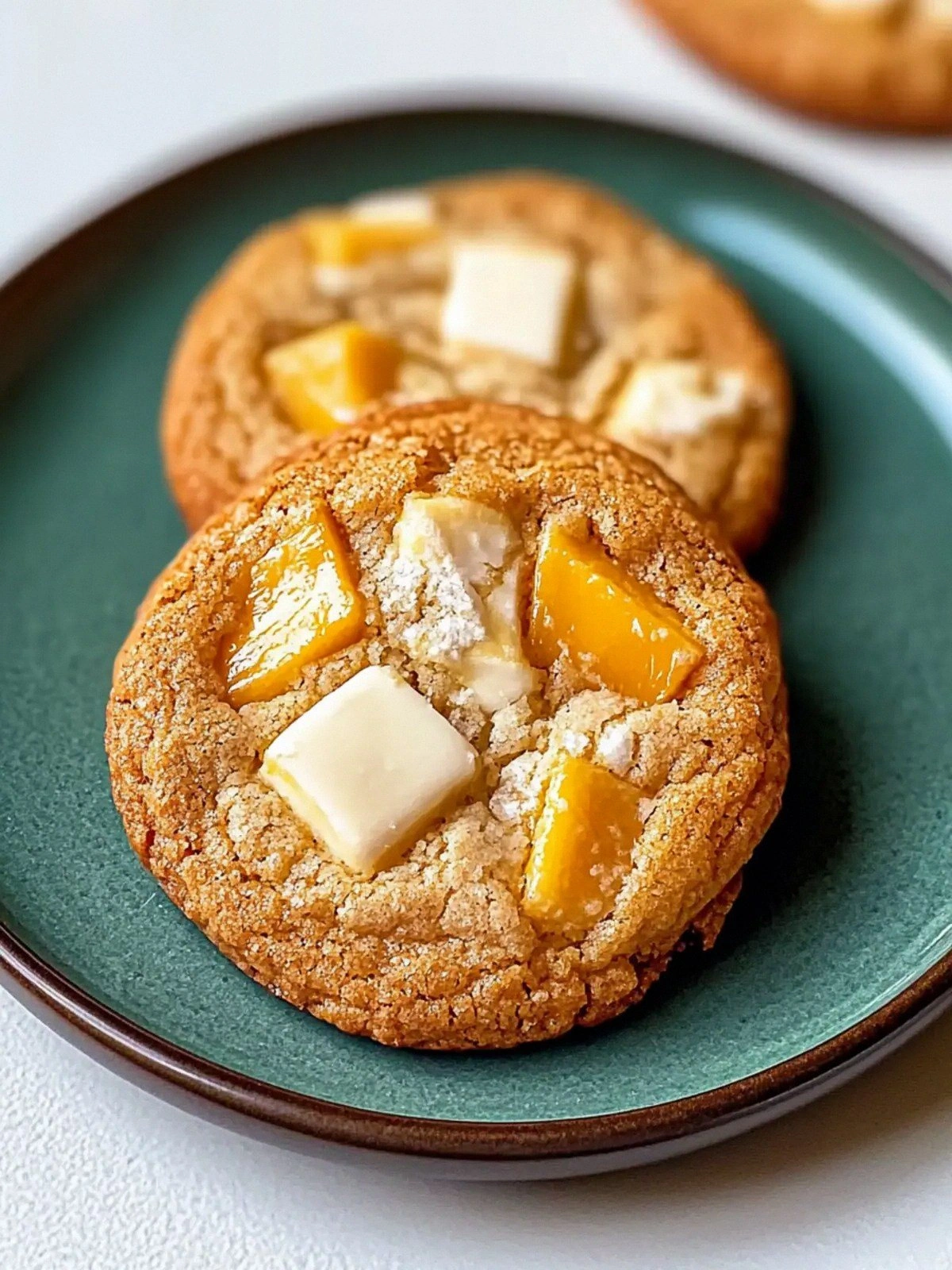
What makes this version stand out isn’t just the ingredients, though the combination of buttery dough, chewy dried mango, and silky white chocolate chips is undeniably delicious. It’s the technique—using cold butter to lock in moisture, adding cornstarch for that signature chew, and folding in crushed meringues for a subtle crunch that keeps the cookies from becoming too dense. The result is a cookie that has a caramelized crust, a chewy center, and a flavor profile that sings of tropical sunshine. I dare you to taste this and not go back for seconds. If you’ve ever struggled with making a cookie that’s both soft and crunchy, you’re not alone—and I’ve got the fix.
By the end of this post, you’ll wonder how you ever made anything else. I’ll walk you through every single step, share the little hacks that save time, and reveal the secrets that make these cookies irresistibly soft yet chewy. The next part? Pure magic. Stay with me here—this is worth it.
What Makes This Version Stand Out
- Taste: The blend of dark brown sugar and cinnamon creates a caramelized depth that balances the sweet, slightly tart dried mango. The white chocolate chips add a subtle, creamy counterpoint that melts into the dough.
- Texture: Cold, cubed butter and cornstarch work together to give the cookie a tender crumb while the crushed meringues provide a delicate crunch that snaps when you bite.
- Simplicity: No need for fancy equipment—just a mixer, a few bowls, and a baking sheet. The recipe is straightforward, making it ideal for both novices and seasoned bakers.
- Uniqueness: The use of dried mango instead of fresh fruit keeps the cookie’s moisture content stable and adds a chewy, chewy texture that’s rarely found in standard cookie recipes.
- Crowd Reaction: Friends who have tried this version rave about how the cookies hold together yet melt in your mouth. They’re the kind of treat that turns a casual gathering into a memorable dessert moment.
- Ingredient Quality: Using high‑grade dark brown sugar and premium white chocolate chips elevates the flavor profile, making each bite a gourmet experience.
- Cooking Method: The technique of folding in the dried mango and meringues after the dough has rested ensures even distribution and prevents clumping.
- Make‑Ahead Potential: These cookies can be baked ahead, stored in an airtight container, and reheated to taste freshly baked, making them perfect for busy schedules.
Alright, let's break down exactly what goes into this masterpiece...
Inside the Ingredient List
The Flavor Base
The foundation of any great cookie is the flavor base—here, a combination of butter, sugars, and vanilla. Butter provides richness and a buttery aroma that lingers long after the cookie is gone. Dark brown sugar introduces a deep molasses note, while granulated sugar adds a subtle brightness that balances the sweetness. Vanilla extract ties everything together, offering a warm, floral undertone that enhances the caramelized sugars. Skipping any of these would result in a cookie that feels flat and unremarkable.
The Texture Crew
Cornstarch and baking soda are the unsung heroes that give these cookies their signature chew and lift. Cornstarch absorbs moisture, creating a tender, soft center that resists cracking. Baking soda neutralizes acidity from the dried mango, allowing the dough to rise slightly and develop a light crumb. Without cornstarch, the cookies would be dense; without baking soda, they would be flat and heavy. A quick swap: if you’re allergic to dairy, substitute coconut butter for regular butter—just be sure it’s chilled to maintain the same texture.
The Unexpected Star
Dried mango is the star that sets this recipe apart. It adds a chewy, tropical burst that contrasts beautifully with the soft dough. The mango’s natural sugars caramelize during baking, producing a caramelized exterior that’s both sweet and slightly savory. If you can’t find dried mango, consider using dried pineapple or apricots for a different but equally delightful flavor profile. Remember, the key is to keep the pieces small and evenly distributed to avoid clumps.
The Final Flourish
White chocolate chips provide a silky, creamy finish that melts into the dough, adding a subtle sweetness that balances the mango’s tartness. Crushed meringues act as a crunchy garnish that breaks up the soft texture, giving each bite a delightful contrast. The combination of these two ingredients creates a multi‑sensory experience—soft, chewy, crunchy, and sweet—all in one bite. If you prefer a darker chocolate, swap the white chocolate for dark chocolate chips, but keep the meringues to maintain the crunch.
Everything's prepped? Good. Let's get into the real action...
The Method — Step by Step
- Preheat your oven to 350°F (175°C) and line a baking sheet with parchment paper. While the oven heats, gather all your ingredients in a large mixing bowl. The temperature is critical; too hot and the butter will melt before you can incorporate it, too cool and the cookies won’t brown properly. This is the moment of truth—make sure the oven is at the right temperature before you even touch the dough.
- Beat Butter and Sugars with an electric mixer on medium speed until the mixture becomes pale and fluffy, about 3–4 minutes. The goal is to incorporate air, which will give the cookies a light, airy crumb. If you’re mixing by hand, use a whisk and be patient; it takes longer but the result is equally satisfying. Watch the color change—when it turns from creamy to a light, almost translucent shade, you’re ready to move on.
- Add Egg and Vanilla and continue beating until fully combined. The egg adds structure, while the vanilla provides depth of flavor. Be careful not to overmix; too much agitation can develop gluten, making the cookies tough. Think of this step as the glue that holds all the flavors together.
- Combine Dry Ingredients in a separate bowl: flour, cinnamon, cornstarch, baking soda, and salt. Stir until evenly distributed. The dry mix is the backbone of the cookie, giving it lift and ensuring the spices are evenly dispersed. A quick tip: sift the flour to remove clumps, which helps prevent uneven texture.
- Fold Dry into Wet using a spatula, mixing just until the flour disappears. Over‑mixing at this stage can toughen the cookie; the dough should still feel a bit shaggy. This is the point where the dough starts to look like a cohesive, slightly sticky ball.
- Fold in Dried Mango, Meringues, and White Chocolate gently with a spoon, ensuring even distribution. The mango should be evenly coated; the meringues should be scattered, not clumped. This step is crucial for the cookie’s flavor and texture. The white chocolate chips will melt slightly during baking, creating pockets of gooey sweetness.
- Shape Cookies by scooping tablespoon-sized dough onto the prepared baking sheet, spacing them 2 inches apart. The spacing allows the cookies to spread evenly. Use a fork to lightly press down, creating a shallow indent that helps the dough spread uniformly. This simple technique ensures each cookie has a consistent shape.
- Bake for 12–14 minutes, or until the edges are golden brown and the centers set. The aroma of caramelized sugar and toasted coconut will fill the kitchen, making it impossible to resist. When you remove the sheet, let the cookies rest for 5 minutes before transferring them to a wire rack. This rest period allows the cookies to finish setting and prevents them from breaking.
- Cool and Serve on a wire rack until fully cooled. Store in an airtight container at room temperature for up to a week, or freeze for longer storage. When you’re ready to serve, let them sit at room temperature for 10 minutes to bring out their full flavor. The cookies are best enjoyed fresh, but they hold up wonderfully for a picnic or a last‑minute dessert.
That’s it—you did it. But hold on, I've got a few more tricks that will take this to another level. Stay tuned for the insider tips that will make your cookies even more unforgettable.
Insider Tricks for Flawless Results
The Temperature Rule Nobody Follows
Many bakers think room temperature butter is fine, but cold butter is the secret to a flaky, tender crumb. The cold fat creates steam pockets during baking, which lift the dough and give it a light, airy texture. I’ve tried baking with butter at room temperature, and the cookies came out dense and greasy. The difference is like comparing a slow‑cooked stew to a quick stir‑fry—one is rich, the other is bland.
Why Your Nose Knows Best
Your sense of smell can tell you if a cookie is overbaked or underbaked. A faint, sweet, caramelized scent means the sugars are just right. If the smell is too sharp, it’s a sign that the cookies are getting too brown and might be dry. Trust your nose, and don’t be afraid to pull them out a minute early if you’re unsure.
The 5‑Minute Rest That Changes Everything
Letting the dough rest for 5 minutes after mixing allows the flour to hydrate fully and the gluten to relax. This brief pause results in cookies that are tender and easier to shape. I’ve found that skipping this step leads to uneven baking, with some cookies spreading too much while others remain dense.
Keep It Cool, Keep It Fresh
If you’re planning to store these cookies for later, keep them in a cool, dry place. The high sugar content helps preserve the cookies, but a slight chill can keep them from becoming stale. When you’re ready to serve, let them sit at room temperature for a few minutes; the flavor will intensify.
Use a Thermometer for Precision
If you’re a precision lover, use a kitchen thermometer to check the internal temperature of the cookies. They should reach around 190°F (88°C) at the center. This ensures they’re fully baked but still soft inside. A thermometer can also help you avoid overbaking, which is a common pitfall.
Creative Twists and Variations
This recipe is a playground. Here are some of my favorite ways to switch things up:
Mango‑Lime Burst
Add a tablespoon of lime zest to the dough and replace half the dried mango with shredded fresh mango. The citrus zing brightens the flavor, making it a perfect summer treat. It’s ideal for a backyard barbecue or a beach picnic.
Nutty Crunch
Incorporate ½ cup chopped toasted almonds or pecans for an added crunch. The nuts pair wonderfully with the dried mango, creating a nutty undertone that complements the sweet dough. This variation is great for guests who love a bit of texture.
Chocolate‑Mango Fusion
Swap the white chocolate chips for dark chocolate chips and add a pinch of sea salt on top before baking. The bittersweet chocolate balances the mango’s sweetness, and the sea salt adds a savory contrast. It’s a sophisticated twist that will impress even the most discerning palate.
Spiced Coconut
Add ½ cup shredded coconut and replace the cinnamon with a blend of nutmeg, ginger, and cloves. The coconut gives a tropical feel, while the spices add warmth. This version is perfect for holiday gatherings.
Low‑Sugar Version
Reduce the dark brown sugar by ¼ cup and replace it with a natural sweetener like maple syrup or honey. Keep the rest of the ingredients unchanged. The result is a slightly lighter cookie that still packs a punch of flavor.
Gluten‑Free Alternative
Use a gluten‑free all‑purpose blend that contains xanthan gum, and reduce the flour by ¼ cup. The cookies will still hold together, but they’ll have a slightly different texture. This makes the recipe accessible to those with gluten sensitivities.
Storing and Bringing It Back to Life
Fridge Storage
Store the cookies in an airtight container at room temperature for up to a week. The high sugar content keeps them moist, but keep them away from direct sunlight, which can cause them to harden. If you notice any drying, add a slice of apple or a damp paper towel to rehydrate the cookies.
Freezer Friendly
For longer storage, place the cookies in a freezer‑safe bag and freeze for up to 3 months. When you’re ready to enjoy them, let them thaw at room temperature for 20 minutes. The cookies will retain their texture and flavor, making them a convenient dessert option.
Best Reheating Method
To revive a frozen or stale cookie, preheat your oven to 300°F (150°C) and bake for 5–7 minutes. If you’re short on time, microwave on low for 10–15 seconds—just be careful not to overheat. A tiny splash of water before reheating can help the cookies steam back to their original softness.