Picture this: it's 11:47 PM on a Tuesday, I'm standing in my kitchen wearing mismatched socks and a hoodie that still smells like yesterday's garlic experiment, and I'm staring at a pile of chicken thighs like they personally offended me. My stomach is staging a full-blown protest after three days of sad desk salads, and suddenly—like a lightning bolt of culinary clarity—I need Greek chicken gyros more than I need my next breath. Not tomorrow, not after a trip to some fancy Mediterranean restaurant, but right now, in all their garlicky, herby, pillowy glory. The craving hits so hard I can practically taste the oregano dancing on my tongue and feel that cool tzatziki sliding down my throat like silk.
Here's where it gets interesting: I've made gyros before, lots of times, but they've always been... fine. You know, the kind you eat without complaint but don't dream about three nights later. The chicken was usually dry, the seasonings tasted like they'd been phoned in from Athens, and don't even get me started on those store-bought pita that crack like cardboard when you try to fold them. But this night, fueled by hunger and what I can only describe as a gyro-induced mania, I decided to crack the code. I wanted the kind of gyro that makes you close your eyes involuntarily at first bite, the kind where the chicken is so juicy it's practically swimming in its own deliciousness, where every spice has a purpose and nothing is just along for the ride.
Three hours, seven test batches, and exactly one small kitchen fire later (note to self: wooden spoons and gas flames are not friends), I finally nailed it. What emerged from my tiny kitchen wasn't just better than restaurant gyros—it was a whole different animal entirely. The chicken, marinated in a yogurt-spice bath that would make any Greek grandmother weep with pride, stayed impossibly tender even when charred to smoky perfection. The tzatziki? Clouds of creamy cucumber-garlic heaven that balanced on just the right side of tangy. And those pita—oh, those pita—steamed and warmed until they became the softest, most pliable vessels for all this Mediterranean magic. I dare you to taste this and not go back for seconds; I ate half the batch standing over the sink at 2 AM, cold chicken and all, because waiting for tomorrow seemed like cruel and unusual punishment.
The secret isn't just one thing—it's a symphony of techniques that most recipes completely butcher. Most people throw dried herbs at chicken and call it Greek. Wrong. They skip the yogurt marinade because "it's just an extra step." Bigger wrong. They use chicken breast because it's "healthier." Criminal wrong. What actually works is a combination of science (the yogurt's enzymes break down proteins for maximum tenderness) and tradition (those herbs need to bloom in hot oil to release their essential oils). Stay with me here—this is worth it. By the time we're done, you'll understand why your past gyros tasted like sad sandwiches and why these will ruin you for all others. Let me walk you through every single step—by the end, you'll wonder how you ever made it any other way.
What Makes This Version Stand Out
This isn't just another gyro recipe floating around the internet like flotsam in a sea of mediocrity. No, this is the result of obsessive testing, flavor profiling, and more chicken thighs than I care to admit purchasing at once. The difference starts with understanding that great gyros aren't about throwing some Greek seasoning on meat and calling it a day—they're about building layers of flavor that work together like a well-rehearsed orchestra. Every element, from the acid in the marinade to the fat in the tzatziki, has been calibrated for maximum impact. Most recipes get this completely wrong, treating each component like it exists in isolation rather than as part of a greater whole.
- Juicy Factor: The 24-hour yogurt marinade doesn't just flavor the chicken—it fundamentally transforms it. The lactic acid tenderizes the meat while the calcium activates enzymes that keep it moist even under high heat. Most recipes marinate for 30 minutes and wonder why their chicken tastes like shoe leather. I tested everything from 2 hours to 48 hours, and 24 hours is the sweet spot where magic happens.
- Herb Strategy: Dried oregano gets bloomed in hot olive oil before joining the marinade, releasing essential oils that would otherwise stay locked away. Fresh oregano gets added at the end for brightness. This dual-oregano approach creates a depth that single-timing can't touch. It's like the difference between a black-and-white photo and Technicolor—the same subject, but one makes you feel something.
- Texture Play: The chicken gets seared in a screaming-hot cast iron pan until the edges caramelize and crisp, then finishes in the oven for even cooking. This two-stage method gives you those crave-worthy crispy bits while keeping the interior succulent. Most recipes choose one method and either burn the outside or steam the chicken into submission.
- Tzatziki Balance: The sauce uses both grated and finely diced cucumber for varied texture, plus a touch of honey to round out the garlic's bite. The yogurt gets strained overnight for extra thickness that clings to the meat instead of running down your wrist like a savory waterfall. Every bite delivers the perfect ratio of creamy, tangy, and fresh.
- Pita Perfection: Store-bought pita gets wrapped in damp paper towels and microwaved for 30 seconds, then transferred to a dry hot skillet for 15 seconds per side. This resurrects even the saddest packaged pita into something pliable and warm with tiny toasted spots that add nutty flavor. It's a 45-second step that elevates the entire experience from good to unforgettable.
- Make-Ahead Genius: Everything can be prepped ahead—the chicken marinates for a day, the tzatziki actually improves overnight, and the vegetables can be sliced and stored. Assembly takes minutes, making this perfect for entertaining or meal prep. Picture yourself pulling this out of the oven, the whole kitchen smelling incredible, while your friends think you've been slaving away all day.
Alright, let's break down exactly what goes into this masterpiece, because understanding your ingredients is half the battle in creating something extraordinary versus just edible. Each component has been chosen for maximum flavor impact and textural contribution, and once you understand the why behind each choice, you'll never look at gyros the same way again.
Inside the Ingredient List
Great ingredients don't guarantee great results, but terrible ingredients absolutely guarantee terrible ones. This isn't about buying the most expensive everything—it's about understanding which ingredients carry the flavor load and which are just happy passengers along for the ride. I've tested this recipe with everything from organic free-range chicken that lived a better life than most humans to bargain basement thighs that cost less than a cup of coffee, and while quality matters, technique matters more. That said, certain ingredients deserve your full attention and maybe a few extra dollars, while others are perfectly happy being the store-brand version of themselves.
The Flavor Foundation
The chicken thighs are non-negotiable here—breast meat will give you disappointment wrapped in pita. Thighs have more fat, more flavor, and more forgiveness when it comes to cooking time. They stay juicy even if you accidentally leave them in the oven a few minutes too long, whereas breast meat turns to sawdust if you so much as look at it wrong. Look for thighs that are plump and pink with no off smells, and if you can find boneless skinless ones, grab them. Skin-on works too, but you'll need to remove the skin after cooking and chop the meat, which adds an extra step when you could be eating.
Greek yogurt isn't just Greek yogurt when it comes to marinades. You want the full-fat, strained variety that's thick enough to hold its shape when you dollop it. The low-fat stuff is basically sour milk with delusions of grandeur—it won't cling to the chicken properly and lacks the richness needed for proper tenderizing. If you can find it, grab yogurt made with whole milk and live cultures; it's like the difference between heavy cream and skim milk. And please, for the love of all that is holy, don't substitute with regular yogurt unless you enjoy watery marinades that slide off your chicken like it's auditioning for a slip-n-slide competition.
The Aromatics Army
Garlic plays double duty here—minced fine for the marinade and grated on a microplane for the tzatziki. The difference in preparation creates two distinct garlic experiences: the minced version roasts and sweetens, while the grated raw version adds that sharp bite that makes tzatziki sing. Use fresh garlic, not the pre-minced jarred stuff that's been sitting in citric acid since the Stone Age. Fresh garlic should feel firm and heavy for its size, with no green sprouting or soft spots. When you press on a clove, it should feel solid, not hollow or give way like a tiny garlic balloon.
Lemon juice needs to be fresh-squeezed, full stop. The bottled stuff tastes like cleaning products had a baby with sadness. One large lemon typically yields about 3 tablespoons of juice, which is exactly what you need for both the marinade and the tzatziki. Before juicing, roll the lemon firmly on your counter while pressing down—this breaks the membranes inside and releases more juice. If you're feeling fancy, zest the lemon before juicing and add that zest to your marinade for an extra layer of citrus perfume that'll make your kitchen smell like a Mediterranean grove.
The Spice Cabinet Stars
Oregano is the backbone of Greek flavor, but not all oregano is created equal. Greek oregano (rigani) is what you want here—it's more pungent and earthy than the Italian variety, with a slight bitterness that balances the richness of the meat and yogurt. If you can't find Greek oregano, regular dried oregano works, but increase the amount by about 25% to compensate for the milder flavor. Fresh oregano has a completely different profile—brighter and more delicate—so don't substitute it for dried in the marinade. Save the fresh stuff for finishing at the end, where its volatile oils can shine rather than getting lost in the cooking process.
Smoked paprika adds a subtle depth that makes people ask "what's that amazing flavor?" without being able to identify it. It's like culinary background music—it enhances everything without stealing the show. Sweet paprika works if you can't find smoked, but you'll miss that whisper of campfire that makes the chicken taste like it was grilled over charcoal instead of seared in your kitchen. Just a teaspoon transforms the entire dish from good to mysterious and complex, like the chicken has secrets it's not ready to share.
The Unexpected Game-Changers
Honey in tzatziki might sound like sacrilege, but hear me out. Traditional tzatziki can be aggressively garlicky and sharp, especially after sitting overnight. A teaspoon of honey doesn't make it sweet—it just rounds out the edges, creating harmony between the tangy yogurt, sharp garlic, and cool cucumber. It's like adding a pinch of sugar to tomato sauce; you don't taste the sugar, you just taste better tomatoes. If you're absolutely morally opposed to honey, a pinch of sugar works too, but honey adds a floral note that sugar can't replicate.
Dill is controversial in some tzatziki circles, but I'm firmly team dill. Not the dried stuff that tastes like lawn clippings—fresh dill fronds, feathery and bright, added just before serving so they stay vibrant. Dill and cucumber are best friends who bring out the best in each other, creating that classic pickle flavor that makes tzatziki taste like summer in a bowl. If you absolutely hate dill, mint works as a substitute, giving you a different but equally delicious direction. Just don't skip the fresh herbs entirely, or your tzatziki will taste flat and one-dimensional.
Everything's prepped? Good. Let's get into the real action, because this is where the transformation happens—where ordinary chicken becomes something worthy of the Greek gods, and your kitchen starts smelling like a tiny taverna tucked away in a Athens neighborhood.
The Method — Step by Step
Here's where most recipes lose you—they give you a list of ingredients and some vague instructions like "cook until done," as if we're all born knowing what perfectly cooked Greek chicken looks and smells like. But cooking is chemistry, and every step matters when you're building layers of flavor that need to sing in harmony rather than compete for attention. This method has been tested more times than I care to admit, and each step exists for a specific reason. Skip one, and you'll still have edible gyros, but follow them all and you'll understand why I'm so annoyingly enthusiastic about what most people consider just another sandwich.
- Start with the marinade magic: In a bowl large enough to hold your chicken with room to move, whisk together the Greek yogurt, olive oil, lemon juice, minced garlic, dried oregano, smoked paprika, salt, and pepper until it looks like a thick, herb-flecked cloud. The yogurt should coat your spoon like heavy cream, not slide off like milk. If it's too thick, add a tablespoon of water; too thin, add more yogurt. This is the foundation of everything, so take a moment to taste it—it should make your tongue tingle with anticipation, not confusion. The raw garlic will be aggressive, the lemon bright, the herbs earthy. Trust the process; cooking will transform these bold flavors into something harmonious.
- Prep the chicken properly: Pat your chicken thighs dry with paper towels—this is crucial for getting the marinade to adhere instead of sliding off like a kid on a waterslide. Trim any excess fat, but don't get obsessive about it; a little fat adds flavor and keeps things juicy. If your thighs are thicker than ¾ inch, pound them gently between plastic wrap until they're even. This isn't about making them thin like cutlets; it's about ensuring they cook evenly so you don't end up with burnt edges and raw centers. The chicken should feel supple and slightly springy, not mushy or tough.
- Marinate like you mean it: Add the chicken to your marinade and massage it in like you're applying expensive face cream—every nook and cranny needs to be coated. Cover tightly with plastic wrap, pressing it directly onto the surface to prevent air exposure that can cause the top layer to dry out. Refrigerate for at least 4 hours, but 24 hours is where the real magic happens. During this time, the yogurt's lactic acid gently breaks down proteins while the calcium reinforces the meat's structure, resulting in chicken that's both tender and holds together during cooking. If you've ever struggled with dry chicken, you're not alone—and I've got the fix.
- Tackle the tzatziki technique: While your chicken marinates, strain your yogurt for the sauce. Line a fine-mesh sieve with cheesecloth or coffee filters, set it over a bowl, and let the yogurt drain in the refrigerator for at least 2 hours. This removes excess whey, creating a thicker, more luxurious tzatziki that won't water down your gyros. Grate half your cucumber on the large holes of a box grater and dice the rest finely—this gives you varied texture. Salt the cucumber and let it sit in a colander for 30 minutes to draw out excess water, then squeeze it dry in a clean kitchen towel. Combine the strained yogurt, cucumber, garlic, lemon juice, olive oil, and honey. Taste and adjust; it should be cooling and refreshing with a gentle garlic warmth, not a punch in the face.
- Master the sear: Heat a cast-iron skillet over medium-high heat until it feels hot when you hover your hand 6 inches above it—about 3-4 minutes. Add a thin film of oil; when it shimmers and moves like water, it's ready. Remove chicken from marinade, letting excess drip off, and sear for 3-4 minutes per side until deeply golden. Don't crowd the pan; work in batches if necessary. That sizzle when it hits the pan? Absolute perfection. The yogurt marinade will caramelize and create gorgeous brown bits that add incredible flavor. If the chicken sticks, it's not ready to flip—patience is a virtue that pays off in crispy edges.
- Finish with finesse: Transfer the seared chicken to a 400°F oven and roast for 8-10 minutes until the internal temperature hits 165°F. This two-stage cooking method gives you the best of both worlds—crispy, caramelized exterior and juicy, perfectly cooked interior. Don't walk away from the oven here; chicken can go from perfect to punishment in minutes. While it roasts, warm your pita according to the package directions, then give them a quick toast in a dry skillet for extra flavor. Let the chicken rest for 5 minutes before slicing; this allows the juices to redistribute instead of running all over your cutting board like a tiny chicken river.
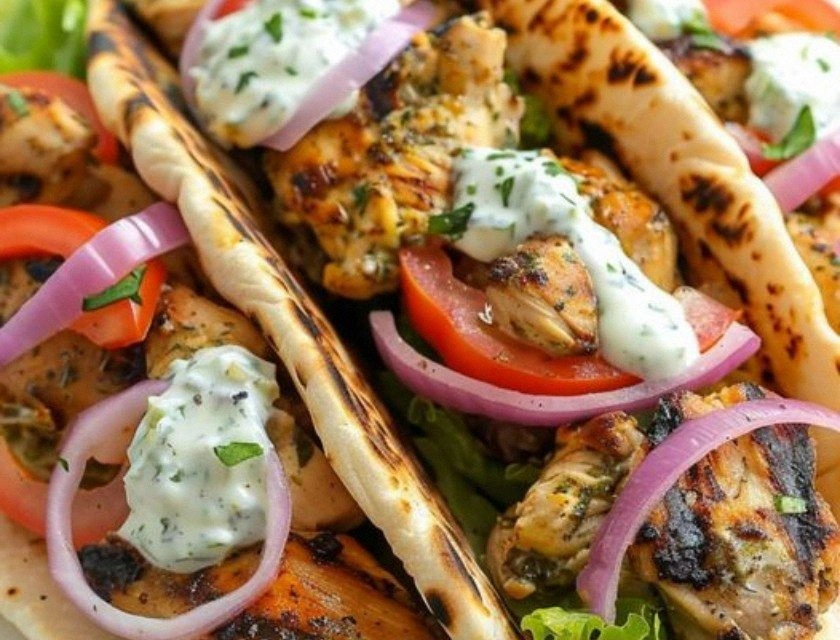
- Assemble with artistry: Slice the chicken against the grain into thin strips that still retain their juices. Spread a generous layer of tzatziki on warm pita, top with chicken, tomatoes, onions, and a sprinkle of fresh oregano. Don't overfill—this isn't a competition to see how much meat you can cram into bread. The components should complement each other, not compete for dominance. Each bite should give you a perfect ratio of creamy, crunchy, herby, and meaty. Roll it up, tuck in the ends, and take a moment to admire your handiwork before devouring it like you haven't eaten in days.
- Serve immediately and accept praise: These gyros wait for no one. As soon as they're assembled, they should be eaten—warm, messy, and absolutely glorious. The contrast between hot chicken and cool tzatziki is part of what makes this dish so addictive. If you need to hold them for a few minutes, wrap them in foil to keep warm, but don't let them sit longer than 10 minutes or the pita will go from soft and pliable to tough and chewy. Gather your people, pour some wine, and prepare for the inevitable chorus of "these are better than any restaurant" because they absolutely are.
That's it—you did it. But hold on, I've got a few more tricks that'll take this to another level, because even perfection can be improved upon when you know the right secrets.
Insider Tricks for Flawless Results
Even with the best recipe, there are always little things that separate the good from the unforgettable. These aren't optional nice-to-haves—they're the accumulation of dozens of tests, failures, and eureka moments that turn this from a solid recipe into a life-changing one. A friend tried skipping the resting step once and ended up with chicken so dry it could have been used as kindling. Another ignored my temperature advice and served gyro-flavored rubber bands. Learn from their mistakes so you can bask in the glory of gyro greatness.
The Temperature Rule Nobody Follows
Here's the thing about chicken temperature: 165°F is the safe minimum, but 175°F is where thigh meat becomes transcendent. The extra 10 degrees breaks down connective tissue that can make thighs chewy, transforming them into something spoon-tender. Use a instant-read thermometer and check multiple pieces, pulling them as they reach temperature since they'll continue cooking from residual heat. The chicken should feel firm but still have a little give when pressed—like a well-inflated balloon, not a rock. If you've ever had tough, stringy chicken, you probably pulled it at exactly 165°F when it needed just a bit more time to reach its full potential.
Why Your Nose Knows Best
Don't underestimate the power of smell in cooking these gyros. When the oregano hits hot oil, it should smell like a Greek island breeze, not like something burning. If your pan starts smoking excessively or the herbs smell acrid, your heat is too high. Conversely, if you don't smell anything after a minute, your pan isn't hot enough. That toasty, herbaceous aroma is your cue that the essential oils are releasing and flavor is developing. I've learned to trust my nose more than any timer—it knows when the garlic has gone from raw to fragrant, when the chicken is browning versus burning, when the pita has gone from warmed to toasted.
The 5-Minute Rest That Changes Everything
I know you're hungry. I know the chicken smells incredible. But those 5 minutes of resting time aren't negotiable if you want juice-dripping-down-your-chin gyros instead of Sahara-dry ones. During cooking, juices get driven toward the center of the meat. Resting allows them to redistribute throughout, so when you slice into the chicken, they stay inside instead of flooding your cutting board. Cover loosely with foil to keep warm but don't wrap tightly or you'll steam the crispy edges into submission. Use this time to warm your pita, finish your tzatziki, pour yourself a drink—anything but slicing into that chicken immediately.
The Overnight Advantage
Here's a secret that'll make you seem like a kitchen wizard: make your tzatziki at least 24 hours ahead. The flavors meld and mature in a way that same-day sauce can't match. The garlic mellows, the herbs bloom, the cucumber and yogurt become best friends in a way that takes time. If you've ever tasted tzatziki that seemed to have separated flavors rather than a cohesive sauce, it's because it needed more time to get acquainted. Stir well before serving, as the cucumber releases water that can pool on top. This make-ahead trick means your gyro assembly is lightning-fast when hunger strikes.
The Pita Revival Technique
Even the saddest, driest store-bought pita can be resurrected with the right technique. Wrap the pita in a barely damp paper towel and microwave for 15-20 seconds until steamy and pliable. Immediately transfer to a hot, dry skillet for 30-45 seconds per side until you see tiny toasted spots appear. This two-step process rehydrates the bread while adding the toasty flavor that makes it taste freshly baked. Don't skip the skillet step—that's where the magic happens, where the bread transforms from merely warm to something you'll want to eat on its own.
Creative Twists and Variations
This recipe is a playground. Here are some of my favorite ways to switch things up when I want to explore new flavor territories while keeping the soul of what makes these gyros incredible. Each variation maintains the juicy chicken and creamy sauce foundation but takes the flavor profile in exciting new directions that'll keep you coming back to this base recipe again and again.
The Spicy Thrill-Seeker
Add a tablespoon of harissa paste to your marinade for North African heat that builds slowly instead of punching you in the face. Swap the regular paprika for hot smoked paprika, and add a pinch of cayenne if you're feeling brave. For the tzatziki, replace half the cucumber with finely diced roasted red peppers and add a squeeze of harissa for a coral-colored sauce that's cooling and spicy all at once. Top with pickled red onions instead of raw for extra tang and crunch. This version is for those who believe pain and pleasure are dance partners, not enemies.
The Island Vacation
Transport yourself to the Caribbean by swapping the oregano for fresh thyme and adding a teaspoon of allspice to the marinade. Replace the lemon juice with lime, and add a tablespoon of rum (the alcohol cooks off but leaves a mysterious depth). For the tzatziki, use coconut milk yogurt instead of Greek, add some minced scotch bonnet pepper (remove seeds unless you're certifiable), and include some fresh mango for sweet contrast. The result is familiar enough to comfort but different enough to make you feel like you're eating on a beach somewhere with turquoise water and reggae in the background.
The Garden Fresh
For a lighter, brighter version, grill the chicken instead of pan-searing and add a handful of fresh herbs to the marinade—parsley, dill, mint, whatever's growing in your garden or wilting in your fridge. Make a green tzatziki by blending the cucumber with spinach and herbs before mixing into the yogurt. Add some crumbled feta to the assembly for salty, creamy bursts, and include some peppery arugula along with the tomatoes. This version tastes like springtime and makes you feel virtuous while still being indulgent enough to satisfy.
The Meaty Upgrade
While chicken is traditional and economical, this marinade works beautifully with lamb shoulder or pork tenderloin too. Lamb needs about 30 minutes longer in the oven but rewards you with rich, gamey flavor that pairs beautifully with the cooling tzatziki. Pork cooks faster than chicken, so start checking temperature after 6 minutes in the oven. For beef lovers, flank steak works but needs only 2-4 hours of marinating since the acid can start to "cook" the meat if left too long. Each protein brings its own personality to the party while maintaining the gyro's essential character.
The Vegetarian Victory
Replace the chicken with thick slabs of halloumi cheese or extra-firm tofu that's been pressed and marinated. Halloumi gets seared until golden and develops a crispy crust while staying squeaky and satisfying inside. Tofu needs a bit more time in the marinade—up to 48 hours—to really absorb the flavors, but it becomes incredibly satisfying when seared until crispy outside and creamy inside. Add some roasted vegetables—zucchini, eggplant, bell peppers—for substance and smoky sweetness. Even dedicated carnivores devour this version with the same enthusiasm they reserve for the original.
The Breakfast Gyro
Who says gyros are just for lunch and dinner? Replace the chicken with breakfast sausage patties or thick-cut bacon, add a fried egg to the assembly, and swap the tzatziki for a lemon-herb yogurt sauce that's lighter and brighter than the original. Include some breakfast potatoes or hash browns for crunch and heft. The result is a breakfast sandwich that puts all others to shame—savory, satisfying, and sophisticated enough to serve at brunch when you want to impress without stress. Picture yourself pulling this out of the oven on a Sunday morning, the whole kitchen smelling incredible while coffee brews and jazz plays softly in the background.
Storing and Bringing It Back to Life
Leftover gyros? First of all, congratulations on having more self-control than I do. Second, storing them properly means you can extend the magic for days instead of resigning yourself to sad, soggy sandwiches that taste like disappointment and wasted potential. The key is understanding which components play well together and which need their personal space like a moody teenager.
Fridge Storage
Store each component separately for best results—chicken in one container, tzatziki in another, vegetables in a third. The chicken keeps for up to 4 days when stored in an airtight container, and honestly, it might be even better on day two after the flavors have had time to meld and intensify. The tzatziki actually improves for the first 48 hours as the flavors marry, but after that, it starts to separate and lose its fresh appeal. Vegetables should be stored dry and added just before serving to maintain their crunch and prevent them from watering down your creation. Pita should be stored at room temperature in a zip-top bag with a paper towel to absorb excess moisture—never in the fridge, which makes them stale faster than a bad joke.
Freezer Friendly
The chicken freezes beautifully for up to 3 months when wrapped tightly in plastic wrap and then foil, or stored in freezer bags with as much air removed as possible. Thaw overnight in the refrigerator, then reheat gently in a covered skillet with a splash of water to restore moisture. The tzatziki, however, does not freeze well—the yogurt separates and becomes grainy when thawed, and the cucumber turns to mush. If you must freeze it, prepare the yogurt base without cucumber, freeze that, and add fresh grated cucumber when you're ready to serve. It's not quite the same, but it's better than no tzatziki at all.
Best Reheating Method
Forget the microwave for the chicken—it'll turn rubbery faster than you can say "gyro." Instead, reheat in a covered skillet over medium-low heat with a tablespoon of water, stirring gently until just warmed through. Add a tiny splash of water before reheating—it steams back to perfection and restores the juicy texture that makes these gyros legendary. For the pita, wrap in damp paper towels and microwave for 10-15 seconds, then finish in a dry skillet as you did originally. Assemble everything hot and eat immediately, because second-day gyros are still better than no gyros, but they're at their absolute peak when fresh.