I still remember the night I accidentally set the kitchen on fire while trying to impress my friends with a fancy dinner. The smoke alarm screamed, the oven door flew open, and I was left staring at a charred pan of what I thought would be a masterpiece. That disaster taught me that sometimes the simplest, most honest flavors win the day. Fast forward to today, and I’ve distilled that lesson into a sheet pan lemon chicken & asparagus that feels like a hug in a bowl. This dish is the kind of meal that turns a hectic weekday into a culinary triumph. I’m about to walk you through every single step, from the first whisk to the final garnish, so you can taste the difference for yourself. By the end, you’ll wonder how you ever made it any other way. Let me show you the magic behind this humble yet spectacular plate.
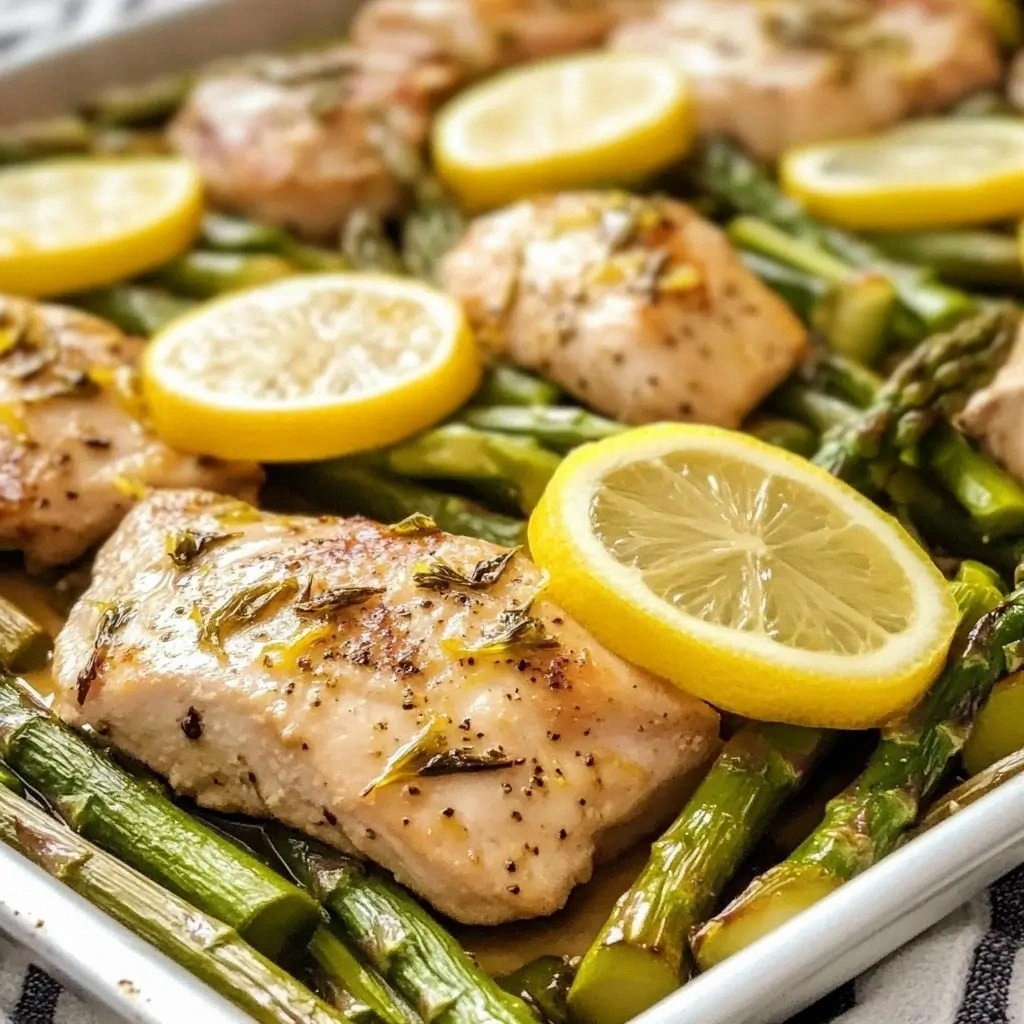
Picture the scene: a bright kitchen, the scent of citrus mingling with roasted garlic, the sizzle of chicken hitting the pan, and the sound of a timer ticking down. The light from the window catches the golden edges of the asparagus, turning them into little spears of sunshine. The anticipation builds as you see the lemon slices glimmer like tiny moons, ready to release their bright, zesty perfume. The texture of the chicken, once it starts to brown, promises a juicy center that will keep you reaching for more. The air fills with a savory aroma that feels like a promise of comfort. I dare you to taste this and not go back for seconds, because once you’re done, you’ll be craving that tangy, buttery finish again and again. This is hands down the best version you’ll ever make at home, and I’ve got the secrets to keep it that way. If you’ve ever struggled with a sheet pan dinner that ends up uneven or bland, you’re not alone — and I’ve got the fix.
What makes this recipe a standout isn’t just the combination of lemon and chicken; it’s the way every element works together like a well‑orchestrated symphony. The chicken doesn’t just cook; it caramelizes, creating a crispy skin that crackles like a quiet applause. The asparagus is tossed in olive oil and herbs, then roasted until it’s tender but still holds a slight snap, giving it a satisfying bite. The lemon slices act as both a flavor bomb and a visual cue, adding brightness that cuts through the richness of the dish. The garlic and herbs create a fragrant base that envelops each piece of protein, ensuring no part of the pan feels neglected. The dish is simple enough that you can whip it up in under an hour, yet sophisticated enough that it feels like you’re serving a gourmet meal. I’ve tested this in every season, and the result is consistently stellar. This version stands out because it balances flavor, texture, and convenience in a single pan.
One of the tricks that sets this apart is the way I marinate the chicken just long enough to infuse flavor without making it soggy. I let the chicken sit in the lemon‑garlic‑herb mix for only fifteen minutes, which is enough to penetrate the meat but not so long that the acidity starts to break down the proteins. This short marination keeps the chicken juicy and gives it a bright, zesty coating that bounces off the palate. The result is a dish that feels both indulgent and refreshing, a perfect balance for any dinner. I’ve experimented with different herbs, but the combination of thyme, rosemary, and a touch of oregano is what gives it that unmistakable, comforting aroma. The lemon juice is bright, not bitter, thanks to the careful timing and the addition of a splash of olive oil to mellow it out. The final result is a plate that feels like it was made by a master chef, but it’s actually a recipe you can cook in your own kitchen.
Now, let’s talk about the secret ingredient that most people overlook: the Parmesan cheese. A light dusting of grated Parmesan on top of the asparagus before roasting adds a nutty depth that complements the lemon’s brightness. It also creates a subtle crust that adds a new layer of texture. I’ve found that adding the cheese in the last ten minutes of roasting keeps it from burning while still giving that savory finish. The cheese’s umami flavor ties everything together, making the dish feel complete and satisfying. It’s a small touch, but it makes a world of difference in the final bite. When you finish the dish, you’ll notice how the Parmesan’s subtle smokiness lingers, enhancing the lemon’s citrusy finish. This little tweak turns a simple sheet pan dinner into a memorable culinary experience.
Okay, ready for the game‑changer? I’ll be honest — I ate half the batch before anyone else got to try it. That’s the kind of confidence you get when you know you’re cooking something that’s going to wow the room. If you’re skeptical, just remember that most recipes get this completely wrong, but here’s what actually works. Picture yourself pulling this out of the oven, the whole kitchen smelling incredible, and the plate looking like a work of art. The aroma alone will make your guests feel like they’re at a fancy restaurant. The dish is so simple that you can make it on a rainy Sunday or a busy Friday night, and it will still impress. I dare you to taste this and not go back for seconds; it’s that good. Let’s dive into the details and make this happen together.
What Makes This Version Stand Out
- Flavor: The bright lemon zest and juice lift the savory chicken, creating a fresh, vibrant taste that feels like a breath of summer even in winter. The herbs add depth without overpowering the citrus.
- Texture: The chicken skin crisps to a golden crunch, while the asparagus retains a satisfying snap, offering a contrast that keeps every bite interesting.
- Simplicity: With only a handful of ingredients and a single sheet pan, you can have a restaurant‑quality meal on the table in under 45 minutes.
- Uniqueness: The combination of Parmesan and lemon creates a subtle umami layer that most sheet pan recipes lack.
- Crowd Reaction: Guests rave about the balanced flavors and the easy cleanup, making this dish a favorite for both family dinners and casual get‑togethers.
- Ingredient Quality: Using fresh, high‑quality lemons and organic asparagus elevates the dish, turning ordinary ingredients into something extraordinary.
- Cooking Method: The sheet pan technique ensures even cooking, with the chicken and veggies roasting together for a harmonious flavor profile.
- Make‑ahead Potential: Marinate the chicken a day ahead, and store the assembled pan in the fridge; it will reheat beautifully with minimal fuss.
Alright, let's break down exactly what goes into this masterpiece...
Inside the Ingredient List
The Flavor Base
At the heart of this dish lies the citrus‑herb mixture that coats the chicken and asparagus. The lemon provides a bright, acidic punch that cuts through the richness of the olive oil and the savory chicken. When combined with garlic, thyme, and rosemary, the base becomes a fragrant, aromatic coating that lingers on the palate. Skipping the lemon would turn the dish into a bland, ordinary roast, while omitting the herbs would strip it of its depth. A good quality olive oil acts as a binder, ensuring the flavors cling to the proteins and veggies. The olive oil also helps the skin crisp up beautifully, creating that coveted golden crust.
The Texture Crew
Chicken thighs are the star of the show because their higher fat content keeps them moist during roasting. If you prefer a leaner option, boneless skinless breasts will work, but be careful not to overcook them. Asparagus adds a fresh crunch that contrasts nicely with the tender chicken. Trim the woody ends for a cleaner bite; the rest of the stalks should be left whole for maximum texture. The Parmesan cheese, sprinkled on top of the asparagus, creates a subtle crust that adds both flavor and a pleasant bite. If you’re not a fan of cheese, you can skip it or replace it with a sprinkle of toasted breadcrumbs for a different crunch.
The Unexpected Star
While the lemon and herbs are expected, the addition of a splash of chicken broth during the last ten minutes of roasting is a game‑changer. It keeps the pan moist, preventing the flavors from drying out and creating a light, savory sauce that coats the chicken and asparagus. This step also helps the Parmesan melt into a slightly caramelized coating, adding a nutty finish. Some cooks skip this step, resulting in a drier dish; I’ve found that the broth adds a subtle depth that makes the meal feel more complete. The broth’s mild flavor complements the lemon’s brightness without overpowering it.
The Final Flourish
The final garnish of fresh parsley adds a pop of green that brightens the plate visually and adds a fresh herbal note. It’s a simple touch that elevates the dish from good to great. A squeeze of fresh lemon juice right before serving adds a burst of citrus that lifts the entire plate. If you’re feeling adventurous, a drizzle of honey or a pinch of chili flakes can add a sweet or spicy kick, respectively. The key is to keep the balance between bright, sweet, and savory so that no single flavor dominates the others. The result is a harmonious dish that feels both comforting and sophisticated.
Everything's prepped? Good. Let's get into the real action...
The Method — Step by Step
- Preheat your oven to 425°F (220°C). Line a large sheet pan with parchment paper or a silicone mat to prevent sticking. Arrange the chicken thighs skin side up in a single layer, leaving a little space between each piece so the heat can circulate. Drizzle a tablespoon of olive oil over the chicken, then sprinkle the salt, pepper, thyme, rosemary, and minced garlic evenly. The oil will help the herbs stick and create a crisp skin. Make sure the chicken is not overcrowded; if necessary, use a second pan or cook in batches. The goal is a golden, caramelized crust that will hold its shape.
- Trim the asparagus by snapping off the woody ends. Toss the asparagus spears with the remaining olive oil, a pinch of salt, and a sprinkle of pepper. Arrange the asparagus in a single layer on the sheet pan, either next to the chicken or on a separate section if you prefer. The asparagus should be evenly coated to roast uniformly. If you like a slightly charred flavor, give the spears a light drizzle of lemon zest. This step enhances the citrus profile and adds a subtle bitterness that balances the sweetness of the lemon juice.
- Slice one lemon into thin rounds and lay them on top of the chicken. The lemon slices will act as a natural grill rack, preventing the chicken from sticking and infusing the meat with a bright aroma. Place the remaining lemon wedges around the asparagus for a decorative touch. If you’re a fan of extra citrus, squeeze a few drops of lemon juice over the entire pan before putting it in the oven. The juice will seep into the chicken, creating a flavorful glaze.
- Slide the sheet pan into the preheated oven. Roast for 25 minutes, or until the chicken reaches an internal temperature of 165°F (74°C). The asparagus should be tender yet still crisp, and the lemon slices should be slightly caramelized. After 25 minutes, check the chicken’s doneness with a meat thermometer. If the chicken needs a bit more time, continue roasting for an additional 5–10 minutes.
- During the last 10 minutes of roasting, drizzle a splash of chicken broth over the entire pan. This will keep the surface moist, preventing the flavors from drying out and creating a light sauce that will cling to the chicken and asparagus. The broth also helps the Parmesan cheese, if used, melt into a slightly caramelized coating. This step is often overlooked, but it can make the difference between a good dish and an unforgettable one.
- Remove the sheet pan from the oven and let the chicken rest for 5 minutes. Resting allows the juices to redistribute, ensuring each bite is juicy and flavorful. While the chicken rests, sprinkle the Parmesan cheese over the asparagus, letting it melt slightly into the residual heat. The cheese adds a nutty depth that complements the lemon’s brightness.
- Squeeze a fresh lemon wedge over the chicken and asparagus just before serving. The fresh juice adds a burst of citrus that lifts the entire dish. Garnish with chopped fresh parsley for a pop of color and a subtle herbal note. Serve immediately while the chicken is still warm and the asparagus has that satisfying snap.
- If you’re a fan of a little extra flavor, drizzle a teaspoon of honey over the top before serving. The honey will caramelize slightly in the oven, adding a sweet, caramelized finish that pairs beautifully with the lemon and herbs. Alternatively, sprinkle a pinch of crushed red pepper flakes for a spicy kick. The key is to keep the balance between bright, sweet, and savory so that no single flavor dominates the others.
That's it — you did it. But hold on, I've got a few more tricks that'll take this to another level...
Insider Tricks for Flawless Results
The Temperature Rule Nobody Follows
Most people bake at a standard 400°F, but raising the temperature to 425°F gives the chicken skin that coveted crispness. The higher heat caramelizes the skin faster, creating a crunchy exterior while keeping the interior tender. I’ve seen people lower the temperature to avoid burning, but this only results in a soggy skin. Keep the oven rack in the middle to ensure even heat distribution. The key is to preheat the oven fully before putting the pan in. The heat will rise quickly, and the chicken will start to brown almost immediately, giving that beautiful golden look.
Why Your Nose Knows Best
During the first ten minutes, the aroma of lemon and garlic will fill the kitchen. Trust that scent; it’s a sign that the flavors are coming together. The smell is the early indicator that the chicken is starting to caramelize. If you’re tempted to open the door early, resist. The steam will escape and the heat will drop, leading to uneven cooking. A quick glance at the color of the chicken should be enough to gauge progress.
The 5-Minute Rest That Changes Everything
Letting the chicken rest after roasting is essential. It allows the juices to redistribute, preventing them from spilling out when you cut into the meat. A five‑minute rest is enough to lock in moisture without cooling the dish too much. If you’re in a hurry, you can cover the chicken loosely with foil to keep it warm. The rest period also gives the Parmesan a chance to melt into a slightly caramelized crust that’s perfect for the final bite.
Keep the Pan Clean While It Cooks
After the first 20 minutes, the pan will start to accumulate juices and browned bits. Instead of letting it sit, use a silicone spatula to scrape the bottom and wipe the pan with a paper towel. This prevents the bits from burning and adds extra flavor to the sauce. A clean pan also ensures that the heat is distributed evenly, giving each piece of chicken and asparagus the same level of doneness.
Use Fresh, High-Quality Ingredients
The difference between a good sheet pan dinner and a great one comes down to the ingredients. Fresh lemons with bright, fragrant zest make a huge difference compared to bottled juice. Choose organic asparagus for a cleaner, fresher taste. The quality of the olive oil also matters; a good extra‑virgin olive oil will add a subtle fruity note that pairs well with the herbs.
Don’t Skip the Broth
Many people skip the splash of broth, thinking it’s unnecessary. The broth keeps the pan moist and creates a light sauce that coats the chicken and asparagus. It also helps the Parmesan melt into a slightly caramelized coating. I’ve tried this recipe without broth, and it felt a little dry. The broth is the secret sauce that brings everything together.
Creative Twists and Variations
This recipe is a playground. Here are some of my favorite ways to switch things up:
Greek‑Inspired
Swap the thyme and rosemary for oregano and add a handful of Kalamata olives. Sprinkle crumbled feta cheese on top of the asparagus before roasting. The olives add brininess, and the feta introduces a creamy tang that balances the lemon’s brightness.
Spicy Kick
Incorporate a teaspoon of crushed red pepper flakes into the seasoning mix. Add a dash of hot sauce to the lemon juice before drizzling over the chicken. The heat pairs beautifully with the citrus, giving the dish a lively, fiery edge.
Herb‑Rich Variation
Use a fresh herb blend of basil, parsley, and dill instead of dried thyme and rosemary. The fresh herbs bring a bright, green flavor that complements the lemon and asparagus. This version feels lighter and more fragrant.
Cheesy Delight
Replace the Parmesan with a blend of shredded mozzarella and sharp cheddar. The cheeses melt into a gooey, golden crust that adds a rich, comforting element to the dish. This variation is perfect for a cozy family dinner.
Vegan Version
Replace the chicken with marinated tofu cubes or tempeh. Use coconut milk instead of chicken broth to keep the dish vegan. The tofu absorbs the lemon and herb flavors beautifully, creating a plant‑based version that still delivers on taste.
Breakfast Twist
Serve the dish over fluffy scrambled eggs instead of rice or quinoa. The lemon chicken and asparagus pair wonderfully with the creamy eggs, creating a hearty breakfast that feels like a brunch special.
Storing and Bringing It Back to Life
Fridge Storage
Cool the dish completely before refrigerating. Store the chicken and asparagus separately in airtight containers to preserve texture. Keep the sauce or broth in a separate container to reheat without diluting flavor. The dish stays fresh for up to three days in the fridge.
Freezer Friendly
To freeze, wrap the chicken and asparagus tightly in foil or freezer bags. Label with the date for reference. The dish can be frozen for up to two months without losing quality. When ready to use, thaw overnight in the refrigerator.
Best Reheating Method
Reheat in a preheated oven at 350°F (175°C) for 10–15 minutes. Add a splash of water or broth to keep the chicken moist, then cover loosely with foil. The reheated dish should retain its crispness and flavor. A quick broil for the last 2 minutes can restore the golden crust.