I was staring at a half‑sliced bell pepper and a bag of frozen broccoli, the kind that’s been sitting in the back of the freezer for months, and I thought, “Why does this look like a salad that never wants to be cooked?” The kitchen was a chaotic symphony of sizzling onions, the clatter of a cutting board, and the faint, comforting scent of garlic. I was craving a dish that could bring that bright, garden‑fresh vibe to a weeknight dinner, but I also wanted something that would make me feel like a culinary wizard. That night, after a few too many attempts at “simple” pasta, I decided to rewrite the rules and create a version of Pasta Primavera that would make everyone in the house ask for seconds—and maybe even thirds. It’s not just a recipe; it’s a culinary manifesto.
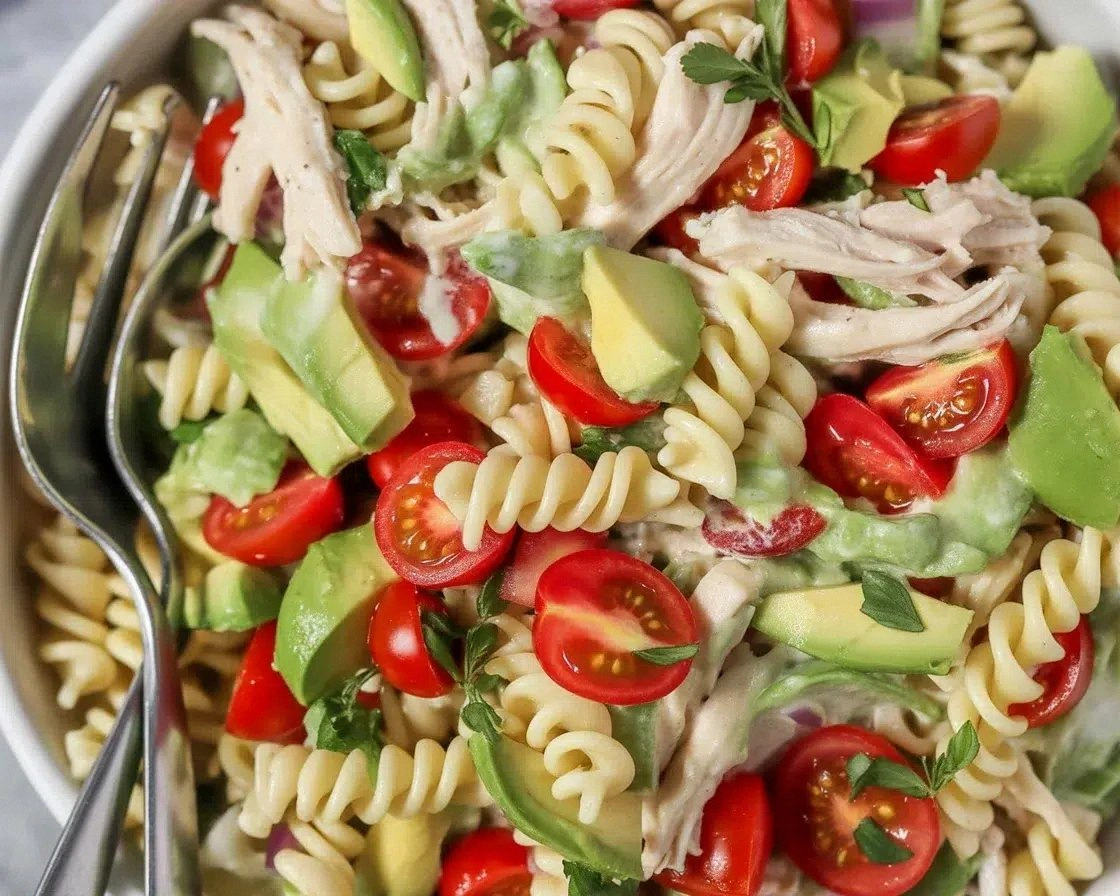
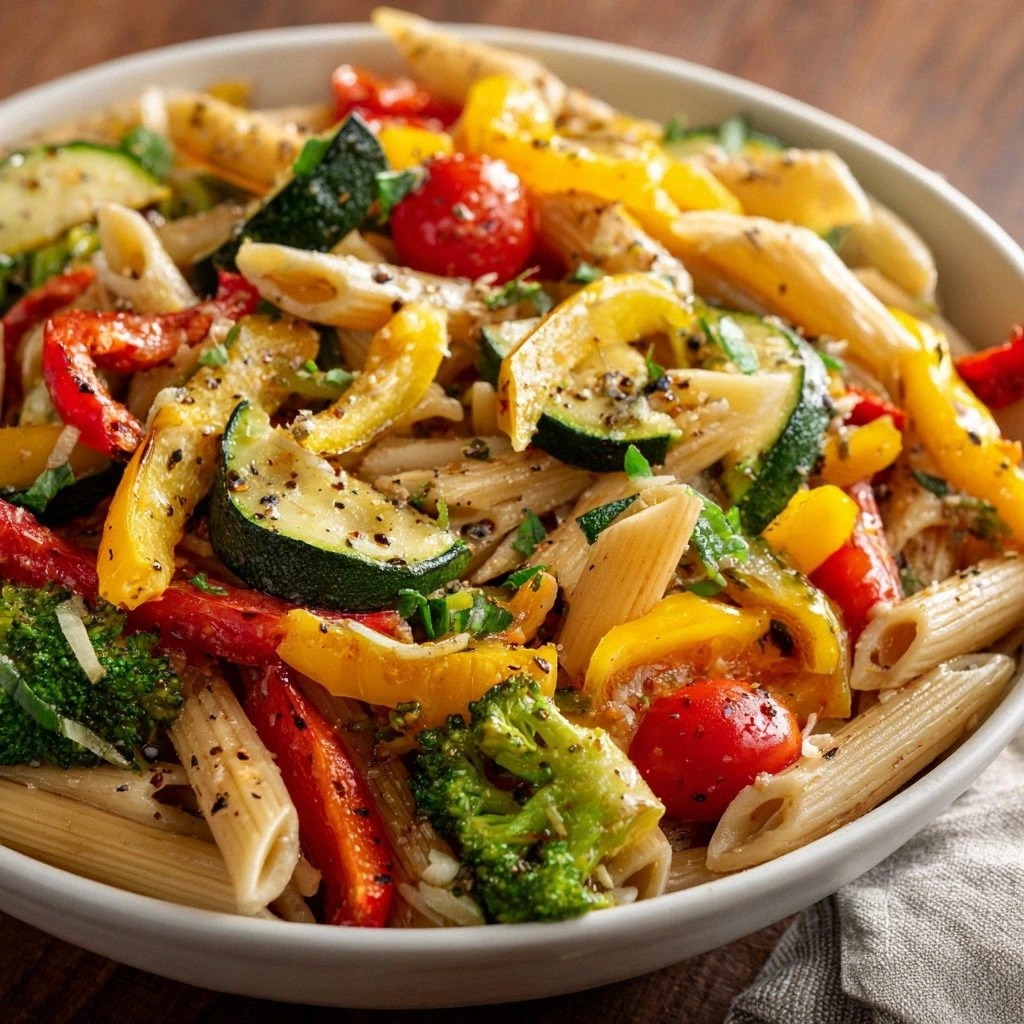
Imagine the pasta: al dente strands, their surface a glossy canvas ready to be kissed by a burst of color. The bell peppers slice into crisp, jewel‑tinted ribbons that pop against the soft, green zucchini, while the cherry tomatoes explode into sweet, ruby pools that paint the dish with summer sunshine. The broccoli florets add a subtle crunch, and the garlic’s warm, aromatic steam fills the room, promising a depth that will linger on the tongue. The final flourish? A handful of fresh basil that releases a citrusy aroma, turning the plate into a fragrant bouquet. The result is a dish that feels like a garden in a bowl, with every bite delivering a symphony of textures and flavors that dance together like a well‑choreographed ballet.
What sets this version apart? It’s the attention to detail, the clever use of timing, and the simple yet bold tweaks that elevate each component. I’ve taken the classic Primavera and injected it with a touch of sauce‑like coating that clings to the pasta, a subtle heat from a whisper of red pepper flakes, and a splash of lemon juice that brightens everything. It’s the kind of dish that makes you look at a pot of pasta and feel excited, not just satisfied. I dare you to taste this and not go back for seconds—because once you’ve experienced this, the standard versions will never compare.
By the end of this post, you’ll have a step‑by‑step guide that feels like a conversation with a friend who’s excited to share a secret. I’ll walk you through the prep, the cooking techniques that keep the veggies crisp, and the finishing touches that make this dish unforgettable. Whether you’re a seasoned cook or a kitchen newbie, this recipe will become your go‑to for a quick, vibrant meal that feels like a celebration. So grab your apron, let’s dive in, and discover how to turn a simple bowl of pasta into a masterpiece that will have everyone asking for the recipe.
What Makes This Version Stand Out
- Freshness: Every ingredient is chosen for its peak flavor, ensuring the dish tastes like a walk through a summer garden.
- Texture: The careful timing of sautéing keeps the veggies crisp, while the pasta remains al dente, creating a delightful contrast.
- Sauce‑like Coating: A splash of olive oil, a pinch of lemon, and a touch of garlic create a silky coating that clings to each strand.
- Color Palette: The rainbow of bell peppers, zucchini, cherry tomatoes, and broccoli makes the dish visually stunning.
- Ease of Prep: All ingredients are prepped in a single batch, so you can focus on cooking rather than chopping.
- Versatility: Swap in protein or change the pasta shape, and the recipe adapts effortlessly.
- Healthful: Packed with vegetables and healthy fats, it’s a balanced plate that satisfies without compromising nutrition.
- Make‑Ahead Potential: The flavors develop further when stored, making it an excellent option for meal prep.
Inside the Ingredient List
The Flavor Base
Garlic is the backbone of this dish, infusing the olive oil with a warm, aromatic foundation. When minced and sautéed just until fragrant, it releases a depth that elevates the entire plate. If you skip garlic, the dish will feel flat and less complex. For a milder version, replace fresh garlic with garlic powder—just remember it’s more concentrated, so use half the amount.
The Texture Crew
Broccoli florets add a satisfying crunch and a pop of green that balances the softer zucchini. Toss them with a pinch of salt before sautéing to keep them crisp. If you prefer a softer texture, blanch the florets for 30 seconds before adding them to the pan. The bell peppers, sliced into ribbons, provide a sweet snap and a burst of color that makes every bite feel fresh.
The Unexpected Star
Cherry tomatoes bring a juicy sweetness that contrasts beautifully with the savory pasta. Halving them allows the juices to mingle with the olive oil, creating a natural, light sauce. If you’re out of cherry tomatoes, replace them with sun‑dried tomatoes for a more intense flavor, but be sure to rehydrate them first.
The Final Flourish
Fresh basil is the finishing touch that adds a burst of herbal brightness. Its bright green leaves release a citrusy aroma that lifts the entire dish. If basil is out of season, consider using parsley or a handful of microgreens for a similar effect. The key is to add it just before serving to preserve its vibrant color and flavor.
Everything's prepped? Good. Let's get into the real action.
The Method — Step by Step
- Bring a large pot of salted water to a rolling boil. The water should taste as salty as the sea; this is the first step to ensuring the pasta has flavor from the inside out. Add the pasta and cook according to the package instructions, usually about 9–11 minutes for al dente. When the pasta is just about done, reserve a cup of the starchy cooking water before draining.
- Heat a large skillet over medium heat and add 2 tablespoons of olive oil. Once the oil shimmers, add the minced garlic and sauté for 30 seconds until fragrant, being careful not to burn it. The garlic should give off a warm, nutty aroma, not a sharp, bitter scent.
- Add the pre‑seasoned zucchini and bell peppers to the skillet. Sauté for 3–4 minutes, stirring occasionally, until they start to soften but still retain a slight bite. The edges will turn golden, giving you a visual cue that they’re ready.
- Add the broccoli florets and cherry tomatoes to the skillet. Cook for an additional 2–3 minutes, until the broccoli is bright green and the tomatoes have softened slightly but still hold their shape. The pan should emit a gentle, toasty scent that signals the veggies are perfectly cooked.
- Turn off the heat and stir in the cooked pasta. Toss everything together, allowing the pasta to absorb the olive oil and vegetable juices. If the mixture looks dry, add a bit more pasta water until it reaches a silky consistency.
- Season the dish with salt and pepper to taste. Sprinkle in the fresh basil and give it one final toss. The basil should release a bright, herbaceous aroma that signals the dish is ready.
- Serve immediately, perhaps with a sprinkle of grated Parmesan or a drizzle of extra virgin olive oil for an extra touch of richness. If you’re dining alone, you can portion the pasta into a bowl; if you’re feeding a crowd, a large platter works beautifully.
That’s it — you did it. But hold on, I've got a few more tricks that'll take this to another level.
Insider Tricks for Flawless Results
The Temperature Rule Nobody Follows
Cooking pasta at a rolling boil ensures even cooking, but many people let the water simmer. A rolling boil keeps the pasta from sticking together and preserves its al dente texture. Keep an eye on the water; if it’s too vigorous, reduce the heat slightly to avoid splashing.
Why Your Nose Knows Best
When sautéing the vegetables, listen for that subtle toasty scent. It’s the signal that the aromatics have released their full flavor. If the smell is weak, give it a minute longer; if it’s too sharp, reduce the heat.
The 5‑Minute Rest That Changes Everything
After you finish cooking, let the dish rest for five minutes before serving. This allows the flavors to meld and the pasta to absorb any remaining juices, giving the dish a richer taste. It also gives the vegetables a chance to cool slightly, preventing a scorched mouthfeel.
The Secret of the Light Sauce
Adding a splash of pasta water at the end creates a light sauce that coats the noodles without heavy cream or cheese. The starch in the water emulsifies with the olive oil, forming a silky coating that enhances every bite. If you’re watching calories, this is the trick to keep the dish light yet satisfying.
The Quick Herb Trick
Fresh herbs lose flavor quickly when exposed to heat. Add them at the very end, just before serving, to preserve their bright aroma and color. If you prefer a milder herb flavor, let the dish cool a minute before adding them.
The Veggie Timing Trick
Start with the vegetables that take longer to cook (zucchini and bell peppers) and add the quick‑cooking ones (broccoli and cherry tomatoes) later. This ensures all veggies are crisp and tender, not over‑cooked or soggy. The result is a harmonious texture profile that feels fresh.
Creative Twists and Variations
This recipe is a playground. Here are some of my favorite ways to switch things up:
Protein Power
Add grilled chicken, shrimp, or tofu for a protein boost. Toss the protein with a pinch of paprika before adding it to the skillet for extra flavor. This turns the dish into a hearty main course that satisfies hunger without compromising freshness.
Cheesy Upgrade
Sprinkle grated Parmesan or crumbled feta over the finished dish. The cheese adds a creamy texture and salty depth that balances the bright vegetables. If you’re lactose intolerant, use a dairy‑free cheese alternative.
Mediterranean Twist
Incorporate olives, capers, and a drizzle of balsamic reduction for a Mediterranean flair. The briny olives add depth, while the balsamic adds a sweet tang that complements the vegetables beautifully.
Spicy Kick
Add a pinch of red pepper flakes or a splash of hot sauce to give the dish a fiery edge. The heat pairs well with the sweetness of the bell peppers and cherry tomatoes, creating a balanced flavor profile that excites the palate.
Pesto Fusion
Swirl in a spoonful of basil pesto for a richer, herbaceous flavor. The pesto’s nutty undertones complement the fresh basil, adding depth without overpowering the vegetables.
Gluten‑Free Version
Use a gluten‑free pasta or spiralized veggies as a base. The texture remains similar, but the dish becomes suitable for those with gluten sensitivities.
Storing and Bringing It Back to Life
Fridge Storage
Store leftovers in an airtight container in the refrigerator for up to 3 days. The pasta may dry out slightly, so when reheating, add a splash of water or broth to loosen it.
Freezer Friendly
Freezing is not recommended for pasta dishes with fresh vegetables, as they can become mushy. However, if you must freeze, separate the pasta and vegetables, freeze them individually, and combine them when reheating.
Best Reheating Method
Reheat gently in a skillet over low heat, adding a splash of water or olive oil to keep the dish moist. Stir frequently to prevent sticking. A quick microwave reheat is also acceptable, but add a few drops of water to keep the pasta from drying out.