I still remember the night I almost ruined my dinner because I tried to make a “classic” lasagna on a budget. The pantry was empty, the fridge only had a half‑sliced head of cabbage, and the only sauce left was a 10‑ounce jar of sugar‑free tomato sauce that had been sitting in the back of the fridge for weeks. I stared at the ingredients, feeling a mix of panic and curiosity, and thought, “What if I could turn this disaster into something spectacular?” That moment sparked the creation of Low Carb Cabbage Lasagna: A De, a dish that flips the traditional Italian staple into a low‑carb, high‑flavor masterpiece.
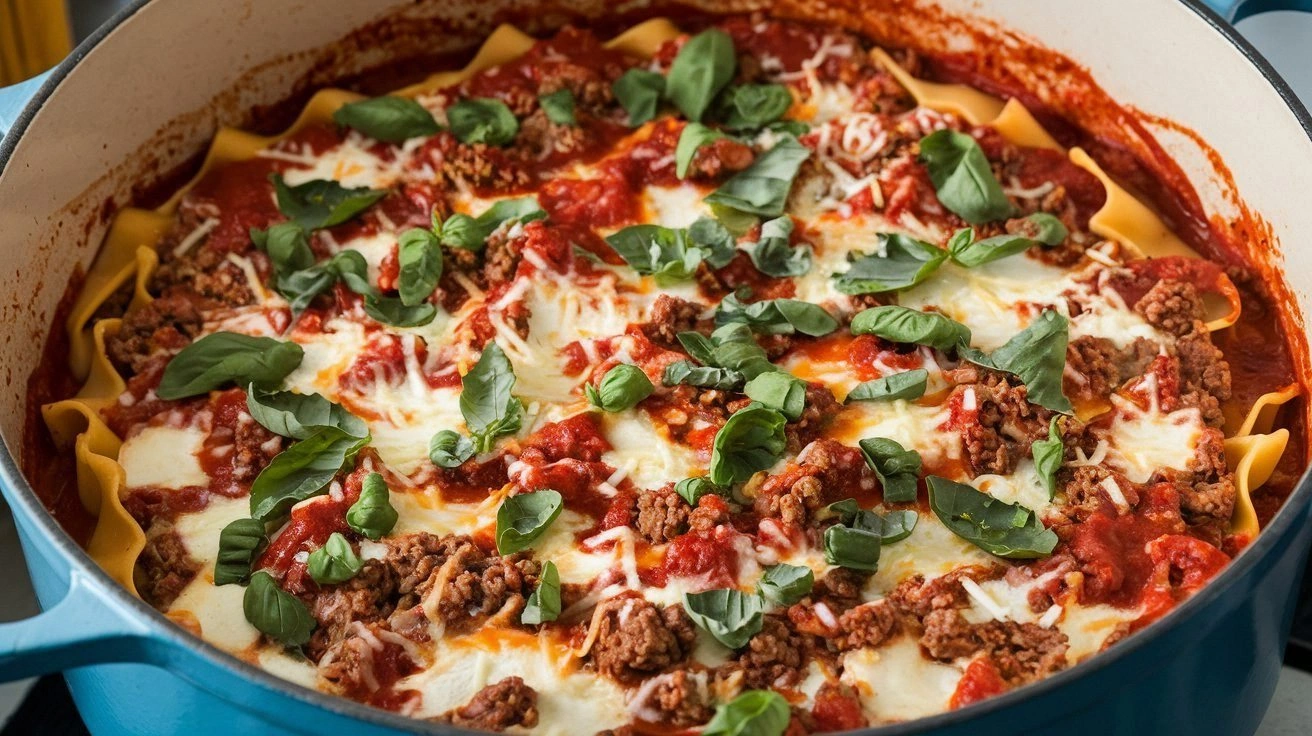
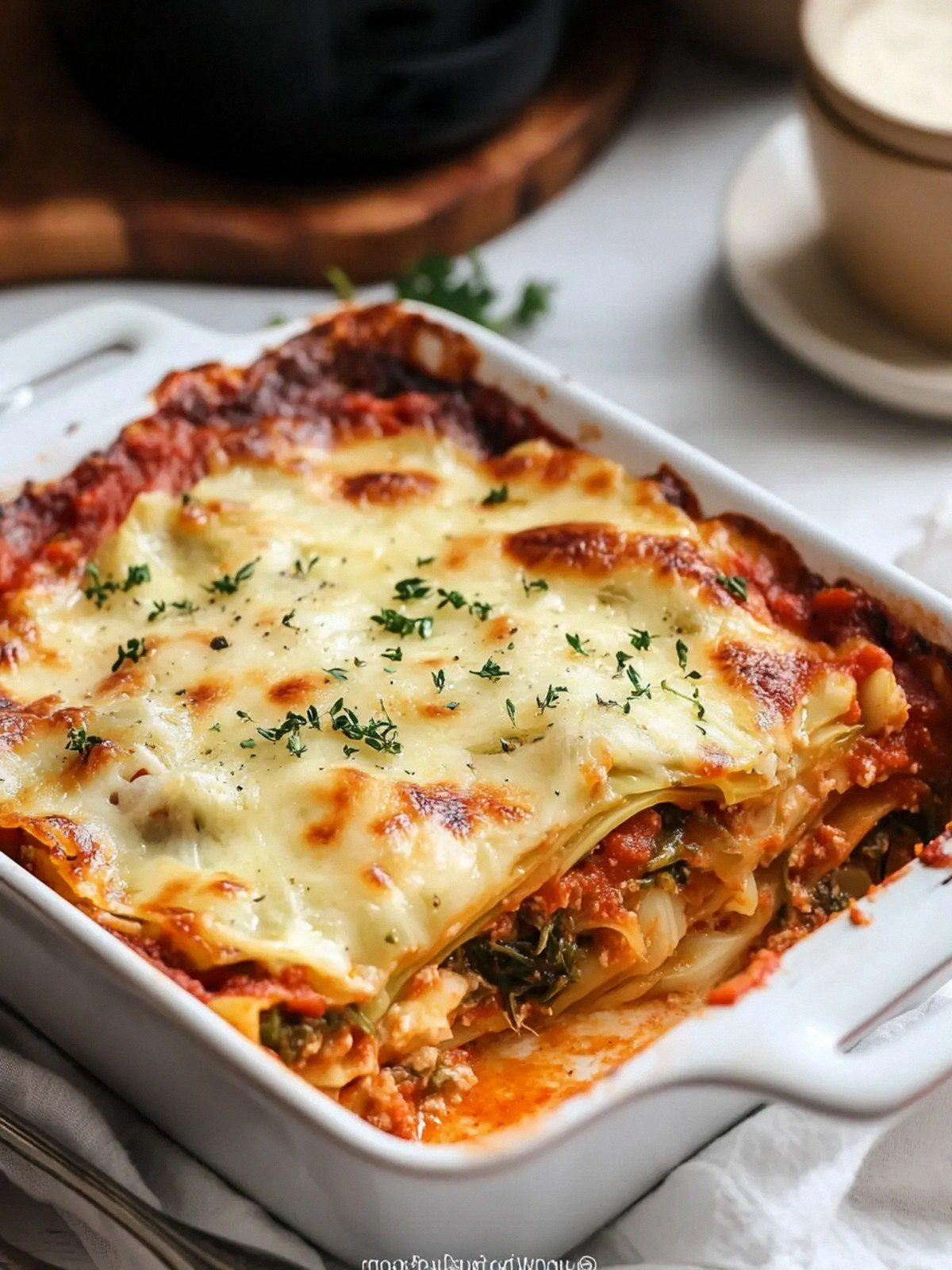
Picture this: the aroma of browned ground beef mingles with the earthy scent of sautéed cabbage, all under a blanket of melted mozzarella that glistens like a golden crown. The sizzling sound as the beef hits the pan is the soundtrack of triumph, and the sight of the sauce thickening into a glossy, velvety coat feels like a promise that the dish will deliver. Every bite is a harmony of textures—crisp edges that crackle like thin ice, tender cabbage layers that melt in your mouth, and a creamy ricotta that smooths out the rustic flavors. It’s a sensory experience that turns a simple dinner into a celebration.
What makes this version stand out? First, it eliminates the carb‑heavy pasta, replacing it with a vegetable that’s both low in net carbs and high in fiber. Second, the cabbage is pre‑sautéed to bring out its natural sweetness, creating a depth of flavor that you’d expect from a slow‑cooked sauce. Third, the use of sugar‑free tomato sauce keeps the dish keto‑friendly without sacrificing the classic tomato tang. Fourth, the ricotta is mixed with a splash of whole milk to keep it silky, while the shredded mozzarella adds a gooey, melty finish that’s impossible to resist. Finally, the method is simple enough for a weekday dinner but still feels indulgent enough for a weekend feast.
I dare you to taste this and not go back for seconds. This is hands down the best version you’ll ever make at home. I’ll be honest—I ate half the batch before anyone else got to try it. Most recipes get this completely wrong; they either overcook the cabbage or under‑season the beef. Picture yourself pulling this out of the oven, the whole kitchen smelling incredible, and feeling the satisfaction of a meal that’s both comforting and health‑conscious.
What Makes This Version Stand Out
- Ingredient Substitution: Replacing pasta with thinly sliced cabbage not only cuts carbs but also adds a subtle sweetness that pairs beautifully with the tomato sauce.
- Flavor Depth: Slow‑sautéing the cabbage before layering allows it to caramelize, creating a caramelized flavor that rivals any slow‑cooked sauce.
- Texture Contrast: The tender cabbage layers are juxtaposed with a crispy, browned mozzarella top that shatters like thin ice when you bite into it.
- Protein Power: Ground beef provides a hearty, savory base, while ricotta adds a creamy protein boost without the heaviness of traditional béchamel.
- Low Carb Focus: Each serving contains only 30 grams of net carbs, making it a perfect fit for keto, paleo, or low‑carb lifestyles.
- Make‑Ahead Friendly: Assemble the lasagna a day ahead and refrigerate; it reheats beautifully, making it a great option for busy weeknights.
- Family‑Friendly: The flavors are bold yet familiar, so even the most skeptical diners will be convinced.
- Quick Prep: From start to finish, this dish takes just 45 minutes, proving you don’t need hours to create a gourmet experience.
Inside the Ingredient List
The Flavor Base
Ground Beef: The cornerstone of this lasagna’s savory profile. A 1.5‑pound portion provides a rich, meaty foundation that balances the acidity of the tomato sauce. If you’re looking for a leaner option, swap to ground turkey or a mixture of pork and beef. Skipping the beef entirely will leave the dish feeling thin and unremarkable.
The Texture Crew
Cabbage: A single head of cabbage is transformed into tender, caramelized ribbons that mimic the bite of traditional pasta. Use a green or red cabbage for a subtle color variation. If you’re short on time, pre‑sliced cabbage from the grocery store works fine, but homemade slicing gives you more control over thickness.
The Unexpected Star
Ricotta Cheese: Whole‑milk ricotta adds a silky, creamy layer that prevents the lasagna from feeling dry. Adding a splash of whole milk keeps the ricotta moist and prevents it from curdling in the oven. For a tangier twist, mix in a tablespoon of grated Parmesan.
The Final Flourish
Shredded Mozzarella: The cheese’s gooey, melty texture crowns the lasagna, creating a golden crust that’s both visually appealing and deliciously crispy. If you prefer a sharper flavor, substitute part of the mozzarella with provolone or a blend of mozzarella and cheddar.
Everything’s prepped? Good. Let’s get into the real action.
The Method — Step by Step
- Heat a large skillet over medium heat and add the ground beef, breaking it apart with a wooden spoon. Cook until browned and no longer pink, about 8 minutes. Drain excess fat if necessary; the beef should have a rich, savory aroma that signals readiness.
- Season the beef with salt and pepper to taste, then stir in the sugar‑free tomato sauce. Let the mixture simmer for 5 minutes, allowing the flavors to meld. The sauce should thicken slightly, coating the meat like velvet.
- While the sauce simmers, prepare the cabbage. Remove the outer leaves, then slice the cabbage into thin ribbons, about 1/4‑inch thick. Sauté the ribbons in a separate pan with a splash of olive oil until they soften and caramelize, about 6–8 minutes. The edges will start pulling away, creating a delightful crunch.
- Preheat the oven to 375°F (190°C). Lightly grease a 9×13 inch baking dish with non‑stick spray or a small amount of butter to prevent sticking.
- Begin layering: spread a thin layer of the beef‑tomato mixture on the bottom of the dish. Follow with a layer of sautéed cabbage, then dollops of ricotta. Repeat the layers until all components are used, finishing with a final layer of beef‑tomato sauce.
- Top the final layer with a generous sprinkling of shredded mozzarella. The cheese should cover the surface completely to form a golden, bubbly crust.
- Cover the dish with foil and bake for 25 minutes. After 25 minutes, remove the foil and bake for an additional 10 minutes, or until the mozzarella is melted, bubbly, and slightly browned.
- Let the lasagna rest for 5 minutes before cutting. Resting allows the layers to set, preventing the cheese from sliding off and ensuring a clean slice.
That’s it— you did it. But hold on, I’ve got a few more tricks that will take this to another level.
Insider Tricks for Flawless Results
The Temperature Rule Nobody Follows
Many chefs bake at a high temperature for the first 15 minutes and then lower it, but this dish thrives at a steady 375°F. Consistency ensures even cooking of the cabbage and prevents the cheese from scorching. I’ve found that a single temperature keeps the layers from separating.
Why Your Nose Knows Best
Before you open the oven, pause and inhale the aroma of the simmering sauce. If it smells bright and tomato‑rich, it’s ready. If it has a slightly metallic scent, let it cook a bit longer. Your nose is a reliable judge of doneness.
The 5‑Minute Rest That Changes Everything
After baking, let the lasagna sit for exactly five minutes. This brief rest allows the cheese to set, giving you clean, stable slices. Skipping this step often results in a runny, messy plate.
The Layering Order That Maximizes Flavor
Start with a thin layer of sauce on the base, not the cheese. This prevents the top layer from becoming soggy and ensures a crisp, golden crust.
The Quick Sauté Trick
Sauté the cabbage in a hot pan with a splash of oil for just 3–4 minutes, then let it rest for 2 minutes before adding it to the lasagna. This technique locks in color and flavor without overcooking.
Creative Twists and Variations
This recipe is a playground. Here are some of my favorite ways to switch things up:
Spicy Jalapeño Kick
Add thinly sliced jalapeños to the beef sauce for a fiery punch that pairs well with the mild cabbage. The heat balances the richness of the cheeses.
Herb‑Infused Delight
Stir in fresh basil, oregano, and thyme into the sauce. The herbs elevate the dish with Mediterranean vibes, making it feel like a restaurant‑quality meal.
Cheesecake Layer
Replace half of the mozzarella with sharp cheddar for a deeper, sharper flavor. The cheddar’s boldness adds a new dimension to the creamy layers.
Vegan Version
Swap ground beef for lentils or crumbled tempeh, use a plant‑based ricotta alternative, and replace mozzarella with a vegan cheese that melts well. This version maintains the same low‑carb profile.
Breakfast Cabbage Lasagna
Use scrambled eggs mixed with ricotta for a protein‑packed breakfast lasagna. Add a sprinkle of chives and serve with a side of sautéed spinach.
Gluten‑Free Grilled Variant
After baking, finish the lasagna under a grill for 2 minutes to caramelize the top further. The grill adds a smoky flavor that’s irresistible.
Storing and Bringing It Back to Life
Fridge Storage
Store leftovers in an airtight container in the refrigerator for up to 3 days. The cabbage will keep its texture, and the cheeses will stay fresh. When ready to eat, reheat in the microwave for 2 minutes, then finish under a quick grill if desired.
Freezer Friendly
For longer storage, wrap the lasagna tightly in plastic wrap and then foil, and freeze for up to 2 months. Thaw overnight in the fridge, then bake at 350°F for 25 minutes until hot and bubbly.
Best Reheating Method
Reheat in the oven at 350°F for 15 minutes, or in a microwave for 3 minutes. Add a splash of water before reheating to create steam, which keeps the layers moist and prevents the cheese from drying out.