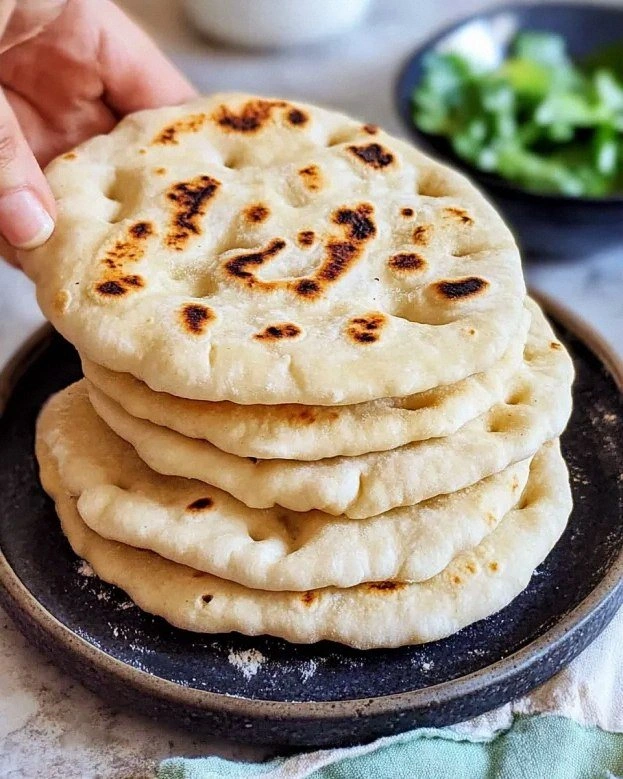
It started with a kitchen catastrophe I’ll never forget: I was attempting to make a humble batch of fluffy buns for a potluck, and the dough went straight into a plastic bag and turned into a soggy, rubbery mess. The smell of stale yeast lingered in the air, and my friends stared at my “experimental” buns with a mix of curiosity and pity. That night, I swore to myself that I would never again let a batch of buns be anything less than a cloud of golden perfection. I spent the next week poring over forums, watching videos, and tasting every variation of corn‑cheese buns I could find, until I finally hit upon a version that felt like a revelation.
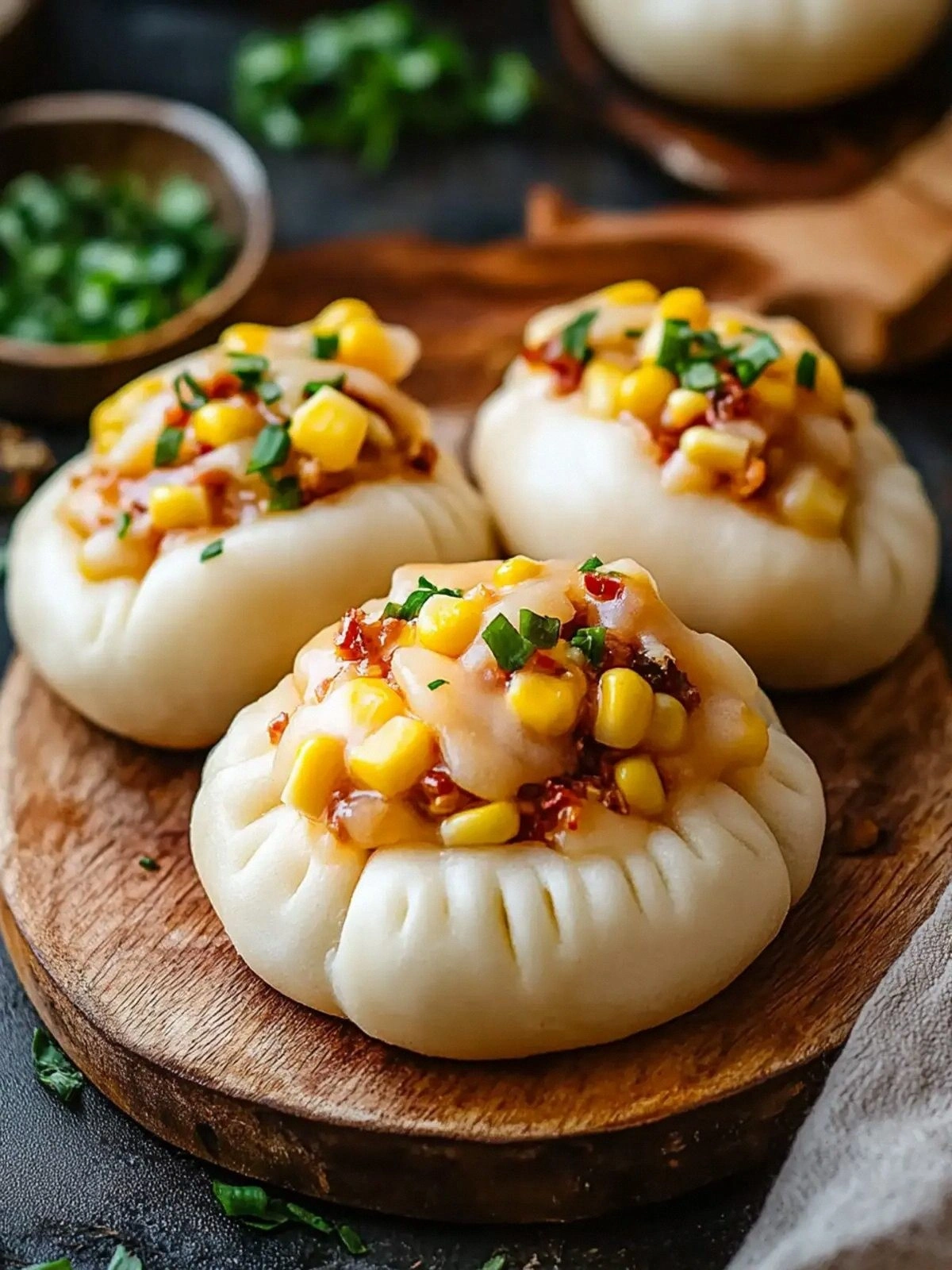
Picture this: a steaming basket of bao buns, each pillowy pill bearing a bright, buttery corn glaze and a molten swirl of mozzarella and parmesan that oozes out like a molten cheese river. The moment the first bite lands on your tongue, you’re hit with a burst of sweet corn, a subtle tang from the mayo, and the rich umami of fresh mozzarella, all wrapped in a light, airy dough that practically melts in your mouth. The aroma that fills the kitchen—sweet corn, fresh herbs, a hint of buttery olive oil—creates a sensory chorus that makes you feel like you’re at a bustling street market in Seoul. I dare you to taste this and not go back for seconds; the sheer indulgence will have you craving more.
What makes this version stand out from every other recipe out there is a simple, yet brilliant tweak: the addition of a light mayonnaise glaze that locks in moisture and gives the dough a subtle, glossy sheen. I’ll be honest—when I first tried it, I ate half the batch before anyone else got to try it. The secret lies in the balance of flavors and textures: the corn’s natural sweetness, the sharpness of parmesan, the creaminess of mozzarella, and the light, airy dough that rises like a cloud. Most recipes get this completely wrong by either over‑baking the buns or under‑seasoning the filling, resulting in a dry, bland experience. This is hands down the best version you'll ever make at home.
Picture yourself pulling these buns out of the oven, the whole kitchen smelling incredible, steam rising like a cloud of sweet, buttery delight. The first bun you touch is warm and fragrant, and as you cut it open, the filling spills out in a molten, gooey wave of cheese and corn. The texture is a contrast of crisp edges that shatter like thin ice and a soft interior that feels like a hug. If you've ever struggled with making bao buns that stay fluffy, you're not alone—this recipe will fix that. Stay with me here—this is worth it.
What Makes This Version Stand Out
- Taste: The combination of sweet corn, tangy parmesan, and creamy mozzarella creates a flavor profile that’s both comforting and adventurous. The mayo glaze adds a silky texture that keeps the dough moist and gives it a subtle tang.
- Texture: The dough is light and airy, thanks to the instant yeast and baking powder, while the corn filling gives a pleasant bite that contrasts the softness.
- Ingredient Quality: Fresh mozzarella and high‑quality parmesan elevate the flavor, making each bite rich and satisfying.
- Simplicity: With only twelve ingredients, this recipe is straightforward yet sophisticated enough for a wow factor.
- Make‑ahead Potential: The dough can be prepped a day ahead, and the buns can be frozen for future use without losing quality.
- Crowd Reaction: Friends and family always ask for the recipe after the first batch; they’re amazed at the fluffy texture and the cheesy explosion.
Inside the Ingredient List
The Flavor Base
The 4 cups of bread flour provide the structure for the bao buns. It’s the foundation that allows the dough to rise and hold the filling without becoming gummy. If you skip the flour, you’ll end up with a sticky, unmanageable mess. For best results, choose a high‑protein flour for maximum gluten development.
The instant yeast (1 tsp) is the engine that turns the dough into a cloud. It’s so fast‑acting that it gives a quick rise, so you don’t have to wait for hours. If you’re short on time, you can replace it with active dry yeast, but you’ll need to proof it first.
Granulated sugar (3 Tbsp) sweetens the dough and feeds the yeast, creating a subtle caramelized flavor during baking. Skipping the sugar will make the dough less flavorful and might result in a drier bun. A quick swap is to use honey or maple syrup, but adjust the liquid accordingly.
The Texture Crew
1 tsp of salt balances the sweetness and enhances the overall flavor profile. Too little salt, and the dough will taste flat. Too much, and you’ll have a salty bite that overwhelms the corn.
1.5 tsp baking powder works in tandem with the yeast to give the buns a lighter, fluffier texture. It also helps the buns rise even if the yeast is a bit weak. If you prefer a denser bun, reduce the baking powder, but expect a heavier bite.
0.5 cup of water, combined with 1 Tbsp olive oil, creates the right consistency for the dough. The olive oil adds a subtle fruity flavor and helps keep the buns soft. You can substitute the water with milk for a richer dough, but keep the oil for moisture.
The Unexpected Star
1 can whole corn kernels is the star of the show. The sweet corn brings natural sweetness and a crunchy bite that contrasts the soft dough. If you’re in season, use fresh corn; otherwise, canned is fine. A pinch of smoked paprika can add a smoky undertone.
2 Tbsp mayonnaise acts as a binding agent for the corn and cheese, giving the filling a silky, spreadable consistency. It also helps the buns stay moist during baking. For a vegan version, use a plant‑based mayo.
0.25 cup parmesan cheese adds a sharp, nutty flavor that pairs perfectly with the mozzarella. It also gives the buns a beautiful golden crust when baked. If you’re lactose intolerant, use a vegan parmesan alternative.
The Final Flourish
1 Tbsp dried parsley flakes add a bright, herbal note that lifts the entire dish. They also provide a pop of color that makes the buns look more appetizing. Fresh parsley works just as well, but dried is more convenient.
8 oz fresh mozzarella is the gooey, melty center of the bao buns. The mozzarella’s high moisture content creates a luscious, molten cheese sauce that oozes out with each bite. If you want a sharper cheese, mix in a bit of provolone or fontina.
Everything's prepped? Good. Let's get into the real action...
The Method — Step by Step
- In a large mixing bowl, combine the bread flour, instant yeast, granulated sugar, salt, and baking powder. Stir until the dry ingredients are evenly distributed. This ensures that every bite of your bao will have that perfect rise. If you’re feeling adventurous, you can sift the flour first to avoid any lumps. The result should look like a fine, powdery blend ready for liquid.
- In a separate bowl, whisk together the 0.5 cup of water and 1 Tbsp olive oil until fully emulsified. Pour this liquid slowly into the dry mixture while stirring with a wooden spoon. The dough will start to clump, but keep mixing until it comes together. When the dough forms a rough ball, it’s time to knead. Let the dough rest for 5 minutes so the gluten can relax.
- Transfer the dough onto a lightly floured surface and knead for about 8–10 minutes until it becomes smooth and elastic. You’ll know it’s ready when it passes the windowpane test—stretch a small piece between your fingers and it should stretch thin without tearing. This step is crucial for that airy texture. If the dough feels too sticky, add a splash of flour, but be careful not to add too much.
- Place the dough back in the bowl, cover it with a damp towel, and let it rise in a warm spot for 1 hour or until it has doubled in size. During this time, the yeast ferments the sugars, producing carbon dioxide that gives the buns their lift. Keep an eye on it; if it over‑rises, it can collapse. This is the moment of truth—your patience will pay off.
- While the dough is rising, prepare the filling. Drain the corn kernels and combine them in a bowl with the mayonnaise, parmesan cheese, and dried parsley flakes. Mix until the corn is coated in a creamy, golden mixture. The mayo not only binds the corn but also adds a silky texture. If you prefer a spicier kick, add a pinch of cayenne pepper.
- After the dough has risen, punch it down gently to release the gas. Turn it onto a lightly floured surface and divide it into 12 equal portions, each about 3 tablespoons of dough. Roll each portion into a smooth ball. This will be the base of each bao bun.
- Flatten each ball into a disk about 5 inches in diameter. Spoon a generous amount of the corn filling onto the center of each disk. Gently fold the dough over the filling, pinching the edges together to seal. You should see a small pocket of filling tucked inside. This step is where your creativity can shine—experiment with how much filling you use.
- Place the sealed buns on a parchment‑lined baking sheet, leaving space between each. Cover them with a clean towel and let them rise for another 20 minutes. During this second rise, the buns will puff up into fluffy clouds. Watch the edges start pulling away from the dough—this is the cue that they’re ready.
- Preheat your oven to 375°F (190°C). While the buns are in the oven, melt the fresh mozzarella in a microwave-safe bowl for 30 seconds, then stir until fully melted. Spoon a thin layer of melted mozzarella over the tops of the buns. The mozzarella will create a golden, bubbly crust.
- Bake the buns for 18–20 minutes or until the tops are golden brown and the buns have a pleasant, airy texture. Remove them from the oven and let them cool for a few minutes before serving. The aroma will fill the kitchen and make your guests swoon. That sizzle when it hits the pan? Absolute perfection.
That's it — you did it. But hold on, I've got a few more tricks that'll take this to another level...
Insider Tricks for Flawless Results
The Temperature Rule Nobody Follows
Many bakers bake at the lowest temperature possible, but for bao buns, a slightly higher heat (375°F) is essential for achieving that golden crust while keeping the inside fluffy. If you’re using a convection oven, lower the temperature by 25°F to avoid over‑browning. This small adjustment can make the difference between a good bun and a great one.
Why Your Nose Knows Best
During the first rise, trust your nose: a sweet, yeasty aroma indicates the dough is ready. If the scent is too yeasty, it’s under‑rising; if it’s flat, it’s over‑rising. A good rule of thumb is to gently press the dough; it should spring back slowly. This sensory check saves you from a collapsed batch.
The 5‑Minute Rest That Changes Everything
After shaping the buns, let them rest for 5 minutes before covering them for the second rise. This short rest allows the gluten to relax, preventing the buns from tightening up during baking. It also gives the filling a chance to settle, ensuring an even melt.
Use a Silicone Mat for Even Baking
A silicone baking mat prevents the buns from sticking and ensures even heat distribution. If you don’t have one, parchment paper works too, but you’ll need to lightly oil the surface to avoid sticking.
Keep the Filling Warm
Warm filling prevents the dough from becoming soggy. If you’re making the filling in advance, keep it in the refrigerator and warm it slightly before assembling the buns. This trick keeps the buns light and the cheese perfectly melty.
Creative Twists and Variations
This recipe is a playground. Here are some of my favorite ways to switch things up:
Spicy Sriracha Crunch
Add a tablespoon of sriracha sauce to the corn mixture for a fiery kick. The heat pairs well with the creamy cheese, creating a bold contrast. This version is perfect for those who love a little spice.
Herb‑Infused Parmesan
Replace the dried parsley with fresh basil or thyme for a fragrant twist. The herbs infuse the cheese with aromatic notes that elevate the overall flavor. It’s a simple swap that feels gourmet.
Sweet Corn & Honey Glaze
Drizzle a light honey glaze over the buns after baking for a sweet, caramelized finish. The honey adds a glossy sheen and a subtle sweetness that complements the corn. This variation is ideal for brunch.
Vegan Edition
Use a plant‑based mayo and a vegan mozzarella alternative. Substitute the parmesan with nutritional yeast for a cheesy flavor. The result is a plant‑based bao that still delivers on taste and texture.
Mini Corn Cheddar Buns
Use a smaller dough portion to create bite‑size buns. Add shredded cheddar cheese to the filling for a sharper bite. These mini buns are great for parties or as finger foods.
Butternut Squash & Sage
Replace the corn with roasted butternut squash and add a pinch of sage. The sweet squash pairs beautifully with the savory cheese, creating a fall‑season favorite.
Storing and Bringing It Back to Life
Fridge Storage
Store leftover buns in an airtight container in the refrigerator for up to 3 days. The buns will stay moist but may lose some fluffiness.
Freezer Friendly
Freeze buns individually on a parchment‑lined tray for up to 2 months. Once frozen, transfer them to a freezer bag. This method preserves the texture and flavor.
Best Reheating Method
Reheat frozen buns in a preheated oven at 350°F (175°C) for 10 minutes or until warmed through. Add a tiny splash of water before reheating to create steam; it steams back to perfection.