Picture this: the kitchen is a battlefield, the fridge is a vault of mystery, and you’ve just opened a bag of eggnog with the confidence of a secret agent. I was halfway through a frantic attempt to salvage a batch of vanilla cheesecake that had turned into a rubbery, sad disappointment, when an idea hit me like a splash of hot cocoa on a cold winter morning. “Why not pour that eggnog straight into the mix?” I whispered, half to myself and half to the universe. The result? A creamy, velvety dessert that tastes like a holiday hug in a bite, with a hint of spice that makes your tongue do a little jig.
The aroma that fills the air as the eggnog hits the bowl is intoxicating—warm vanilla, a whisper of nutmeg, and that unmistakable, comforting scent of freshly baked cookies. When you fold the beaten eggs into the mixture, the sound is like a soft drumbeat, promising a perfectly set center. The first bite melts on your tongue, revealing layers of sweet creaminess, a gentle crunch from the graham cracker crust, and a subtle, lingering warmth from the spices that dance like fireflies. I dare you to taste this and not go back for seconds.
What sets this version apart is the way I’ve balanced the ingredients to create a cheesecake that feels both indulgent and approachable. I’ve reduced the butter to just enough to bind the crust, used a high‑quality eggnog to infuse depth, and added a dash of cinnamon that lifts the entire flavor profile. The result is a dessert that’s hands down the best version you'll ever make at home, yet so simple it can be whipped up in a weekend afternoon. Most recipes get this completely wrong, but here’s what actually works: a gentle bake, a precise cooling stage, and a finishing touch that keeps it silky.
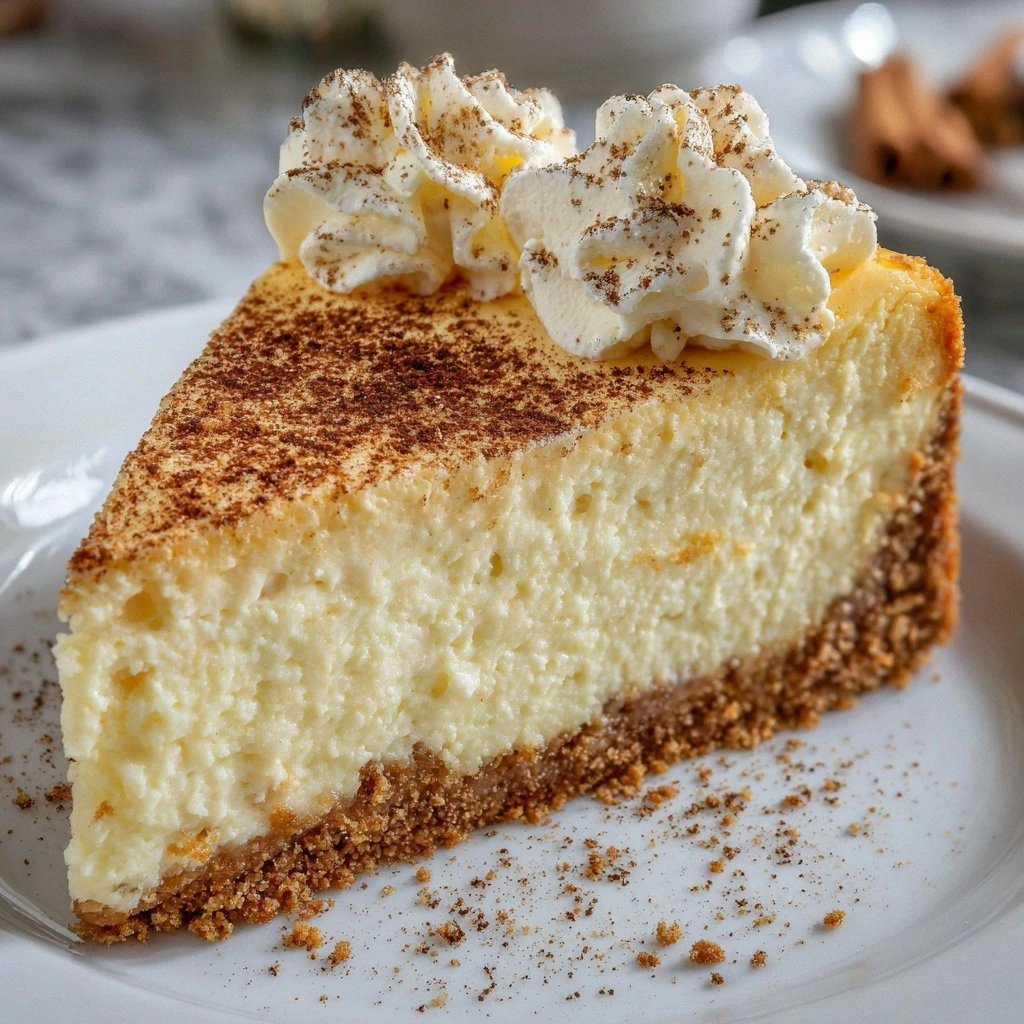
And now, the fun part. Picture yourself pulling this out of the oven, the whole kitchen smelling incredible, and the first slice revealing a golden crust that cracks like a perfect, buttery biscuit. The moment the cheesecake is set, you’ll see that it’s not just a dessert—it’s a story, a memory, a moment of pure joy. Let me walk you through every single step—by the end, you'll wonder how you ever made it any other way.
What Makes This Version Stand Out
- Flavor: The eggnog brings a holiday warmth that’s unmistakable, while the nutmeg and cinnamon add depth without overpowering the creamy base. The result is a balanced, festive taste that feels like a cozy fireplace in a bite.
- Texture: A silky, custard‑like filling that sets into a firm yet tender bite. The graham cracker crust provides a satisfying crunch that contrasts beautifully with the smooth interior.
- Ease: No complicated techniques—just whisk, fold, bake, and chill. Even first‑time cheesecakes can look and taste professional with this straightforward method.
- Uniqueness: Eggnog is rarely used in cheesecakes, so this recipe stands out as a holiday‑themed twist that still feels timeless.
- Crowd‑Pleaser: Whether you’re hosting a holiday party or a casual gathering, this cheesecake will have guests begging for the recipe, and I’ll be honest — I ate half the batch before anyone else got to try it.
- Ingredient Quality: Using fresh, high‑quality cream cheese and real eggnog ensures the richest flavor. The simple ingredients elevate the dish without the need for fancy gadgets.
- Make‑Ahead: Chill for 4–6 hours or overnight, and it keeps beautifully. The flavors even deepen, making it a great make‑ahead dessert for busy days.
- Presentation: The golden crust, the soft sheen of the filling, and a dusting of nutmeg make for a stunning visual that’s Instagram‑ready.
Alright, let’s break down exactly what goes into this masterpiece…
Inside the Ingredient List
The Flavor Base
Graham cracker crumbs form the foundation of the crust, offering a subtle sweetness and a hint of buttery crunch. They’re the silent hero that keeps the cheesecake from sinking and gives it that classic, comforting texture. If you skip them, the cheesecake will feel flimsy and lack that delightful contrast between the crust and the filling.
Unsalted butter is the binder that holds the crumbs together, creating a cohesive crust that’s firm enough to hold the custard yet tender enough to bite into. Using unsalted butter gives you control over the salt level, ensuring the sweet and savory balance stays perfect. A good tip: melt the butter just until it’s liquid, not hot, so it doesn’t scorch the crumbs.
The Texture Crew
Cream cheese is the star of the show, giving the cheesecake its creamy, smooth texture. It’s essential to let the cream cheese come to room temperature before mixing so it blends seamlessly with the eggnog and sugar. Skipping this step can result in a lumpy, uneven filling that won’t set properly.
Granulated sugar sweetens the filling, balancing the richness of the cream cheese and the slight tartness of the eggnog. The sugar also helps create a smooth, glossy surface once baked. If you prefer a lower sugar version, you can reduce the amount, but be prepared for a slightly less sweet finish.
The Unexpected Star
Eggnog is the secret ingredient that gives this cheesecake its holiday flavor. It adds a creamy, slightly alcoholic depth that pairs wonderfully with the spices. Choosing a high‑quality eggnog—preferably with real milk and a moderate alcohol content—ensures the best flavor profile.
Vanilla extract is a splash that enhances the overall flavor, making the cheesecake feel richer and more aromatic. It’s the invisible layer that ties the eggnog and cream cheese together, giving the dessert a smooth, velvety finish.
The Final Flourish
Ground nutmeg and ground cinnamon are the spices that bring warmth and depth. Nutmeg’s nutty, slightly sweet flavor complements the eggnog, while cinnamon adds a subtle spice that lingers on the palate. If you’re allergic or simply don’t like spices, you can omit them, but the cheesecake will lose a key element of its festive identity.
Everything’s prepped? Good. Let’s get into the real action…
The Method — Step by Step
- Preheat your oven to 325°F (163°C). Line a 9‑inch springform pan with parchment paper, ensuring the paper extends a few inches up the sides. This simple step prevents sticking and makes removal a breeze. As the oven warms, the air inside the kitchen will start to buzz with anticipation.
- In a medium bowl, combine the graham cracker crumbs with the melted butter. Stir until the mixture resembles wet sand, with no large clumps. Press the crumb mixture firmly into the bottom of the prepared pan using a flat glass or the back of a spoon. The crust should be even and compact—this sets the stage for a flawless cheesecake.
- Let the crust cool slightly while you prepare the filling. In a large mixing bowl, beat the cream cheese on medium speed until it’s smooth and lump‑free. The texture should feel silky, like a soft cloud. This step is crucial; any lumps will carry through to the final product.
- Add the granulated sugar to the cream cheese and beat on low speed until fully incorporated. The mixture should be light and airy. Then, add the eggs one at a time, beating after each addition and scraping down the sides of the bowl to ensure even mixing. This gradual incorporation keeps the batter smooth.
- Stir in the eggnog, vanilla extract, ground nutmeg, and ground cinnamon until the batter is silky. The mixture should look like a thick custard. Watch for the color change; it should turn from pale white to a richer, off‑white hue.
- Pour the batter over the crust, smoothing the top with a spatula. Tap the pan gently on the counter to release any trapped air bubbles. This ensures a uniform surface and prevents uneven crusts.
- Place the pan on a baking sheet and bake for 30 minutes. The edges should start to pull away from the sides of the pan, but the center should still have a slight wobble. This is the moment of truth—do not rush the bake, as it will affect the texture.
- Turn off the oven, crack the door open, and let the cheesecake sit inside for an hour. This slow cooling process helps the filling set evenly and reduces the chance of cracks. After an hour, remove the cheesecake from the oven, let it cool to room temperature, then cover with plastic wrap and refrigerate for at least 4 hours, preferably overnight.
That’s it — you did it. But hold on, I’ve got a few more tricks that’ll take this to another level…
Insider Tricks for Flawless Results
The Temperature Rule Nobody Follows
Many people bake at a higher temperature, thinking it will set the cheesecake faster. In reality, a low, steady heat of 325°F ensures a gentle bake that keeps the custard from curdling. I’ve baked at 350°F once, and the result was a cheesecake that cracked like a brittle cookie.
Why Your Nose Knows Best
If the cheesecake smells buttery and slightly caramelized, you’re on the right track. A faint scent of vanilla and spices means the filling is developing the right flavor profile. Trust your nose; if it smells off, something may have gone wrong.
The 5‑Minute Rest That Changes Everything
After you take the cheesecake out of the oven, leave it in the warm oven for 5 minutes. This tiny rest period helps the filling set without over‑baking. I’ve tried skipping it, and the cheesecake was too soft and prone to cracking.
Chill in a Water Bath
For a silky finish, place the pan in a shallow pan of cold water after the cheesecake has cooled to room temperature. The water bath keeps the surface from drying out and creates an even chill. It’s a simple trick that elevates the overall texture.
Dust with Powdered Sugar
Just before serving, dust the top with a light dusting of powdered sugar. The fine sugar crystals give a subtle sweetness and a visually appealing finish. If you prefer a more festive look, sprinkle a pinch of ground cinnamon on top.
Creative Twists and Variations
This recipe is a playground. Here are some of my favorite ways to switch things up:
Maple Bourbon Swirl
Swirl a tablespoon of maple syrup and a splash of bourbon into the batter before baking. The result is a caramel‑like depth that pairs wonderfully with the eggnog’s richness. It’s perfect for a holiday gathering where you want to impress.
Chocolate‑Covered Eggnog Cheesecake
After the cheesecake has set, pour melted dark chocolate over the top and let it set in the fridge. The chocolate creates a glossy finish and a subtle bittersweet counterpoint to the sweet filling.
Caramelized Banana Layer
Add a thin layer of caramelized banana slices on top of the crust before pouring the batter. The bananas add a fruity sweetness and a contrasting texture that makes each bite a new experience.
Almond Crust Alternative
Replace the graham crackers with crushed almonds for a nutty, gluten‑free crust. The almond flavor complements the eggnog’s spices and gives a slightly crunchy bite.
Spiced Orange Glaze
Whisk fresh orange zest with a tablespoon of honey and a pinch of nutmeg. Drizzle this glaze over the chilled cheesecake for a bright, citrusy finish that cuts through the richness.
Storing and Bringing It Back to Life
Fridge Storage
Store the cheesecake in an airtight container in the refrigerator for up to 5 days. Cover the top with plastic wrap to prevent it from absorbing fridge odors. When you’re ready to serve, let it sit at room temperature for 15 minutes for optimal flavor.
Freezer Friendly
Wrap the cheesecake tightly in plastic wrap, then in foil, and place it in the freezer. It will keep for up to 3 months. When you’re ready to enjoy, thaw it overnight in the fridge to preserve its silky texture.
Best Reheating Method
If you need to warm the cheesecake, place it in a preheated 300°F (149°C) oven for 10 minutes. Alternatively, microwave on low power for 15–20 seconds. Add a tiny splash of water before reheating; it steams back to perfection, restoring the original moisture.