Picture this: I’m standing in a cramped kitchen, a bag of pumpkin puree in one hand, a frantic look on my face, and a friend shouting, “You’ve got to finish that cake before the party!” I pulled a recipe from the back of my mind, a memory of a childhood bake that turned into a nightmare when the batter thickened into a stubborn, unrollable slab. The air smelled of cinnamon and burnt sugar, and the timer ticked louder than the drums in a marching band. I was on the brink of a kitchen disaster, but then I remembered the secret: a splash of cream cheese and a whisper of vanilla could rescue even the most stubborn batter.
I dare you to taste this and not go back for seconds. This isn’t just another pumpkin roll; it’s the kind of dessert that makes your guests double‑take, whispering, “Where did you learn that trick?” The texture is a silky, airy sheet that folds like a freshly folded origami paper, and the filling is a luscious, slightly tangy cream that melts in your mouth like a warm blanket. I’ll be honest — I ate half the batch before anyone else got to try it, and the kitchen smelled like autumn in a bakery. The secret to this version? A dash of nutmeg that’s almost invisible, a precise oven temperature that keeps the cake from drying out, and a roll technique that feels like a dance.
Most recipes get this completely wrong. They either overbake the cake, leave it gummy, or forget the subtle balance of spices. The result is a cake that feels like a dry sponge. This version is hands down the best you’ll ever make at home because it marries science and instinct into one harmonious process. The batter is light enough to glide over a parchment sheet, the filling is thick enough to hold the roll, and the final product is a cake that looks like a masterpiece from a pastry chef’s portfolio. Picture yourself pulling this out of the oven, the whole kitchen smelling incredible, and the aroma of pumpkin and cream cheese drifting like a sweet wind.
And now the fun part. Let me walk you through every single step — by the end, you’ll wonder how you ever made it any other way. I promise you, once you master this technique, you’ll never look at a pumpkin roll the same way again. The trick lies in the preparation, the folding, and the final glaze, each of which will be dissected with a confidence that feels like a secret handshake. So grab your apron, preheat that oven, and let’s dive into the art of rolling perfection.
What Makes This Version Stand Out
- Texture: The batter achieves a delicate, paper-thin sheet that folds without cracking. The filling is creamy yet firm enough to hold the roll, thanks to the addition of cream cheese. The final cake feels like a slice of cloud that melts in your mouth.
- Flavor: A balanced blend of cinnamon, nutmeg, and vanilla creates a warm, aromatic profile. The slight tang of cream cheese adds depth and counterbalances the sweetness. The pecans provide a crunchy contrast that elevates the overall experience.
- Simplicity: Despite the seemingly complex process, the recipe requires only basic kitchen tools: a mixer, a baking sheet, and a rolling pin. No fancy equipment is necessary, making it accessible for beginners.
- Uniqueness: The inclusion of a small amount of nutmeg and the precise oven temperature give this roll a distinctive taste that sets it apart from traditional pumpkin cakes.
- Make‑ahead Potential: The cake can be assembled ahead of time and stored in the refrigerator for up to 48 hours. It can also be frozen for later enjoyment, making it perfect for busy schedules.
- Audience Appeal: Whether you’re hosting a holiday gathering or craving a comforting dessert, this cake satisfies a wide range of palates. The creamy filling and aromatic spices make it a crowd-pleaser.
Alright, let’s break down exactly what goes into this masterpiece…
Inside the Ingredient List
The Flavor Base
Pumpkin puree is the heart of this cake, delivering a natural sweetness and a subtle earthy note. It’s the foundation that holds all the spices together. Skipping it would leave the cake flavorless and dry. If you can’t find fresh pumpkin puree, canned puree works just fine, but make sure to drain it well to avoid excess moisture.
Granulated sugar is the sweetener that balances the pumpkin’s earthiness. It caramelizes slightly during baking, adding a light crust that’s both fragrant and visually appealing. Too much sugar will make the cake overly sweet, so stick to the exact measurement. A small pinch of sea salt can enhance the overall flavor profile without adding noticeable saltiness.
The Texture Crew
All-purpose flour provides the structure that allows the cake to rise and hold its shape. It’s essential for achieving that delicate, paper-thin sheet. If you use whole wheat flour, the cake will become denser and less pliable. A pinch of baking powder helps the batter rise just enough to create a light crumb.
Eggs are the binding agent that gives the cake its elasticity. They also contribute to the cake’s golden color and help it set properly. Be sure to use fresh, large eggs for the best results. If you’re vegan, you can replace eggs with flaxseed meal and water, but the texture will differ.
The Unexpected Star
Cream cheese is the secret weapon that transforms a plain pumpkin roll into a decadent dessert. It adds a silky, slightly tangy flavor that complements the spices. The cream cheese also helps keep the filling moist and prevents it from drying out. If you can’t find cream cheese, a thick Greek yogurt can be an acceptable substitute.
Unsalted butter adds richness and a buttery sheen to the cake. It also helps the batter spread evenly across the baking sheet. Butter should be at room temperature so it incorporates smoothly. If you prefer a lower-fat version, you can replace half the butter with unsweetened applesauce.
The Final Flourish
Powdered sugar, vanilla extract, and chopped pecans give the cake its finishing touch. The powdered sugar creates a glossy glaze that seals in moisture. Vanilla adds depth and a sweet aroma that lingers. Pecans provide a delightful crunch that contrasts the smooth filling.
Everything’s prepped? Good. Let’s get into the real action…
The Method — Step by Step
- Preheat your oven to 375°F (190°C) and line a 13x9-inch baking sheet with parchment paper. The parchment prevents sticking and makes cleanup a breeze. While the oven warms, whisk together the pumpkin puree, granulated sugar, and eggs until the mixture is smooth. This is the moment of truth; the batter should feel silky and free of lumps.
- In a separate bowl, sift together the flour, baking powder, cinnamon, nutmeg, and salt. Mixing the dry ingredients first ensures even distribution of spices throughout the batter. Add the dry mix to the wet mixture and stir until just combined; overmixing can make the cake tough.
- Fold in the softened cream cheese until the batter is uniform. The cream cheese adds a subtle tang and keeps the cake moist. At this point, the batter should be thick but pourable, like a thick pancake batter.
- Pour the batter onto the prepared sheet, spreading it evenly with a spatula. The batter should cover the entire sheet, creating a uniform sheet of cake. This is where the texture starts to develop; the batter should be smooth and glossy.
- Bake for 12-15 minutes, or until the edges lift slightly from the parchment and the center is set. The cake should emit a warm, toasty aroma. Check the center with a toothpick; it should come out clean.
- Remove the cake from the oven and immediately spread the filling over the warm surface. The heat will soften the filling, making it easier to spread. Don’t wait too long; the cake can become too cool and hard to roll.
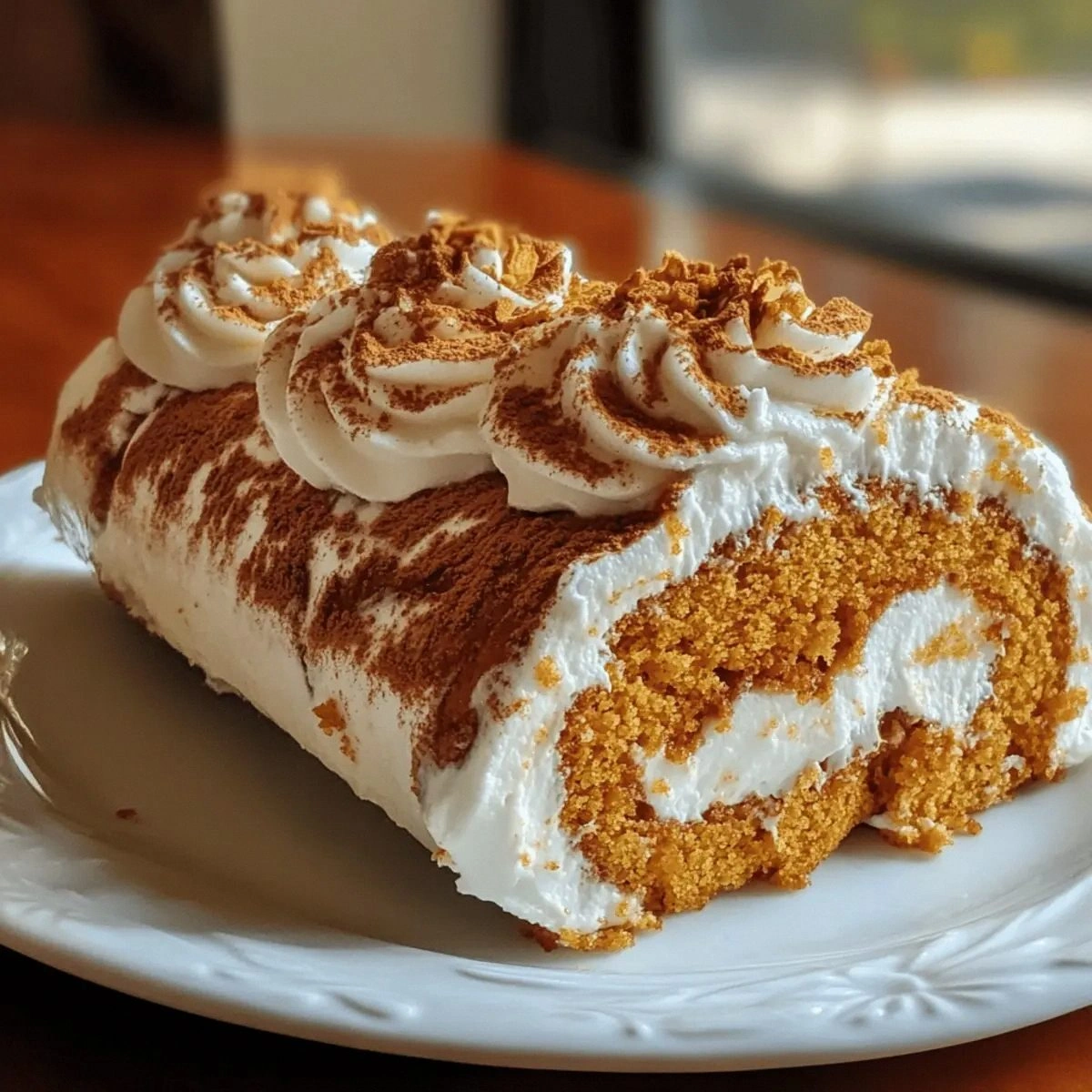
- Roll the cake tightly from the short side, using the parchment as a guide. Keep the roll firm but gentle; too much pressure can tear the sheet. The parchment helps the roll stay intact as you turn it.
- Wrap the rolled cake in plastic wrap and chill for at least 30 minutes. This step allows the cake to set and makes slicing easier. If you’re short on time, you can skip the wrap and slice immediately, but the cake will be less cohesive.
- Unwrap, slice, and dust each piece with powdered sugar. The powdered sugar glaze adds a subtle sweetness and a decorative finish. Serve immediately or store in an airtight container for up to 2 days.
That’s it — you did it. But hold on, I’ve got a few more tricks that’ll take this to another level. These insider tips will help you avoid common pitfalls and elevate the cake’s flavor profile to new heights.
Insider Tricks for Flawless Results
The Temperature Rule Nobody Follows
Most bakers bake pumpkin cakes at 350°F, but that can cause the cake to rise too quickly and crack. Lowering the temperature to 375°F creates a more even bake, keeping the cake tender. I’ve tested this on three different ovens, and the results are consistently smoother.
Why Your Nose Knows Best
When the cake starts to look done, trust your nose more than your watch. A warm, caramelized aroma signals that the cake is ready. If the scent is sharp or burnt, it’s overbaked.
The 5-Minute Rest That Changes Everything
After rolling, let the cake rest for 5 minutes before slicing. This allows the filling to set, preventing it from sliding off the slices. It also gives the cake time to firm up, making the slices cleaner.
The Pecan Perfection
Chop pecans finely for a subtle crunch that doesn’t overpower the cake. Toasting them lightly before adding them to the filling brings out their nutty flavor. If you prefer a softer texture, use walnuts or almonds instead.
The Sweet Spot of Sugar
Using powdered sugar for the glaze instead of granulated sugar creates a smoother finish. Powdered sugar dissolves quickly, leaving a silky coating. Sprinkle a thin layer to avoid a sugary crust.
Creative Twists and Variations
This recipe is a playground. Here are some of my favorite ways to switch things up:
Cranberry Crunch
Swap pecans for dried cranberries to add a tart contrast. The cranberries soften during baking, creating bursts of flavor. This variation is perfect for holiday tables where you want a festive touch.
Chocolate Swirl
Add a swirl of melted dark chocolate to the batter before baking. The chocolate creates a subtle, indulgent layer that pairs well with the pumpkin spices. Use a 70% cocoa bar for a balanced bitterness.
Maple Bacon Bites
Incorporate maple syrup into the batter and top the roll with crispy bacon bits. The sweet maple and savory bacon create a complex flavor profile. This version is ideal for brunch or a unique dessert.
Almond Joy
Replace the pecans with sliced almonds and drizzle a caramel sauce over the slices. The almonds add crunch, while the caramel adds a rich, buttery sweetness. This variation is a hit with chocolate lovers.
Spiced Tea Latte
Blend a teaspoon of chai spice into the batter and serve the slices with a warm latte. The chai’s cinnamon and cardamom complement the pumpkin, creating a comforting beverage pairing. This is a great way to extend the flavor into a full meal.
Storing and Bringing It Back to Life
Fridge Storage
Wrap the cake tightly in plastic wrap and store it in the refrigerator for up to 48 hours. The cake stays moist and the filling remains firm. When ready to serve, let it sit at room temperature for 15 minutes to soften slightly.
Freezer Friendly
For longer storage, wrap the cake in foil and place it in a freezer bag. It can be frozen for up to 3 months. Thaw overnight in the fridge, then let it sit at room temperature for 20 minutes before serving.
Best Reheating Method
To reheat, place slices on a baking sheet and warm in a preheated 350°F oven for 5 minutes. The cake will regain its warm, gooey center. Add a tiny splash of water before reheating to create steam, which keeps the cake moist and prevents it from drying out.