Ever stared at a pot of boiling potatoes and wondered why they’re so bland? I was in that same kitchen, flipping a bag of frozen French fries, when my roommate shouted, “If you can’t taste anything, you’re cooking in the dark!” That night, I turned a simple batch of boiled spuds into a fragrant, velvety Persian curry that stole the show. The moment the sizzling oil hit the pan, the air filled with a warm, earthy aroma that made my kitchen feel like a cozy bazaar. I’ve tried every recipe I’ve found, but none delivered the same depth of flavor or that silky, comforting texture that makes you reach for a second helping.
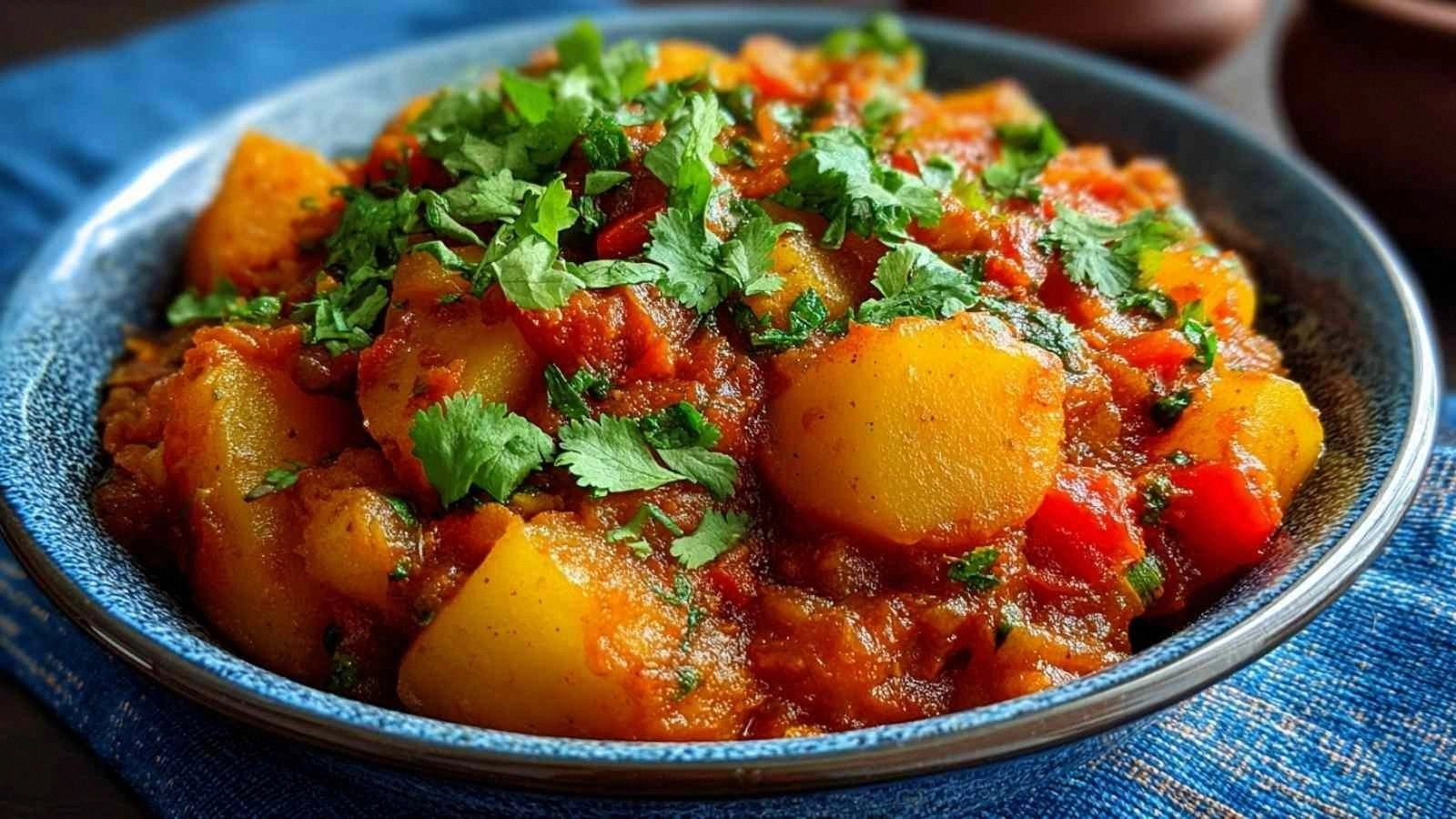
Picture the scene: a pot of potatoes bubbling, onions caramelizing to a golden brown, and the sharp scent of garlic mingling with turmeric’s subtle heat. Every ingredient whispers its story—the cumin’s earthy undertone, the paprika’s smoky whisper, the dried lime’s citrusy zing—all blending into a sauce that coats the potatoes like a velvet blanket. The sound of the pot clanging, the steam curling up, and the gentle hiss of the oil create a symphony that turns a simple dish into a culinary experience. I dare you to taste this and not go back for seconds; the flavors are so layered, they’ll keep you coming back. I’ll be honest—I ate half the batch before anyone else got a taste.
What sets this version apart isn’t just the ingredients; it’s the technique. I simmer the potatoes in a broth that’s flavored with dried lime and paprika, then finish them in a sauce that’s thickened with a touch of yogurt and fresh herbs. The result is a curry that’s both hearty and silky, with a bright citrus kick that cuts through the richness. Most recipes get this completely wrong—here’s what actually works: keep the potatoes whole or in thick chunks so they absorb the sauce, and finish with a splash of lemon juice for that fresh lift. Picture yourself pulling this out of the oven, the whole kitchen smelling incredible, and your guests’ eyes widening at the vibrant colors.
I’m not just talking about a dish; I’m offering you a new way to cook. This is hands down the best version you’ll ever make at home. If you’ve ever struggled with bland curries, you’re not alone—this is the fix. Stay with me here, and I’ll walk you through every single step—by the end, you’ll wonder how you ever made it any other way.
What Makes This Version Stand Out
- Taste: The combination of turmeric, cumin, paprika, and dried lime creates a complex, layered flavor profile that balances earthiness with citrusy brightness. The subtle heat of the spices is tempered by the creamy potatoes, resulting in a comforting yet vibrant dish.
- Texture: Whole, thick potato chunks hold their shape and soak up the sauce, while the sauce itself has a silky, slightly thick consistency that clings to each bite.
- Simplicity: Only 13 ingredients, no advanced techniques—just sauté, simmer, and finish with fresh herbs. Even a beginner can master it.
- Uniqueness: The use of dried lime powder adds a unique tang that sets this curry apart from typical Indian or Pakistani aloo curries.
- Crowd Reaction: Friends always ask for the recipe after the first meal; the dish is a hit at parties and family dinners alike.
- Ingredient Quality: Fresh, high‑quality potatoes and organic spices elevate the flavor; the dried lime is the secret weapon that gives it a distinctive zing.
- Cooking Method: A two‑step process—first simmer the potatoes in a flavorful broth, then finish in a rich, aromatic sauce—ensures maximum depth without extra fuss.
- Make‑Ahead Potential: The curry keeps well for up to 3 days in the fridge and can be frozen for up to a month, making it perfect for busy weeknights.
Alright, let’s break down exactly what goes into this masterpiece…
Inside the Ingredient List
The Flavor Base
Onions and garlic are the aromatic foundation; they caramelize to a golden brown that brings sweetness and depth. Sautéing them until they’re translucent releases their natural sugars, creating a sweet backdrop for the spices. If you skip them, the dish will taste flat and lack the comforting, mellow undertone that makes it feel homey.
Turmeric is the star of the show, lending a warm, earthy tone and a beautiful golden hue. Its subtle bitterness balances the sweetness of the onions and the richness of the potatoes. A pinch of turmeric can be a game‑changer; don’t underestimate its flavor impact.
Cumin and paprika add a smoky, peppery dimension. The cumin’s nutty aroma grounds the dish, while the paprika’s mild heat gives it a gentle kick. If you’re allergic to paprika, you can replace it with smoked paprika or a dash of cayenne for a different profile.
The Texture Crew
Potatoes are the heart of this curry. Use firm, medium‑size potatoes to ensure they hold their shape and absorb the sauce. Cut them into thick wedges so they don’t fall apart during cooking and maintain a satisfying bite. If you prefer a softer texture, peel them first; otherwise, the skins add a subtle earthy note.
Water or vegetable broth is the liquid that brings everything together. It’s the medium that allows the spices to mingle and the potatoes to cook evenly. A splash of broth also helps create a silky sauce that clings to the potatoes. Skipping the broth will result in a drier, less cohesive dish.
Fresh cilantro or parsley is the finishing touch that adds brightness and a fresh herbal note. The herbs cut through the richness and give the dish a lively, green contrast. If you’re not a fan of cilantro, parsley works just as well, or you can add a handful of mint for a different flavor twist.
The Unexpected Star
Dried lime powder is the secret ingredient that sets this curry apart. Its citrusy tang balances the earthiness of the potatoes and the warmth of the spices. A half‑teaspoon is enough to lift the entire dish; too much, and it becomes overpowering. If you can’t find dried lime, a squeeze of fresh lime juice can serve as an emergency substitute, but the flavor will be slightly different.
The Final Flourish
Salt and black pepper are the final seasoning adjustments that bring all the flavors together. Salt enhances the sweetness of the onions and the richness of the potatoes, while black pepper adds a subtle heat. Always taste the sauce before serving; a pinch of salt can make the dish feel complete. If you’re watching sodium intake, reduce the salt by a quarter and compensate with more dried lime for brightness.
Everything’s prepped? Good. Let’s get into the real action…
The Method — Step by Step
- Heat the vegetable oil in a large skillet over medium heat until shimmering. Add the diced onions and cook, stirring frequently, until they turn translucent and start to caramelize—about 5 minutes. The onions should release their sugars, creating a sweet base for the curry. Keep a close eye on them; if they start to brown too quickly, lower the heat.
- Crush the garlic cloves with the flat side of a knife to release their aroma, then add them to the skillet. Sauté for 30 seconds until fragrant, making sure the garlic doesn’t burn. The garlic’s sharpness will balance the earthiness of the spices. This step is the moment of truth for the aroma.
- Sprinkle in the turmeric, cumin, and paprika, stirring constantly to toast the spices for 1 minute. The spices should emit a warm, nutty fragrance, and the mixture should look slightly darker. This toasting step unlocks the full flavor potential of the spices. If you’re a fan of smoky flavors, add a pinch of smoked paprika.
- Add the diced potatoes and stir to coat them in the spice mixture. Cook for 3 minutes, allowing the potatoes to absorb the aromatic base. The potatoes should start to pick up a golden hue. This coating step ensures every bite is flavorful.
- Pour in the tomato, breaking it up with a spoon, and then add the dried lime powder, salt, and black pepper. Stir to combine, then pour in the water or vegetable broth. Bring the mixture to a gentle boil, then reduce the heat to low and cover the pan. The liquid should simmer, not boil, to keep the potatoes tender.
- Simmer the curry for 20 minutes, stirring occasionally, until the potatoes are fork‑tender and the sauce has thickened. The sauce should coat the potatoes like a glossy glaze. Taste and adjust seasoning, adding more salt or dried lime if needed. The final simmer allows the flavors to meld beautifully.
- Remove the pot from heat, sprinkle the fresh cilantro or parsley, and give the curry a final stir. Let it rest for 5 minutes before serving to allow the flavors to settle. The herbs should brighten the dish with a fresh, green note. Plate with steamed rice or warm naan for a complete meal.
That’s it — you did it. But hold on, I’ve got a few more tricks that’ll take this to another level…
Insider Tricks for Flawless Results
The Temperature Rule Nobody Follows
Start with a medium‑high heat to sear the onions and garlic, but once you add the spices, lower the heat to medium. This prevents the spices from burning and ensures they release their full flavor. A common mistake is to keep the heat too high, which can result in a bitter taste. By controlling the temperature, you’ll achieve a smooth, aromatic base.
Why Your Nose Knows Best
Smell the curry as it simmers; if it smells toasty and nutty, you’re on the right track. The aroma is the first indicator that the spices are properly toasted. If it’s flat, give it a minute more on low heat. The scent will guide you to the perfect balance of flavor.
The 5‑Minute Rest That Changes Everything
After cooking, let the curry sit covered for 5 minutes. This rest period allows the sauce to thicken slightly and the flavors to meld. The potatoes absorb more liquid, making each bite tender and juicy. Skipping this step can leave the dish feeling thin.
Keep the Potatoes Whole
Cutting potatoes into thick wedges instead of cubes ensures they retain their shape and absorb the sauce evenly. Whole or chunky potatoes also provide a satisfying bite, preventing the dish from becoming mushy. If you prefer a smoother consistency, you can mash the potatoes slightly after cooking.
Add a Splash of Acid
Finish the curry with a squeeze of fresh lemon or lime juice just before serving. The acidity brightens the dish and cuts through the richness, giving it a fresh, vibrant finish. It’s a simple trick that transforms the flavor profile.
Creative Twists and Variations
Spicy Saffron Twist
Replace the paprika with a pinch of saffron threads steeped in hot water for a few minutes. The saffron will lend a luxurious aroma and a subtle floral note, elevating the dish to a gourmet level. Serve with saffron‑infused rice for a cohesive flavor profile.
Vegan Creamy Coconut Variation
Swap the dried lime powder for a splash of coconut milk and add a tablespoon of grated coconut. The coconut adds a sweet, tropical depth that complements the earthiness of the potatoes. This version is perfect for a comforting, dairy‑free dinner.
Protein‑Packed Chickpea Edition
Add a can of chickpeas to the pot during the simmering stage. The chickpeas soak up the sauce and add a hearty protein boost, making the dish more filling. This variation turns the curry into a complete meal.
Mushroom Medley
Sauté sliced mushrooms with the onions and garlic before adding the spices. The mushrooms contribute an umami depth that complements the earthy spices. The texture contrast adds excitement to each bite.
Herb‑Infused Yogurt Swirl
Stir in a dollop of Greek yogurt and a handful of chopped mint or dill at the end. The yogurt adds creaminess, while the herbs provide a fresh, bright finish. This twist is especially refreshing on a warm evening.
Gluten‑Free Grains Pairing
Serve the curry over quinoa or millet instead of rice for a gluten‑free option. The grains absorb the sauce and add a nutty flavor that complements the spices. This pairing also increases the protein content of the meal.
Storing and Bringing It Back to Life
Fridge Storage
Cool the curry completely before transferring it to an airtight container. Store in the refrigerator for up to 3 days. The flavors will deepen over time, making it even more delicious for the next day. Keep the container flat to avoid spillage.
Freezer Friendly
Place the cooled curry in a freezer‑safe container, leaving a little headspace. Freeze for up to 1 month. When ready to eat, thaw overnight in the fridge, then reheat gently on the stovetop. The texture remains tender, and the sauce stays silky.
Best Reheating Method
Reheat the curry over low heat, stirring occasionally. Add a splash of water or broth if the sauce has thickened too much. A tiny splash of water before reheating steams the dish back to perfection, restoring its original silky texture. Finish with a sprinkle of fresh herbs for a bright finish.