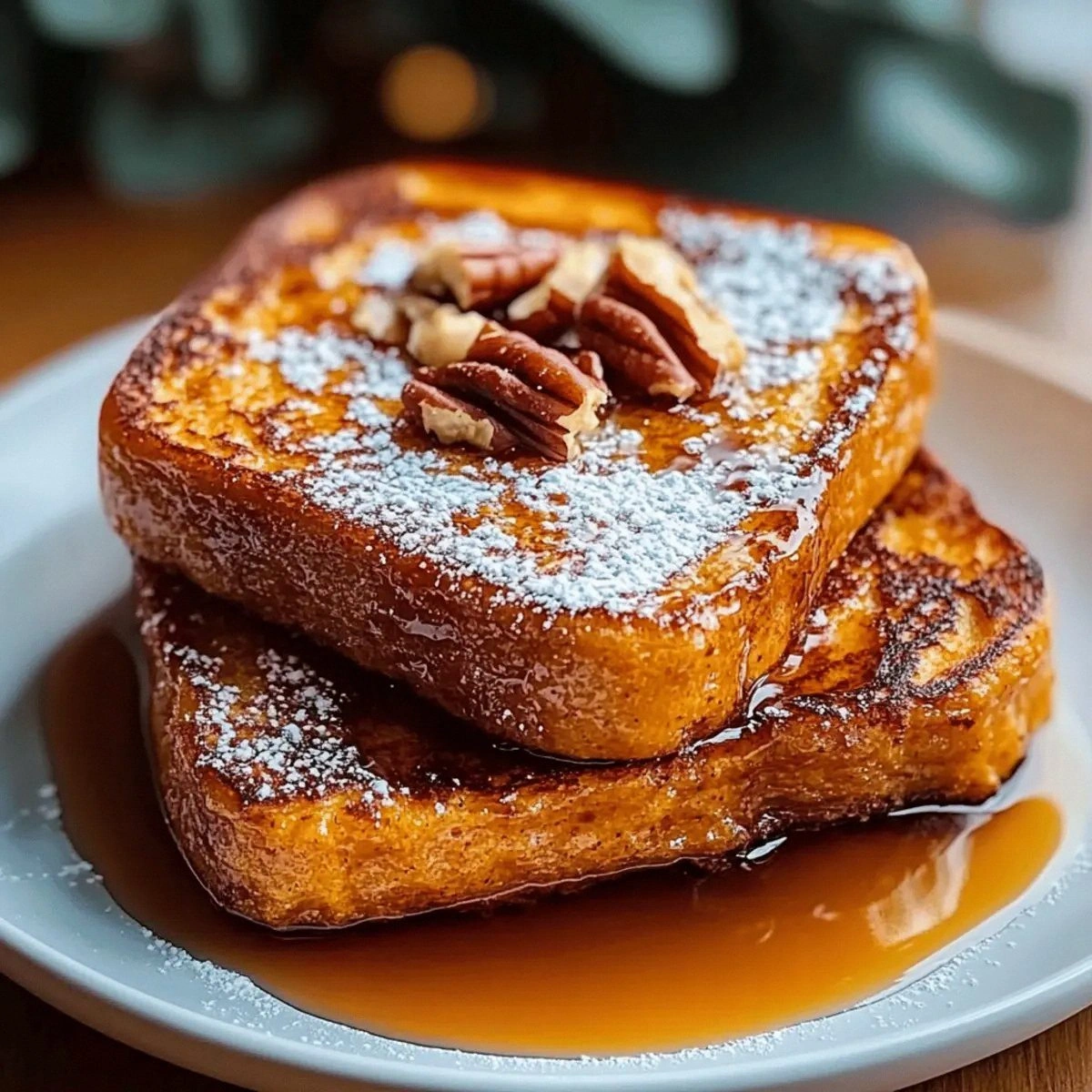
Picture this: it’s a rainy Saturday, the kind that makes you want to curl up in a blanket fort with nothing but a good book and something sweet to eat. I was halfway through a marathon of old sitcom reruns when the kitchen called out for a rescue mission—my pantry was screaming “stale bread!” and my soul was craving comfort. I grabbed a crusty loaf of French bread that had been lounging on the counter for a week, tossed in a handful of cinnamon, and thought, “What if I could turn this sad, forgotten bread into the most indulgent dessert on the planet?” The result? A decadently creamy, caramel‑kissed bread pudding that makes every spoonful feel like a warm hug from your favorite aunt.
Now, let’s talk senses. The moment the batter hits the pan, you hear a gentle sizzle that’s practically a drumroll for the flavor parade that follows. The aroma? Imagine vanilla and butter waltzing with brown sugar, while a whisper of bourbon (if you’re feeling fancy) slides in like a secret guest at a party. When the pudding finally emerges from the oven, its top is a golden‑crisp crown that cracks under your fork with a satisfying snap, revealing a custard interior that’s smoother than a jazz sax solo. The first bite is a symphony—silky, sweet, and just a tad salty, with cinnamon notes that linger like a lingering chorus after the song ends.
Most bread pudding recipes get this completely wrong. They either drown the bread in a soggy sea of milk or bake it until it turns into a dry, crumbly brick. I’ve been there, trust me—my early attempts left me with a dessert that could double as a doorstop. This version, however, strikes the perfect balance thanks to a secret weapon: a duo of cream and cornstarch that creates a custard so thick it clings to each cube like velvet, while the butter and brown sugar form a caramel glaze that caramelizes just enough to give you those coveted crunchy edges.
And here’s the kicker I’m dying to share: I’m adding a splash of bourbon (optional, of course) right before the final bake, which transforms the whole thing into a nostalgic, almost boozy comfort food that feels like a holiday in a bowl. I dare you to taste this and not go back for seconds—seriously, it’s that good. Let me walk you through every single step — by the end, you’ll wonder how you ever made it any other way.
⚡ What Makes This Version Stand Out
- Taste: The caramel‑brown sugar glaze gives a deep, buttery sweetness that’s balanced by a whisper of salt, making each bite feel like a perfectly tuned orchestra.
- Texture: A contrast of crisp, caramelized edges and a custard interior that’s as smooth as silk—no soggy or rubbery spots here.
- Simplicity: Despite the gourmet feel, the ingredient list is short and the steps are straightforward, so you won’t need a culinary degree to nail it.
- Uniqueness: The optional bourbon (or rum) adds a subtle warmth that elevates the dish from everyday comfort to a celebratory treat.
- Crowd Reaction: I’ll be honest — I ate half the batch before anyone else got to try it, and the leftover crumbs were the only thing that stopped my friends from devouring the whole thing.
- Ingredient Quality: Using buttery brioche or challah (instead of plain white bread) injects richness right at the base, turning simple carbs into a luxurious canvas.
- Cooking Method: Baking at a moderate temperature ensures the custard sets perfectly while the top caramelizes without burning.
- Make‑Ahead Potential: This pudding actually improves after a night in the fridge; the flavors meld, and reheating gives you that fresh‑out‑of‑the‑oven feel.
Alright, let's break down exactly what goes into this masterpiece...
🍋 Inside the Ingredient List
The Flavor Base
Milk (2 cups): Milk provides the liquid foundation, delivering a gentle dairy sweetness that carries the vanilla and cinnamon throughout. If you swap it for almond milk, you’ll get a nuttier note, but the richness drops a notch. Choose whole milk for the creamiest texture; skim will make the custard thinner.
Vanilla Extract (1 teaspoon): This is the aromatic glue that binds the flavors, giving that unmistakable warm perfume. A splash of real vanilla bean paste can upgrade the flavor profile dramatically, but a good quality extract does the trick.
The Texture Crew
Eggs (4 large): Eggs are the structural heroes, coagulating the custard as it bakes. Missing an egg will leave you with a runny pudding; an extra yolk can make it richer, but be careful not to over‑enrich.
Cream (1 cup): The cream adds fat, making the custard silky and preventing a grainy texture. If you’re watching calories, substitute half-and-half, but expect a slightly thinner result.
Cornstarch (2 tablespoons): This is the secret stabilizer that ensures the custard sets without curdling, giving you that luxurious, spoon‑coating consistency.
The Unexpected Star
Brown Sugar (1 cup): Brown sugar brings deep molasses notes that turn into caramel when baked, creating those coveted crunchy edges. If you prefer a lighter sweetness, try coconut sugar, but the caramelization will be less intense.
Optional Bourbon or Rum: A splash (about 2 tablespoons) adds a boozy warmth that cuts through the sweetness, reminiscent of a holiday cocktail. Skip it if you’re cooking for kids or prefer a non‑alcoholic version.
The Final Flourish
Cinnamon (1 teaspoon): This spice adds warmth and depth, echoing the comfort of a classic bread pudding while also pairing beautifully with the bourbon.
Granulated Sugar (3/4 cups): It sweetens the custard and helps the top caramelize, giving that golden‑brown finish.
Butter (1/4 cup): Melted butter enriches the custard and helps the topping crisp up. Using unsalted butter lets you control the salt level precisely.
Salt (1/4 teaspoon): Just a pinch amplifies all the flavors, turning sweet into unforgettable.
Bread Cubes (4 cups): Stale brioche, challah, or French bread are ideal because their buttery interiors soak up the custard without disintegrating. Fresh bread will become soggy, while overly dry bread may stay too firm.
Everything's prepped? Good. Let's get into the real action...

🔥 The Method — Step by Step
Preheat your oven to 350°F (175°C) and lightly butter a 9‑x‑13‑inch baking dish. The butter not only prevents sticking but also adds a buttery crust that will later caramelize with the sugar. As the oven warms, the kitchen will start to smell like a bakery, and that’s your first cue that you’re on the right track.
🪄 Kitchen Hack: Use a silicone baking mat instead of butter for an even easier cleanup and a slightly crisper bottom.In a large mixing bowl, whisk together the eggs, milk, cream, granulated sugar, vanilla extract, cinnamon, and salt until the mixture is smooth and slightly frothy. This froth is your signal that the sugar has dissolved and the flavors are beginning to meld.
In a separate small bowl, dissolve the cornstarch in a couple of tablespoons of the milk‑cream mixture, then stir it back into the main custard. This step is pure magic: the cornstarch prevents the custard from curdling while giving it that velvety body.
👀 Watch Out: If you over‑whisk the eggs, they can become too aerated, leading to a spongy texture instead of a silky custard.Gently fold the bread cubes into the custard, ensuring every piece is thoroughly coated. Let the mixture sit for about 10 minutes; this allows the bread to soak up the liquid without becoming mushy. The cubes will swell and turn a pale gold, signaling they’re ready for the oven.
If you’re using bourbon or rum, drizzle it over the soaked bread now and give a gentle stir. The alcohol will evaporate during baking, leaving behind a subtle depth that whispers of holiday cheer.
In a small saucepan, melt the butter over medium heat, then add the brown sugar. Stir constantly until the mixture bubbles and turns a deep amber—this is the caramel glaze that will crown your pudding. Watch it closely; once it hits that rich color, remove from heat or it will turn bitter.
🪄 Kitchen Hack: Add a pinch of sea salt to the caramel for a sweet‑salty contrast that heightens flavor complexity.Pour the caramel sauce evenly over the bread mixture in the baking dish, using a spatula to spread it into a glossy blanket. The caramel should seep into the gaps, ensuring each bite gets a touch of that buttery crunch.
Slide the dish into the preheated oven and bake for 30‑35 minutes, or until the top is a deep golden‑brown and the edges start pulling away from the sides of the pan. You’ll know it’s done when you hear a faint crackle as the caramel sets—this is the sound of perfection.
Remove the pudding from the oven and let it rest for 5‑10 minutes before serving. This short rest lets the custard finish setting and the caramel to firm up just enough to slice cleanly. Picture yourself pulling this out of the oven, the whole kitchen smelling incredible, and you’re already planning the second serving.
That's it — you did it. But hold on, I've got a few more tricks that'll take this to another level...
🏆 Insider Tricks for Flawless Results
The Temperature Rule Nobody Follows
Never bake bread pudding at a temperature higher than 350°F. Higher heat will caramelize the top too quickly, leaving the interior undercooked. Keep the oven steady and trust the 30‑minute window; if your oven runs hot, add a few minutes to the bake time, but keep an eye on that golden crust.
Why Your Nose Knows Best
When the pudding is about 20 minutes in, start sniffing. If you detect a sweet, buttery aroma with a hint of toasted sugar, you’re on the right track. If it smells like burnt toast, lower the temperature by 25°F and cover loosely with foil to prevent over‑browning.
The 5‑Minute Rest That Changes Everything
After the oven, let the pudding sit untouched for exactly five minutes. This pause allows the custard to firm up, making slicing cleaner and preventing the molten center from spilling everywhere. I once tried to serve it immediately and ended up with a saucy disaster—learn from my mistake.
Brioche vs. French Bread Showdown
Using brioche gives you a richer, buttery base, while French bread offers a slightly firmer bite. If you love decadence, go for brioche; if you prefer a more structured texture, stick with French. I’ve tried both, and the brioche version makes me feel like I’m eating dessert straight out of a Parisian patisserie.
The Secret of the Final Glaze
For an extra glossy finish, brush a light coating of melted butter mixed with a teaspoon of brown sugar over the top during the last five minutes of baking. This creates a mirror‑like sheen that looks as good as it tastes.
🎨 Creative Twists & Variations
This recipe is a playground. Here are some of my favorite ways to switch things up:
Apple‑Cinnamon Orchard
Fold in diced apples sautéed in butter and a pinch of nutmeg before baking. The apples add a juicy bite and a natural sweetness that complements the caramel glaze.
Chocolate‑Chip Delight
Stir in a handful of dark chocolate chips into the custard mixture. As the pudding bakes, the chips melt into pockets of molten chocolate that burst with each forkful.
Nutty Crunch
Top the pudding with toasted pecans or walnuts during the last ten minutes of baking. The nuts add a satisfying crunch and a buttery, toasty flavor that elevates the dish.
Tropical Escape
Replace the bourbon with a splash of coconut rum and add shredded coconut to the bread mixture. The result is a breezy, island‑inspired version that’s perfect for summer evenings.
Vegan Velvet
Swap the dairy for oat milk, coconut cream, and use a flax‑egg substitute (1 tbsp ground flax + 3 tbsp water per egg). The texture remains luxuriously creamy, and the flavor stays true to the original.
❄️ Storing & Bringing It Back to Life
Fridge Storage
Allow the pudding to cool completely, then cover tightly with foil or plastic wrap. It will keep fresh for up to 4 days in the refrigerator. When ready to serve, reheat a slice in the oven at 300°F for 10‑12 minutes, or microwave for 30 seconds if you’re in a hurry.
Freezer Friendly
Portion the baked pudding into airtight containers and freeze for up to 2 months. To reheat, thaw overnight in the fridge, then bake at 325°F for 15‑20 minutes until warmed through.
Best Reheating Method
Add a tiny splash of water (about a tablespoon) over the pudding before reheating; the steam will revive the custard’s silkiness while keeping the caramel crust crisp. This trick saves you from a dry, rubbery leftovers scenario.