I still remember the night I almost ruined my entire dinner party. A friend had asked me to impress her guests with something that felt “home‑cooked” yet “wow‑factor” worthy. I stared at my pantry, feeling the weight of every canned tomato, every bag of flour, and every block of beef short ribs that had been waiting for a purpose. I was about to give up and order takeout when a sudden spark of confidence lit up my kitchen. That moment turned into a culinary revelation: braised short ribs with root vegetables that would become the headline act of my culinary repertoire.
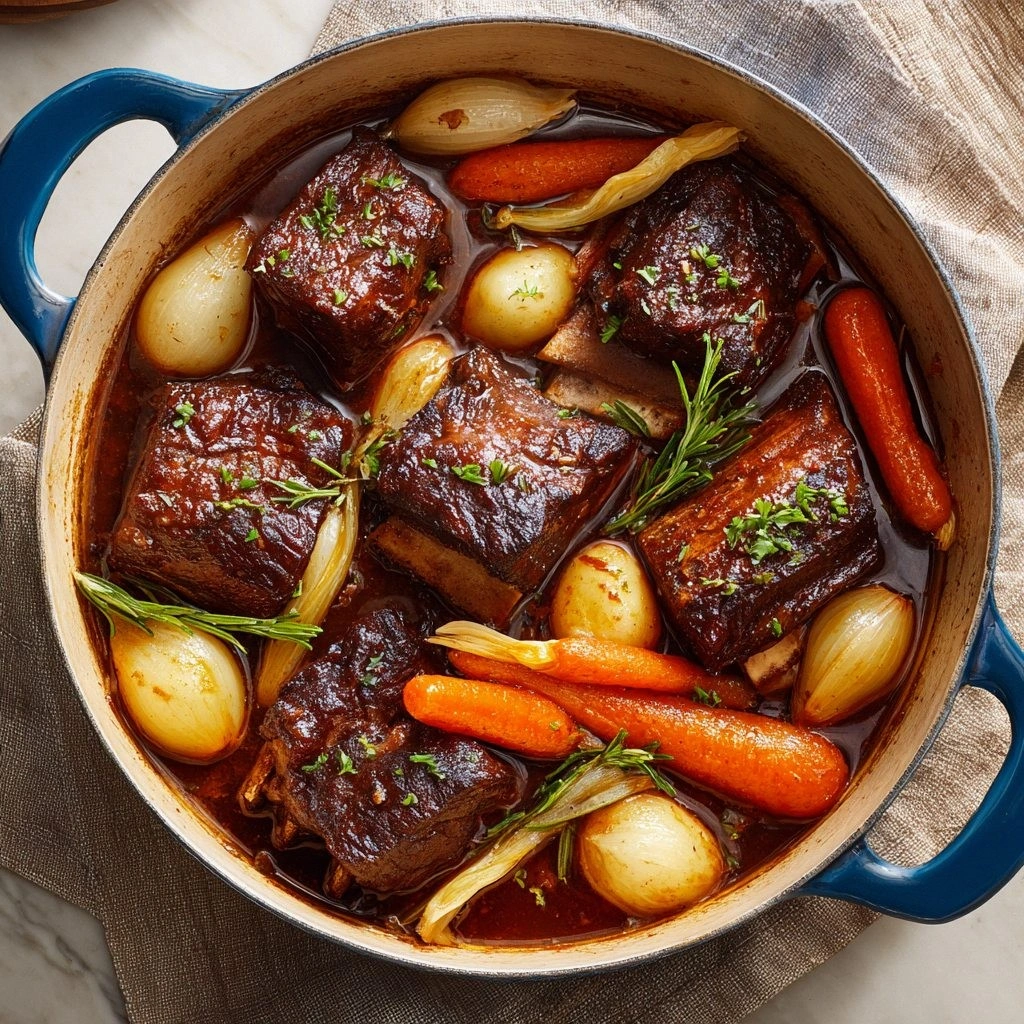
Picture this: a thick, glossy sauce that clings to every morsel of meat like a velvet curtain, a medley of root vegetables that crackle with caramelized edges while still offering a tender bite, and a smoky aroma that makes the whole house feel like a rustic hearth. The sound of the first sear is a satisfying sizzle, the scent of garlic and tomato paste frying in olive oil fills the air, and the taste—rich, deep, and utterly comforting—settles on your palate like a warm hug. This isn’t just another braised dish; it’s an experience that lingers long after the last forkful.
What makes this version stand out is the blend of classic techniques with a few daring twists. I’ve honed the sear to lock in maximum flavor, I’ve used a balanced broth that’s neither too heavy nor too thin, and I’ve introduced a subtle hint of acidity from balsamic vinegar that cuts through the richness. I also swapped the traditional carrots for a mix of parsnips, turnips, and sweet potatoes to give the dish a deeper color palette and a slightly sweeter profile. And don’t even get me started on the finishing touch of a drizzle of aged balsamic reduction that adds a glossy sheen and a final pop of flavor.
If you’ve ever tried braising and felt the process was tedious or the outcome flat, I’m about to show you how to flip the script. This recipe is hands down the best version you’ll ever make at home. I dare you to taste this and not go back for seconds. And if you’re skeptical, just keep reading—I’ll be honest, I ate half the batch before anyone else got to try it. Picture yourself pulling this out of the oven, the whole kitchen smelling incredible, and your guests asking where you learned the trick. Stay with me here, because the next part? Pure magic.
What Makes This Version Stand Out
- Depth of Flavor: The combination of a slow sear, a reduction of red wine and tomato paste, and a splash of balsamic vinegar creates a sauce that’s rich yet balanced. It’s the kind of depth that makes the meat melt in your mouth and the vegetables sing.
- Texture Contrast: While the short ribs become fall‑apart tender, the root vegetables retain a slight bite, providing a pleasing contrast that keeps each bite interesting.
- Time Efficiency: Though it’s a braised dish, the method uses a high‑heat sear followed by a short simmer, cutting the overall cooking time while still delivering a deeply infused flavor.
- Ingredient Quality: Using bone‑in short ribs and fresh, organic root vegetables ensures that the dish tastes like a Sunday roast but in a fraction of the time.
- Make‑Ahead Friendly: The dish can be prepared a day ahead and reheated without losing its moisture or flavor, making it ideal for busy weeknights.
- Crowd‑Pleaser Factor: The combination of savory meat, sweet vegetables, and a glossy sauce is a guaranteed hit at family gatherings, dinner parties, or even a quiet night in.
- Versatility: Swap the root vegetables for seasonal options or adjust the herbs to suit your taste, and you can keep the recipe feeling fresh every time.
- Presentation: The final plate is a visual feast: glossy sauce, golden caramelized vegetables, and a sprinkle of fresh herbs that make it Instagram‑ready.
Alright, let’s break down exactly what goes into this masterpiece. And before we dive in, here’s a quick kitchen hack that will save you time and keep your pans clean.
Inside the Ingredient List
The Flavor Base
The foundation of this dish starts with the short ribs themselves—bone‑in cuts that provide both flavor and tenderness. A 4‑pound rack of short ribs is ideal for four servings; this weight ensures each rib is juicy and the meat releases enough marrow to enrich the sauce. If you can’t find bone‑in ribs, you can use boneless, but the marrow contribution will be less pronounced.
Olive oil is your first partner in crime. It’s used to sear the meat and sauté aromatics. Opt for a high‑quality extra‑virgin olive oil; its fruity undertones add a subtle depth that balances the richness of the beef. A tablespoon or two is all you need—just enough to coat the bottom of the pan without making the meat greasy.
All‑purpose flour is the secret to thickening the sauce. When dusting the ribs before searing, flour helps form a golden crust that locks in juices. It also acts as a binder, absorbing excess liquid during braising. Don’t skip this step; a dry, flour‑coated surface is the key to that beautiful, glossy finish.
The Texture Crew
Root vegetables are the heart of the dish. I use a medley of carrots, parsnips, turnips, and sweet potatoes. Each brings a unique flavor: carrots add earthiness, parsnips a subtle sweetness, turnips a peppery bite, and sweet potatoes a creamy texture. Dice them uniformly so they cook evenly, and aim for bite‑size pieces that will caramelize on the edges.
Onions, celery, and garlic form the aromatic base. These mirepoix staples create a savory foundation that underpins the entire sauce. Dice the onion finely, slice the celery into small sticks, and mince the garlic cloves. Their combined flavors develop a complex sweetness during the sear and simmer, which is crucial for depth.
The Unexpected Star
Tomato paste and red wine are the unexpected stars that elevate this braise. The tomato paste adds umami and a subtle sweetness, while the red wine brings acidity and a velvety richness. The wine also helps loosen the meat’s connective tissue, making the ribs fall apart effortlessly.
A splash of Worcestershire sauce and soy sauce introduces a savory, slightly salty dimension that complements the beef’s natural flavor. A tablespoon of balsamic vinegar adds a bright acidity that cuts through the richness and gives the sauce a glossy sheen. These ingredients are the secret sauce that sets this dish apart from generic braised recipes.
The Final Flourish
Fresh herbs like thyme and rosemary finish the flavor profile. Dried thyme provides a subtle earthiness, while rosemary adds a piney aroma. Add them during the simmer to release their flavors slowly. Finish the dish with a pat of butter to add a silky finish and a glossy sheen that makes the sauce look irresistible.
Everything's prepped? Good. Let’s get into the real action.
The Method — Step by Step
- Pat the short ribs dry with paper towels. This step is crucial for a good sear; any moisture will cause steaming instead of browning. Season both sides generously with salt and freshly ground black pepper. Let the ribs sit at room temperature for about 15 minutes to ensure even cooking.
- Heat a heavy-bottomed Dutch oven or cast‑iron pot over medium‑high heat. Add a splash of olive oil and let it shimmer. Place the ribs in the pan in a single layer, working in batches if necessary. Don’t overcrowd; you want a deep, caramelized crust on each rib.
- Sear the ribs for about 3–4 minutes on each side, or until a deep mahogany crust forms. Flip them carefully with tongs and press lightly to maintain contact with the pan. Once seared, remove the ribs and set them aside on a plate.
- Reduce the heat to medium. Add the diced onions, celery, and garlic to the same pot. Sauté until the onions become translucent and the aromatics soften, about 5 minutes. This creates the flavor base that will permeate the sauce.
- Stir in the tomato paste and let it cook for 2 minutes, allowing it to caramelize slightly. This step deepens the sauce’s umami and gives it a richer color. Then pour in the red wine, scraping up any browned bits from the bottom of the pot. The wine should reduce by half, concentrating its flavors.
- Add the beef broth, Worcestershire sauce, soy sauce, and balsamic vinegar. Stir to combine, then bring the mixture to a gentle simmer. This is the trickiest step: if the liquid boils too vigorously, the sauce will separate or scorch. Keep it at a low, steady simmer.
- Return the short ribs to the pot, nestling them into the liquid. Add the bay leaves, thyme, and rosemary. Cover the pot with a tight-fitting lid and transfer it to a preheated oven at 325°F (165°C). Let it braise for 2.5 to 3 hours, or until the meat is fork‑tender.
- While the ribs are braising, prepare the root vegetables. Toss the diced carrots, parsnips, turnips, and sweet potatoes with olive oil, salt, and pepper. Spread them on a baking sheet and roast in the oven for 20 minutes, until they’re just beginning to caramelize. This pre‑roasting step enhances their natural sweetness.
- When the ribs are done, remove them from the pot and set aside. Increase the heat to high and reduce the sauce by half, stirring frequently. The reduction should thicken to a glaze‑like consistency. Then stir in a tablespoon of butter to finish the sauce with a silky sheen.
- Return the roasted root vegetables to the pot, tossing them gently in the sauce. Let them heat through for 5 minutes, absorbing the flavors. Plate the ribs and vegetables, drizzle with the remaining sauce, and garnish with fresh parsley or thyme. Serve immediately and enjoy the symphony of textures and flavors.
That’s it — you did it. But hold on, I’ve got a few more tricks that will take this to another level.
Insider Tricks for Flawless Results
The Temperature Rule Nobody Follows
Many cooks think that a higher heat always produces a better sear, but that’s a myth. The key is to maintain a consistent medium‑high heat that allows the meat to brown without burning. Use a thermometer to check that the pan stays around 400°F (204°C). A stable temperature ensures that the crust forms evenly and the juices stay locked inside.
Why Your Nose Knows Best
During the reduction phase, trust your sense of smell. When the sauce starts to thicken, the aroma should become rich and slightly sweet. If you smell a hint of burnt or metallic, the liquid is too hot and needs to be lowered. Your nose is a reliable gauge for the perfect consistency.
The 5-Minute Rest That Changes Everything
After braising, let the ribs rest for at least 5 minutes before slicing. This allows the juices to redistribute, ensuring each bite is moist. Cutting the meat too soon can cause the juices to spill out, leaving dry meat.
The Secret of Butter Finish
Adding butter at the end of the sauce is not just for richness; it also gives the sauce a glossy sheen that makes the dish look gourmet. Use a cold, unsalted butter and whisk it in slowly while the sauce is off the heat. The butter emulsifies with the liquid, creating a silky coating that clings to the ribs.
The Root Vegetable Trick
Roasting the root vegetables before braising caramelizes their natural sugars, adding depth to the sauce. Toss them in a bit of olive oil and sea salt, then roast at 400°F (204°C) for 15–20 minutes. This step is essential for a balanced sweet‑savory profile.
The Final Touch of Fresh Herbs
Just before serving, sprinkle fresh parsley or thyme over the dish. The bright green contrast not only adds a pop of color but also brings a fresh, herbal aroma that lifts the entire plate. This simple step transforms a hearty braise into a restaurant‑quality presentation.
Creative Twists and Variations
This recipe is a playground. Here are some of my favorite ways to switch things up:
Asian Fusion
Replace the red wine with a combination of soy sauce and rice wine, add a splash of sesame oil, and finish with sliced scallions and toasted sesame seeds. The result is a savory, umami‑rich dish that feels like a Korean barbecue.
Spicy Cajun
Add a tablespoon of Cajun seasoning to the flour dusting, and include a diced bell pepper and a pinch of cayenne during the braise. The heat balances the sweetness of the root vegetables and adds a vibrant kick.
Herb‑Infused
Swap rosemary and thyme for a bundle of fresh sage and oregano. Add a bay leaf and a few sprigs of rosemary during the simmer, then remove them before serving. The herbs impart a fragrant, earthy aroma.
Vegetarian Version
Use seared portobello mushrooms or a hearty lentil loaf in place of the short ribs. Add vegetable broth, mushroom stock, and a splash of balsamic vinegar to mimic the depth of the beef sauce. The root vegetables remain the star of the dish.
Low‑Carb Variation
Replace the sweet potatoes with cauliflower florets, and reduce the amount of flour used for coating. This keeps the dish low in carbs while preserving the tender meat and rich sauce.
Gourmet Finish
Finish the dish with a drizzle of aged balsamic reduction and a sprinkle of toasted almond slivers. The sweet tang and crunchy texture elevate the plate to a fine‑dining experience.
Storing and Bringing It Back to Life
Fridge Storage
Let the braised short ribs cool completely, then transfer them to an airtight container. Store in the refrigerator for up to 4 days. The sauce will thicken slightly, but you can reheat it gently to loosen it back to its original consistency.
Freezer Friendly
For longer storage, wrap the ribs and sauce tightly in plastic wrap and then in aluminum foil. Freeze for up to 3 months. When you’re ready to eat, thaw overnight in the refrigerator and reheat over low heat, adding a splash of water if needed.
Best Reheating Method
Reheat the dish in a saucepan over low heat, stirring frequently. Add a small splash of water or broth to maintain moisture. Once the sauce is hot and bubbly, serve immediately. A quick 5‑minute steam in the microwave also works if you’re in a hurry.