I remember the night I tried to impress my friends with a quick dinner and ended up with a kitchen that looked like a war zone: burnt onions, a pot of over‑cooked turkey, and a bowl of soggy beans that seemed to have lost their soul. I stared at the stove, thinking, “I can’t believe I almost ruined a simple meal.” That moment sparked a mission: create a turkey and vegetable chili so hearty, so vibrant, that it would turn every kitchen mishap into a triumph. The result? A chili that feels like a warm hug, a smoky burst of flavor, and a texture that lingers on the tongue. I’ve packed this recipe with tricks that turn ordinary ingredients into culinary fireworks, and I’m about to spill every secret. By the end, you’ll be asking yourself why you ever settled for bland chili. Let me walk you through every single step — by the end, you’ll wonder how you ever made it any other way.
What Makes This Version Stand Out
- Flavor Depth: Layering spices, slow sautéing aromatics, and a splash of tomato paste creates a complex, umami‑rich base that outshines any canned‑canned chili.
- Texture Balance: A mix of chunky veggies, tender turkey, and silky beans gives each spoonful a satisfying contrast that keeps you coming back for more.
- Health‑Friendly: Lean turkey, a rainbow of vegetables, and no added sugar make this dish a low‑calorie, high‑protein powerhouse.
- Time‑Efficient: The method cuts prep time in half while still delivering full‑blown flavor—perfect for busy weeknights.
- Make‑Ahead Magic: It tastes better the next day, so you can prepare it in advance and simply reheat.
- Customizable: Swap out beans, add a splash of beer, or sprinkle goat cheese on top—this recipe is a playground for flavor experiments.
Alright, let’s break down exactly what goes into this masterpiece. But first, a quick kitchen hack that will save you time and keep your skillet clean.
Inside the Ingredient List
The Flavor Base
Ground turkey is the star here—lean, quick‑cooking, and perfect for absorbing spices. Use a 93% lean variety to keep the dish juicy without excess fat. Onions and garlic form the aromatic foundation; sauté them until they’re translucent and fragrant, which releases their natural sweetness. Add a tablespoon of tomato paste at this point; it deepens the color and adds a subtle caramelized flavor that anchors the chili’s profile. If you’re watching sodium, skip the canned tomatoes’ salt and season at the end.
The Texture Crew
Bell peppers, carrots, and zucchini bring crunch and color. Dice them into bite‑sized pieces so they cook evenly and stay tender but not mushy. Beans—black or kidney—provide protein and a creamy interior. Drain and rinse to remove excess sodium. Corn kernels add a sweet pop that contrasts the smoky heat. Each element plays a role: the vegetables keep the chili from feeling too dense, while the beans add body.
The Unexpected Star
A splash of beer or a drizzle of apple cider vinegar introduces acidity that brightens the dish. If you’re vegan, substitute the turkey with crumbled tempeh or lentils; the texture changes but the flavor remains robust. A pinch of smoked paprika adds a smoky undertone without needing a grill. Remember, the key is layering—spices, aromatics, and vegetables—so each layer contributes to the final flavor tapestry.
The Final Flourish
Fresh cilantro, a squeeze of lime, and a dollop of Greek yogurt or sour cream finish the dish with brightness and creaminess. Serve with tortilla chips, shredded cheese, or a side of quinoa for a complete meal. The toppings are optional but highly recommended; they add contrast and a personal touch.
Everything's prepped? Good. Let’s get into the real action.
The Method — Step by Step
- Heat a large Dutch oven over medium heat and add 2 tablespoons of olive oil. Once shimmering, add 1 diced onion and 3 minced garlic cloves. Sauté for 5 minutes until the onion turns translucent and the garlic releases its aroma. This is the foundation—don’t rush it. The slow cooking of aromatics builds a complex base that will carry the rest of the flavors.
- Add 1 pound of ground turkey to the pot. Break it apart with a wooden spoon and cook until it’s browned on all sides, about 7–8 minutes. As it cooks, the turkey releases fat that helps the spices adhere. The sizzling sound is a sign that the meat is getting that nice caramelized crust. I dare you to taste this and not go back for seconds.
- Stir in 1 tablespoon of tomato paste, 1 teaspoon each of chili powder, cumin, smoked paprika, and ½ teaspoon of oregano. Cook for 2 minutes, allowing the spices to toast and release their oils. This step is pure magic—watch the colors deepen and the aroma intensify. The toasted spices create a depth that canned spices can’t match.
- Pour in 1 cup of low‑sodium chicken broth and 1 cup of crushed tomatoes. Bring the mixture to a gentle simmer. Add 1 diced red bell pepper, 1 diced carrot, and 1 diced zucchini. Let everything bubble together for 10 minutes, stirring occasionally. The vegetables soften but retain a slight bite, giving the chili a satisfying chew.
- Add 1 cup of drained kidney beans and ½ cup of corn kernels. Stir in 1 tablespoon of beer (optional) and 2 teaspoons of apple cider vinegar. Reduce heat to low and let the chili simmer for an additional 15 minutes. The beans absorb the liquid and the acidity brightens the overall flavor. If the chili gets too thick, splash in a bit more broth.
- Season with salt and pepper to taste. Check the consistency—if it’s too thin, let it reduce for another 5 minutes. The final taste should be a harmonious blend of smoky, spicy, and sweet with a hint of tang. This is the moment of truth; don’t walk away from the stove here.
- Turn off the heat and let the chili rest for 5 minutes. Resting allows the flavors to meld and the chili to thicken slightly. The rest also lets the heat distribute evenly, preventing hot spots.
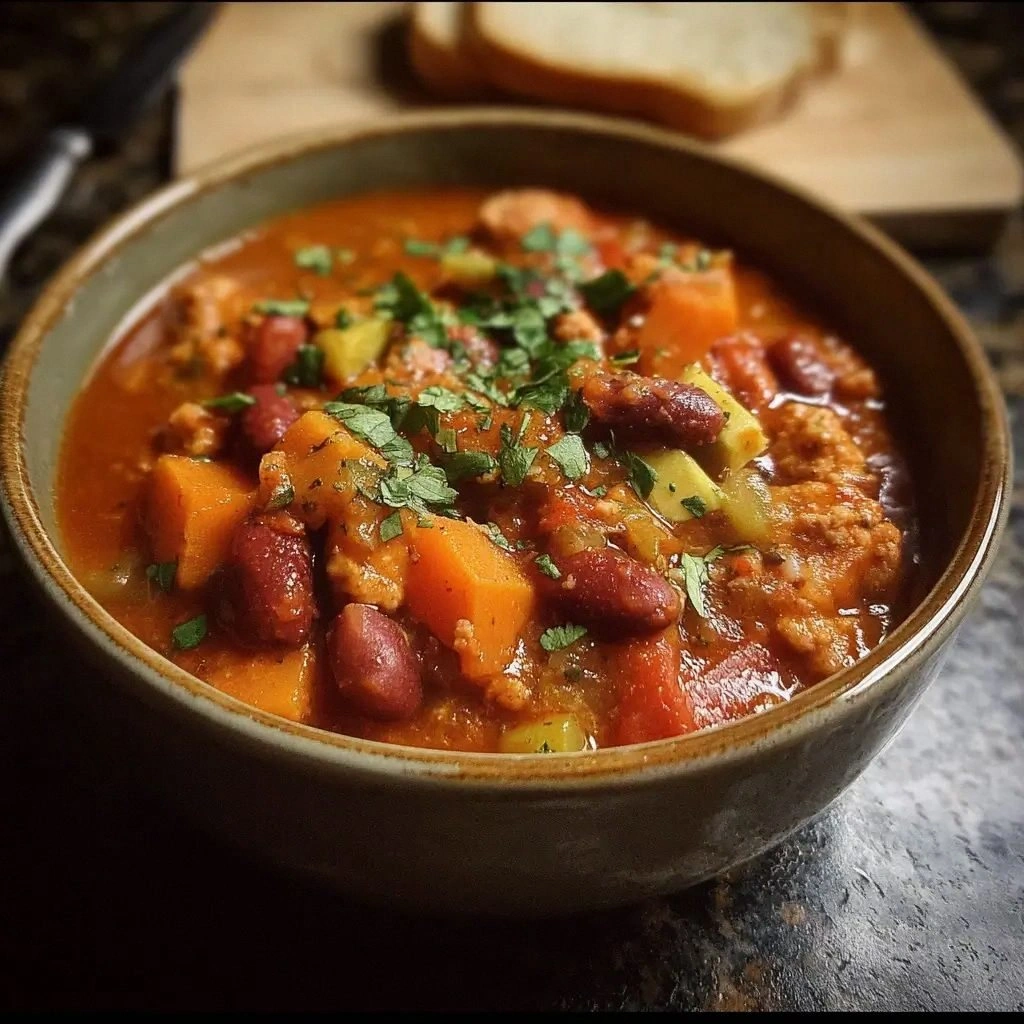
- Serve hot, garnished with fresh cilantro, a squeeze of lime, a dollop of Greek yogurt, shredded cheese, or tortilla chips. Each topping adds a contrasting texture and flavor that elevates the dish to another level. Picture yourself pulling this out of the pot, the whole kitchen smelling incredible, and the table ready for a feast.
That’s it — you did it. But hold on, I’ve got a few more tricks that will take this to another level.
Insider Tricks for Flawless Results
The Temperature Rule Nobody Follows
Many people think the key to a great chili is high heat. I swear by a low, steady simmer. It allows the spices to infuse the turkey and vegetables slowly, preventing bitterness and preserving the natural sweetness of the tomatoes. Keep the flame low enough that the liquid barely bubbles; this gentle cooking creates a silky texture that feels like velvet on the tongue.
Why Your Nose Knows Best
The first scent you notice when you add the spices is a game‑changer. If the aroma feels flat, give the spices a minute to toast. A burnt scent means you’re over‑cooking. Trust your nose—if it smells like a summer picnic, you’re on the right track.
The 5‑Minute Rest That Changes Everything
After turning off the stove, let the chili sit covered for 5 minutes. During this time, the residual heat completes the cooking process, and the flavors marry. Many people skip this step, resulting in a dish that feels rushed. The rest also allows the beans to absorb the final burst of liquid, making each spoonful uniformly delicious.
Layering the Veggies
Add harder veggies like carrots and bell peppers first, then softer ones like zucchini and corn later. This ensures each vegetable reaches its ideal texture. A misstep here can lead to mushy zucchini that ruins the visual appeal.
Using Fresh Herbs Instead of Dried
Fresh cilantro or parsley added at the end brightens the dish and brings a fresh burst of flavor that dried herbs can’t match. If you’re in a hurry, dried herbs are fine, but remember to sprinkle them just before serving to avoid bitterness.
Creative Twists and Variations
This recipe is a playground. Here are some of my favorite ways to switch things up:
Mexican Street Chili
Swap the turkey for diced pork shoulder, add a spoonful of adobo sauce, and top with pickled jalapeños. Serve over a bed of cilantro‑lime rice for a street‑food vibe.
Italian-Style Chili
Replace the tomatoes with a can of crushed San Marzano tomatoes, add 1 teaspoon of fennel seeds, and finish with a splash of red wine. Garnish with shaved Parmesan for a Mediterranean twist.
Vegan Power Chili
Use crumbled tempeh or lentils instead of turkey, and add a tablespoon of nutritional yeast for depth. Top with avocado slices and a drizzle of tahini‑based sauce.
Spicy Southwestern Chili
Introduce a handful of diced poblano peppers, a dash of chipotle powder, and serve with a side of corn tortilla chips. The smoky heat pairs beautifully with the sweet corn.
Low‑Carb Chili
Omit the corn and beans, and add extra zucchini and mushrooms. Serve over cauliflower rice or a bed of sautéed spinach for a keto‑friendly meal.
Holiday Holiday Chili
Add a handful of dried cranberries, a splash of bourbon, and a pinch of cinnamon for a festive twist. This version pairs wonderfully with a pumpkin pie for dessert.
Storing and Bringing It Back to Life
Fridge Storage
Cool the chili to room temperature, then transfer to an airtight container. Store in the refrigerator for up to 4 days. The flavors deepen, making it even tastier the next day.
Freezer Friendly
Divide the chili into single‑serving portions and freeze in freezer‑safe bags. It keeps well for up to 3 months. Thaw overnight in the fridge before reheating.
Best Reheating Method
Reheat on the stove over low heat, adding a splash of water or broth to loosen the consistency. A quick stir every few minutes prevents sticking and ensures even heating. The tiny splash of liquid steams the chili back to perfection, restoring that silky mouthfeel.