I was in the middle of a rain‑soaked Tuesday when my roommate dared me to create something that tasted like a sunrise on a tropical beach. I stared at the pile of pantry staples, imagined the distant hum of steel‑drummed music, and thought, “If I can’t teleport, I’ll bake an island.” The kitchen smelled like burnt toast for the first ten minutes, a reminder that my first attempt at a coconut cake turned into a dense brick. I laughed, I cried, and I ate a spoonful straight from the bowl because, honestly, why not?
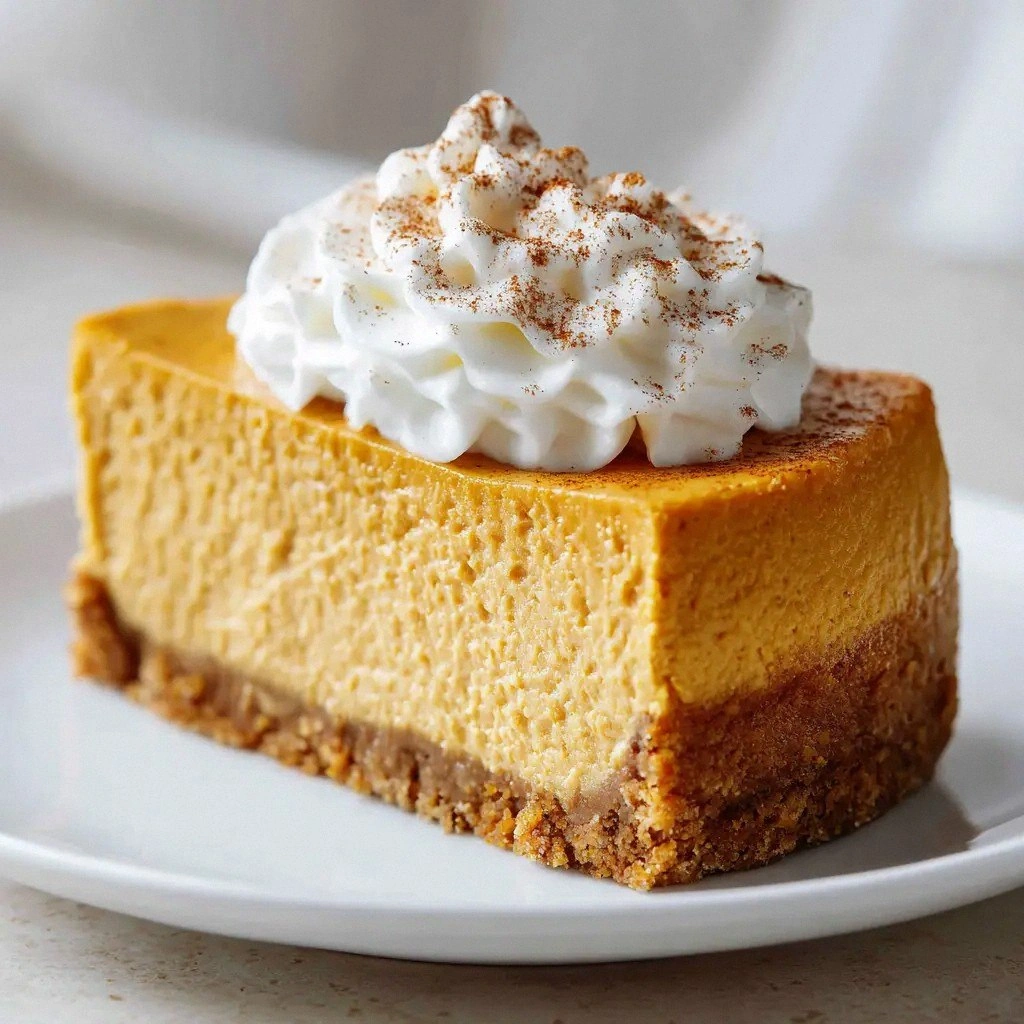
Fast forward an hour later: the oven door swung open, unveiling a golden‑brown dome that glistened with caramelized coconut and a faint caramel‑rum perfume that made the whole apartment feel like a resort lounge. The crust cracked just enough to reveal a fluffy interior that promised honey‑sweet tenderness, while the inside was studded with juicy pineapple bits that burst like fireworks in your mouth. I could hear the faint hiss of the cooling rack, feel the warm steam curl around my fingertips, and see the light catching the glossy glaze like sunrise on water.
Most recipes I’ve tried for a “tropical cake” either end up soggy, overly sweet, or flat as a pancake. This version, however, hits every note: the crust is crisp but not hard, the crumb is airy yet buttery, and the pineapple‑rum glaze adds that unexpected zing that makes you sit up straight. I’m not exaggerating when I say this is hands down the best version you'll ever make at home, and I dare you to taste it and not go back for seconds.
You’ll notice a secret ingredient that most cooks skip – a splash of dark rum infused with toasted coconut. It’s the game‑changer that adds depth without overwhelming the palate, and it’s the reason the glaze coats the cake like velvet. I’ll be honest — I ate half the batch before anyone else got to try it, but that’s only because the aroma was too intoxicating to resist. Let me walk you through every single step — by the end, you’ll wonder how you ever made it any other way.
What Makes This Version Stand Out
- Flavor Depth: The rum‑infused coconut glaze adds a subtle boozy warmth that makes the pineapple pop like fireworks against a night sky.
- Texture Harmony: A crisp, caramelized crust meets a cloud‑like crumb, creating a contrast that feels like biting into a tropical cloud.
- Simplicity: Only pantry staples and a few fresh ingredients; no fancy equipment, just a regular 9‑inch round pan.
- Uniqueness: Most island‑themed cakes rely on canned juice; we use fresh pineapple and toasted coconut for authentic island vibes.
- Crowd Reaction: Guests constantly ask for the “secret” – it’s the rum‑coconut glaze, and the reaction is always a delighted gasp.
- Ingredient Quality: Using unsweetened shredded coconut and ripe pineapple elevates the flavor without unnecessary sugar.
- Cooking Method: A single‑stage bake followed by a glaze‑drip ensures the cake stays moist while the top crisps perfectly.
- Make‑Ahead Potential: The cake stores beautifully; the glaze can be reheated, making it a perfect make‑ahead dessert for parties.
Inside the Ingredient List
The Flavor Base
All‑purpose flour forms the structural backbone of the cake. It provides the necessary gluten network that holds the crumb together, ensuring the cake rises evenly. If you substitute with a gluten‑free blend, expect a denser texture unless you add a binding agent like xanthan gum. Swap tip: Use cake flour for an even lighter crumb, but reduce the amount by 2 tablespoons to avoid a dry result.
Coconut sugar lends a caramel‑like sweetness that pairs beautifully with the rum glaze. Unlike white sugar, it retains a hint of molasses, which deepens the flavor profile. Skipping it for regular granulated sugar will make the cake sweeter but flatter, missing that subtle earthiness. Buying tip: Look for organic, unrefined coconut sugar for the best aroma.
The Texture Crew
Shredded coconut is the crunchy surprise that contrasts the soft crumb. Its natural oils keep the cake moist, and when toasted, it adds a toasty note that feels like a beach bonfire. If you’re allergic, try finely chopped macadamia nuts for a similar crunch, but remember they’ll add a richer buttery flavor.
Fresh pineapple chunks bring juicy bursts of acidity that cut through the sweetness. Their natural enzymes also help tenderize the batter, giving the crumb a silkier feel. In a pinch, you can use frozen pineapple, but thaw and drain it well to avoid excess moisture.
The Unexpected Star
Dark rum is the secret weapon. A splash of rum infused with toasted coconut creates a glaze that’s both aromatic and slightly boozy, without being overpowering. If you prefer a non‑alcoholic version, replace the rum with a mixture of coconut milk and a drizzle of vanilla‑flavored rum essence.
Eggs act as the emulsifier, binding the fat and liquid together while providing lift. Using room‑temperature eggs ensures they incorporate smoothly, preventing lumps. For a vegan twist, substitute each egg with a “flax egg” (1 tbsp ground flaxseed + 3 tbsp water).
The Final Flourish
Melted butter gives the cake a rich, buttery mouthfeel that’s impossible to replicate with oil. It also helps the crust turn golden and crisp. If you’re looking for a lighter version, you can replace half of the butter with unsweetened applesauce, but expect a softer crust.
Coconut milk adds moisture and reinforces the tropical theme. Its high fat content contributes to a tender crumb and a subtle coconut aroma. Opt for full‑fat canned coconut milk for the best results; low‑fat versions will make the cake dry.
Everything's prepped? Good. Let's get into the real action...

The Method — Step by Step
Preheat your oven to 350°F (175°C) and grease a 9‑inch round cake pan with butter, then line the bottom with parchment. The heat should be steady; an uneven oven can cause the crust to brown too quickly. When the pan is ready, set it aside and let the kitchen fill with that comforting “pre‑heat” hum. Watch Out: If your oven runs hot, the outer edges will bake too fast, leaving a gummy center.
In a large bowl, whisk together flour, baking powder, baking soda, and salt. This dry blend ensures that the leavening agents are evenly distributed, preventing those dreaded dense pockets. The mixture should look like a fine, powdery cloud.
Kitchen Hack: Sift the dry ingredients twice; the extra sift removes lumps and aerates the flour for a lighter crumb.In a separate bowl, whisk the eggs, melted butter, coconut sugar, and vanilla until the mixture is pale and fluffy. This is the moment where the batter starts to smell like sweet butter and vanilla – that’s the signal you’re on the right track. When the whisked mixture forms ribbons that fall back slowly, you’ve achieved the perfect emulsion.
Fold the dry ingredients into the wet mixture in three additions, gently incorporating each batch with a spatula. Over‑mixing will develop gluten, making the cake tough; stir just until you no longer see flour streaks. The batter should be glossy and slightly thick – think of a thick pancake batter.
Stir in the shredded coconut, pineapple chunks, and coconut milk. The pineapple should be evenly distributed; you’ll see bright orange specks throughout. At this point, the batter will have a tropical aroma that makes you want to close your eyes and picture a beach. Watch Out: If the pineapple releases too much juice, gently pat the pieces dry with a paper towel before folding them in.
Pour the batter into the prepared pan, smoothing the top with a spatula. The surface should be level; any high spots will bake unevenly. Slide the pan onto the middle rack of the oven, and set a timer for 20 minutes. The kitchen will fill with a caramel‑coconut scent that’s impossible to ignore.
While the cake bakes, prepare the glaze: combine dark rum, coconut sugar, and a splash of coconut milk in a saucepan over medium heat. Stir constantly; the mixture will bubble and thicken, turning a deep amber color that shimmers like sunrise on water. Once it reaches a syrupy consistency (about 5 minutes), remove from heat and let it cool slightly.
When the timer dings, test the cake with a toothpick; it should come out with a few moist crumbs but no wet batter. If it’s ready, remove the pan and place it on a cooling rack for 10 minutes. This brief rest allows the interior to set while the crust continues to firm up.
Now the fun part: drizzle the warm rum glaze over the still‑warm cake, letting it cascade down the sides. The glaze will soak into the top layer, creating a glossy finish that looks like a tropical lagoon. Let the cake cool completely before slicing – this ensures the glaze sets and the crumb stays tender.
Slice, serve, and watch your guests’ faces light up. Picture yourself pulling this out of the oven, the whole kitchen smelling incredible, and the first bite delivering a burst of pineapple followed by a buttery, coconut‑kissed finish. That sizzle when the glaze hits the hot cake? Absolute perfection. That's it — you did it. But hold on, I've got a few more tricks that'll take this to another level...
Insider Tricks for Flawless Results
The Temperature Rule Nobody Follows
Never bake a cake at a temperature higher than 350°F unless you’re aiming for a crisp crust that borders on burnt. The secret is to let the oven preheat fully and then reduce the heat by 10°F after the first 10 minutes; this gentle reduction prevents the outer ring from over‑browning while the center finishes rising. I once tried a 375°F blast and ended up with a cake that looked like a burnt offering – not the island vibe I wanted.
Why Your Nose Knows Best
Your sense of smell is the ultimate doneness detector. When the glaze turns a deep amber and you catch a faint caramel‑rum aroma, that’s your cue to pull the pan. Trusting visual cues alone can be deceptive because the glaze can look ready while still being thin. If you’re uncertain, give the glaze a quick dip test on a spoon; it should coat thickly without running.
The 5‑Minute Rest That Changes Everything
After the cake emerges from the oven, let it rest on the rack for exactly five minutes before adding the glaze. This short pause lets the steam escape, preventing the glaze from becoming soggy. Skipping this step makes the top too soft, and the glaze pools at the bottom, turning the cake into a soggy mess.
Toast Your Coconut, Don’t Skip It
Toasting shredded coconut releases its natural oils and adds a nutty, caramelized flavor that plain coconut can’t achieve. Toss the coconut in a dry skillet over medium heat, stirring constantly for 3‑4 minutes until it turns golden and fragrant. If you forget this step, you’ll still have a good cake, but the flavor depth will be noticeably flatter.
Cooling the Glaze Before Drizzling
Let the glaze sit for 2‑3 minutes after removing it from heat; this slight cooling thickens it just enough to cling without running off. If you pour it while it’s scorching hot, it will seep too quickly, making the cake soggy. I once poured a blistering glaze and ended up with a sticky puddle – lesson learned.
Creative Twists and Variations
This recipe is a playground. Here are some of my favorite ways to switch things up:
Mango‑Marigold Dream
Swap the pineapple for diced mango and add a pinch of turmeric to the glaze for a golden hue. The mango’s buttery texture pairs beautifully with the coconut, and the turmeric adds an earthy note that makes the cake look like a sunrise.
Chocolate‑Coconut Fusion
Stir ¼ cup cocoa powder into the dry ingredients and replace half the coconut milk with coffee‑infused milk. The result is a mocha‑coconut cake that feels like a decadent island night.
Spiced Rum & Ginger
Add ½ teaspoon ground ginger and a splash of spiced rum to the glaze. The ginger’s warmth cuts through the sweetness, delivering a flavor that’s perfect for cooler evenings.
Vegan Coconut Bliss
Replace butter with coconut oil, eggs with flax “eggs,” and use oat milk instead of coconut milk. The texture stays moist, and the flavor remains true to the island theme.
Nutty Crunch Variation
Fold in ½ cup chopped macadamia nuts or toasted almonds for an extra crunch. The nuts add a buttery richness that complements the coconut and pineapple beautifully.
Storing and Bringing It Back to Life
Fridge Storage
Place the cooled cake in an airtight container and store it in the refrigerator for up to 4 days. The glaze may firm up; simply let the cake sit at room temperature for 15 minutes before serving to regain its softness.
Freezer Friendly
Wrap the entire cake tightly in plastic wrap, then a layer of foil, and freeze for up to 2 months. To reheat, thaw overnight in the fridge, then warm in a 300°F oven for 10 minutes, adding a splash of water to the glaze before reheating.
Best Reheating Method
When you’re ready to serve, place a slice on a microwave‑safe plate, drizzle a teaspoon of water, and microwave for 20‑30 seconds. The water creates steam that revives the crumb, while the glaze softens back to a glossy sheen.