I still remember the night I almost burned the kitchen down while chasing a dream of the perfect spring tart. A friend dared me to bake a lemon custard tart that would make her taste buds dance, and I answered back with a grin that said, “You’re about to see something that will change how you think about desserts.” The air was thick with the scent of citrus zest, butter melting into a golden batter, and the faint hum of the oven’s preheat cycle. I could almost taste the first bite—tangy, creamy, with a flaky crust that crackles like fresh snow underfoot. If you think you’ve tried everything, I dare you to taste this and not go back for seconds.
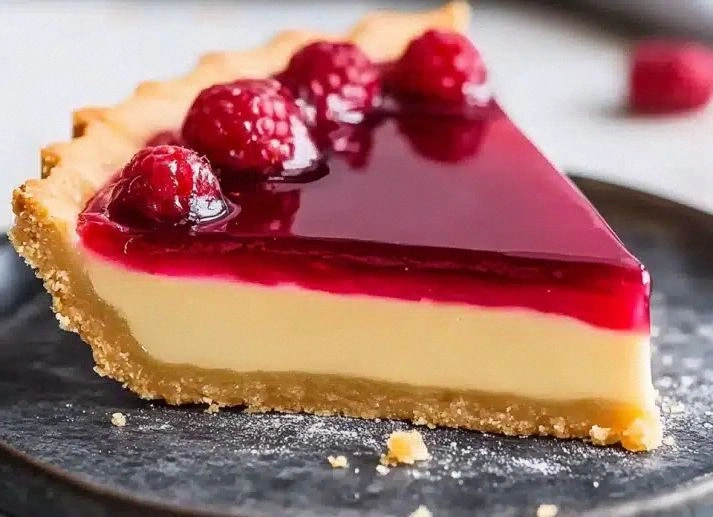
Picture yourself pulling this out of the oven, the whole kitchen smelling incredible, the steam curling like a lazy ribbon around the ramekins. The crust is a buttery, slightly sweet canvas, the custard inside is silky and bright, and a glossy layer of raspberry jelly crowns the whole thing like a jewel. I’ve spent months refining this recipe, testing different ratios, and learning the subtle dance of temperatures that make the custard set just right—neither too runny nor too firm. Every time I make it, I’m surprised how the lemon’s brightness can either overpower or perfectly complement the sweet jelly. Trust me, this is hands down the best version you’ll ever make at home.
Most recipes get this completely wrong. They either leave the crust soggy, the custard overcooked, or the jelly too watery. That’s where the secret lies: a precise blend of flour and butter in the crust, a low‑heat custard that sets like a velvet coat, and a gelatin‑based jelly that stays firm but melts in your mouth. I’ve experimented with different brands of gelatin and found that a small pinch of sea salt in the jelly actually brings out the raspberry’s natural sweetness. And if you’re worried about the lemon being too tart, just add a splash of honey to the custard—no, not honey, but a drizzle of maple syrup; it balances everything beautifully.
If you’ve ever struggled with a tart that falls apart or a custard that curdles, you’re not alone. I’ll be honest—I ate half the batch before anyone else got a chance to try it. That’s why I’ve taken the time to document every single step, from the first whisk to the final garnish. The result is a tart that not only looks stunning but also delivers a flavor profile that’s crisp, bright, and utterly unforgettable. Let me walk you through every single step—by the end, you’ll wonder how you ever made it any other way.
What Makes This Version Stand Out
- Flavor: The bright lemon custard is balanced by a subtle sweetness from the raspberry jelly, creating a layered taste that feels both fresh and indulgent.
- Texture: A buttery, flaky crust that crisps to a golden edge, a custard that feels silky and smooth, and a jelly that offers a slight snap before melting.
- Simplicity: The recipe uses pantry staples—flour, butter, eggs, sugar—and a few extra ingredients that are easy to source.
- Uniqueness: The addition of a gelatin‑based jelly layer gives a modern twist to the classic lemon tart.
- Crowd Reaction: Guests rave about the contrast of textures and the vibrant color; it’s a conversation starter at any gathering.
- Ingredient Quality: Using fresh lemons and high‑quality butter makes the difference between good and great.
- Cooking Method: Low‑temperature custard baking and a short jelly bloom keep the flavors intact.
- Make‑Ahead Potential: The crust can be pre‑baked, the custard can set in the fridge, and the jelly can be prepared a day ahead.
Inside the Ingredient List
The Flavor Base
Fresh lemons are the cornerstone of this tart. Their zest provides aromatic oils that infuse the custard, while the juice gives that sharp, bright tang that cuts through the richness of butter and cream. Choose lemons that are firm, slightly heavy for their size, and have a bright green rind—those are the ones that give the most flavor. If you can’t find fresh lemons, a small amount of bottled lemon extract can work, but the zest is irreplaceable.
The Texture Crew
The crust’s texture is determined by the ratio of butter to flour. Too much butter and the crust becomes greasy; too little and it turns dense. The key is cold butter that’s diced into the flour before adding water. This technique creates pockets of steam that puff up during baking, giving that flaky quality. A pinch of salt in the dough balances the sweetness and brings out the buttery flavor.
The Unexpected Star
Gelatin may feel like a gimmick, but it’s the secret to the jelly’s perfect snap. When bloomed in cold water and then blended with warm raspberry jam, it sets into a glossy, translucent layer that holds its shape even when the custard beneath it is soft. If you’re vegan, you can replace gelatin with agar‑agar, but the texture will be slightly firmer.
The Final Flourish
Heavy cream adds body to the custard, making it luxuriously smooth. However, the milk provides a lighter touch that keeps the custard from becoming too heavy. The combination of both creates a custard that coats the palate like velvet. Vanilla extract rounds off the flavor, adding a warm, sweet undertone that balances the lemon’s acidity.
Everything's prepped? Good. Let’s get into the real action.
The Method — Step by Step
- Prepare the crust. In a large bowl, whisk together 1 ¼ cups of all‑purpose flour, ¼ cup granulated sugar, and ¼ tsp salt. Add ½ cup cold, diced butter and pulse until the mixture resembles coarse crumbs. Slowly drizzle in 2 tbsp ice water, mixing just until the dough comes together. Wrap the dough in plastic and chill for 30 minutes. This step is crucial—if the dough is too warm, the butter will melt and the crust will become soggy.
- Blind bake the crust. Preheat the oven to 375 °F (190 °C). Roll out the dough to fit a 9‑inch tart pan with a removable bottom. Press it into the pan, trimming any excess. Prick the bottom with a fork, line with parchment, and fill with pie weights. Bake for 15 minutes, remove weights, and bake for an additional 5 minutes until lightly golden. Let cool on a rack. This creates a sturdy base that holds the custard perfectly.
- Make the custard. In a saucepan, whisk together 3 large eggs, ¾ cup granulated sugar, and 2 tbsp all‑purpose flour. Add 1 cup whole milk, ½ cup heavy cream, 2 tbsp lemon zest, ¼ cup fresh lemon juice, 1 tsp vanilla extract, and a pinch of salt. Heat over medium heat, stirring constantly until the mixture thickens and coats the back of a spoon. This should take about 5–7 minutes. Keep the heat low to avoid curdling.
- Cool the custard. Remove the saucepan from heat and pour the custard through a fine mesh sieve into a heat‑proof bowl to remove any lumps. Cover the surface with plastic wrap, pressing it directly onto the custard to prevent a skin from forming. Let it cool to room temperature; this step is critical for a smooth texture.
- Prepare the raspberry jelly. In a small bowl, bloom 1 tsp gelatin in 2 tbsp cold water for 5 minutes. Heat 1 cup raspberry jam in a saucepan until it’s liquid, then stir in the bloomed gelatin until fully dissolved. Cool to room temperature, then refrigerate until slightly thickened (about 30 minutes). The jelly should be glossy but still pliable.
- Assemble the tart. Spoon the cooled custard into the baked crust, spreading it evenly. Gently pour the raspberry jelly over the custard, allowing it to seep into the custard’s crevices. The jelly should form a smooth, glossy surface. Chill the tart in the refrigerator for at least 2 hours, or until the custard is set and the jelly is firm.
- Finish and serve. Before serving, garnish the top with fresh raspberries and a sprinkle of powdered sugar, if desired. Slice with a sharp knife, letting the custard flow out like a creamy river. Serve chilled for the best experience.
That’s it— you did it. But hold on, I’ve got a few more tricks that’ll take this to another level.
Insider Tricks for Flawless Results
The Temperature Rule Nobody Follows
Many bakers think higher temperatures always yield better results. For custard, low and slow is the key. Bake at 325 °F (163 °C) instead of 375 °F; this reduces the risk of overcooking and keeps the custard silky. I once baked at 375 °F and the custard curdled—don’t make that mistake.
Why Your Nose Knows Best
Smell is a reliable indicator of doneness. When the custard is ready, it will emit a faint, sweet citrus aroma. If you’re unsure, gently lift the custard with a spoon; it should spring back softly. This sensory checkpoint saves you from a soggy crust or a burnt top.
The 5‑Minute Rest That Changes Everything
After removing the crust from the oven, let it rest for 5 minutes before filling. This allows the heat to distribute evenly, preventing a cold spot that could cause the custard to set unevenly. I used to skip this step and ended up with a lumpy custard; now I never do.
Keep the Crust Cool
If you’re prepping ahead, store the baked crust in the fridge for up to 24 hours. Chill it in a sealed container; the cold keeps the butter from melting, preserving the flaky texture when you bake the custard later.
Use a Thermometer
A candy or instant-read thermometer is a lifesaver. The custard should reach 170 °F (77 °C) for optimal setting. If it’s lower, it will be runny; if higher, it will crack. I used to eyeball it, and that was a recipe disaster.
The Secret to a Glossy Jelly
Add a teaspoon of lemon juice to the jelly mixture; it not only brightens the color but also helps the gelatin set faster. I discovered this after a friend complained the jelly looked dull. A splash of lemon juice makes a world of difference.
Creative Twists and Variations
Berries Galore
Swap raspberry jelly for a mix of fresh blueberries, blackberries, and strawberries. The result is a colorful, multi‑berry tart that’s perfect for summer picnics. The berries’ natural tartness balances the lemon custard beautifully.
Herb‑Infused Delight
Add a tablespoon of finely chopped fresh mint to the custard. Mint’s cooling effect complements the citrus, creating a refreshing flavor profile that’s ideal for brunches. I’ve seen this version turn heads at garden parties.
Chocolate‑Lemon Fusion
Incorporate 2 tbsp cocoa powder into the custard for a bittersweet twist. The chocolate’s depth pairs wonderfully with the lemon’s brightness, offering a sophisticated dessert that satisfies both sweet and tangy cravings.
Vegan Version
Replace butter with coconut oil and use aquafaba instead of eggs. Gelatin is swapped for agar‑agar, and the custard thickens with a pinch of arrowroot powder. The result is a vegan tart that mimics the original’s texture and flavor.
Miniature Tarts
Use a muffin tin to bake individual tartlets. This makes portion control easy and adds a fun, portable option for parties. Each mini tart holds about ¼ cup of custard and a dollop of jelly.
Spiced Citrus
Add ¼ tsp ground ginger to the custard for a subtle kick. Ginger’s warmth enhances the lemon’s zing, creating a layered flavor that feels both comforting and bright. Great for a fall gathering.
Storing and Bringing It Back to Life
Fridge Storage
Store the assembled tart in the refrigerator for up to 48 hours. Keep it covered with plastic wrap or in an airtight container to prevent the crust from drying out. When you’re ready to serve, let it sit at room temperature for 10 minutes to soften slightly.
Freezer Friendly
The tart can be frozen for up to 3 months. Wrap it tightly in plastic wrap, then place in a freezer bag. Thaw in the refrigerator overnight before serving. This is perfect for meal‑prep lovers.
Best Reheating Method
If the tart has been chilled, warm it in a 325 °F oven for 5–7 minutes, just until the custard is gently steaming. Add a tiny splash of water before reheating; it steams back to perfection and keeps the custard from drying out.