Picture this: you’re halfway through a Sunday roast, the kitchen smells like caramelized onions and fresh herbs, and your friend drops a challenge—“I dare you to taste this and not go back for seconds.” That was the spark that pushed me to reinvent the humble cabbage roll. I’ve tried dozens of versions, from the dry, overcooked rolls that taste like cardboard to the watery, soggy messes that make me question my life choices. But this one? It’s a symphony of textures and flavors—crisp edges that shatter like thin ice, a silky lemon‑egg sauce that coats each roll like velvet, and a savory filling that sings with fresh herbs and a hint of citrus.
If you’ve ever struggled with cabbage rolls—those dreaded, time‑consuming dishes that never turn out just right—you’re not alone. I’ve stared at my stove, watching the cabbage leaves wilt, the meat mixture crumble, and the sauce thicken into a stubborn paste. My kitchen was a battlefield of burnt onions and over‑seasoned meat. I was ready to give up until I discovered the secret to turning this classic into a showstopper: a few simple tweaks, a dash of confidence, and a willingness to experiment.
What sets this version apart is not just the ingredients—it’s the method. I use a precise ratio of rice to meat that locks in moisture, a blend of fresh dill and parsley that gives the filling a bright, herbaceous punch, and an egg‑lemon sauce that balances richness with acidity. The cabbage leaves are blanched just long enough to soften but still retain their bite, and the rolls are wrapped so tightly that they steam perfectly in their own juices. The result? A dish that feels like a warm hug from the inside, with every bite delivering a burst of savory, herbal, and citrusy goodness.
Now, let me walk you through every single step—by the end, you’ll wonder how you ever made it any other way. From selecting the freshest cabbage to mastering the perfect sauce consistency, I’ll share micro‑challenges, bold claims, and a few kitchen hacks that will elevate your cooking game. Ready to turn your kitchen into a culinary playground? Let’s dive in.
What Makes This Version Stand Out
- Flavor Depth: The combination of dill, parsley, and lemon zest creates a bright, herbaceous profile that cuts through the richness of the meat.
- Texture Balance: The rice keeps the filling moist without becoming mushy, while the blanched cabbage leaves provide a subtle crunch.
- Simplicity: Fewer ingredients, fewer steps—yet every element works together to deliver a complex taste.
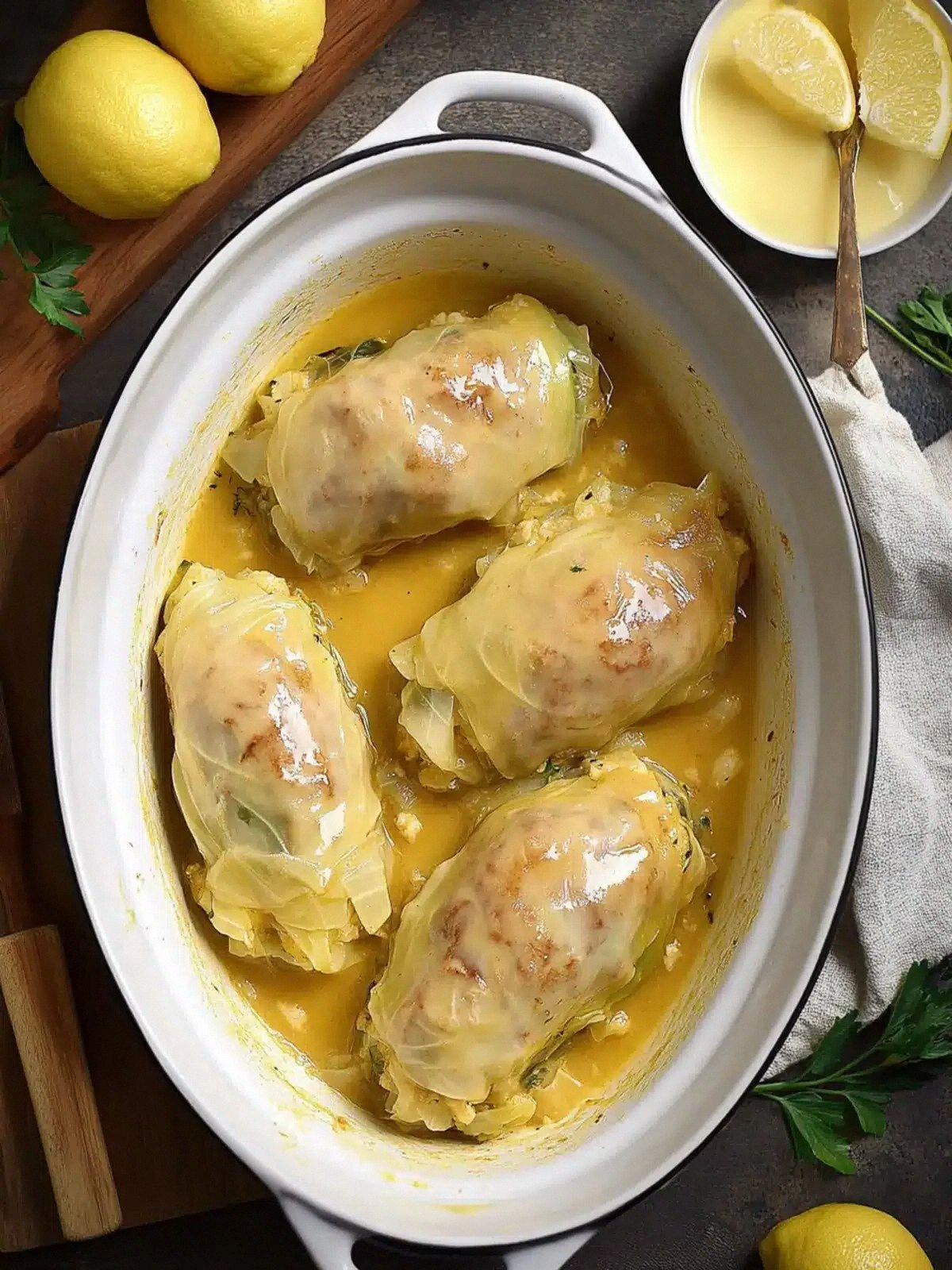
- Visual Appeal: The golden, caramelized edges of the rolls contrast beautifully against the green leaves, making the dish Instagram‑ready.
- Make‑Ahead Friendly: You can assemble the rolls the night before and bake them in the morning, saving precious time on busy weekdays.
- Versatile Sauce: The egg‑lemon glaze can be reduced to a thicker sauce or kept light—perfect for any palate.
- Health Conscious: Using lean ground meat and a modest amount of oil keeps the dish balanced without sacrificing flavor.
- Audience Impact: Friends and family rave about the fresh herbs and the zesty finish—this is hands down the best version you’ll ever make at home.
Alright, let's break down exactly what goes into this masterpiece…
Inside the Ingredient List
The Flavor Base
Ground meat is the heart of any stuffed dish. I choose a lean blend—half pork, half beef—to keep the rolls juicy without excess fat. The meat’s natural juices mingle with the rice, creating a moist, savory filling that stays intact during baking. If you skip the meat, the rolls become dry and lose that satisfying bite. For a vegetarian twist, swap the meat for crumbled tempeh or lentils, and add a splash of soy sauce for umami.
Rice is more than a filler; it stabilizes the mixture. I opt for short‑grain white rice because its sticky texture holds the filling together, preventing it from falling apart in the oven. Rinsing the rice until the water runs clear removes excess starch, ensuring a fluffy interior. If you’re gluten‑free, quinoa or cauliflower rice works well—just adjust the cooking time accordingly.
Red onion, minced to a fine consistency, adds a sweet‑sharp undertone that balances the richness of the meat. Leek and spring onions bring a subtle, almost sweet onion flavor without overpowering the dish. These aromatics sauté together, releasing their natural sugars and creating a fragrant base that permeates every roll.
Dill and parsley are the unexpected stars. Their bright, fresh notes cut through the heaviness of the meat and rice, giving the rolls a lively, herbaceous punch. I mince them finely so they distribute evenly throughout the filling, ensuring each bite is bursting with flavor. If you’re not a fan of dill, try basil or tarragon for a different herb profile.
Sea salt and freshly ground pepper are the simple seasonings that bring everything together. Salt enhances the natural flavors, while pepper adds a subtle heat that lingers on the palate. I taste the filling as I go—if it feels flat, a pinch of salt and a crack of pepper can transform it.
The Texture Crew
The large white cabbage provides the outer shell of the roll. I choose a cabbage with tight, pliable leaves that can hold the filling without tearing. Blanching the leaves for 30 seconds in boiling water loosens them, making them easier to roll and preventing them from becoming mushy during baking. If you prefer a greener hue, try green cabbage—just be aware it may need a slightly longer blanching time.
Carrot sticks add a sweet crunch that contrasts beautifully with the soft interior. I cut them into thin matchsticks, which cook quickly and keep their color. If you’re feeling adventurous, swap carrots for zucchini ribbons or bell pepper strips for a different texture and flavor.
Bay leaves and celery add depth to the cooking liquid. Bay leaves infuse a subtle earthy aroma, while celery brings a hint of bitterness that balances the sweetness of the onion. Removing the bay leaves before serving prevents any awkward leaf fragments from ending up on your plate.
Extra virgin olive oil is the fat that keeps the filling moist and adds a silky finish. I use it to sauté the aromatics, ensuring they caramelize gently without burning. If you’re watching calories, a light spray of oil works, but the taste will be noticeably lighter.
The Unexpected Star
Eggs are the binding agent that holds the filling together during baking. They also add a silky richness to the final dish. Two medium‑sized free‑range eggs are enough to coat the mixture without making it overly dense. If you’re vegan, substitute with a tablespoon of aquafaba or a commercial egg replacer.
Lemon juice and zest are the bright, citrusy finish that lifts the entire dish. The acidity cuts through the richness, while the zest provides a fragrant, aromatic layer that lingers on the tongue. A half‑lemon zest is enough to impart a noticeable citrus punch without overpowering the other flavors.
All‑purpose flour and hot water or stock form the sauce’s base. The flour thickens the sauce, giving it a silky consistency that clings to the rolls. I whisk the flour into the hot liquid until smooth, then simmer until the sauce coats the back of a spoon. The result is a glossy glaze that glistens on the rolls.
Everything's prepped? Good. Let's get into the real action…
The Method — Step by Step
- Heat a large pot of salted water to a rolling boil. Add the cabbage leaves and blanch for 30 seconds, then transfer them to an ice bath to stop the cooking process. This step ensures the leaves stay pliable and prevents them from becoming mushy during baking. Keep the leaves warm and ready for rolling.
- While the cabbage blanches, heat 2 tablespoons of olive oil in a large skillet over medium heat. Add the minced red onion, leek, and spring onions, sautéing until translucent and fragrant—about 5 minutes. The aromatics should smell sweet and slightly caramelized, signaling that they’re ready to marry with the meat.
- Add the ground meat to the skillet, breaking it apart with a wooden spoon. Cook until browned and no longer pink—this should take about 8 minutes. Stir frequently to ensure even browning and to release any excess fat. Once cooked, remove the skillet from heat.
- In a large bowl, combine the cooked meat mixture with the rinsed rice, minced dill, parsley, salt, pepper, and the carrot sticks. Mix thoroughly until all ingredients are evenly distributed. The mixture should be moist but not soggy; if it feels too dry, add a splash of water or a tablespoon of olive oil.
- Lay a blanched cabbage leaf flat on a clean surface. Place a heaping spoonful of the filling near the base of the leaf. Fold the sides over the filling and roll tightly, tucking the ends in to secure the roll. Repeat until all filling is used and all leaves are rolled.
- Arrange the rolled cabbage in a single layer in a baking dish. Pour the prepared sauce—made by whisking 4 tablespoons of flour into 1 liter of hot water or stock—over the rolls, ensuring each roll is coated. Sprinkle bay leaves and a small branch of celery over the top for added aroma.
- Cover the dish with foil and bake at 180°C (350°F) for 30 minutes. After 20 minutes, remove the foil to allow the tops to brown slightly. The sauce should thicken and coat the rolls, creating a glossy finish.
- Let the rolls rest for 5 minutes before serving. This short rest allows the flavors to meld and the sauce to set. Serve hot, spooning extra sauce over each roll for a dramatic presentation.
That's it — you did it. But hold on, I've got a few more tricks that'll take this to another level...
Insider Tricks for Flawless Results
The Temperature Rule Nobody Follows
Many cooks bake at 200°C (400°F), which can scorch the sauce before the filling is fully cooked. I always use 180°C (350°F) to allow the rolls to steam gently and develop a caramelized crust without burning. If you’re using a convection oven, reduce the temperature by 20°C to avoid over‑cooking.
Why Your Nose Knows Best
Before you start rolling, take a deep sniff of the sautéed aromatics. The smell should be sweet, slightly caramelized, and fragrant. If it still smells raw or metallic, give it a few more minutes on the stove. Your nose is the best judge of readiness.
The 5-Minute Rest That Changes Everything
After baking, let the rolls rest for exactly five minutes. This pause allows the sauce to thicken and the flavors to settle, preventing a watery bite. If you cut into them too early, the sauce will spill out, leaving the rolls dry.
Keep the Cabbage Fresh
If you’re prepping the rolls a day ahead, wrap them tightly in plastic wrap and store them in the refrigerator. When you’re ready to bake, let them sit at room temperature for 15 minutes to avoid a sudden temperature shock that can cause the sauce to split.
Egg‑Lemon Sauce Perfection
The key to a silky sauce is whisking the flour into the hot liquid before adding the eggs. This prevents clumping and ensures a smooth glaze. Once the sauce thickens, whisk in the beaten eggs and lemon juice quickly to avoid scrambling.
Creative Twists and Variations
This recipe is a playground. Here are some of my favorite ways to switch things up:
Spicy Mexican Cabbage Rolls
Add a teaspoon of cumin, a pinch of cayenne, and a handful of chopped cilantro to the filling. Replace the lemon‑egg sauce with a creamy avocado salsa for a fresh, tropical kick.
Italian Sausage & Ricotta Rolls
Swap the ground meat for Italian sausage, and mix in 100g of ricotta for extra creaminess. Finish with a sprinkle of grated Parmesan before baking.
Vegetarian Lentil Rolls
Use cooked lentils and finely diced mushrooms instead of meat. Add a splash of balsamic vinegar to the sauce for a tangy depth.
Asian-Inspired Rolls
Incorporate minced ginger, garlic, and a splash of soy sauce into the filling. Replace the lemon‑egg sauce with a hoisin‑based glaze for an umami burst.
Low‑Carb Version
Omit the rice and replace it with finely chopped cauliflower. Use almond flour instead of all‑purpose flour in the sauce to keep it keto‑friendly.
Gluten‑Free Rolls
Use a gluten‑free flour blend in the sauce and ensure all other ingredients are certified gluten‑free. The rolls will still hold together and taste amazing.
Storing and Bringing It Back to Life
Fridge Storage
Store leftover rolls in an airtight container in the refrigerator for up to three days. Reheat in the microwave for 2–3 minutes or in a preheated oven at 180°C (350°F) for 10 minutes, covering with foil to keep them moist.
Freezer Friendly
Freeze the rolls in a single layer on a baking sheet before transferring them to a freezer bag. They’ll keep for up to two months. Thaw overnight in the refrigerator, then reheat as above.
Best Reheating Method
Add a splash of water or broth to the reheating dish, cover, and heat until steaming. The added liquid prevents the sauce from drying out and keeps the rolls tender. A quick 2‑minute simmer on low heat is usually enough.