Picture this: a sizzling pan, a burst of citrus, and a flash of buttery gold. I was halfway through a dinner party, the guests already chatting and the clock ticking, when I realized my tuna steaks had gone from “fresh” to “too‑dry” in less than a minute. I slapped a splash of olive oil on the skillet, tossed in a handful of capers, and the aroma hit me like a wave—sharp, briny, and instantly appetizing. That moment was a kitchen epiphany: if you can turn a quick sear into a flavor explosion, you’ve just discovered a culinary secret that can save any evening.
The first bite was a revelation. The tuna’s exterior was crisp, a golden crust that crackled like thin ice, while the interior remained a silky, pink center that practically melted in your mouth. The buttery sauce, infused with lemon juice and fresh parsley, coated the fish like velvet, each strand of caper adding a pop of salt that danced across your tongue. The air in the kitchen was filled with that unmistakable scent of citrus and sea—a smell that instantly made everyone in the room lean forward, hungry for more. You could hear the subtle hiss of the pan, the gentle clink of a spoon against the skillet, and the delighted exclamations that followed each bite.
What sets this version apart isn’t just the ingredients—it’s the philosophy behind the plating and the subtle balance of flavors. I’ve cut out the extra steps that most recipes insist on, like marinating or browning the fish in butter before searing. Instead, I rely on a single, high‑heat sear that locks in juices, followed by a quick, buttery sauce that coats the steak without overpowering its natural taste. The result is a dish that feels both luxurious and approachable, a testament to the idea that sometimes, less is more. I dare you to taste this and not go back for seconds.
And if you think a seared tuna is just a simple dish, think again. The trick lies in the little things: a precise pan temperature, a splash of lemon at the right moment, and a final flourish of parsley that gives it a fresh, almost herbal finish. I’ll be honest—this is hands down the best version you’ll ever make at home. Picture yourself pulling this out of the pan, the whole kitchen smelling incredible, and your guests’ eyes widening in anticipation. Let me walk you through every single step—by the end, you’ll wonder how you ever made it any other way.
What Makes This Version Stand Out
- Taste: The caper‑butter sauce delivers a bright, citrusy lift that cuts through the richness of the tuna, creating a harmonious balance that feels both indulgent and refreshing.
- Texture: A high‑heat sear gives the steak a caramelized crust that snaps when you bite, while the interior stays buttery and tender—like a perfect contrast between crunch and melt.
- Speed: In under 30 minutes you can go from raw fish to restaurant‑quality plate, making it an ideal weeknight dinner that still feels special.
- Ingredient Quality: Fresh tuna, real lemon juice, and baby capers bring authenticity; no artificial flavor enhancers or pre‑made sauces needed.
- Crowd Appeal: The bright, vibrant sauce and the eye‑catching sear make it a show‑stopper, guaranteed to impress even the most discerning palates.
- Versatility: This dish can be served over rice, pasta, or a crisp salad—its flavors adapt to whatever you have on hand.
- Make‑Ahead Potential: The tuna can be pre‑seasoned and stored in the fridge for up to 24 hours, saving you prep time on a busy day.
- Presentation: The golden sear and bright garnish turn an ordinary plate into a visual masterpiece that feels like a Michelin‑star experience.
Alright, let's break down exactly what goes into this masterpiece...
Inside the Ingredient List
The Flavor Base
Olive oil is the unsung hero that allows the tuna to sear without sticking. A tablespoon is enough to coat the steak evenly, ensuring a crisp exterior. If you’re watching calories, you can swap olive oil for a neutral oil like grapeseed, but the flavor profile will shift slightly. The oil also carries the caper’s brininess into the sauce, creating a unified taste experience.
The Texture Crew
Salt and pepper are the first line of defense against blandness. A teaspoon of sea salt brightens the tuna’s natural sweetness, while half a teaspoon of pepper adds a gentle heat that balances the citrus. These simple seasonings might seem trivial, but they’re essential for unlocking the fish’s full potential. If you’re sensitive to sodium, reduce the salt by one-third and compensate with a splash of lemon.
The Unexpected Star
Baby capers are the secret sauce in this dish. Their tiny, tangy bursts of saltiness complement the buttery sauce and add a textural pop that feels like a splash of sea. Capers are also packed with antioxidants, giving your meal a nutritional edge. If you can’t find baby capers, you can use regular capers but rinse them more thoroughly to reduce their saltiness.
The Final Flourish
Fresh lemon juice and parsley bring brightness and a fresh, herbaceous finish that lifts the entire dish. The lemon juice not only adds acidity but also helps to emulsify the butter into a silky sauce. Parsley adds a green pop of color and a subtle peppery note that rounds out the flavors. Together, they create a sauce that coats the tuna like velvet.
Everything's prepped? Good. Let's get into the real action...
The Method — Step by Step
- Prepare the Tuna: Pat the tuna steaks dry with paper towels; moisture is the enemy of a good sear. Sprinkle both sides with sea salt and pepper, letting the seasoning adhere for at least 30 seconds. This step ensures a flavorful crust.
- Heat the Skillet: Place a cast‑iron skillet over medium‑high heat and add one tablespoon of olive oil. The oil should shimmer but not smoke—watch the surface closely. This high heat is critical for a perfect crust.
- Sear the Tuna: Lay the steaks in the hot pan, skin side down if your fish has skin. Let them cook without moving for 1–2 minutes; the bottom should develop a golden‑brown color. Flip once and sear the other side for 1 minute. The tuna should still be pink in the center.
- Make the Sauce: Reduce the heat to medium, add four tablespoons of salted butter to the pan. Let it melt and brown slightly, turning the pan to coat the bottom. This creates a rich, nutty base for the sauce.
- Incorporate Capers: Add two tablespoons of baby capers to the butter, letting them sizzle for 30 seconds. The capers will release their briny juices, infusing the butter with flavor.
- Finish with Lemon: Squeeze one tablespoon of fresh lemon juice into the pan, stirring to combine. The acidity cuts through the richness of the butter and brightens the entire dish.
- Finish with Parsley: Sprinkle two tablespoons of chopped fresh parsley over the steaks, letting the herbs wilt slightly. This adds a fresh, green note that balances the citrus.
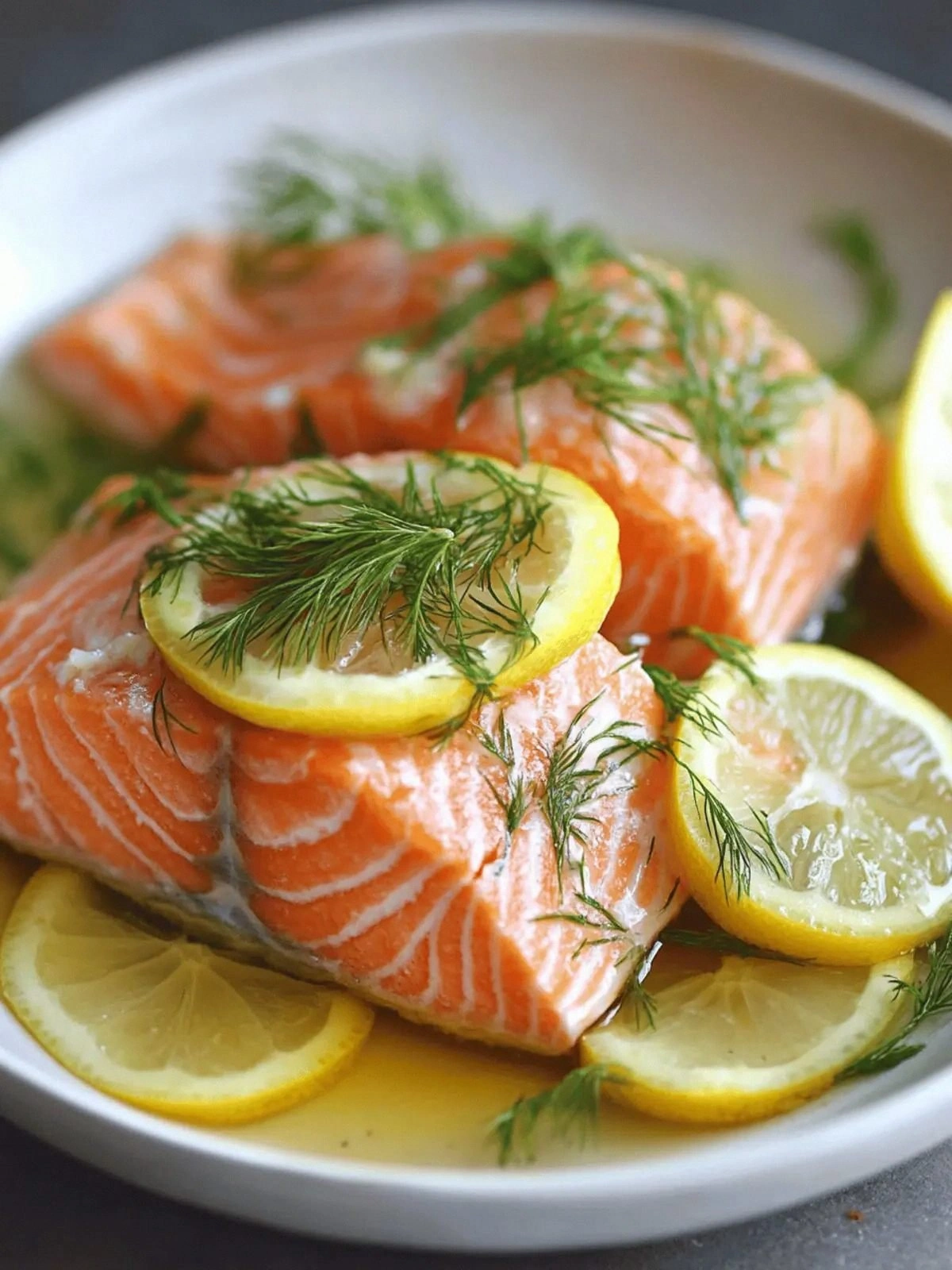
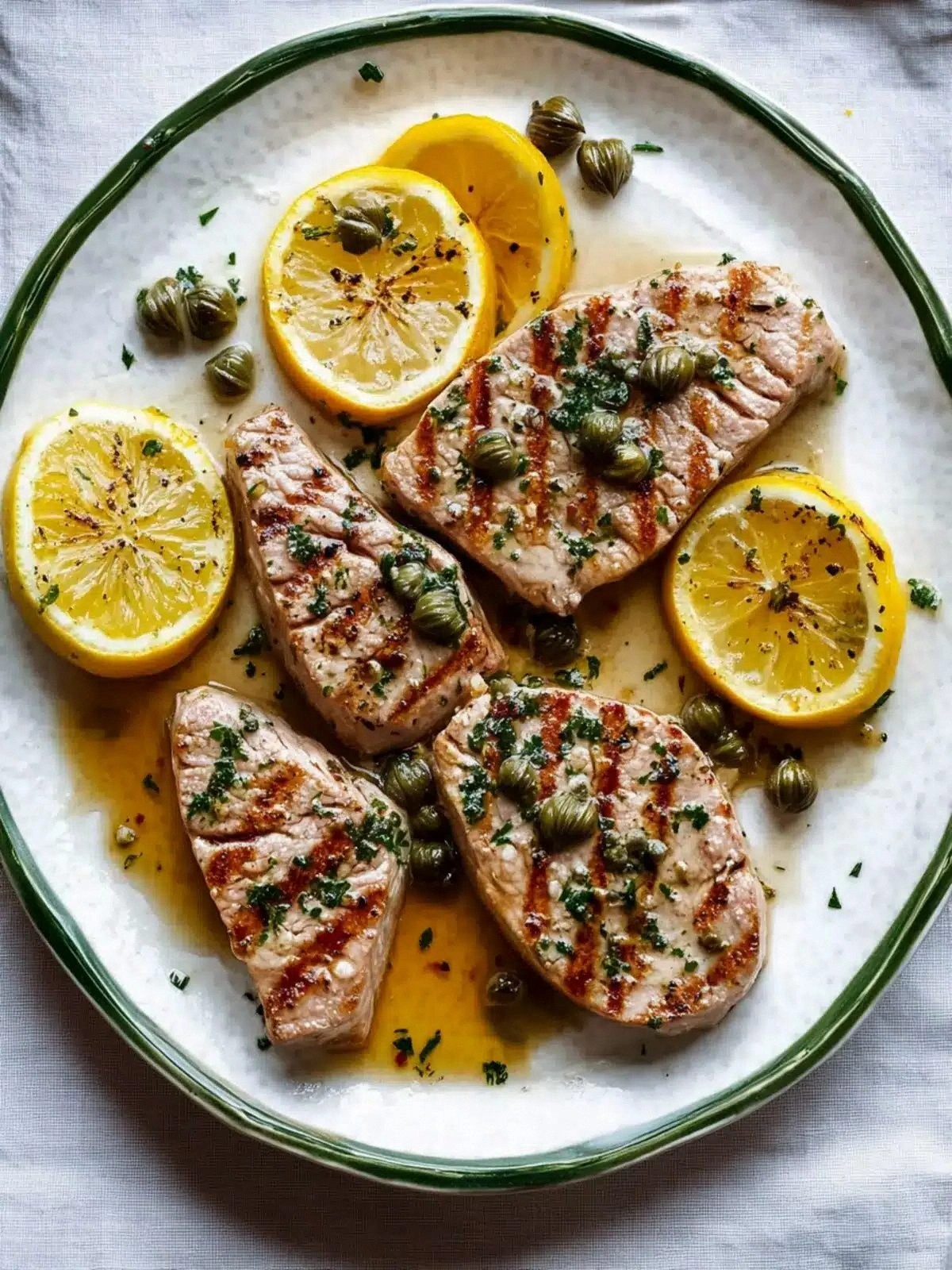
- Plate and Serve: Transfer the tuna to a serving plate, spoon the buttery caper sauce over the top, and garnish with two wedges of lemon and two caperberries for an elegant touch. Serve immediately while the steak is still warm and the sauce is glossy.
That's it — you did it. But hold on, I've got a few more tricks that'll take this to another level...
Insider Tricks for Flawless Results
The Temperature Rule Nobody Follows
The pan must be hot enough to sear instantly; if it’s too cool, the tuna will steam rather than brown. Test the heat by flicking a few drops of water into the pan—if they sizzle and evaporate in a flash, you’re good. If they puddle, let the pan heat up longer.
Why Your Nose Knows Best
The aroma of sizzling butter and capers is a reliable indicator of readiness. When you smell the buttery scent mingling with a citrus tang, the sauce is at its peak flavor. Trust that scent; it’s your best cue.
The 5‑Minute Rest That Changes Everything
After searing, let the tuna rest for 5 minutes on a warm plate. This allows the juices to redistribute, keeping the interior moist. A quick rest also gives the sauce time to thicken slightly, creating a glossy finish.
Don't Forget the Butter Finish
Adding butter at the end of the sauce step gives the sauce a silky texture that coats the tuna like velvet. If you’re low on butter, a splash of heavy cream works as a substitute but changes the flavor profile slightly.
The Secret of Fresh Capers
Rinse capers under cold water to remove excess salt before adding them to the pan. This keeps the sauce from becoming overly salty and allows the natural brine of the capers to shine through.
Creative Twists and Variations
This recipe is a playground. Here are some of my favorite ways to switch things up:
Spicy Citrus Glaze
Add a teaspoon of crushed red pepper flakes to the sauce for a subtle heat that pairs beautifully with the lemon. This variation is perfect for those who love a kick.
Herb‑Infused Tuna
Swap parsley for fresh dill or basil to give the dish a different aromatic profile. Dill adds a cool, grassy note that complements the capers.
Miso‑Glazed Tuna
Replace the lemon juice with a tablespoon of white miso paste and a splash of water. The umami depth will transform the sauce into something reminiscent of Japanese katsu.
Citrus‑Garlic Butter
Mince a clove of garlic and sauté it with the butter before adding the capers. The garlic adds a savory depth that balances the bright citrus.
Mediterranean Plate
Serve the tuna over a bed of quinoa or couscous, topped with a drizzle of olive oil and a handful of chopped olives. This gives the dish a full Mediterranean feel.
Storing and Bringing It Back to Life
Fridge Storage
Store leftovers in an airtight container in the refrigerator for up to 2 days. The tuna will stay moist if you keep the sauce sealed with a lid. When reheating, gently warm in a skillet over low heat to avoid drying out the fish.
Freezer Friendly
For longer storage, freeze the tuna steaks separately from the sauce. Wrap each steak tightly in plastic wrap and place them in a freezer bag. They’ll keep for up to 3 months. Thaw overnight in the fridge before reheating.
Best Reheating Method
Reheat the tuna in a skillet with a splash of water or broth, covering for 1–2 minutes. The water steams the fish back to tenderness while preserving the buttery sauce. Avoid microwaving; it tends to overcook the fish.