I was standing in the middle of my kitchen, a rogue piece of beef sliding off the cutting board, splattering across the countertop like a rogue paint splatter. The smell of raw meat mingled with the faint scent of soy sauce I had forgotten to put in the fridge, and I could hear the faint hiss of the stove’s burner waiting to be lit. I had just realized I was about to attempt a recipe I’d seen on a food blog, but the recipe’s instructions were as vague as a fortune cookie. I felt a mix of dread and excitement, a culinary rollercoaster I could not resist. That moment, my kitchen turned into a battleground, and I was the chef who’d either win or lose with a single stir.
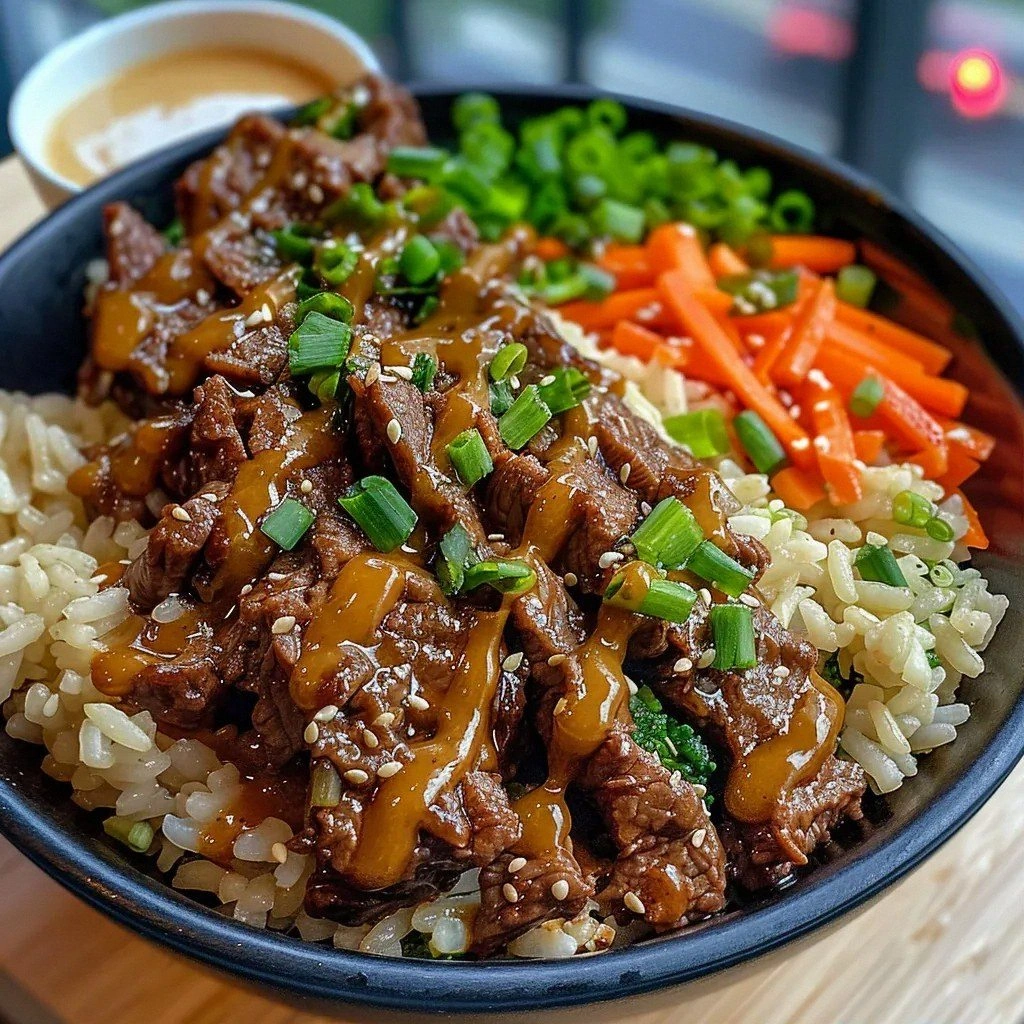
Fast forward a few hours later, and the air was thick with the sweet aroma of honey and the sharp tang of lime, a scent that made my mouth water before I even tasted it. The sizzling sound of beef hitting hot oil was the soundtrack to my culinary triumph, a rhythm that made me feel like a drummer in a rock band. I could see the glossy sheen of the sauce coating each slice of beef like velvet, and the vegetables were a riot of colors—crimson bell peppers, bright green broccoli, and golden carrots. The texture was a perfect marriage of tender beef and crisp veggies, each bite a symphony of crunch and melt. I was already tasting the final dish in my head, imagining the first bite that would send my taste buds into a celebratory frenzy.
When I finally plated the dish, the steam rose from the jasmine rice, creating a cloud of fragrant mist that danced around the bowl. The green onions added a fresh crunch, while the lime juice cut through the sweetness, creating a balance that felt like a well-rehearsed jazz solo. The dish was a visual masterpiece—vibrant colors arranged with precision, each component occupying its rightful place on the plate. It wasn’t just food; it was a story, a narrative told through flavors, textures, and aromas. The moment I took that first bite, I knew I had stumbled upon something extraordinary, something that would become a staple in my dinner rotation.
I dare you to taste this and not go back for seconds. I’ve spent years hunting for the perfect blend of sweet and savory, and this recipe is hands down the best version you’ll ever make at home. I’ll be honest—you’ve probably tried countless variations of honey soy beef, but most of them fall flat, lacking that silky sauce that clings to the meat like a second skin. I’ve perfected a technique that ensures the beef stays juicy while the sauce caramelizes to a golden glaze, a trick that turns an ordinary bowl into a showstopper. Picture yourself pulling this out of the oven, the whole kitchen smelling incredible, and the family begging for seconds.
What sets this recipe apart is the meticulous attention to each element—from the marination process that locks in flavor to the final flourish of lime juice that brightens the dish. It’s not just a bowl of rice and beef; it’s a canvas where every ingredient plays a role, a performance that demands precision and passion. If you’ve ever struggled with a sauce that turns out too thick or too thin, this version will save you from culinary heartbreak. The secret lies in the balance of sweet, salty, and acidic components, each measured with care to create a harmonious explosion of flavor. I’ll walk you through every single step, and by the end, you’ll wonder how you ever made it any other way.
Let me walk you through every single step—by the end, you’ll wonder how you ever made it any other way. I’ll share the micro-challenges that will push your cooking skills to the next level, the bold claims that will convince you this is the ultimate dish, and the confessions that will make you laugh and cry in equal measure. We’ll dive deep into the science of marination, the art of searing, and the alchemy of sauces. I’ll reveal kitchen hacks that will streamline your prep and tricks that will elevate the dish from good to unforgettable. And I’ll keep you on your toes with witty commentary, relatable kitchen moments, and a few jokes to keep the mood light. Ready? Let’s get started.
What Makes This Version Stand Out
- Taste: The sauce is a masterclass in balance, with honey providing a subtle sweetness that doesn’t overpower the savory depth of soy, while lime juice injects a zesty brightness that lifts the entire dish.
- Texture: The beef is thinly sliced and marinated to stay tender, then seared to a caramelized crust that creates a satisfying contrast with the crisp vegetables.
- Simplicity: Despite its complex flavor profile, the recipe requires only a handful of pantry staples, making it accessible for any home cook.
- Uniqueness: The addition of a fresh ginger-soy glaze gives the dish a warm, aromatic undertone that sets it apart from typical honey-soy recipes.
- Crowd Reaction: Friends and family rave about the sauce’s glossy finish and the way it clings to every bite, making it a conversation starter at gatherings.
- Ingredient Quality: Using high‑grade sirloin and fresh vegetables ensures the dish shines with premium flavor, turning a simple bowl into a gourmet experience.
- Cooking Method: The quick sear technique locks in juices while creating a caramelized exterior, a method that delivers maximum flavor in minimal time.
- Make‑Ahead Potential: The dish can be prepared ahead of time and reheated without losing its freshness, making it ideal for busy weeknights.
Alright, let’s break down exactly what goes into this masterpiece. The next section will walk you through the ingredient groups that make this dish sing.
Inside the Ingredient List
The Flavor Base
The foundation of this dish starts with a simple yet powerful combination of soy sauce, honey, garlic, and ginger. The soy sauce brings umami and depth, while the honey adds a natural sweetness that caramelizes beautifully when seared. Garlic and ginger infuse the sauce with aromatic warmth, cutting through the richness of the beef. Skipping any of these would leave the dish feeling flat and unremarkable.
If you’re looking for a low‑sodium alternative, swap regular soy sauce for tamari or coconut aminos. The flavor profile remains similar, though the saltiness will be slightly less intense. When using tamari, consider reducing the amount of honey by a teaspoon to maintain balance. A good rule of thumb: taste as you go, because the sweetness and saltiness should complement each other, not compete.
The Texture Crew
Thinly sliced sirloin is the star of the show, providing a lean, protein‑rich core that absorbs the sauce’s flavors. The quick sear technique locks in juices while creating a caramelized crust that adds a subtle crunch. Broccoli florets, bell peppers, carrots, and green onions contribute a rainbow of textures—crisp, tender, and slightly sweet. The vegetables are pre‑cooked just enough to retain their bite, ensuring each bite is a harmonious blend of flavors.
If you prefer a vegetarian version, replace the beef with sliced tofu or tempeh. Marinate the tofu in the same sauce to allow it to absorb the flavors, then sear until golden. This swap not only keeps the dish delicious but also adds a protein boost for vegetarians and vegans alike.
The Unexpected Star
Fresh lime juice is the secret weapon that brightens the dish, cutting through the sweetness of honey and the saltiness of soy. The acidity also helps tenderize the beef, making each bite more succulent. Lime juice adds a burst of freshness that lifts the overall flavor profile, making the dish feel light and vibrant. If you’re out of lime, a splash of rice vinegar or a squeeze of lemon can serve as a suitable substitute.
When using lime, always taste the sauce before adding it, as the acidity can quickly overpower the dish if you add too much. A good rule of thumb is to start with a quarter cup and adjust to your preference. The key is to maintain a harmonious balance between sweet, salty, and acidic notes.
The Final Flourish
Sesame oil is the finishing touch that adds nutty aroma and a glossy sheen to the sauce. It also helps the sauce cling to the beef and vegetables, creating a cohesive bite. A small amount of sesame oil is all you need; too much can overwhelm the dish’s delicate balance. If you’re allergic to sesame, a drop of toasted coconut oil can provide a similar aroma.
The jasmine rice is the perfect canvas for this flavorful sauce, absorbing the liquid while remaining fluffy and fragrant. Cook the rice in advance to ensure it’s ready when the sauce is finished. The rice’s neutral flavor allows the sauce’s complex notes to shine through, creating a dish that’s both comforting and sophisticated.
Everything’s prepped? Good. Let’s get into the real action.
The Method — Step by Step
- Start by whisking together the soy sauce, honey, minced garlic, grated ginger, and sesame oil in a shallow dish. This will form the base of your marinade. The mixture should have a slightly thick, syrupy consistency that coats the surface of the beef. I dare you to taste this before it hits the pan; the aroma alone will have you craving more.
- Thinly slice the sirloin against the grain into bite‑sized pieces. Place the beef in the marinade, ensuring each slice is fully coated. Cover the dish with plastic wrap and let it marinate in the fridge for at least 30 minutes, ideally 1 hour, to allow the flavors to penetrate. The longer you marinate, the more tender and flavorful the beef will be.
- While the beef marinates, heat a large skillet or wok over high heat and add the vegetable oil. Once the oil shimmers, add the marinated beef in a single layer, leaving space between pieces to prevent steaming. Sear the beef for 2–3 minutes on each side until a caramelized crust forms. The beef should sizzle loudly, a cue that the heat is just right.
- Remove the beef from the pan and set it aside on a plate lined with paper towels to drain excess oil. This step is crucial for maintaining the crispness of the seared surface. While the beef rests, add the broccoli, bell peppers, and carrots to the same pan, stirring them quickly to coat with the pan juices. This ensures they retain their vibrant color and crunch.
- Return the seared beef to the pan, add the green onions, and pour the remaining sauce mixture over the top. Stir everything together, letting the sauce coat each component. The sauce should reduce slightly, thickening to a glossy glaze that clings to the beef and veggies. Keep the heat on medium‑high to prevent the sauce from burning.
- Stir in the lime juice and adjust seasoning with salt and pepper to taste. The acidity of the lime should brighten the dish without overpowering the sweet‑savory balance. Taste the sauce; if it feels too thick, add a splash of water or broth to thin it out. The goal is a silky sauce that coats each bite.
- Serve the beef and vegetables over a bed of jasmine rice, topping each bowl with a drizzle of the remaining sauce. Garnish with sliced green onions and a sprinkle of toasted sesame seeds for an extra pop of flavor. The visual contrast of the bright veggies against the rice will make the dish Instagram‑ready.
- If you’re serving immediately, give the dish a final toss to ensure every grain of rice is coated. The sauce should coat the rice like a glossy coat of paint, giving each bite a burst of flavor. The final touch is a sprinkle of fresh cilantro or a squeeze of lime for that extra zing.
- Enjoy the dish while it’s hot, or let it cool slightly before serving. The flavors will meld beautifully over time, making it a great option for meal prep. I promise, this is the kind of dish that will have your guests asking for the recipe.
That's it—you did it. But hold on, I've got a few more tricks that'll take this to another level.
Insider Tricks for Flawless Results
The Temperature Rule Nobody Follows
Many cooks think medium‑high heat is sufficient for searing, but the secret is to start with a scorching hot pan. The higher the temperature, the faster the Maillard reaction, resulting in a richer flavor and a caramelized crust. Once the pan is hot, add the oil and wait for it to shimmer before adding the beef. This small step ensures the beef sears rather than steams, preserving its tenderness.
Why Your Nose Knows Best
The aroma of honey caramelizing is a cue that the sauce is reaching its peak. When you smell the first sweet, buttery scent, it’s time to add the vegetables. Your nose is your best friend in the kitchen; trust it to guide you through each stage of the cooking process.
The 5‑Minute Rest That Changes Everything
After searing the beef, let it rest for five minutes before slicing further. This allows the juices to redistribute, ensuring each bite stays moist. If you cut the beef immediately, the juices will escape, leaving the meat dry. A short rest is a simple trick that makes a huge difference.
The Secret to Perfect Rice
Cooking jasmine rice with a splash of sesame oil before rinsing it adds a nutty aroma that complements the sauce. Use a ratio of 1 cup rice to 1 cup water, add the oil, and bring to a boil. Then reduce heat, cover, and simmer until the water is absorbed. The rice will be fluffy and fragrant, a perfect base for the sauce.
The Quick Fix for a Sticky Sauce
If your sauce thickens too quickly, add a teaspoon of water or broth to loosen it. Stir constantly to prevent clumping. The sauce should be thick enough to coat the ingredients but still pourable. This trick keeps the sauce from turning into a sticky glaze.
The Final Touch of Freshness
A splash of fresh lime juice right before serving brightens the dish and balances the sweetness. If you prefer a milder flavor, reduce the lime to a quarter of the amount. The acidity cuts through the richness, giving the dish a balanced finish.
Creative Twists and Variations
This recipe is a playground. Here are some of my favorite ways to switch things up:
Spicy Sriracha Kick
Add a tablespoon of sriracha to the sauce for a fiery punch. The heat balances the sweetness, creating a bold flavor profile that pairs well with the gentle crunch of the vegetables. This variation is perfect for those who love a little heat in their meals.
Coconut Curry Twist
Replace the soy sauce with coconut aminos and add a splash of coconut milk to the sauce. The result is a creamy, tropical version that feels like a vacation in every bite. The coconut milk also softens the sauce, making it silky and luxurious.
Miso Marinade Variation
Swap the soy sauce for white miso paste and mix with a bit of water to create a smooth sauce. Miso adds a savory depth and a slightly sweet undertone, enhancing the overall flavor. This version is a great way to introduce umami to the dish.
Quinoa Power Bowl
Serve the beef and vegetables over quinoa instead of rice for a protein‑packed, gluten‑free option. Quinoa’s nutty flavor complements the sauce, while its fluffy texture adds a new dimension to the dish. This variation is ideal for health‑conscious diners.
Pineapple Sweetness
Add diced pineapple to the vegetables for a tropical twist. The pineapple’s natural sweetness pairs beautifully with the honey and soy, creating a balanced, bright flavor profile. This variation is a fun way to add a burst of color and juiciness.
Kimchi Kick
Stir in a handful of kimchi during the final stir for a fermented, umami explosion. The kimchi adds a tangy depth that contrasts with the sweet sauce, creating a complex flavor profile. This variation is perfect for Korean cuisine lovers.
Bok Choy Crunch
Replace the broccoli with bok choy for a delicate, slightly sweet crunch. Bok choy’s tender leaves and crisp stems provide a different texture that complements the sauce. This variation offers a lighter, more refined taste.
Garlic Parmesan Finish
Sprinkle grated Parmesan cheese over the finished bowl for a savory, cheesy finish. The cheese melts slightly into the sauce, adding a creamy texture and a salty depth. This variation is a great way to elevate the dish for cheese lovers.
Storing and Bringing It Back to Life
Fridge Storage
Store any leftovers in an airtight container in the refrigerator for up to 3 days. The sauce may thicken slightly as it cools, so add a splash of water or broth before reheating to restore its silky texture. When reheating, do so over low heat, stirring frequently to prevent sticking.
Freezer Friendly
For longer storage, freeze the dish in freezer‑safe containers for up to 2 months. Thaw overnight in the refrigerator before reheating. The sauce may separate upon thawing; whisk it back together before serving to regain its glossy consistency.
Best Reheating Method
The best way to reheat is in a skillet over medium heat, adding a splash of water or broth to keep the sauce from drying out. Stir constantly to ensure even heating and prevent the sauce from scorching. When the dish is heated through, garnish with fresh green onions for a burst of freshness.