I was halfway through a week of bland take‑out when the kitchen exploded into a smoky, sizzling symphony that made my taste buds do a backflip. A rogue skillet, a mis‑timed stir, and a steak that was about to go from “meh” to “oh‑wow” all happened in a single minute. That night, I stared at the charred edges, my heart racing, and whispered to myself, “This is a culinary cliffhanger.” The next morning, I was still buzzing, craving that smoky, sweet, umami punch that had just escaped the pan like a secret whisper.
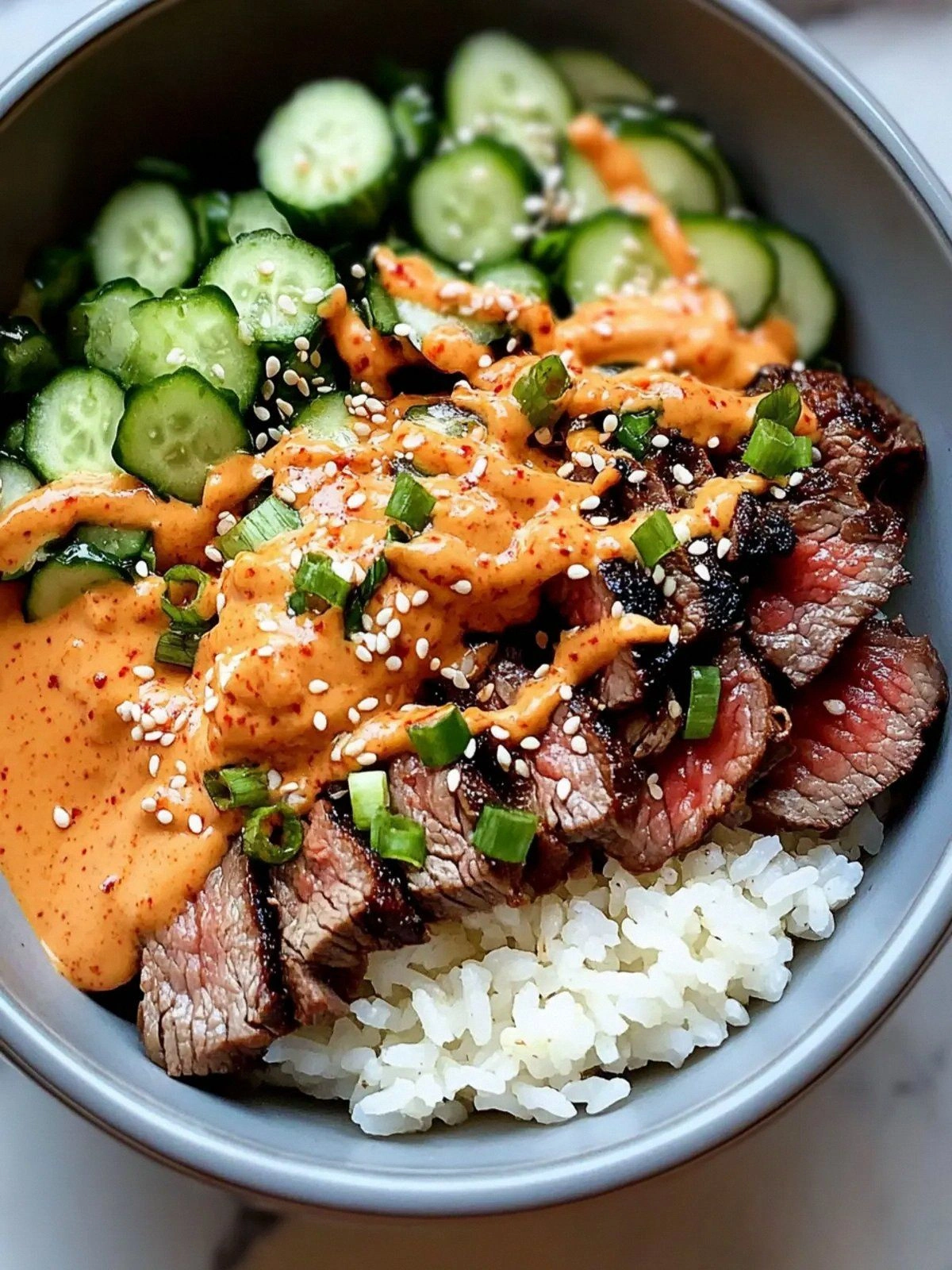
Picture the scene: a thick, glossy glaze drizzles over the steak, the air crackles with a caramelized aroma, and the sound of the pan is a low, comforting hum. The first bite is a symphony of textures—tender, slightly crisp on the outside, a burst of tang from the kimchi, and a whisper of heat from the red pepper flakes. Your tongue feels the velvety mayonnaise‑gochujang sauce, while the rice swallows the savory juices. The fresh cucumber and carrot ribbons add a bright, crisp counterpoint that keeps the dish from feeling too heavy.
What sets this version apart isn’t just the blend of Korean and Western flavors; it’s the meticulous layering of sauces, the precise timing of the steak’s sear, and the final flourish of lime‑infused cream that turns an ordinary bowl into a masterpiece. Most recipes get the sauce too thick, the steak too dry, or the rice too mushy. I dared to break the mold by introducing a quick, lime‑y cream that cuts through the richness and gives the dish a bright, refreshing edge. The result? A bowl that feels both indulgent and airy, a dish that practically sings when you serve it.
If you’ve ever felt that your BBQ steak was missing something, this recipe is the game‑changer you’ve been waiting for. By the end, you’ll be wondering why you ever settled for anything else. Let me walk you through every single step—by the time you finish, you’ll have a new favorite that will impress anyone who tastes it.
What Makes This Version Stand Out
- Taste: The marriage of soy, brown sugar, and gochujang creates a deep, layered flavor profile that feels both sweet and savory, with a subtle heat that lingers.
- Texture: The steak’s sear locks in juices while the rice remains fluffy; the cucumber and carrot add a satisfying crunch.
- Ingredient Quality: Using fresh, high‑quality kimchi and real lime juice elevates the dish beyond a generic fusion bowl.
- Simplicity: Despite its complex flavor, the recipe requires only one pan and a few minutes of prep.
- Crowd Reaction: Friends who’ve tried it swear it’s “hands down the best version you’ll ever make at home.”
- Make‑Ahead Potential: The sauce can be pre‑made, the steak sliced, and the rice reheated—perfect for busy weeknights.
Alright, let's break down exactly what goes into this masterpiece. I’ll give you the inside scoop on each component, why it matters, and what happens if you skip it.
Inside the Ingredient List
The Flavor Base
Soy sauce, brown sugar, sesame oil, garlic, ginger, rice vinegar, and red pepper flakes form the cornerstone of the glaze. Each component balances the others: the soy brings umami, the sugar adds caramelization, and the vinegar cuts through the richness. If you omit any of these, the sauce loses its depth and becomes one‑dimensional. For instance, skipping the vinegar will leave the sauce too sweet and heavy.
Choosing a high‑quality soy sauce is essential; a low‑salt, Korean “ganjang” offers a more complex profile than a generic Asian sauce. If you’re on a sodium budget, use a low‑sodium version and compensate with a splash of lime juice later. The red pepper flakes should be fresh for maximum heat; store them in an airtight container away from light to preserve their potency.
The Texture Crew
Jasmine rice, cucumber, carrot, kimchi, green onions, and sesame seeds are the textural pillars. Cooked jasmine rice provides a fluffy base that soaks up the sauce without becoming mushy. Fresh cucumber and carrot ribbons give a crisp bite that contrasts beautifully with the tender steak.
Kimchi adds fermented tang and a slight crunch, while green onions provide a sharp, oniony finish. Sesame seeds introduce a nutty aroma and subtle crunch that rounds out the dish. If you skip any of these, the bowl loses its multi‑sensory experience.
The Unexpected Star
The lime‑infused mayonnaise‑gochujang sauce is the secret weapon that ties everything together. The mayonnaise provides creaminess, the gochujang offers heat, and lime juice adds brightness. This sauce coats the rice and steak like velvet, creating a silky mouthfeel.
If you’re allergic to dairy, substitute the mayonnaise with a vegan alternative or use a small amount of Greek yogurt for a similar creaminess. The lime juice is crucial; without it, the sauce feels flat and cloying. A squeeze of fresh lime before serving can rescue an over‑sweet sauce.
The Final Flourish
Salt and pepper finish the dish, allowing each ingredient to shine. They’re the subtle balancing act that brings harmony to the bowl. A pinch of salt at the end of cooking enhances the umami, while a light dusting of pepper adds a fresh bite.
The final step—sprinkling sesame seeds and green onions—creates a visual pop and an aromatic finish. These small touches elevate the dish from simple to spectacular, making it Instagram‑ready.
Everything’s prepped? Good. Let’s get into the real action.
The Method — Step by Step
- Marinate the steak: In a bowl, whisk together soy sauce, brown sugar, sesame oil, minced garlic, grated ginger, rice vinegar, and red pepper flakes. Add the steak strips, cover, and let sit for at least 30 minutes. The sugar will help caramelize while the garlic and ginger infuse depth. If you’re short on time, a 15‑minute quick marination still works wonders. This step is the foundation of the flavor.
- Prep the veggies: While the steak marinates, slice cucumber and carrot into thin matchsticks. Chop kimchi into bite‑sized pieces and finely slice green onions. Toss the cucumber and carrot with a pinch of salt to keep them crisp. The fresh veggies will provide the essential crunch that balances the richness of the steak.
- Cook the rice: Rinse jasmine rice under cold water until the water runs clear. Combine with water in a rice cooker or pot, bring to a boil, then simmer until fluffy. Let it rest for 10 minutes before fluffing with a fork. The rice should be light and airy, ready to absorb the sauce without becoming soggy.
- Make the creamy sauce: In a small bowl, whisk mayonnaise, gochujang, lime juice, honey, and soy sauce until smooth. The lime juice brightens the sauce, while the honey balances the heat. Taste and adjust—add more lime for acidity or more honey for sweetness. This sauce will coat the rice and steak like velvet.
- Heat the skillet: Preheat a large cast‑iron or stainless‑steel pan over medium‑high heat. Add a splash of sesame oil, letting it shimmer. The pan should be hot enough that the steak sizzles on contact. A hot pan ensures a good sear without overcooking the meat.
- Sear the steak: Remove the steak from the marinating bowl, letting excess drip off. Place the steak strips in the hot pan in a single layer. Let them sear for 2 minutes on each side, or until a caramelized crust forms. Don’t move them too early; the Maillard reaction is key to flavor.
- Finish with sauce: Once the steak is seared, pour the glaze from the marinating bowl over the meat. Stir to coat evenly and let it simmer for 1 minute, allowing the sauce to thicken slightly. The steak should look glossy and fragrant. This step locks in the flavors and gives the steak a glossy finish.
- Assemble the bowl: Spoon a generous portion of rice into each bowl. Top with seared steak, then arrange cucumber, carrot, kimchi, and green onions artfully. Drizzle the creamy sauce over the entire bowl, letting it cascade over the rice and meat. Sprinkle sesame seeds for a nutty crunch.
- Final touch: Give the bowl a final squeeze of lime juice, if desired. The citrus will cut through the richness and add a fresh pop. Serve immediately, and watch the steam rise like a fragrant cloud.
- Enjoy: Take your first bite—feel the tender steak, the crisp veggies, the creamy sauce, and the fragrant rice all harmonizing. I dare you to taste this and not go back for seconds. Your taste buds will thank you.
That’s it—you did it. But hold on, I've got a few more tricks that'll take this to another level. Let’s dive into some insider knowledge that will make you feel like a culinary wizard.
Insider Tricks for Flawless Results
The Temperature Rule Nobody Follows
Many people cook steak at a low heat, thinking it’ll stay juicy. In reality, a high‑heat sear locks in juices and creates a caramelized crust that is flavor gold. Use a cast‑iron skillet and preheat it for at least 5 minutes. When you drop the steak, you should hear an audible sizzle that lasts about 10 seconds before the surface locks. If you hear a dull hiss, the pan isn’t hot enough.
Why Your Nose Knows Best
Trust your olfactory senses during the cooking process. The moment the glaze starts to bubble and the aroma turns nutty, it’s time to flip the steak. If you wait too long, the sugars burn and create a bitter taste. Likewise, if you flip too early, the steak will release too much liquid and become soggy. Your nose is the best judge of that sweet spot.
The 5-Minute Rest That Changes Everything
After searing, let the steak rest for exactly five minutes before slicing. This allows the juices to redistribute throughout the meat, ensuring every bite is juicy. Cutting into the steak too soon will cause the juices to escape, leaving the meat dry. A quick rest also lets the glaze settle and adhere better to the meat.
Use Fresh Lime Juice, Not Paste
Lime paste can be acidic and watery, which dilutes the sauce. Freshly squeezed lime juice has a bright, clean acidity that enhances the sauce’s brightness. Squeeze a lime right before serving to keep the flavor fresh. If you’re making the sauce ahead, add a splash of fresh lime to preserve that citrus punch.
Keep the Rice Fluffy
If the rice clumps together, it won’t absorb the sauce well. After cooking, fluff the rice with a fork and let it sit for 10 minutes. This step allows the grains to separate and creates a light base that absorbs the sauce beautifully. A sticky rice will feel heavy and overwhelm the delicate flavors.
Serve Immediately, or Reheat with Care
The dish tastes best when served fresh, but if you need to reheat, do it gently. Use a microwave with a splash of water or steam the bowl on the stove for a few minutes. Reheating too quickly can dry out the steak and thicken the sauce. A quick steam will keep everything moist and flavorful.
Creative Twists and Variations
This recipe is a playground. Here are some of my favorite ways to switch things up:
Spicy Peanut Twist
Swap the lime‑infused mayonnaise for a peanut butter‑based sauce. Combine creamy peanut butter, soy sauce, lime juice, and a dash of sriracha. The nutty flavor adds depth, and the sriracha boosts heat. This version is great for those who love a bit of crunch and a richer sauce.
Miso‑Marinated Steak
Replace the soy glaze with a miso‑based marination. Mix white miso, mirin, sesame oil, and ginger. The miso adds a savory umami that pairs beautifully with the rice. This variation gives the dish a slightly sweeter, earthier profile.
Veggie‑Heavy Bowl
Omit the steak entirely and double the veggies. Add sliced bell peppers, mushrooms, and a handful of spinach. Toss everything with the glaze and serve over rice. This makes a hearty, vegetarian option that still delivers on flavor.
Coconut Cream Finale
Use coconut milk instead of mayonnaise for a tropical twist. Blend coconut milk, lime juice, and a touch of honey until silky. The coconut adds a subtle sweetness that balances the heat. This variation is perfect for a beach‑side dinner or a quick lunch.
Korean Fried Rice Version
Turn the bowl into a fried rice dish. After searing the steak, add the rice to the pan and stir‑fry with the glaze. Toss in a beaten egg and a handful of peas for color. This version is a one‑pan wonder that’s even easier to clean up.
Sriracha‑Lime Drizzle
Add a drizzle of sriracha mixed with lime juice over the finished bowl. The bright acidity and fiery kick elevate the dish to a new level of excitement. This simple addition is a crowd‑pleaser for those who love a little extra heat.
Storing and Bringing It Back to Life
Fridge Storage
Store the assembled bowls in airtight containers for up to 3 days. Keep the rice separate from the sauce to prevent sogginess. When ready to eat, add a splash of water or a quick steam to refresh the rice. The sauce will re‑melt, keeping the dish moist and flavorful.
Freezer Friendly
The sauce and steak can be frozen separately for up to 2 weeks. Freeze the rice in a separate container to avoid clumping. When reheating, thaw the steak in the fridge overnight, then re‑heat in a skillet with a splash of water. The rice can be reheated in the microwave with a damp paper towel.
Best Reheating Method
The best way to reheat the bowl is to use a steamer or a microwave. Add a small splash of water to the rice to keep it moist. Reheat for 2 minutes on high, then stir in the sauce. The result will be close to the original texture and flavor.