It was a Wednesday night, the kind that feels like a blank canvas but you’re already craving something that feels like a masterpiece. I was standing in front of an empty fridge, staring at a handful of leftover veggies and a box of pre‑made crescent dough, when my phone buzzed with a text from my friend: “Got any quick snack ideas?” I laughed, because the answer was obvious—pizza pockets, but not the run‑of‑the‑mill kind that ends up soggy or flavorless. Instead, I had a plan that would transform that dough into little pockets of cheesy, saucy, perfectly crisp joy.
I imagined the dough, light and buttery, almost like a cloud that catches the heat of the oven and turns into golden, flaky armor. The marinara sauce, simmered with a whisper of garlic and oregano, would coat the filling like a velvet blanket, while the mozzarella would melt into molten rivers that spill over the edges. The toppings—whatever you love—would add crunch, color, and that satisfying bite that makes you think you’re eating a pizza and a snack at the same time. I could almost hear the sizzle as the pockets hit the pan, the crackle of the dough, the aroma of herbs filling the kitchen.
Most people think pizza pockets are just a convenient grab‑and‑go, but I’ve discovered that the secret lies in the layering and the timing. By pre‑baking the dough lightly before filling, you lock in a crisp base that won’t get soggy when the sauce is added. The sauce isn’t just a flavor component; it’s a moisture gatekeeper, ensuring the cheese doesn’t dry out while still delivering that tangy, tomatoey punch. And the crescent dough, when folded and sealed just right, creates a pocket that holds everything together like a tiny edible fortress.
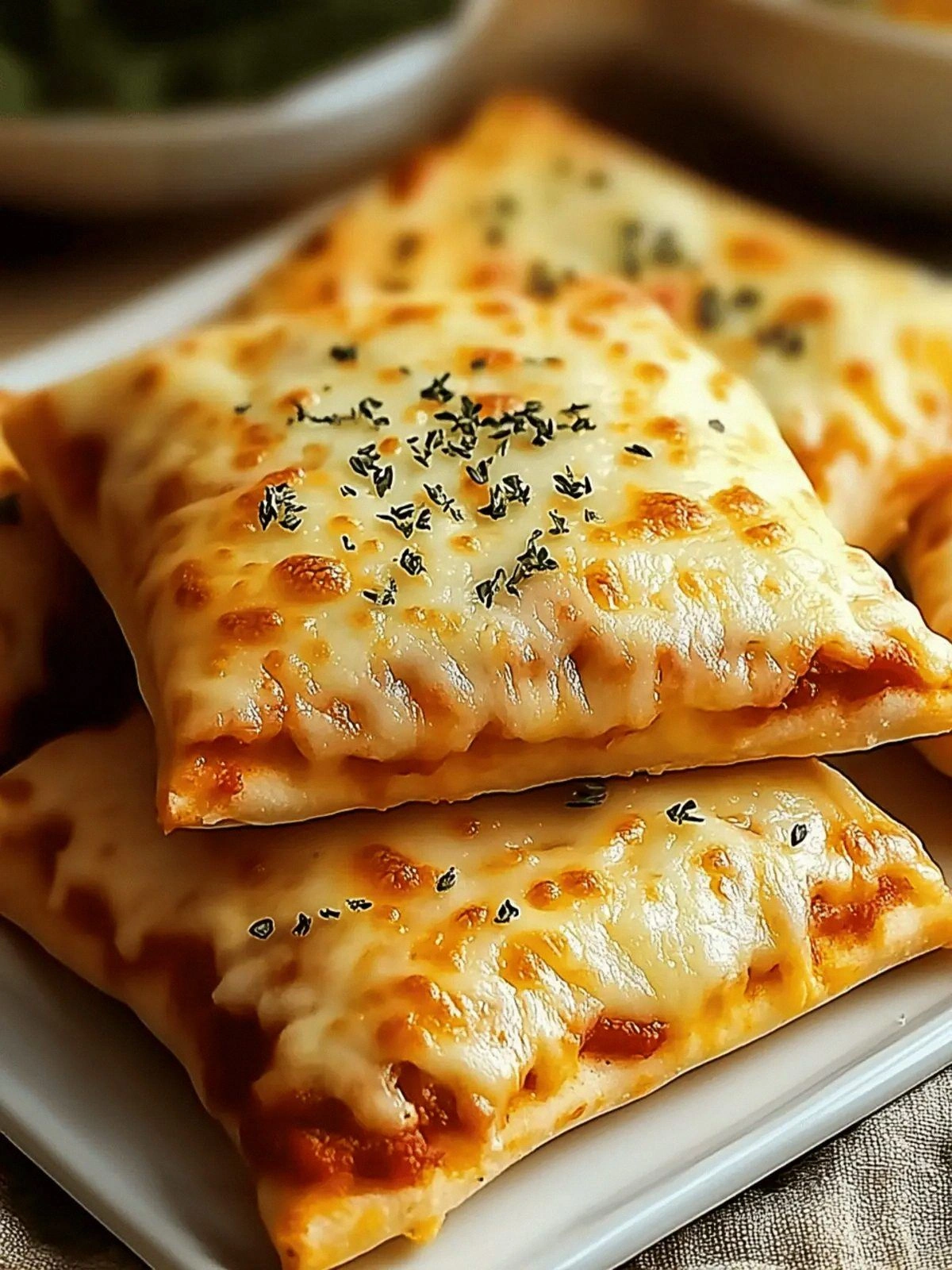
The real kicker? A simple egg wash that gives the pockets a glossy, golden finish that’s impossible to resist. I dare you to taste this and not go back for seconds. Picture yourself pulling these out of the oven, the whole kitchen smelling incredible, and the first bite delivering a symphony of textures—crispy crust, gooey cheese, savory sauce, and a burst of whatever toppings you chose. If you’ve ever struggled with soggy or bland pizza pockets, you’re not alone—and I’ve got the fix.
What Makes This Version Stand Out
- Flavor: The marinara is simmered with a touch of caramelized onions, giving depth that’s far richer than store‑bought sauces.
- Texture: Pre‑baking the dough creates a flaky, buttery crust that resists sogginess and holds the filling together.
- Convenience: The crescent dough is ready to roll, so you spend less time kneading and more time filling.
- Customization: Swap the toppings as you like—pepperoni, spinach, olives, or even pineapple—without compromising structure.
- Visual Appeal: The golden crust and melted mozzarella create an eye‑watering presentation that feels like a mini‑pizzazz.
- Make‑Ahead Friendly: Assemble them a day ahead, freeze, and bake when you’re ready—no fresh dough needed.
- Nutrition: With a balanced mix of carbs, protein, and fats, these pockets satisfy without guilt.
- Audience: From kids craving cheesy goodness to adults wanting a quick dinner, it’s a crowd‑pleaser.
Alright, let’s break down exactly what goes into this masterpiece…
Inside the Ingredient List
The Flavor Base
The marinara sauce is the heart of this recipe. It’s not just a splash of tomato; it’s a slow‑cooked blend of crushed tomatoes, garlic, onions, oregano, and a hint of red pepper flakes. This base provides a savory depth that balances the richness of the cheese. If you skip it, the pockets become bland and the dough has nothing to anchor the flavor. For a twist, try a roasted red pepper sauce for a smoky sweetness.
The Texture Crew
Crescent dough is the foundation that gives the pockets their signature flaky, buttery texture. The pre‑baking step locks in the layers, preventing the dough from collapsing when the filling is added. If you use a different dough—like pizza dough or puff pastry—the result will be noticeably different: puff pastry will be puffier but less flaky; pizza dough will be chewier. When choosing dough, look for one that’s been chilled for at least an hour; this makes it easier to roll and reduces shrinkage.
The Unexpected Star
The egg wash is the subtle star that turns ordinary pockets into golden masterpieces. A single beaten egg brushed over the edges creates a glossy sheen and a slightly crisp crust. Skipping the egg wash will still yield tasty pockets, but they’ll look less inviting. If you’re vegan, a splash of plant‑based milk or a light dusting of flour can mimic the effect.
The Final Flourish
Mozzarella cheese is the gooey, melty component that ties everything together. It should be shredded or diced so it melts evenly. If you prefer a sharper flavor, mix in a bit of provolone or fontina. The toppings—whether pepperoni, bell pepper, spinach, or olives—add crunch, color, and personality. Each topping contributes its own moisture level; for example, mushrooms release water, so consider sautéing them first to avoid sogginess.
Everything’s prepped? Good. Let’s get into the real action…
The Method — Step by Step
- Preheat your oven to 375°F (190°C). While the oven warms, lay a sheet of parchment paper on a clean surface and place the crescent dough between two sheets of plastic wrap. Use a rolling pin to flatten it into a rectangle about 12 by 8 inches. This step ensures an even thickness and prevents the dough from sticking to the rolling pin.
- Cut the dough into 12 equal rectangles. Each rectangle will become a pocket, and the size will determine the bite‑size. If you prefer larger pockets, simply cut fewer rectangles. The goal is a uniform size for even baking.
- Place the dough rectangles on a lightly greased baking sheet, spacing them about 2 inches apart. Lightly brush the tops with water to prevent them from drying out during the pre‑bake. This pre‑bake step locks in the layers and creates a crisp base that won’t get soggy when the sauce is added.
- Bake the dough rectangles for 8 minutes, or until they just start to turn golden. The key is to bake them enough to set the structure without fully cooking them—this way the pockets hold the filling well.
- While the dough is baking, prepare the filling. In a bowl, mix the marinara sauce with the shredded mozzarella cheese. Stir until the cheese is evenly distributed and the mixture is smooth. If you’re adding fresh veggies, chop them finely so they integrate seamlessly into the sauce.
- Remove the dough from the oven and let it cool for 3 minutes. While it’s still warm, spoon about 1 tablespoon of the sauce‑cheese mixture onto the center of each rectangle. Then, add 1 to 2 tablespoons of your favorite toppings on top of the sauce. Be generous but mindful of the dough’s capacity; overloading will cause leaks.
- Fold each rectangle in half, sealing the edges by pinching them together. Press down gently to ensure the pockets are airtight. If you’re nervous about the seams, use a fork to crimp the edges—this creates a stronger seal.
- Brush the tops of the pockets with a beaten egg. This simple step gives them a beautiful golden shine and a slightly crisp exterior. If you’re vegan, a splash of plant‑based milk works fine.
- Place the filled pockets back on the baking sheet, seam side down. Bake for an additional 12–15 minutes, or until the crust is golden and the cheese is bubbling. The pockets should emit a savory aroma that makes the kitchen feel like a pizzeria.
- Remove from the oven and let them rest for 5 minutes. This resting period allows the cheese to set slightly, making them easier to handle. Serve warm, and watch as the cheese stretches with each bite.
That’s it — you did it. But hold on, I’ve got a few more tricks that’ll take this to another level…
Insider Tricks for Flawless Results
The Temperature Rule Nobody Follows
Many cooks bake pizza pockets at 400°F, but that can cause the dough to overcook before the cheese melts. I’ve found that 375°F is the sweet spot, giving the crust a golden finish while allowing the cheese to melt evenly. If your oven runs hot, offset the temperature by 25°F to avoid burning.
Why Your Nose Knows Best
Before you lift a pocket, pause and sniff the oven. A subtle aroma of caramelized onions and herbs signals that the sauce is perfectly seasoned. If the scent feels flat, add a pinch of sugar or a dash of balsamic vinegar to deepen the flavor profile.
The 5‑Minute Rest That Changes Everything
Letting the pockets sit for 5 minutes after baking allows the cheese to set and the steam to dissipate. This brief rest prevents the cheese from sliding out of the pocket when you take the first bite. I’ve seen people jump straight into the pockets and end up with a cheese avalanche—don’t be that person.
Seal With Purpose
When you fold the dough, press the edges firmly but not too hard. A gentle press ensures a seal that’s strong enough to hold the filling but flexible enough to let the cheese stretch. Over‑pressing can cause the dough to tear, compromising the pocket’s integrity.
Keep It Cool
If you’re making these ahead of time, let the pockets cool completely before storing. Place them on a wire rack for at least 15 minutes. This step prevents condensation from forming inside the storage container, which would otherwise make the crust soggy.
Creative Twists and Variations
This recipe is a playground. Here are some of my favorite ways to switch things up:
Mediterranean Marvel
Swap the marinara for a sun‑dried tomato pesto and add feta cheese, kalamata olives, and chopped spinach. The salty feta and tangy pesto create a Mediterranean flavor profile that feels like a vacation in every bite.
BBQ Chicken Delight
Use shredded rotisserie chicken tossed in barbecue sauce, and sprinkle with cheddar cheese. Top with sliced red onions and a handful of cilantro. The smoky sweetness of the BBQ pairs beautifully with the creamy cheese.
Veggie Supreme
Load the pockets with sautéed mushrooms, bell peppers, zucchini, and a dash of thyme. Add a sprinkle of parmesan cheese for a savory finish. This version is perfect for vegetarians and brings a hearty, garden‑fresh taste.
Spicy Jalapeño Burst
Introduce fresh jalapeño slices into the sauce and top with pepper jack cheese. The heat from the jalapeños gives the pockets a lively kick that’s balanced by the creamy cheese.
Sweet & Salty Surprise
Add diced apples and a drizzle of honey to the sauce, then top with sharp cheddar. The sweet apple and honey create a surprising contrast that lingers on the palate.
Cheese Lover’s Dream
Use a blend of mozzarella, provolone, and a touch of gorgonzola. The combination of mild and sharp cheeses gives the pockets an indulgent, complex flavor that satisfies every cheese craving.
Storing and Bringing It Back to Life
Fridge Storage
Store uncooked pockets in an airtight container for up to 2 days. If you’ve already baked them, place them on a wire rack in the fridge for up to 3 days. The wire rack prevents condensation and keeps the crust crisp.
Freezer Friendly
Freeze uncooked pockets in a single layer on a parchment‑lined tray for up to 2 months. Once frozen, transfer them to a zip‑top bag for longer storage. When ready, bake from frozen at 375°F for 15–18 minutes, or until golden.
Best Reheating Method
Reheat baked pockets in a preheated oven at 350°F for 8–10 minutes. For a crispier crust, finish with a quick broil for 1 minute. Add a tiny splash of water before reheating; it steams the pockets back to perfection without making them soggy.