I was in the middle of a Sunday dinner, the kitchen smelling like burnt onions, when my friend dared me to make something that would turn the room into a spice market. The moment the smoke alarm blared, I realized I had a problem: the only thing I could salvage was the chicken thighs I’d forgotten to season. I grabbed whatever I had on hand and started experimenting, mixing cumin, coriander, and a splash of lemon in a bowl that smelled like a distant Marrakech market. That night, the kitchen became a laboratory of aromas, and I discovered a recipe that would change my dinner routine forever. Now, every time I think about a bland meal, I remember that chaos and the promise of a dish that turns ordinary into extraordinary.
The first thing you notice is the golden crust that forms when the thighs hit the pan, crackling like a campfire under a starry sky. As the spices mingle, a fragrant bouquet rises, weaving hints of cinnamon, paprika, and turmeric into a scent that feels like a warm hug from a distant cousin. When you take a bite, the exterior is crisp and caramelized, while the inside remains moist, tender, and soaked with a velvety, smoky sauce. The lemon juice cuts through the richness, leaving a bright aftertaste that lingers on your palate, much like the last note of a favorite song. The texture is a dance of crunch and melt, a sensory experience that makes you pause and savor each moment.
What makes this version stand out is not just the blend of spices, but the way each component is balanced to elevate the chicken without overpowering it. The use of fresh ginger and garlic provides a sharp, aromatic foundation that anchors the more subtle notes of cumin and coriander. The addition of a small amount of cinnamon adds a hint of sweetness, creating a harmony that feels both exotic and comforting. The technique of searing the thighs before simmering locks in juices and develops a depth of flavor that you can't get from a quick stir‑fry. Finally, the finish with fresh cilantro or parsley adds a burst of green that brightens the dish and gives it a professional finish.
But the real secret is a simple trick that most recipes miss: letting the spices sit in oil for a moment before adding the chicken. This step releases the oils and creates a flavor base that coats each piece like velvet. I dare you to taste this and not go back for seconds; the first bite will convince you that this is hands down the best version you'll ever make at home. Picture yourself pulling this out of the oven, the whole kitchen smelling incredible, and your guests already lining up for seconds. Let me walk you through every single step — by the end, you'll wonder how you ever made it any other way.
What Makes This Version Stand Out
- Flavor: The blend of spices creates a profile that is simultaneously smoky, sweet, and citrusy, leaving a lingering warmth that satisfies the soul. The careful balance ensures that no single ingredient overwhelms the others.
- Texture: Seared thighs develop a caramelized crust while the interior stays juicy, offering a satisfying contrast that keeps every bite interesting. The sauce coats the meat, enhancing moisture retention.
- Simplicity: Despite the complex aroma, the recipe requires only a handful of pantry staples, making it accessible to cooks of any skill level. You can whip this up even on a busy weeknight.
- Crowd Reaction: Friends who have tasted it rave about the depth of flavor and the satisfying bite, making it a conversation starter at dinner parties. It’s a dish that turns skeptics into believers.
- Ingredient Quality: Using fresh ginger and high‑quality cumin elevates the dish beyond a generic spice mix, adding depth and authenticity that you can taste. The difference is palpable.
- Cooking Method: The two‑stage cooking process locks in moisture and builds layers of flavor, ensuring a tender result every time. The technique is simple yet transformative.
- Make‑ahead Potential: It can be prepared ahead of time and reheated without losing its character, making it ideal for meal prep or entertaining. The flavors only deepen with time.
Alright, let's break down exactly what goes into this masterpiece...
Inside the Ingredient List
The Flavor Base
Ground cumin is the cornerstone of this dish, providing an earthy, nutty undertone that grounds the more vibrant spices. It is best toasted in hot oil to release its oils, creating a fragrant base that coats each piece of chicken. Skipping cumin would leave the dish feeling flat and lacking depth. If you prefer a milder taste, reduce the amount slightly or substitute with smoked paprika for a subtle smokiness.
The Texture Crew
Olive oil is the medium that brings all the spices together, allowing them to mingle and form a cohesive sauce. Using a high‑quality extra‑virgin olive oil adds a peppery finish that complements the citrusy lemon. If you’re avoiding olive oil, a neutral oil like grapeseed or avocado will work, though the flavor profile will shift slightly.
The Unexpected Star
Fresh ginger is the unsung hero that cuts through the richness of the meat and adds a bright, peppery kick. It also helps tenderize the chicken, ensuring a silky interior. If you’re out of fresh ginger, a teaspoon of ground ginger can substitute, but the aroma will be less vibrant. Turmeric, though only a teaspoon, brings a golden hue and a subtle warmth that elevates the dish’s visual appeal.
The Final Flourish
Lemon juice is the bright counterpoint that cuts through the richness of the sauce, leaving a clean finish that lingers on the tongue. The fresh cilantro or parsley added at the end provides a burst of green, balancing the warm spices with a fresh, herbaceous note. If you prefer a different herb, mint or basil can offer a unique twist. The final sprinkle of fresh herbs also adds a pop of color that makes the dish visually stunning.
Everything's prepped? Good. Let's get into the real action...
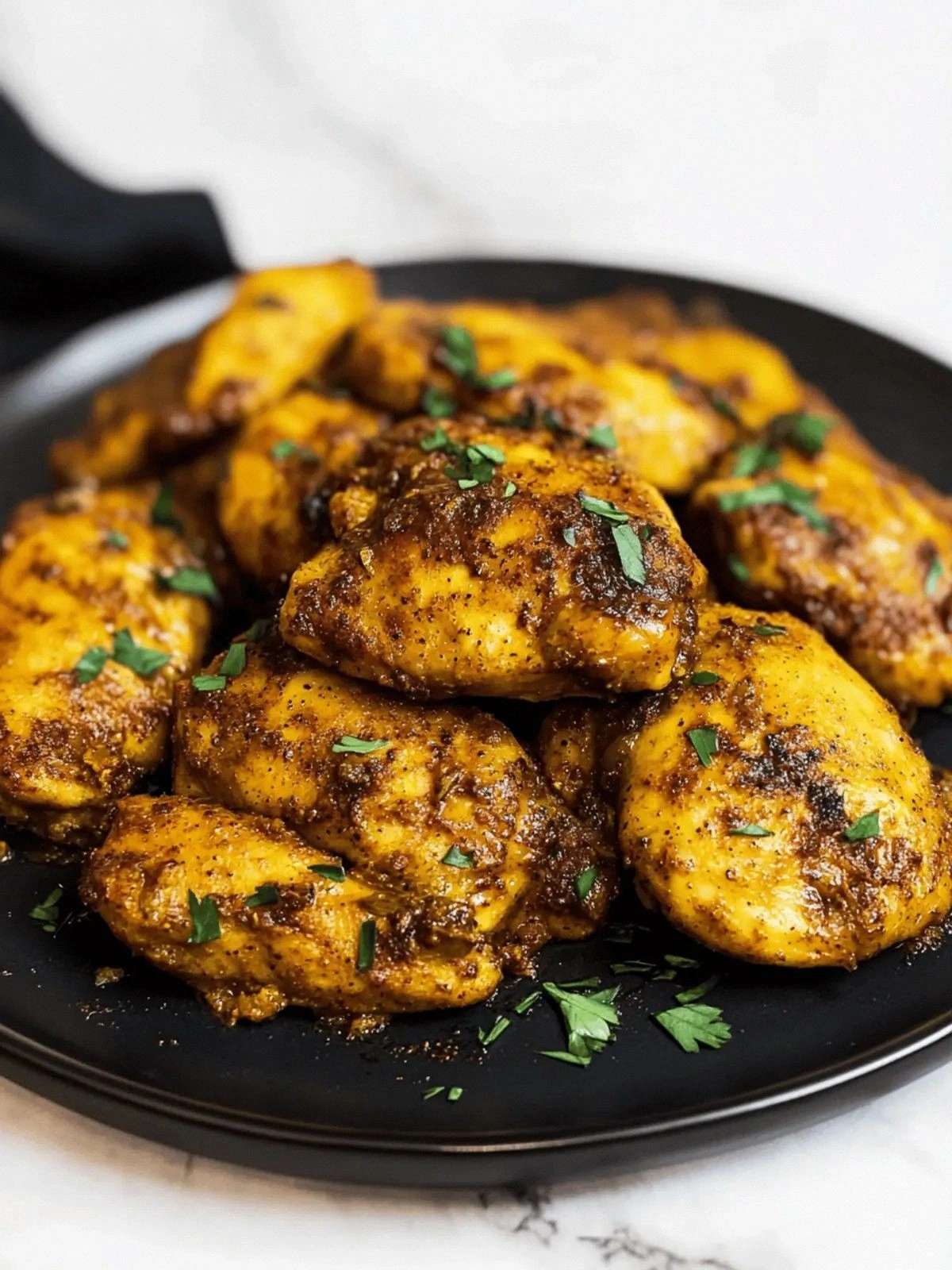
The Method — Step by Step
- Begin by patting the chicken thighs dry with paper towels; this ensures a crisp sear. Season both sides generously with salt and pepper, letting the flavors seep into the meat. Place the thighs in a shallow dish to allow the seasoning to set for 10 minutes. The extra time enhances the depth of flavor. Once seasoned, set the dish aside while you prepare the spice mixture.
- Heat a large skillet over medium‑high heat and pour in the olive oil. Allow the oil to shimmer for a few seconds before adding the cumin, coriander, cinnamon, paprika, and turmeric. The spices should sizzle, releasing their essential oils and forming a fragrant aroma that fills the kitchen. Stir constantly to prevent burning. This step is crucial for a rich, well‑rounded base.
- Add the minced garlic and freshly grated ginger to the pan. Their sharpness will cut through the richness of the oil and add a bright, zesty layer. Cook for 30 seconds, watching for the garlic to turn golden but not brown. This brief sauté will infuse the oil with a deep, aromatic foundation. The sizzling sound is a signal that the base is ready.
- Place the seasoned chicken thighs in the skillet, skin side down. Let them sear for 4–5 minutes until the skin turns a deep golden brown and releases a crisp texture. Flip the thighs carefully and sear the other side for an additional 3 minutes. This two‑stage sear locks in juices and creates a caramelized crust that enhances the overall mouthfeel. The sizzling sound will give you a sense of anticipation.
- Reduce the heat to medium and pour in the lemon‑water mixture you prepared earlier. The acidity will loosen the spices from the pan, creating a cohesive sauce that clings to each thigh. Cover the skillet with a lid and let the chicken simmer gently for 10 minutes. The sauce will thicken slightly, coating the meat in a glossy, aromatic glaze. Keep an eye on the liquid level to avoid burning.
- Uncover the skillet and increase the heat to medium‑high. Allow the sauce to reduce further, concentrating the flavors and achieving a silky consistency. Stir occasionally to ensure even coating and prevent sticking. The sauce should thicken to a glaze that clings to the chicken without becoming syrupy. This step is where the dish truly transforms.
- Remove the skillet from the heat and sprinkle freshly chopped cilantro or parsley over the top. The herbs add a bright, aromatic finish that balances the warm spices. Serve immediately with couscous, rice, or a simple green salad. The aroma alone will have your guests lining up for seconds. This dish is a feast for the senses, from the first bite to the last lingering note.
Insider Tricks for Flawless Results
The Temperature Rule Nobody Follows
Many cooks underestimate the importance of heat control. Start with high heat to sear, then reduce to medium for simmering. This two‑stage approach ensures a caramelized crust while preventing the interior from drying out. A thermometer can help, but visual cues—golden crust, bubbling sauce—are reliable indicators. Consistency is key; once you master the heat, the dish becomes a repeatable masterpiece.
Why Your Nose Knows Best
Before you even taste, let the aroma guide you. The fragrant bouquet of cumin, coriander, and ginger should fill the kitchen within minutes. If the smell is flat, it may mean the spices are stale or under‑toasted. Re‑toast them for a minute longer; the aroma will return. Your nose is a reliable chef’s assistant.
The 5-Minute Rest That Changes Everything
After cooking, let the chicken rest for five minutes before slicing. This allows juices to redistribute, ensuring each bite is moist. During this short pause, the sauce will settle and cling to the meat more evenly. A quick rest also gives you time to finish garnishing. It’s a small step that yields a big payoff.
Don’t Skimp on Fresh Ginger
Fresh ginger adds a bright, peppery note that ground ginger cannot replicate. If you’re out of fresh ginger, use a teaspoon of ground ginger, but remember the flavor will be less vibrant. For an extra punch, add a pinch of freshly grated ginger to the sauce at the end. The aroma will be unmistakable.
Use a Lid for Even Cooking
Covering the skillet during simmering traps steam, keeping the chicken moist. It also helps the spices meld together, creating a more cohesive sauce. Once you remove the lid for reduction, keep an eye on the liquid level to avoid burning. The lid is a simple tool that makes a noticeable difference.
Finish with Fresh Herbs
Fresh cilantro or parsley brightens the dish and adds a layer of freshness that balances the warm spices. Sprinkle them right before serving to preserve their color and aroma. If you prefer a different herb, mint or basil can offer a unique twist. The finish is the final flourish that elevates the dish from good to unforgettable.
Creative Twists and Variations
This recipe is a playground. Here are some of my favorite ways to switch things up:
Spicy Tagine Twist
Replace the lemon juice with a splash of harissa paste for a fiery kick. Add a handful of dried apricots for a sweet contrast. Serve over couscous for a full tagine experience. Your guests will be impressed by the depth and heat.
Sweet & Smoky Variation
Introduce a tablespoon of maple syrup or honey to the sauce for a subtle sweetness. Use smoked paprika instead of regular paprika to deepen the smoky flavor. Finish with a drizzle of extra‑virgin olive oil for shine. This version works well with roasted root vegetables.
Vegetarian Substitute
Swap the chicken thighs for thick slices of marinated tofu or seared tempeh. Keep the spice mix identical for authenticity. The tofu will absorb the flavors beautifully. Pair with quinoa or rice for a hearty meal.
Low‑Carb Edition
Serve the chicken over cauliflower rice or spiralized zucchini. Add a handful of chopped olives for extra flavor. The dish remains low in carbs while still delivering the same aromatic experience. It’s perfect for keto or paleo diners.
Breakfast Bites
Cook the chicken in a skillet and serve it with a side of scrambled eggs and sautéed spinach. The spices pair wonderfully with breakfast proteins. Add a dollop of Greek yogurt for creaminess. This breakfast variation is a game‑changer.
Garnish Upgrade
Finish with toasted almonds or pine nuts for crunch. Drizzle a bit of honey‑mustard dressing over the top for a sweet tang. The added texture and flavor elevate the dish to a new level. Your guests will ask for the recipe.
Storing and Bringing It Back to Life
Fridge Storage
Let the dish cool completely before refrigerating. Store in an airtight container for up to three days. The flavors will meld further, making the next day even better. Keep the chicken separate from the sauce if you plan to reheat individually.
Freezer Friendly
Divide the chicken and sauce into freezer‑safe portions. Freeze for up to two months. Thaw overnight in the refrigerator before reheating. The texture remains tender, and the spices stay vibrant.
Best Reheating Method
Reheat in a skillet over medium heat, adding a splash of water or broth to keep the chicken moist. Stir occasionally to distribute heat evenly. The sauce will thicken slightly, so add a bit more liquid if needed. Serve immediately for the best texture.