Picture this: I’m standing in a cramped kitchen, the smell of garlic sizzling in a pan, and I’ve just pulled a salmon fillet out of the oven only to find it as dry as a bad joke. I stared at it, feeling the sting of disappointment, and thought, “If I can’t even keep this fish moist, how am I supposed to impress anyone with a Mediterranean dish?” That night, I made a promise to myself that I would discover the ultimate stuffed salmon that would rescue any bland dinner and make the whole house smell like a sun‑kissed harbor.
The next day, I headed to the market, hunting for ingredients that would bring the Mediterranean to my table. I found fresh spinach that glistened like emerald leaves, sun‑dried tomatoes that promised a burst of umami, and a block of feta that smelled like the sea. I also grabbed a lemon, some herbs, and a handful of pine nuts. The air was peppered with citrus and olive oil, and my kitchen was suddenly a stage set for a culinary drama.
When I first tasted the finished dish, it felt like a revelation. The salmon was buttery and tender, the stuffing was creamy and packed with bright flavors, and the herbs lifted everything into a chorus of freshness. I could taste the tang of feta, the sweetness of sun‑dried tomatoes, the nutty crunch of pine nuts, and the zing of lemon—all wrapped in a flaky, perfectly cooked fish. That single bite made me realize this recipe was not just a meal; it was a passport to the Mediterranean.
What makes this version stand out is a secret technique I discovered during the prep: a quick brine of olive oil, lemon zest, and a splash of white wine that keeps the fish moist and infuses it with subtle citrus notes. And there’s a twist—adding a handful of chopped fresh dill to the filling gives the dish a fragrant, almost herbal perfume that sets it apart from ordinary stuffed salmon. I dare you to taste this and not go back for seconds.
Let me walk you through every single step—by the end, you'll wonder how you ever made it any other way.
What Makes This Version Stand Out
- Flavor Fusion: The combination of feta, sun‑dried tomatoes, and fresh herbs creates a taste profile that feels both comforting and exotic. Each bite delivers a burst of tang, sweetness, and herbal freshness that dances on the palate.
- Texture Contrast: The creamy stuffing contrasts with the flaky salmon and the crunchy pine nuts, giving every mouthful a satisfying bite that keeps you coming back for more.
- Moisture Mastery: A brief brine of olive oil, lemon zest, and white wine locks in moisture, preventing the fish from drying out and ensuring a buttery finish.
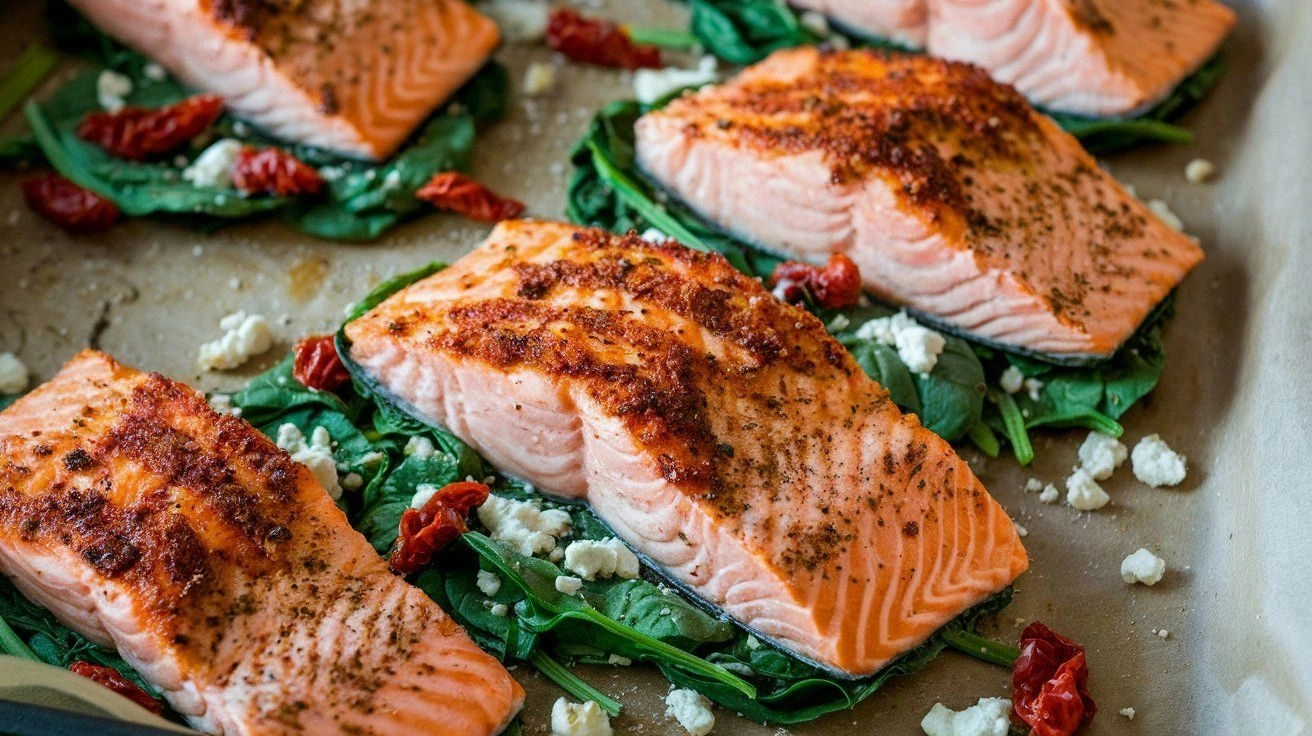
- Visual Appeal: The bright green spinach, golden sun‑dried tomatoes, and creamy feta create a vibrant color palette that looks as good as it tastes.
- Time Efficiency: From prep to plate, the entire process takes less than 45 minutes, making it ideal for week‑night dinners or last‑minute entertaining.
- Make‑ahead Friendly: The stuffed salmon can be assembled ahead of time, refrigerated, and baked when you’re ready, freeing up your evening for other tasks.
- Ingredient Quality: Using high‑quality, fresh ingredients elevates the dish to a gourmet level, even though the recipe itself is straightforward.
- Versatility: The recipe adapts effortlessly to dietary preferences—swap salmon for white fish or use a plant‑based filling for a vegetarian option.
Alright, let's break down exactly what goes into this masterpiece...
Inside the Ingredient List
The Flavor Base
Feta cheese—crumbled to a fine consistency—acts as the creamy backbone of the stuffing. Its briny tang balances the sweetness of sun‑dried tomatoes and the earthiness of spinach. Skipping feta would leave the filling dry and bland; the richness would be lost. If you’re lactose intolerant, try a plant‑based feta alternative, but keep the texture similar.
Sun‑dried tomatoes, chopped into small pieces, deliver a concentrated burst of umami. They also add a subtle sweetness that complements the sharpness of the feta. If you can’t find sun‑dried tomatoes, replace them with fresh tomatoes that have been lightly caramelized for a similar depth of flavor. Don’t skip this ingredient; the dish’s Mediterranean identity hinges on it.
The Texture Crew
Spinach, blanched and squeezed dry, brings a silky, green note that lightens the stuffing. The heat of blanching ensures the spinach doesn’t overpower the other flavors or release excess water. If you prefer a crunchier element, sprinkle toasted pine nuts on top before serving; they’ll add a delightful snap.
Pine nuts, toasted until golden, add a nutty aroma and a subtle crunch that contrasts nicely with the creamy feta. They also provide healthy fats that make the dish more satiating. If pine nuts are too pricey, chopped almonds or walnuts can serve as a suitable, budget‑friendly substitute.
The Unexpected Star
Fresh dill and parsley—each chopped finely—inject a bright, herbal fragrance that lifts the entire dish. Dill, in particular, is a classic Mediterranean herb that pairs beautifully with fish. If you’re allergic to dill, substitute with basil or oregano for a different, yet delicious, herb profile.
Lemon zest, grated finely, offers a citrusy brightness that cuts through the richness of the feta and the oil. It also enhances the overall aroma of the dish. If you’re out of lemons, a splash of white wine during the brine can mimic some of that acidity, but the zest is irreplaceable for flavor depth.
Everything's prepped? Good. Let's get into the real action...
The Method — Step by Step
- Brine the Fillets: In a shallow dish, whisk together 2 Tbsp olive oil, the zest of one lemon, a splash of dry white wine, 1 tsp sea salt, and ½ tsp freshly ground black pepper. Add the salmon fillets, ensuring they’re fully submerged, and let them rest for 10 minutes. This quick brine infuses the fish with moisture and subtle citrus flavor, preventing it from drying out during baking. The aroma of olive oil and lemon will already start to entice your senses.
- Prepare the Stuffing: In a bowl, combine 2 cups chopped spinach, ½ cup chopped sun‑dried tomatoes, 1 cup crumbled feta, 3 minced garlic cloves, 2 Tbsp chopped fresh parsley, 1 Tbsp chopped fresh dill, 1 Tbsp capers, and ¼ cup toasted pine nuts. Toss everything together until evenly mixed. The garlic will provide a sharp kick that balances the creaminess of the feta, while the capers add a briny punch reminiscent of the Mediterranean coast.
- Fill the Fillets: Lay each brined salmon fillet flat on a clean surface. Spoon about ¼ cup of the stuffing onto the center of each fillet, then fold the sides over to create a neat, sealed pocket. Secure the edges with a toothpick if needed. This ensures the stuffing stays inside during baking and gives the fillet a uniform shape.
- Season the Outside: Drizzle the remaining 1 Tbsp olive oil over the stuffed fillets, then sprinkle a light dusting of sea salt and freshly ground pepper. This step adds a crisp, savory crust that contrasts with the creamy interior. The oil also helps the fillets brown nicely in the oven.
- Preheat the Oven: Set your oven to 400 °F (200 °C). The temperature is crucial for a quick cook that locks in moisture while giving the salmon a slightly golden finish. Keep the oven rack centered to ensure even heat distribution.
- Bake the Stuffed Salmon: Arrange the fillets on a parchment‑lined baking sheet. Bake for 12–15 minutes, or until the fish flakes easily with a fork and the filling is hot and bubbly. The edges should start pulling away, indicating that the fish is cooked through. The internal temperature should reach 145 °F (63 °C) for optimal safety.
- Finish with Lemon: Squeeze fresh lemon juice over the baked fillets. The acidity brightens the dish and balances the richness of the feta. A few thin lemon slices can also be placed on top for an extra burst of citrus aroma.
- Serve Immediately: Plate the salmon fillets on warmed plates, garnish with extra dill or parsley if desired, and serve alongside a crisp green salad or roasted vegetables. The dish should be enjoyed hot; the stuffing will soften slightly as it cools, so the texture will shift from creamy to silky.
That's it — you did it. But hold on, I've got a few more tricks that'll take this to another level...
Insider Tricks for Flawless Results
The Temperature Rule Nobody Follows
Many chefs swear by a high‑temperature finish to crisp the exterior, but I’ve found that baking at 400 °F (200 °C) strikes the perfect balance. It cooks the fish quickly enough to lock in moisture while still giving a golden crust. If you’re using a convection oven, reduce the temperature by 25 °F to avoid over‑browning.
Why Your Nose Knows Best
Trust your sense of smell—when the salmon is halfway through baking, the scent of olive oil and lemon should fill the kitchen. If the aroma is faint, the fish might be undercooked. If it smells burnt, pull it out immediately. My friend once left the salmon on the rack too long, and the kitchen smelled like a burnt kitchen; it was a culinary lesson learned the hard way.
The 5‑Minute Rest That Changes Everything
After removing the salmon from the oven, let it rest for 5 minutes before cutting into it. This allows the juices to redistribute, keeping the fish moist and tender. Skipping this step often results in a dry center, which defeats the purpose of this recipe.
Use Fresh Herbs, Not Dried
Fresh herbs bring bright, vibrant flavors that dried herbs can’t match. The subtle, lively taste of fresh dill and parsley elevates the dish and makes it feel like a genuine Mediterranean experience. If you’re short on time, use a small amount of dried herbs, but be sure to add them at the end of cooking to preserve their aroma.
Add a Splash of White Wine
Incorporating a splash of dry white wine into the brine not only adds depth but also helps the fish retain moisture during baking. The wine’s acidity complements the lemon zest, creating a harmonious citrus profile. If you prefer a non‑alcoholic version, use a small amount of white grape juice.
Use a Toothpick for a Perfect Seal
Securing the stuffed fillets with a toothpick ensures the filling stays inside and prevents leaks. The toothpick also helps you monitor the cooking process—once the fish is done, the toothpick will come out clean. If you’re vegan or allergic to metal, use a wooden skewer instead.
Creative Twists and Variations
This recipe is a playground. Here are some of my favorite ways to switch things up:
Mediterranean Veggie Pack
Swap the salmon for a thick white fish like cod or halibut, and add diced zucchini, bell peppers, and olives to the stuffing. This vegetarian version still carries the Mediterranean vibe but offers a lighter, plant‑based option.
Spicy Kick
Add a pinch of crushed red pepper flakes to the stuffing for a subtle heat that pairs wonderfully with the feta. The spice balances the richness and brings an extra layer of complexity.
Herb‑Infused Olive Oil
Infuse the olive oil used for brushing the fillets with fresh rosemary or thyme before baking. The aromatic oil permeates the fish, giving it a fragrant, herbaceous finish.
Pine Nut Pesto Swirl
Swirl a spoonful of homemade pine nut pesto into the stuffing before sealing the fillets. The pesto adds a nutty, garlicky depth that elevates the flavor profile.
Lemon‑Garlic Marinade
Marinate the salmon in a mixture of lemon juice, minced garlic, and olive oil for 30 minutes before stuffing. This pre‑marinade intensifies the citrusy brightness and infuses the fish with a robust garlicky flavor.
Cheesy Surprise
Replace half of the feta with a blend of goat cheese and mozzarella for a milder, creamier filling that still holds the Mediterranean essence. The combination offers a richer, more indulgent experience.
Storing and Bringing It Back to Life
Fridge Storage
Store leftover stuffed salmon in an airtight container in the refrigerator for up to 2 days. Keep the fillets on a plate lined with parchment paper to prevent sticking. When ready to eat, reheat in a preheated oven at 300 °F (150 °C) for 10 minutes or until warmed through.
Freezer Friendly
For longer storage, wrap each stuffed fillet individually in plastic wrap and place them in a freezer bag. They can be kept in the freezer for up to 3 months. Thaw overnight in the refrigerator before reheating.
Best Reheating Method
To reheat without drying out, sprinkle a light drizzle of olive oil over the fillets and cover them with foil. Heat in a preheated oven at 300 °F (150 °C) for 10–12 minutes. A tiny splash of water before reheating can help steam the fish back to its original moistness.