I was standing in my tiny Honolulu kitchen, the rain tapping against the windows, when a sudden craving hit me like a wave crashing on Kaanapali Beach. I had just tried to grill a plain old steak on the grill and ended up with a charcoal‑kissed disaster that tasted like regret and smoke. I stared at the charred slab, sighed, and thought, “There’s got to be a better way to get that island vibe without the burnt‑to‑a‑crisp fiasco.” That moment turned into a dare from my roommate: “Make something that tastes like Maui’s best BBQ joints, but with an Asian twist, and I’ll bring the fresh pineapple for dessert.” I accepted, and the kitchen turned into a laboratory of flavors, aromas, and a little bit of mischief.
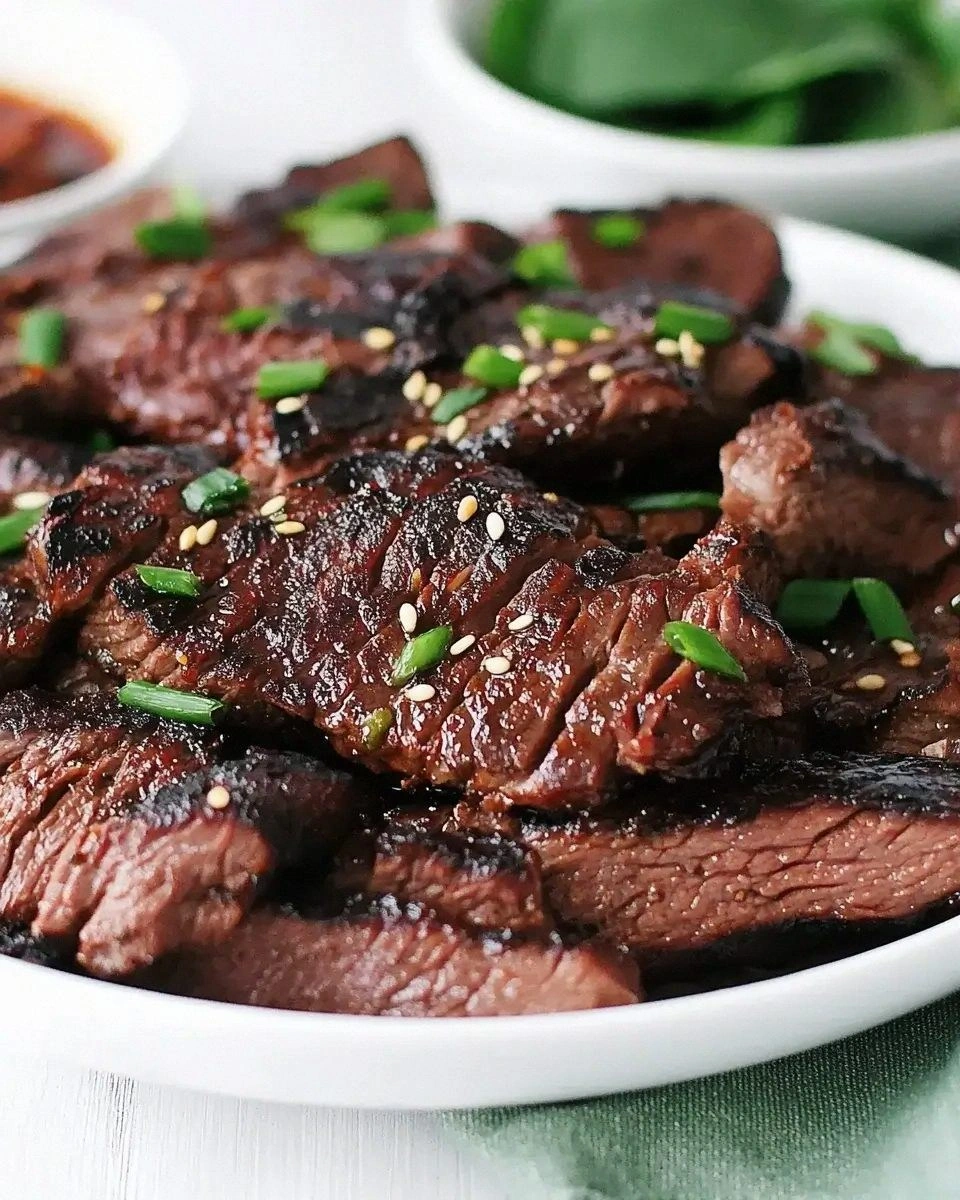
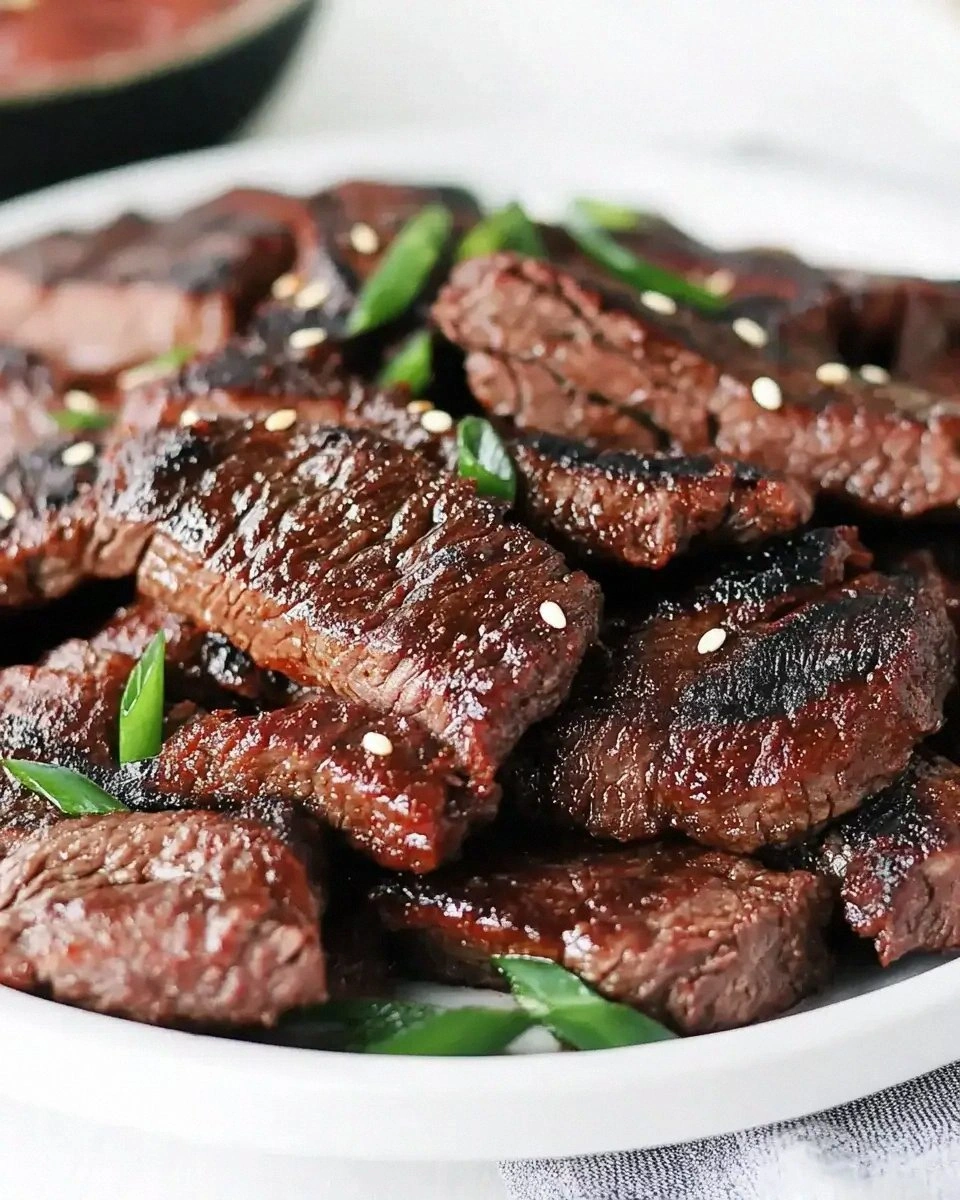
Picture this: the sizzle of a hot cast‑iron pan, the fragrant perfume of garlic and ginger dancing together, a glossy amber sauce swirling around strips of beef like a tropical sunset. The air fills with a sweet‑savory perfume that makes you want to hug the stove. The beef, once a tough flank, becomes buttery‑soft, each bite delivering a perfect balance of salty soy, bright rice vinegar, and a whisper of heat from red pepper flakes. You hear the faint crackle of sesame seeds popping, feel the tender meat sliding off the fork, and taste the lingering warmth of sesame oil that clings to your palate like a soft luau blanket.
What sets this version apart from every other “Asian BBQ beef” you’ll find on the internet is the marriage of traditional Hawaiian grilling spirit with a meticulously balanced Asian glaze. Most recipes either drown the meat in sugar or forget the essential umami depth that soy sauce brings. I’ve honed this sauce to coat the beef like velvet, letting the natural beef flavor shine while adding a subtle tang that makes you want to lick the plate clean. And there’s a secret ingredient that most people skip – a splash of rice vinegar that cuts through the richness and keeps the dish feeling light enough for a summer evening on the beach.
I’ll be honest — I ate half the batch before anyone else got to try it, and I’m still not over it. I dare you to taste this and not go back for seconds; the combination of smoky char, sweet‑spicy glaze, and crunchy sesame is practically addictive. Okay, ready for the game‑changer? Let me walk you through every single step — by the end, you’ll wonder how you ever made it any other way.
What Makes This Version Stand Out
- Flavor Explosion: The blend of soy, brown sugar, and rice vinegar creates a sweet‑savory harmony that hits every taste bud, while the ginger and garlic add an aromatic punch that lingers long after the last bite.
- Texture Triumph: By searing the flank steak at a blistering high heat first, you lock in juices, then finish it in the sauce so the edges become caramelized and the interior stays melt‑in‑your‑mouth tender.
- Simplicity Meets Sophistication: Only ten ingredients, most of which you probably already have in your pantry, yet the result feels like a dish you’d order at a high‑end island restaurant.
- Unique Twist: The splash of rice vinegar is the secret weapon that brightens the glaze, preventing it from becoming cloying and keeping the dish feeling fresh.
- Crowd‑Pleaser: This dish consistently gets rave reviews at potlucks; people keep asking for the recipe, and you’ll become the hero of every gathering.
- Ingredient Quality: Using a good‑grade flank steak and high‑quality soy sauce makes a world of difference – you’ll taste the difference in every bite.
- Cooking Method: The two‑step process (sear then glaze) ensures a perfect crust without overcooking the interior, a technique that works even if you’re a novice.
- Make‑Ahead Potential: The beef actually improves after a few hours in the fridge as the flavors meld, making it perfect for meal prep or a next‑day lunch.
Inside the Ingredient List
The Flavor Base
The backbone of this dish is the soy sauce, which brings a deep, salty umami that anchors the entire flavor profile. A quarter cup might sound modest, but it’s enough to coat every strip of beef without overwhelming the natural meat taste. If you’re using low‑sodium soy, you may want to add a pinch more salt to keep the balance. Brown sugar adds that caramelized sweetness, turning the glaze into a glossy, amber‑colored sauce that clings to the meat like a second skin. The two tablespoons of rice vinegar cut through the sweetness, adding a bright acidity that prevents the sauce from feeling heavy.
The Aroma Crew
Garlic and fresh ginger are the dynamic duo that give this dish its signature aroma. Two cloves of garlic, minced finely, release a pungent, earthy scent that immediately makes your mouth water. Fresh ginger, grated just before use, adds a warm, peppery bite that lifts the entire dish. If you’re out of fresh ginger, a teaspoon of ground ginger works in a pinch, but the flavor won’t be as vibrant. Black pepper and red pepper flakes provide the subtle heat – the black pepper rounds out the flavor while the flakes add a gentle, lingering sting that makes you reach for more.
The Texture Crew
Sesame oil is the secret that gives the glaze a nutty, buttery finish, and it also helps the sauce emulsify, creating that luxurious coating on the beef. Two green onions, sliced diagonally, add a fresh crunch and a pop of color that brightens the final presentation. Finally, sesame seeds are toasted just before serving, offering a delicate crunch that contrasts beautifully with the tender meat. If you’re allergic to sesame, try toasted pumpkin seeds for a similar crunch without the flavor clash.
The Final Flourish
The final flourish is all about balance – a pinch of black pepper, a dash of red pepper flakes, and a drizzle of sesame oil right at the end. This ensures every bite has layers of flavor that evolve as you chew. The key is to taste as you go; if the sauce feels too salty, a splash more rice vinegar can rescue it. If it’s not sweet enough, a quick sprinkle of brown sugar will bring it back to that perfect caramelized sheen.
Everything's prepped? Good. Let's get into the real action…
The Method — Step by Step
-
Start by patting the flank steak dry with paper towels; moisture is the enemy of a good sear. Season both sides generously with black pepper and a pinch of salt, then let it rest for five minutes while you heat the pan. This short rest allows the seasoning to penetrate the meat and the surface to dry, which is crucial for that coveted crust. Heat a heavy cast‑iron skillet over medium‑high heat until it’s almost smoking, then add a tablespoon of sesame oil – the oil should shimmer but not smoke.
Kitchen Hack: Slice the flank steak against the grain into ½‑inch strips before cooking for an even quicker sear and more tender bites. -
Place the steak strips into the hot pan, making sure not to overcrowd – you may need to do this in batches. Let them sizzle untouched for about 2‑3 minutes; you’ll hear a satisfying “sear” that signals the Maillard reaction is happening. Flip once and sear the other side for another 2 minutes. The edges should start pulling away from the pan, and you’ll notice a deep brown crust forming.
-
While the meat is searing, whisk together the soy sauce, brown sugar, rice vinegar, minced garlic, grated ginger, and red pepper flakes in a small bowl. The brown sugar should dissolve completely, creating a smooth, glossy mixture. This is the moment where the flavors meld – the garlic and ginger release their oils, the vinegar adds brightness, and the soy sauce brings depth.
-
Once the steak is beautifully seared, reduce the heat to medium‑low and pour the sauce directly into the pan. You’ll hear a gentle hiss as the liquid meets the hot pan, and the sauce will begin to thicken almost immediately. Stir constantly with a wooden spoon, scraping up any caramelized bits from the bottom – those are flavor gold. Let the mixture simmer for 4‑5 minutes until it coats the meat in a thick, sticky glaze.
Watch Out: If the sauce starts to burn, quickly add a splash of water or extra vinegar to deglaze and lower the heat. -
When the glaze has reached a syrupy consistency, stir in the sesame oil for that final nutty sheen. This is the moment of truth – the sauce should be glossy, clinging to each strip of beef like a tropical sunset on the ocean. Taste and adjust: a pinch more black pepper for depth, a dash more red pepper flakes if you crave heat, or a drizzle of honey if you want extra sweetness.
-
Transfer the beef to a serving platter, sprinkling the sliced green onions over the top for a fresh crunch and bright color. Then, toast the sesame seeds in a dry skillet over low heat for about 30 seconds until they turn golden and fragrant, and scatter them across the dish. The toasted seeds add a subtle crunch that contrasts with the tender beef and glossy sauce.
Kitchen Hack: Use a spice grinder to crush the toasted sesame seeds just before sprinkling – this releases more aroma and prevents clumping. -
Let the dish rest for three minutes; this allows the glaze to settle and the flavors to marry fully. During this time, the steam continues to infuse the meat, making each bite juicier. While you wait, set the table with a simple cucumber salad or a side of jasmine rice to balance the richness.
-
Finally, serve the Maui‑Style Asian BBQ Beef hot, straight from the pan or after a quick re‑warm in a low oven if you prepared it ahead. Pair it with a chilled glass of pineapple‑infused water or a crisp white wine, and watch as your guests dive in without hesitation. That sizzle when it hits the pan? Absolute perfection. And the moment the first bite hits your tongue? Pure bliss.
That's it — you did it. But hold on, I've got a few more tricks that'll take this to another level…
Insider Tricks for Flawless Results
The Temperature Rule Nobody Follows
Never cook flank steak on low heat; you’ll end up with a tough, rubbery texture. The secret is a scorching hot pan for the first two minutes, then a quick drop to medium‑low for the glaze. This rapid temperature shift sears the exterior while keeping the interior juicy. I once tried cooking the entire thing on medium heat – the result was a soggy mess that even my dog refused. Trust the heat, and you’ll get that perfect caramelized crust every time.
Why Your Nose Knows Best
Your sense of smell is the ultimate doneness gauge. When the sauce starts to emit a sweet‑savory aroma with a hint of toasted sesame, you’re close to the perfect glaze thickness. If you can smell the caramel notes without any burnt undertones, the sauce is ready. I’ve found that relying on visual cues alone can be deceptive; the nose never lies. So keep that nose trained and you’ll avoid over‑cooking the sauce.
The 5‑Minute Rest That Changes Everything
Resting the beef after cooking isn’t just for roasts – it works wonders for strips too. During the rest, the muscle fibers relax and re‑absorb the juices that were pushed to the surface during searing. This short pause makes each bite buttery soft. I once served the beef immediately, and the juices pooled on the plate, leaving the meat a bit dry. Take five minutes, cover loosely with foil, and you’ll notice the difference instantly.
Sauce Rescue: The Water Splash
If your glaze threatens to burn, a splash of water (or even a splash of extra rice vinegar) can save the day. This deglazes the pan, loosens the caramelized bits, and brings the sauce back to a silky consistency. It’s a trick my grandma taught me when she was perfecting her own Hawaiian‑Asian fusion dishes. The key is to add the liquid gradually, stirring constantly, until you achieve the desired thickness.
The Sesame Seed Toast
Toast sesame seeds just before serving, not ahead of time. The heat of the pan releases their oils instantly, giving a burst of aroma that can’t be replicated if they sit too long. A quick 30‑second toast in a dry skillet does the trick. If you over‑toast, they become bitter and ruin the balance. Keep an eye on them – they go from golden to burnt in a heartbeat.
Creative Twists and Variations
This recipe is a playground. Here are some of my favorite ways to switch things up:
Pineapple‑Infused BBQ
Add half a cup of crushed pineapple to the sauce before simmering. The tropical sweetness pairs beautifully with the soy base, and the acidity helps tenderize the beef even more. This version is perfect for a luau‑themed party.
Spicy Sriracha Kick
Stir in a tablespoon of sriracha or gochujang into the glaze for a bold, smoky heat. Adjust the red pepper flakes down to 1/8 teaspoon to keep the spice level balanced. Your friends will love the extra kick.
Coconut‑Milk Curry Fusion
Swap half of the soy sauce for coconut milk and add a teaspoon of curry powder. This creates a creamy, aromatic sauce that feels like a cross‑cultural hug. Serve over jasmine rice for a complete meal.
Gluten‑Free Version
Use tamari instead of regular soy sauce to keep the dish gluten‑free without sacrificing flavor. The rest of the ingredients are naturally gluten‑free, making this a safe option for anyone with sensitivities.
Vegetarian Substitute
Replace the flank steak with thick slices of portobello mushrooms or firm tofu cubes. Marinate them in the same sauce and follow the same searing steps. The mushrooms absorb the glaze beautifully, offering a meaty texture without the animal protein.
Storing and Bringing It Back to Life
Fridge Storage
Place any leftovers in an airtight container and refrigerate for up to three days. The glaze actually deepens in flavor as it sits, so the second day can be even better than the first. When reheating, add a splash of water or a drizzle of sesame oil to revive the sauce’s shine.
Freezer Friendly
Cool the beef completely, then transfer it to a freezer‑safe bag, removing as much air as possible. It will keep for up to two months. To thaw, move it to the fridge overnight, then reheat gently in a skillet over low heat, adding a tablespoon of water if needed.
Best Reheating Method
The stovetop is your best friend for reheating. Heat a non‑stick pan over medium heat, add the beef and a teaspoon of water, and stir until the sauce becomes glossy again. This method prevents the meat from drying out and restores the original texture. Microwaving is okay in a pinch, but you’ll lose some of that coveted caramelized crust.