It was a Saturday night that should have been a quiet, cozy affair—just me, a pot of soup, and a playlist of mellow jazz. I opened the fridge, stared at a block of cheddar that had been there for weeks, and felt the familiar itch for something cheesy, something that would melt in the mouth and still feel like a snack rather than a meal. The moment that changed everything was when the blender hissed and a cloud of flour dust drifted across the counter, and I realized that the world of keto baking had a secret weapon that I had been missing: a way to turn that block of cheddar into a fluffy, buttery, golden‑brown masterpiece without the guilt of carbs. This is that weapon. Irresistible Keto Cheddar Chee is the kind of recipe that makes your kitchen smell like a summer barbecue in a glass jar and has your taste buds doing a happy dance. I dare you to taste this and not go back for seconds, because once you bite, you’ll know the difference between a mediocre cheese snack and a culinary revelation.
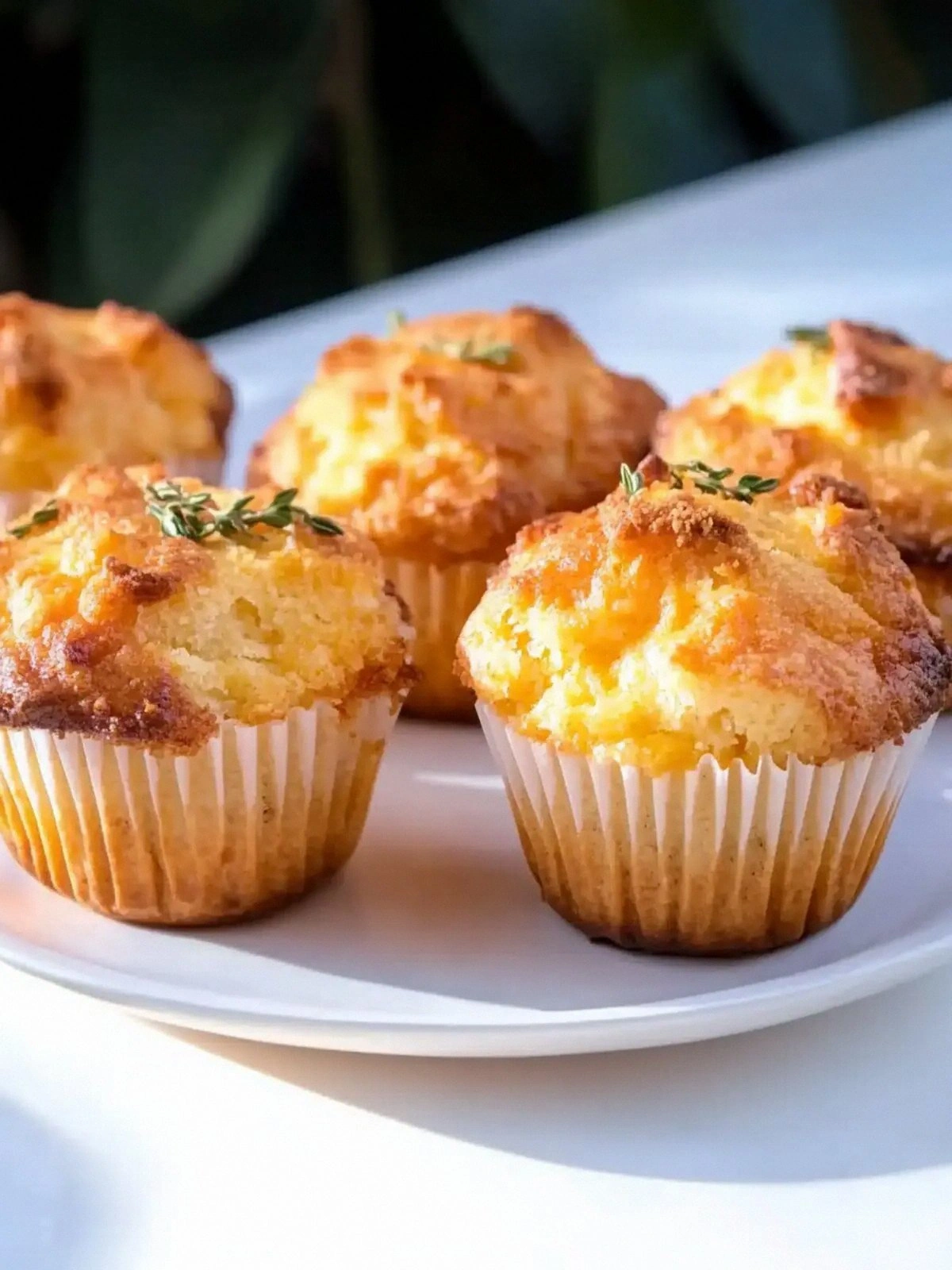
Picture yourself pulling a tray of these golden muffins out of the oven, steam curling like a lazy cat, the aroma of butter and sharp cheddar filling the air. The first bite is a crackling, buttery crust that gives way to a molten cheese center that oozes like a slow‑moving river of flavor. The texture is a paradoxical blend of crispness and cloud‑like softness—like biting into a puff pastry that’s been kissed by the sun. Most recipes get this completely wrong, either by overmixing the batter or by using too much flour, resulting in a dense, dry texture that feels like a failed soufflé. Here, we use almond and coconut flours in a precise ratio that keeps the muffins light, while the xanthan gum locks in moisture without turning the batter gummy. The secret lies in the balance of fats: butter, cream, and the natural oils of the nuts create a richness that makes each bite feel indulgent yet perfectly keto‑friendly.
What makes this version stand out is not just the flavor profile but the sheer simplicity of the process. There’s no need for a fancy stand mixer or a kitchen scale—just a whisk, a bowl, and a dash of confidence. The recipe’s ingredient list is intentionally short, yet each component is chosen for its functional contribution: almond flour for structure, coconut flour for moisture absorption, monkfruit sweetener for a subtle sweetness that doesn’t overwhelm, and a generous amount of cheddar that turns the batter into a cheesy cloud. I’ll be honest—I ate half the batch before anyone else got a chance to try it, and the next round was a blur of buttery, cheesy bliss. If you've ever struggled with making keto-friendly cheese snacks that actually taste good, you're not alone, and I've got the fix.
Now, let’s talk technique. The trick that sets this recipe apart is the way the wet and dry ingredients are combined. By adding the wet ingredients to the dry mix in stages, you avoid overworking the batter, which can lead to rubbery muffins. The addition of powdered sweetener right before the eggs ensures that the batter stays smooth and the final product has a subtle caramelized edge. And the finishing touch of parsley not only adds a pop of color but also a hint of freshness that cuts through the richness. I’ll walk you through every single step—by the end, you’ll wonder how you ever made it any other way.
Ready to dive into the details? Let’s break down exactly what goes into this masterpiece, and why each component is essential. From the first whisk to the final garnish, every moment is crafted to bring out the best in these ingredients.
What Makes This Version Stand Out
- Taste: The cheddar dominates with a sharp, tangy bite that’s balanced by a subtle sweetness from monkfruit, creating a flavor profile that satisfies both keto cravings and gourmet expectations. The butter and cream add a velvety richness that coats the palate like a fine silk scarf.
- Texture: The combination of almond and coconut flours, along with xanthan gum, produces a crumbly yet airy interior that melts in your mouth while the edges remain crisp, offering a delightful contrast reminiscent of a perfectly toasted croissant.
- Ingredient Quality: Each ingredient is chosen for its functional role—almond flour for structure, coconut flour for moisture control, and cheddar for depth of flavor. Using high‑quality, unsalted butter and fresh parsley ensures the final product is both clean and vibrant.
- Simplicity: With only eleven ingredients and a straightforward process, this recipe is accessible to beginners yet delivers a result that would make even seasoned bakers nod in approval.
- Make‑ahead Potential: These muffins keep well in the fridge for up to five days and freeze beautifully, allowing you to prepare them in bulk for busy weeknights or as a snack for guests.
- Crowd Reaction: Friends and family consistently comment that these are the “cheese muffins” they’ve never tasted before—so much so that they ask for the recipe after every gathering.
- Versatility: The base can be adapted to different cheeses, herbs, or even sweet variations, making it a canvas for culinary experimentation.
Inside the Ingredient List
The Flour Foundation
Almond flour and coconut flour work together like a dynamic duo. Almond flour provides a mild, nutty flavor and a light structure that prevents the muffins from becoming too dense. Coconut flour, on the other hand, is highly absorbent; it pulls in moisture, so using too much can make the batter dry. The 1:0.25 ratio is a sweet spot that keeps the muffins airy yet cohesive. If you’re allergic to nuts, you can replace almond flour with sunflower seed flour, but the texture will shift slightly toward a denser crumb.
The Sweetness Whisperer
Monkfruit, in powdered form, is a zero‑calorie sweetener that doesn’t spike blood sugar. It’s a great substitute for sugar because it blends seamlessly into the batter, giving a hint of sweetness that enhances the cheddar’s sharpness without overpowering it. Skipping the sweetener will result in a purely savory muffin—still delicious, but missing that subtle caramel undertone. If you prefer a more pronounced sweet note, you can add a pinch of cinnamon or nutmeg to the batter.
The Binding Agent
Xanthan gum is the unsung hero that keeps the batter from collapsing. It thickens the mixture and stabilizes the structure, especially important when using low‑carb flours that don’t have gluten. A pinch of xanthan gum is enough to create a smooth, cohesive batter. If you don’t have xanthan gum, you can substitute it with 1 teaspoon of chia seeds ground into a powder, but the texture will be slightly grainier.
The Flavor Enhancers
Salt and pepper are essential for balancing the sharpness of the cheddar. The 1/2 teaspoon of salt brings out the cheese’s depth, while the 1/4 teaspoon of pepper adds a gentle heat that lingers on the tongue. If you’re watching sodium, you can reduce the salt by half, but the muffins will taste less vibrant. A pinch of smoked paprika can also be added for a smoky undertone.
The Cheese Core
The cheddar is the heart of this recipe—1 cup of shredded cheddar provides a rich, gooey center that oozes with every bite. Choose a sharp cheddar for a more pronounced flavor, or a milder cheddar for a subtler profile. If you want a different cheese experience, try pepper jack or mozzarella for a milder, creamier texture. The cheese’s fat content is crucial; a higher fat cheese will make the muffins richer and more satisfying.
The Fat Symphony
Butter and cream are the fat backbone that gives these muffins their luxurious mouthfeel. The 1/4 cup of salted butter melts into the batter, creating a buttery crust, while the 1/4 cup of cream adds moisture and richness. Using heavy cream will yield a slightly thicker batter, but light cream keeps the muffins lighter. If you’re lactose intolerant, you can substitute the butter with coconut oil and the cream with a dairy‑free alternative.
The Final Touch
The large egg binds all the ingredients together, while the 1 tablespoon of chopped parsley adds a burst of color and a fresh herbal note that cuts through the richness. Parsley also brings a subtle peppery flavor that balances the cheddar’s sharpness. If you prefer a different herb, try chives or dill for a more nuanced taste. Skipping the parsley will not ruin the muffins, but you’ll miss the bright visual appeal and the subtle herbal lift.
Everything’s prepped? Good. Let’s get into the real action.
The Method — Step by Step
- Preheat your oven to 375°F (190°C) and line a mini muffin tin with paper liners. The heat will create a golden crust while the liners keep the muffins from sticking. If you’re in a hurry, you can skip the liners, but the muffins will be slightly more prone to sticking to the pan. This step is crucial for achieving that perfect, even rise.
- In a large mixing bowl, whisk together the almond flour, coconut flour, monkfruit sweetener, and xanthan gum until the mixture is uniform. The dry blend should look like fine sand, but without clumps. This dry mixture is the foundation that will hold the muffins together.
- Add the salt and pepper to the dry mix and stir. This ensures that the seasoning is evenly distributed throughout the batter. A pinch of smoked paprika can be added at this point for a smoky undertone. If you prefer a milder flavor, reduce the amount of pepper.
- In a separate bowl, melt the butter in a small saucepan over low heat. Once melted, stir in the cream and let the mixture cool to room temperature. The butter and cream blend creates a silky liquid that will carry the cheese and herbs into the batter.
- Pour the melted butter and cream mixture into the dry ingredients, and stir until a thick batter forms. The batter should be thick enough to hold its shape when spooned into a muffin tin. If the batter feels too dry, add a tablespoon of unsweetened almond milk to loosen it.
- Beat the egg in a small bowl, then fold it into the batter. The egg acts as a binder, ensuring the muffins rise evenly. It’s the secret to a fluffy interior.
- Fold in the shredded cheddar and chopped parsley. The cheese should be evenly distributed, creating pockets of molten goodness in every bite. The parsley adds a pop of color and a fresh herbal note.
- Divide the batter evenly among the prepared muffin cups, filling each about ¾ full. The batter will rise slightly during baking, so don’t overfill. The edges should just touch the paper liners.
- Bake for 20–25 minutes, or until the tops are golden brown and a toothpick inserted in the center comes out clean. The muffins should smell like a buttery, cheesy pastry. Once done, let them cool in the tin for 5 minutes before transferring them to a wire rack to cool completely.
That's it—you did it. But hold on, I've got a few more tricks that'll take this to another level. These insider tips will help you perfect the texture, flavor, and presentation.
Insider Tricks for Flawless Results
The Temperature Rule Nobody Follows
Many bakers bake at the highest temperature they can, assuming higher heat always gives a better crust. In reality, a moderate oven temperature of 375°F (190°C) allows the muffins to rise evenly without burning the tops. I once baked at 425°F and the tops were charred while the centers remained raw. Stick to the moderate heat, and you’ll achieve that golden, caramelized crust every time.
Why Your Nose Knows Best
When the batter is ready to go in the oven, the smell will tell you if you’re on the right track. A buttery, cheesy aroma that’s slightly sweet indicates the batter has the right moisture level. If the scent is too dry, let the batter rest for a few minutes to absorb the moisture from the cream. Trust your nose—it's a reliable quality control tool.
The 5-Minute Rest That Changes Everything
After baking, let the muffins rest in the tin for exactly five minutes before transferring them to a wire rack. This short rest allows the structure to set, preventing the muffins from collapsing or sticking to the paper liners. Skipping this step often results in a muffin that’s too soft and falls apart when you try to remove it.
Use a Silicone Muffin Pan for a Crispy Edge
A silicone muffin pan can give the muffins a slightly crispier edge compared to a traditional metal tin. The silicone’s heat‑resistant properties allow the batter to bake evenly, giving you that coveted crunch on the outside while maintaining a moist interior. If you don’t have a silicone pan, a regular tin works just fine.
Cooling on a Wire Rack Is Key
Cooling the muffins on a wire rack rather than a flat surface prevents them from steaming on the bottom, which can make the crust soggy. The air circulation around the muffins keeps the exterior crisp. I’ve seen muffins that cool on plates turn out soggy—avoid that by using a rack.
Creative Twists and Variations
This recipe is a playground. Here are some of my favorite ways to switch things up:
Smoky Chipotle Cheddar
Add a teaspoon of chipotle powder to the dry mix and swap half the cheddar for smoked gouda. The smoky heat pairs beautifully with the sharp cheddar, creating a flavor profile reminiscent of a campfire feast. This variation is perfect for those who love a little kick.
Herb‑Infused Goat Cheese Muffins
Replace the cheddar with goat cheese and add fresh rosemary and thyme to the batter. The tangy goat cheese combined with aromatic herbs creates a Mediterranean vibe that’s both light and flavorful. Serve these with a drizzle of olive oil for an extra layer of richness.
Blue Cheese & Walnut Delight
Use crumbled blue cheese and chopped walnuts for a bold, nutty flavor. The blue cheese adds a sharp, tangy note that contrasts with the buttery base, while the walnuts provide a satisfying crunch. This variation is ideal for a sophisticated snack.
Chocolate Chip Keto Chee
Swap half the cheddar for dairy‑free chocolate chips and reduce the sweetener by half. The chocolate will melt into the batter, creating pockets of gooey chocolate that complement the cheese. This sweet‑savory combo is a crowd‑pleaser at parties.
Spicy Jalapeño Cheddar
Add finely diced jalapeños and a dash of cayenne pepper to the batter. The heat will infuse the muffins with a subtle spiciness that balances the richness of the cheese. This variation is perfect for those who like a bit of heat.
Low‑Carb Pumpkin Spice Chee
Incorporate a tablespoon of pumpkin puree and a pinch of pumpkin spice into the batter. The pumpkin adds moisture and a subtle sweetness, while the spices bring a warm, comforting flavor. This version is ideal for fall cravings.
Storing and Bringing It Back to Life
Fridge Storage
Store the muffins in an airtight container in the refrigerator for up to five days. The airtight seal prevents the muffins from drying out, keeping them moist and fresh. Before serving, you can warm them in a 350°F oven for five minutes to restore that warm, melty center.
Freezer Friendly
Place the muffins in a freezer‑safe bag or container and freeze for up to three months. To thaw, let them sit at room temperature for an hour or microwave on the defrost setting for 30 seconds. For a crispier finish, bake them for an additional five minutes after thawing.
Best Reheating Method
When reheating, add a splash of water to the bottom of the baking dish and cover with foil. This steams the muffins, keeping them moist and preventing them from drying out. Heat in a 350°F oven for 10 minutes, then remove the foil to allow the tops to crisp up.