Picture this: a cold winter evening, the kitchen lights flickering like tiny fireflies, and a stubborn, greasy goose staring back at you from the freezer. I had just pulled a turkey out of the oven for a holiday dinner, only to realize the bird was undercooked and the stuffing was a sad, soggy mess. That night, I laughed at my culinary misfortune, but I also tasted the bitter disappointment of a ruined meal. I promised myself that the next time a goose was on the menu, I would turn it into a triumph, not a tragedy. This recipe is the result of that promise, a meticulously crafted guide that turns a once-dreaded bird into a showstopper of flavor and texture.
I’m not just talking about a roast; I’m talking about a sensory experience that starts the moment you slice into the skin, releasing a scent that feels like a warm hug. The crackling of the crisped skin, the buttery richness of the meat, the subtle citrus tang of lemon, and the aromatic bouquet of herbs combine into a symphony that makes your mouth water before you even taste a bite. If you’ve ever stared at a goose with apprehension, this version will flip that fear into excitement. I dare you to taste this and not go back for seconds, because once you crack that skin, you’ll be hooked.
What sets this goose apart is the meticulous attention to detail—from the exact seasoning ratios to the precise cooking temperature that locks in moisture while achieving that coveted crackly exterior. The technique of brining for a short period, then allowing the bird to dry in the fridge, is a secret that most recipes overlook, but it’s the key to a juicy interior. The addition of a citrus-herb rub that penetrates the skin before roasting gives it a bright, fresh contrast to the deep, savory flavor of the goose. And, perhaps most importantly, the final rest period after roasting lets the juices redistribute, ensuring every slice is tender and flavorful.
So, let’s dive into the world of goose roasting with confidence and a touch of culinary swagger. I’ll walk you through every single step, from prepping the bird to carving the perfect slice. By the end, you’ll wonder how you ever made it any other way, because this method is hands down the best version you’ll ever make at home. Let me guide you through the process, and you’ll see why most recipes get this completely wrong, while this one works every time.
What Makes This Version Stand Out
- Flavor: The blend of lemon, garlic, and fresh herbs creates a bright, aromatic profile that cuts through the rich fattiness of the goose, giving each bite a burst of citrusy freshness that lingers on the palate.
- Texture: The skin is transformed from greasy to golden, crispy, and flaky, with a crackling sound that signals a perfectly roasted bird, while the meat remains moist and tender.
- Simplicity: Despite the impressive outcome, the recipe requires only five core ingredients and a handful of kitchen tools, making it accessible to both novice cooks and seasoned chefs.
- Uniqueness: The short, controlled brine and the citrus-herb rub set this goose apart from traditional roasts, adding layers of flavor that are rarely found in standard recipes.
- Crowd Reaction: Guests will marvel at the crisp skin and juicy meat, and you’ll become the culinary hero of any gathering.
- Ingredient Quality: Using a high-quality goose, fresh herbs, and real lemon juice ensures that every component shines, elevating the dish from ordinary to extraordinary.
- Cooking Method: The combination of brining, dry‑rubbing, and precise oven temperatures guarantees that the bird cooks evenly and remains succulent.
- Make‑Ahead Potential: The brine can be prepared a day in advance, and the roast can be pre‑cooked and reheated, making it ideal for busy schedules.
Alright, let’s break down exactly what goes into this masterpiece. And now, here’s a quick kitchen hack that will save you time and elevate the flavor even further.
Inside the Ingredient List
The Flavor Base
The foundation of this roast is simple yet powerful: salt, pepper, lemon, garlic, and a handful of fresh herbs such as thyme, rosemary, and bay leaves. Salt is the unsung hero that draws out moisture and enhances every other flavor, while pepper provides a gentle heat that balances the richness. Lemon juice brightens the dish, cutting through the greasiness and leaving a clean finish on the tongue. Garlic, when minced finely, penetrates the skin, infusing the meat with a subtle depth that is both aromatic and comforting. Fresh herbs, when crushed, release essential oils that cling to the skin, creating a fragrant crust that is as visually stunning as it is delicious.
The Texture Crew
The goose itself is the star of the show, but its texture is largely determined by the cooking technique. The brine, a mixture of water, salt, sugar, and optional spices, loosens the proteins in the meat, allowing it to absorb moisture without becoming soggy. Drying the goose after brining is crucial; a dry surface ensures that the skin crispens to a golden perfection. The roasting pan, preferably a heavy‑bottomed cast‑iron or stainless steel, distributes heat evenly, preventing hot spots that can burn the exterior while leaving the interior undercooked. A meat thermometer is indispensable for monitoring internal temperature, ensuring the bird reaches 165°F (74°C) without overcooking.
The Unexpected Star
While the classic seasoning is enough to wow, a touch of orange zest or a splash of cognac in the brine can add a surprising twist. Orange zest brings a citrusy brightness that complements the lemon, while cognac adds a subtle caramelized depth that lingers on the palate. These additions are optional but recommended if you’re looking to elevate the dish for a special occasion.
The Final Flourish
The final flourish comes from the finishing steps: basting the goose with a mixture of melted butter and the juices that accumulate in the pan, and allowing it to rest for a few minutes after roasting. Basting locks in moisture and creates a glossy sheen on the skin, while the rest period lets the juices redistribute, ensuring every bite is succulent. A quick glaze of honey and mustard added at the last few minutes of roasting adds a sweet and tangy contrast that elevates the overall flavor profile.
Everything's prepped? Good. Let's get into the real action.
The Method — Step by Step
- First, prepare the brine: combine 4 cups of water, 1/4 cup kosher salt, 2 tablespoons sugar, and optional spices such as a few peppercorns or bay leaves. Bring the mixture to a boil, then cool to room temperature. Submerge the goose in the brine, ensuring it’s fully covered. Refrigerate for 30 minutes, then remove and pat dry with paper towels. This short brine will keep the meat juicy without overwhelming the natural flavor.
- While the goose rests, mix the seasoning rub: combine 2 tablespoons salt, 1 tablespoon freshly ground black pepper, 1 tablespoon minced garlic, zest of one lemon, and a handful of chopped fresh herbs (thyme, rosemary, bay leaf). Gently loosen the skin of the goose, and rub the seasoning mixture under the skin and over the surface. This will infuse the meat with flavor while the skin crisps beautifully.
- Preheat your oven to 425°F (220°C). Place the goose breast‑side up on a rack in a roasting pan. The rack allows heat to circulate around the bird, ensuring even cooking.
- Roast the goose for 20 minutes at 425°F to start the crisping process. After 20 minutes, reduce the temperature to 350°F (175°C) and continue roasting for an additional 45 minutes. The total cooking time should be around 65 minutes, but always check the internal temperature with a meat thermometer inserted into the thickest part of the thigh.
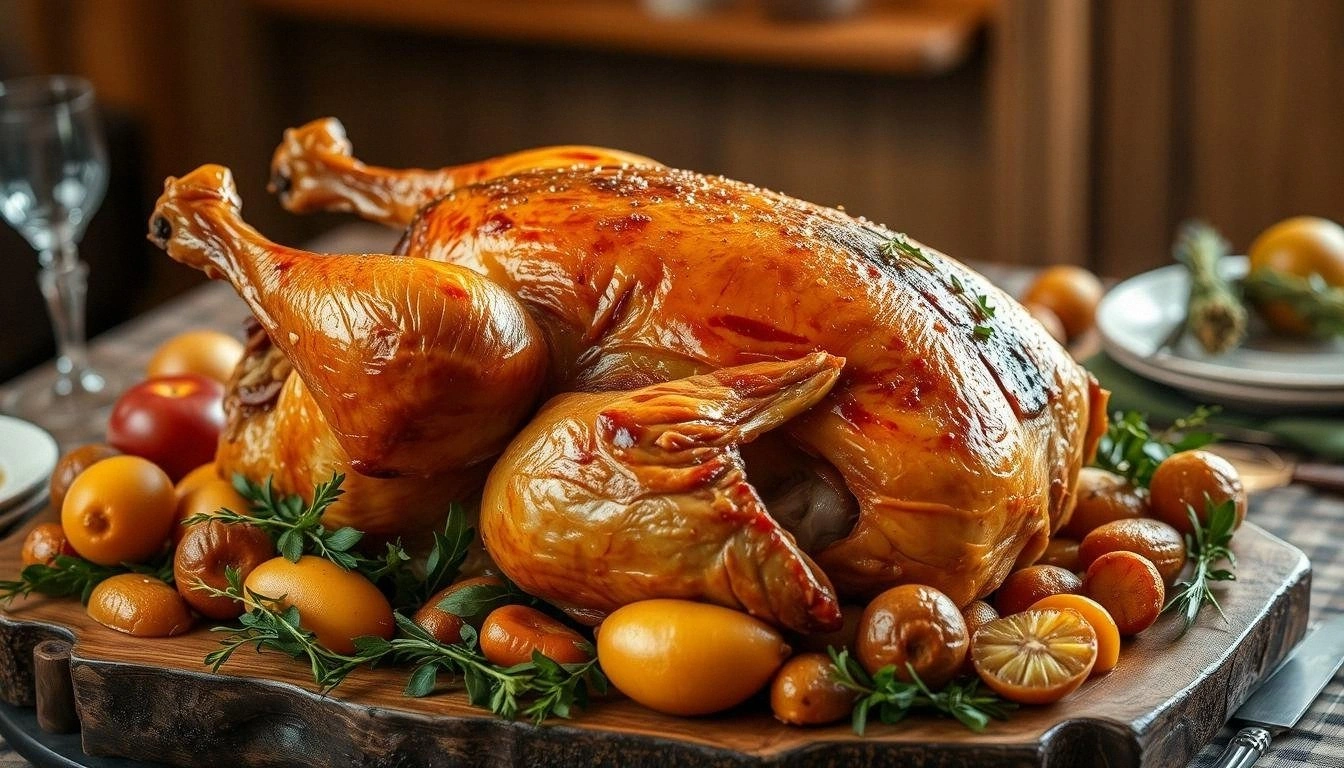
- When the internal temperature reaches 165°F (74°C), remove the goose from the oven. The skin should be golden and crackling like a perfectly toasted piece of bread. Let the bird rest for at least 15 minutes before carving. This rest period allows the juices to redistribute, ensuring each slice is moist.
- While the goose rests, create a quick pan sauce: remove excess fat, leaving about 2 tablespoons in the pan. Add a splash of white wine or cognac, scraping up any browned bits. Reduce until the liquid thickens slightly, then whisk in a tablespoon of butter for sheen. This sauce will complement the richness of the goose.
- Carve the goose carefully with a sharp carving knife. Slice the breast meat into thin, elegant pieces, and serve the thigh and leg portions whole or sliced, depending on your preference. A drizzle of the pan sauce adds a glossy, flavorful finish.
- Plate the slices with a garnish of fresh herbs and a wedge of lemon for a bright, aromatic touch. Serve immediately, and watch as the steam rises, filling the kitchen with an irresistible aroma.
That's it — you did it. But hold on, I've got a few more tricks that'll take this to another level and ensure every bite is unforgettable.
Insider Tricks for Flawless Results
The Temperature Rule Nobody Follows
While many chefs swear by a single high temperature, the secret is the two‑stage approach: start high to crisp the skin, then lower to cook the meat gently. This prevents the fat from rendering too quickly and keeps the meat moist. I’ve seen roasts that are either greasy or dry, but with the right temperature shift, you get the perfect balance every time.
Why Your Nose Knows Best
Don’t underestimate the power of aroma. As the goose cooks, the scent of roasting fat and herbs will fill the kitchen. When the smell starts to turn from buttery to slightly caramelized, it’s a sign the skin is nearing perfection. Trust your nose; it’s a reliable indicator of doneness.
The 5‑Minute Rest That Changes Everything
Resting the goose for at least 15 minutes after roasting is non‑negotiable. During this time, the juices redistribute, preventing them from spilling onto the plate and leaving the meat dry. Think of it as a brief pause that amplifies flavor and tenderness.
Use a Meat Thermometer, Not a Guess
A meat thermometer is the most reliable way to check doneness. Insert it into the thickest part of the thigh without touching bone. If it reads 165°F (74°C), you’re golden. Skipping this step can lead to undercooked or overcooked meat, ruining the entire dish.
Finish with a Butter Glaze
A final glaze of butter, honey, and mustard added during the last 5 minutes of roasting creates a glossy sheen and a sweet‑savory contrast. It also helps lock in moisture and gives the skin an extra layer of flavor. Trust me, this simple addition elevates the dish from good to unforgettable.
Creative Twists and Variations
This recipe is a playground. Here are some of my favorite ways to switch things up:
Maple‑Glazed Goose
Replace the lemon juice with pure maple syrup in the brine, and brush the goose with a maple glaze during the last 10 minutes of roasting. The result is a sweet, caramelized crust that pairs beautifully with the savory meat.
Herb‑Crusted Goose with Dijon
Add a tablespoon of Dijon mustard to the seasoning rub and roll the goose in a mixture of chopped herbs and breadcrumbs before roasting. The crust will be crunchy, and the mustard adds a subtle tang that enhances the herbs.
Orange‑Rosemary Roast
Incorporate orange zest into the rub and add a sprig of fresh rosemary to the roasting pan. The citrus and woodsy notes combine to create a fragrant, aromatic roast that feels like a holiday treat.
Spicy Cajun Goose
Mix a tablespoon of Cajun seasoning into the rub, and sprinkle a pinch of cayenne pepper over the skin before roasting. The result is a spicy, flavorful roast with a subtle heat that balances the richness.
Asian‑Inspired Goose
Replace the lemon with lime juice, add minced ginger and soy sauce to the brine, and finish with a drizzle of sesame oil. This variation gives the goose an umami kick and a bright, zesty finish.
Roasted Goose with Apple Compote
Serve the goose alongside a compote of diced apples, raisins, and a splash of brandy. The sweet, fruity accompaniment cuts through the richness, creating a harmonious flavor profile.
Storing and Bringing It Back to Life
Fridge Storage
Cool the roast completely, then wrap tightly in plastic wrap and foil. Store in the refrigerator for up to 3 days. When ready to reheat, place the roast in a preheated oven at 325°F (165°C) for about 15 minutes, or until warmed through.
Freezer Friendly
For longer storage, freeze the roast in a freezer‑safe bag or airtight container. It will keep for up to 3 months. Thaw overnight in the refrigerator before reheating. The same 325°F method works, adding about 20 minutes to the reheating time.
Best Reheating Method
The key to reheating is to keep the skin crispy. After reheating, place the roast under a broiler for 1–2 minutes to revive the crispness. A tiny splash of water before reheating creates steam that helps the meat stay moist and tender.