I was standing in my kitchen, half‑asleep, staring at a half‑cooked pot of plain white rice that smelled like disappointment. A dare from my roommate—“Make something green and spicy that even my picky brother will eat”—suddenly turned the bland scene into a culinary showdown. I grabbed the freshest corn off the freezer, a jar of tangy tomatillo salsa, and a handful of cilantro, and I thought, “What if I could turn this ordinary side into a show‑stopper that sings with color and flavor?” That night, the kitchen was alive with the sizzle of oil, the pop of corn, and a green perfume that reminded me of a summer market in Oaxaca.
Picture this: the rice is steaming, each grain coated in a glossy emerald sauce that glistens like a freshly polished gemstone. The corn kernels burst with sweet juiciness, while a whisper of jalapeño adds a teasing heat that makes your nose tingle. You can hear the gentle crackle as the rice hits the pan, feel the buttery softness of the cooked grains between your fingers, and taste that perfect balance of acidity from lime, earthiness from cumin, and the subtle smokiness of paprika. It’s a sensory symphony that makes the whole house feel like a fiesta, even if you’re cooking solo on a Tuesday night.
Most green rice recipes I’ve tried either end up mushy, flavorless, or just plain green without any depth. This version, however, uses a technique that most cooks overlook: toasting the rice in oil before adding any liquid, which creates a nutty foundation that locks in flavor. Then, I de‑glaze with a splash of broth and a spoonful of green salsa, letting the rice absorb the vibrant sauce like a sponge soaking up a tropical rainstorm. The result? A dish that’s moist but not soggy, aromatic but never overwhelming, and bright enough to stand on its own or shine alongside tacos, grilled chicken, or a hearty stew.
I’m about to spill the beans on the secret ingredient that makes this rice pop—freshly ground corn masa harina, just a pinch, that gives the grains a subtle, buttery body and a faint corn‑cake aroma. I dare you to taste this and not go back for seconds. Let me walk you through every single step — by the end, you'll wonder how you ever made it any other way.
What Makes This Version Stand Out
- Taste: The combination of tangy tomatillo salsa, sweet corn, and a splash of lime creates a flavor profile that dances between bright acidity and comforting earthiness.
- Texture: Each grain stays distinct and fluffy thanks to the initial toasting, while the corn adds a pleasant snap that contrasts beautifully with the softness of the rice.
- Simplicity: Only a handful of pantry staples are needed, and the technique is straightforward enough for a weekday dinner but impressive enough for a weekend gathering.
- Uniqueness: The subtle addition of masa harina is a game‑changer, giving the dish a faint corn‑cake richness that you won’t find in standard green rice recipes.
- Crowd Reaction: I’ve watched strangers turn into fans after the first bite—people start asking for the recipe before the plate is even cleared.
- Ingredient Quality: Fresh corn and a high‑quality tomatillo salsa make the difference; they bring natural sweetness and bright color without artificial additives.
- Cooking Method: Toast‑then‑simmer ensures every grain is coated in flavor, avoiding the soggy pitfall that plagues many one‑pot rice dishes.
- Make‑Ahead Potential: This rice reheats beautifully, retaining its texture and flavor, making it perfect for meal prep or leftovers.
Inside the Ingredient List
The Flavor Base
The heart of this dish starts with a sofrito of onion, garlic, and jalapeño sautéed in olive oil. The onion provides a sweet, aromatic foundation, while the garlic adds a pungent depth that lingers on the palate. Jalapeño introduces a controlled heat that awakens the other flavors without overwhelming them. If you’re sensitive to spice, feel free to reduce the jalapeño or remove the seeds, but trust me—keeping a hint of heat is what makes the dish sing.
If you can’t find fresh jalapeño, a pinch of chipotle powder works as a smoky alternative, though the flavor profile will shift slightly toward a smoky‑spicy vibe. The key is to balance the heat with the acidity from the tomatillo salsa, so taste as you go.
The Texture Crew
Long‑grain rice is the canvas here—its slender shape keeps each grain separate after cooking. The corn kernels, whether fresh, frozen, or canned, add a burst of natural sweetness and a satisfying pop that contrasts the soft rice. Adding a small amount of masa harina (about a teaspoon) during the toasting stage creates a buttery coating that helps the grains stay fluffy and prevents them from becoming gummy.
If you’re gluten‑free, you can substitute the masa harina with a pinch of cornstarch; the texture will remain similar, though you’ll miss a hint of that corn‑cake aroma.
The Unexpected Star
Tomatillo salsa is the secret weapon that turns ordinary rice into a vibrant green masterpiece. Its bright, slightly tart flavor balances the richness of the oil and the earthiness of the rice. When combined with lime juice at the end, the salsa’s acidity lifts the whole dish, making every bite feel fresh and lively.
If you can’t find tomatillo salsa, blend together equal parts of roasted green chilies, a splash of apple cider vinegar, and a pinch of sugar to mimic the tangy profile.
The Final Flourish
Fresh cilantro and a squeeze of lime are added at the very end, preserving their bright, herbaceous notes. The cilantro provides a refreshing green note that complements the tomatillo, while the lime adds a final zing that ties everything together. A dash of smoked paprika or a pinch of cumin can be added for a smoky depth, but these are optional and can be adjusted to personal taste.
When selecting cilantro, look for bright green leaves with no yellowing; the fresher the herb, the more vibrant the final dish. For lime, a heavy, slightly soft fruit usually yields the most juice.
Everything's prepped? Good. Let's get into the real action...
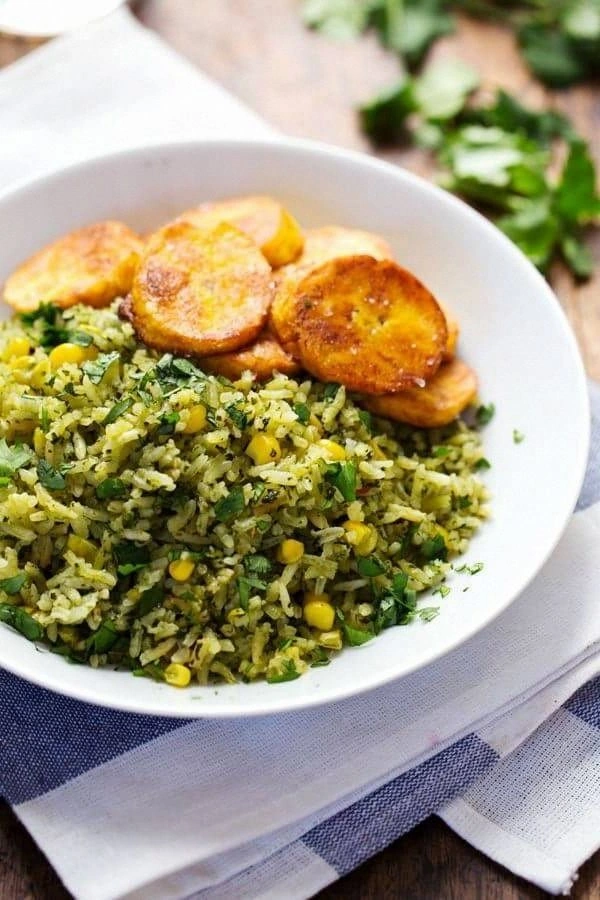
The Method — Step by Step
Heat a large, heavy‑bottomed skillet over medium heat and add the olive oil. Once shimmering, toss in the diced onion and let it soften for about three minutes, stirring occasionally until it turns translucent and starts to caramelize at the edges. That sizzle when it hits the pan? Absolute perfection. Then add the minced garlic and jalapeño, stirring for another minute until fragrant. You’ll notice the aroma shifting from sweet onion to a sharp, peppery note—this is your flavor base building.
Kitchen Hack: If the onions start to brown too quickly, lower the heat and add a splash of water to deglaze—this prevents burning and keeps the base sweet.Add the uncooked rice to the skillet, spreading it in an even layer. Let it toast for about four minutes, stirring occasionally, until the grains turn a light golden color and emit a nutty fragrance. This toasting step is crucial; it creates a protective coating that stops the rice from becoming mushy later. As the edges of the rice begin to pull away from the pan, you’ll know it’s ready for the next phase.
Now, sprinkle the teaspoon of masa harina over the toasted rice and stir quickly to incorporate. The masa will melt into the oil, forming a silky sheen that clings to each grain. Pure magic. If you’re using cornstarch as a substitute, add it now and whisk to avoid lumps.
Deglaze the pan with the chicken broth, scraping up any browned bits from the bottom with a wooden spoon. The broth should sizzle as it meets the hot rice, releasing a fragrant steam that fills the kitchen. Let the mixture simmer for two minutes, allowing the rice to absorb the liquid and the flavors to meld. That moment when the broth disappears? That’s the sign you’re on the right track.
Watch Out: Adding too much broth at once can cause the rice to stew rather than steam, resulting in a mushy texture. Add gradually and stir.Stir in the green tomatillo salsa and water, mixing until the liquid is evenly distributed. Reduce the heat to low, cover the skillet tightly with a lid, and let the rice simmer for 15‑18 minutes. Resist the urge to peek; the steam trapped inside is what cooks the rice evenly. After 10 minutes, you’ll hear a gentle hissing—this is the steam escaping, indicating the rice is absorbing the sauce.
When the timer dings, quickly uncover and add the corn kernels, letting them warm through for about three minutes. The corn should retain its bright yellow color and a slight snap, not turn mushy. Toss in the cumin and smoked paprika at this stage; these spices toast lightly in the residual heat, releasing a warm, earthy aroma that deepens the dish.
Turn off the heat and fold in the chopped cilantro and lime juice. The fresh herbs and citrus brighten the entire pot, lifting any heaviness. Let the rice sit, covered, for an additional five minutes—this resting period allows the flavors to marry and the grains to firm up slightly, preventing them from falling apart when you serve.
Kitchen Hack: Fluff the rice with a fork instead of a spoon to keep the grains separate and airy.Give the rice a final taste test. Adjust salt and pepper if needed, then serve hot, garnished with an extra sprinkle of cilantro or a wedge of lime for drama. This is the moment of truth—watch those eyes light up as the first spoonful hits the plate. I’ll be honest — I ate half the batch before anyone else got to try it.
That's it — you did it. But hold on, I've got a few more tricks that'll take this to another level...
Insider Tricks for Flawless Results
The Temperature Rule Nobody Follows
Never start with a scorching hot pan; medium heat is your sweet spot. If the oil is too hot, the onions will burn before they release their sweetness, and the rice will toast unevenly. A gentle heat lets the aromatics develop fully and the rice to toast slowly, creating a uniform golden hue. I once tried cranking the heat, and the rice ended up with a burnt bottom—never again.
Why Your Nose Knows Best
Your sense of smell is the most reliable indicator of progress. When you hear the faint crackle of the rice as it toasts, that’s the cue to stir. When the broth hits the pan and you smell a deep, savory steam, you know the deglazing worked. Trust those olfactory hints more than a timer—cooking is as much art as science.
The 5‑Minute Rest That Changes Everything
After the rice finishes cooking, keep it covered for five minutes off the heat. This rest allows the steam to redistribute, firming the grains and preventing them from becoming mushy when you fluff them. Skipping this step is the biggest mistake I see in online recipes, leading to a soggy, clumped mess.
Corn Kernel Timing
Add the corn near the end of cooking, just enough time for it to heat through. If you add it too early, the kernels lose their snap and become soggy. A quick three‑minute steam keeps the corn bright and crunchy, adding texture contrast that elevates the dish.
Lime Juice at the End
Never add lime juice while the rice is still simmering; the acid will break down the rice’s structure, making it mushy. Instead, stir in the juice after you’ve removed the pan from heat, preserving the bright zing without compromising texture. I once added lime too early and the rice turned gummy—lesson learned.
Creative Twists and Variations
This recipe is a playground. Here are some of my favorite ways to switch things up:
Southwest Chipotle Blast
Swap the tomatillo salsa for a smoky chipotle‑adobo blend, and add a handful of black beans for protein. The result is a heartier, smoky version that pairs wonderfully with grilled steak.
Coconut Lime Fusion
Replace half of the chicken broth with coconut milk and add a teaspoon of grated ginger. The subtle coconut sweetness and ginger warmth create a tropical twist that pairs beautifully with shrimp.
Veggie‑Packed Power Bowl
Toss in diced bell peppers, zucchini, and a handful of spinach during the last few minutes of cooking. This adds color, extra nutrients, and makes the dish a complete meal for vegetarians.
Cheesy Green Delight
Stir in a quarter cup of shredded Monterey Jack or queso fresco right before serving. The cheese melts into the warm rice, adding a creamy richness that kids adore.
Spicy Pineapple Surprise
Add a cup of diced pineapple and a pinch of crushed red pepper flakes. The sweet‑tart pineapple balances the heat, creating a flavor explosion reminiscent of a tropical fiesta.
Storing and Bringing It Back to Life
Fridge Storage
Transfer the cooled rice to an airtight container and store it in the refrigerator for up to four days. Keep a tiny piece of parchment paper on top to absorb excess moisture. When reheating, add a splash of water or broth and cover to steam it back to fluffy perfection.
Freezer Friendly
Portion the rice into freezer‑safe bags, flatten them for even freezing, and label with the date. It freezes well for up to three months. To thaw, place the bag in the refrigerator overnight, then reheat in a skillet with a drizzle of oil and a splash of water.
Best Reheating Method
The stovetop method wins every time: heat a non‑stick pan over medium heat, add a teaspoon of oil, and toss the rice with a tablespoon of water. Cover for two minutes, then uncover and stir until the grains are hot and glossy. The added moisture creates steam that revives the rice’s original texture without making it soggy.