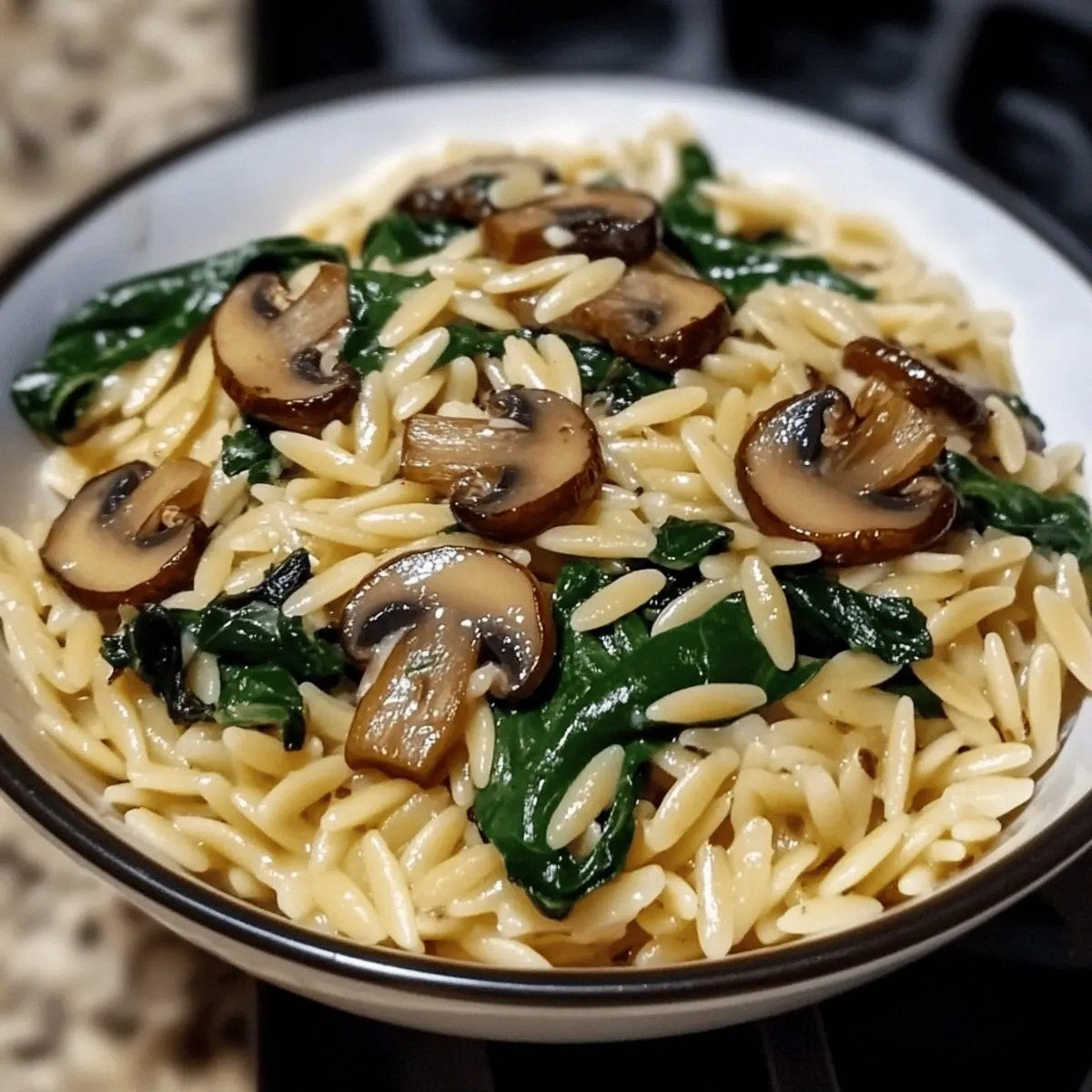
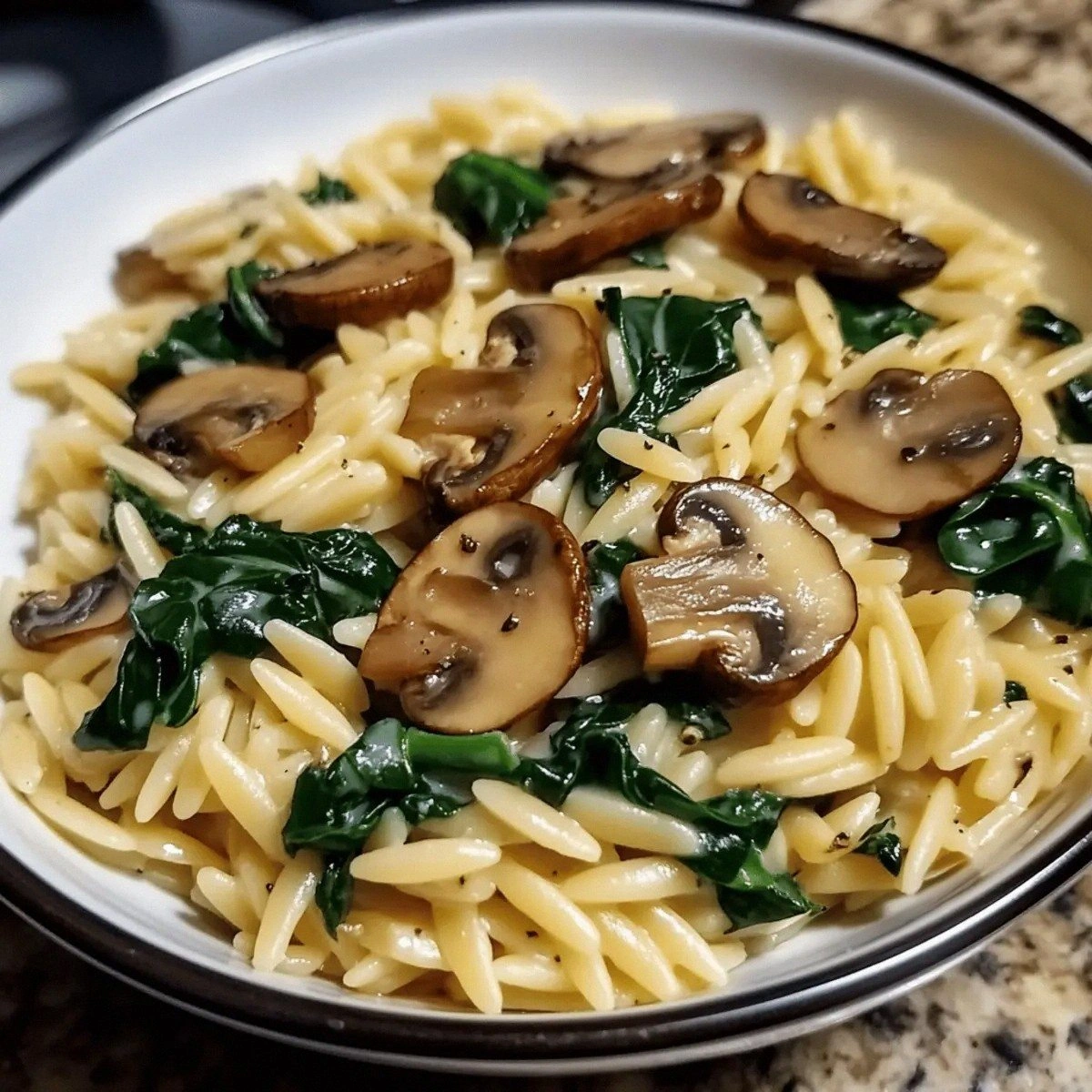
Picture this: it’s a rainy Tuesday, the kind that makes you stare at the window and wonder if you’ll ever feel the sun on your face again. I was stuck in a culinary limbo, scrolling through endless recipe posts that promised “comfort” but delivered something as flat as a pancake left out too long. Then, in a moment of pure kitchen desperation, I tossed a handful of mushrooms into a pan, threw in a splash of butter, and whispered a quick prayer to the pasta gods. The result? A buttery, garlicky orzo that clung to every mushroom slice like a lover’s embrace, with spinach that wilted into a silky green blanket. That first bite was a revelation—so good I dared you to taste it and not go back for seconds.
The aroma that filled my tiny apartment was nothing short of intoxicating. Imagine the earthy perfume of sautéed mushrooms mingling with the sharp, aromatic kiss of fresh garlic, all wrapped in the comforting richness of melted butter. The sizzle from the pan was a steady, reassuring rhythm, like a drumbeat that said, “We’re about to create something unforgettable.” As the orzo swelled, soaking up that buttery broth, I could feel the anticipation building, my senses on high alert, ready for that first forkful that would melt in my mouth. The texture was a perfect paradox—soft yet with a subtle bite, the spinach adding a fresh, slightly peppery snap that cut through the richness like a cool breeze on a summer night.
Most recipes for orzo with veggies either overcook the pasta, leaving it mushy, or underseason the dish, making it taste like bland filler. I’ve tried the “quick fix” versions that rely on canned mushrooms and pre‑shredded cheese, and they all fall flat—like a comedy that forgets the punchline. This version stands out because every ingredient is treated with respect, each step is calibrated for maximum flavor, and the technique is simple enough for a weekday dinner yet impressive enough to wow guests. The secret weapon? A splash of lemon juice added at the very end, brightening the buttery base and preventing the dish from feeling heavy. It’s the kind of subtle twist that makes you go, “Why didn’t I think of that?” and instantly elevates the whole experience.
Let me walk you through every single step — by the end, you’ll wonder how you ever made it any other way. Okay, ready for the game‑changer? We’ll start with the basics, then dive into the moments that turn a good dish into pure comfort food. Stay with me here — this is worth it.
What Makes This Version Stand Out
- Flavor Explosion: The combination of garlic, butter, and Parmesan creates a sauce that coats the orzo like velvet, while the lemon juice adds a bright, citrusy lift that prevents the richness from overwhelming your palate.
- Texture Harmony: The orzo is cooked al dente, giving it a pleasant chew, while the mushrooms develop a caramelized edge that shatters like thin ice when you bite into them.
- Simplicity: With just nine ingredients and a single pan, this dish proves that comfort doesn’t have to be complicated or time‑consuming.
- Ingredient Quality: Fresh spinach and high‑quality Parmesan make a world of difference; they bring depth and a natural umami that store‑bought mixes can’t replicate.
- Crowd Reaction: I’ll be honest — I ate half the batch before anyone else got to try it, and the leftovers disappeared faster than you can say “second helping.”
- Cooking Method: Sauté‑first, then simmer technique locks in flavor, ensuring every grain of orzo is infused with buttery goodness.
- Make‑Ahead Potential: This dish reheats beautifully, making it perfect for meal prep or a quick lunch the next day.
- Versatility: Whether you’re serving it as a main or a side, it pairs effortlessly with grilled chicken, roasted fish, or even a simple salad.
Inside the Ingredient List
The Flavor Base
Garlic is the undisputed hero here, delivering a pungent aroma that instantly awakens the senses. When you crush those three cloves, you release allicin, a compound that not only adds depth but also has subtle health benefits, like supporting cardiovascular health. If you skip the garlic, you’ll end up with a bland backdrop that feels more like a side note than a starring role. For a milder profile, you can use roasted garlic, which brings a sweet, caramelized nuance, but remember that raw garlic is what gives this dish its signature bite.
The Texture Crew
Orzo, the tiny rice‑shaped pasta, is the canvas that absorbs all the buttery, garlicky goodness. Its shape allows it to hold onto sauce better than larger pasta shapes, ensuring each bite is uniformly flavored. Overcooking orzo turns it mushy, so keep a close eye on the timer—15 minutes is usually perfect, but start checking at the 12‑minute mark. If you can’t find orzo, try substituting with small shells or even couscous; the texture will change slightly, but the overall comfort factor remains.
The Unexpected Star
Mushrooms bring an earthy depth that balances the richness of butter and cheese. I use a mix of cremini and button mushrooms for varied texture—cremini adds a meaty bite, while button mushrooms melt into the sauce, creating a silky mouthfeel. When sautéed, they develop a caramelized crust that adds a pleasant crunch. If you’re feeling adventurous, swap in shiitake or portobello for a more robust umami punch.
The Final Flourish
Spinach is the bright green finale that cuts through the richness with a fresh, slightly bitter edge. Fresh baby spinach wilts quickly, so add it at the end of the cooking process to preserve its vibrant color and nutrients. If you’re using frozen spinach, be sure to thaw and squeeze out excess water, otherwise the dish will become watery. The Parmesan cheese, grated finely, melts into the sauce, adding a salty, nutty depth that ties everything together.
Everything's prepped? Good. Let's get into the real action...
The Method — Step by Step
Start by heating a large, heavy‑bottomed skillet over medium heat. Add the butter and let it melt until it begins to foam, releasing that nutty scent that tells you you’re on the right track. As soon as the butter is shimmering, toss in the minced garlic and let it sizzle for about 30 seconds; you’ll hear a gentle pop that signals the garlic is releasing its flavor. Watch the color closely—you want it golden, not brown, because burnt garlic turns bitter.
Watch Out: If the garlic starts to brown too quickly, lower the heat immediately to prevent a burnt taste.Next, add the sliced mushrooms in a single layer, letting them sit undisturbed for the first two minutes. This technique, known as “dry‑sauté,” encourages the mushrooms to release their own juices before they start to brown, creating those coveted caramelized edges. After the initial sear, stir the mushrooms and let them continue to cook until they’re deep golden and the pan is almost dry. The scent at this point is pure earth, a reminder of forest floors after rain.
Kitchen Hack: Sprinkle a pinch of salt over the mushrooms while they cook; this draws out moisture faster, speeding up the browning process.While the mushrooms are achieving that perfect caramelization, bring a pot of salted water to a rolling boil. Add the orzo and stir immediately to prevent sticking. Cook the orzo for about 9‑10 minutes, testing a grain for that ideal al dente bite—firm in the center but not hard. Once done, drain the orzo, reserving a cup of the cooking water; this starchy liquid will help bind the sauce later. Tip: If you’re short on time, you can cook the orzo directly in the skillet after the mushrooms, adding enough broth to cover and letting it absorb.
Now, it’s time to bring everything together. Reduce the heat to low and return the cooked orzo to the skillet with the mushrooms. Toss in the fresh spinach, allowing it to wilt quickly—this should take no more than a minute. As the spinach collapses, it releases a subtle steam that lifts the entire dish, creating a fragrant cloud of green goodness. Stir continuously so the spinach integrates evenly, and you’ll see the color shift from bright to a deeper, richer green.
With the base fully combined, sprinkle in the grated Parmesan cheese, letting it melt into the buttery broth. The cheese will thicken the sauce, coating each grain of orzo with a silky, salty veil. At this stage, add the lemon juice—a tablespoon is enough to brighten the dish without turning it sour. The acidity will cut through the butter, balancing the richness and making the flavors pop like fireworks on a summer night.
Season the dish with salt and freshly cracked black pepper to taste. Remember, the Parmesan already contributes saltiness, so start with a modest pinch and adjust gradually. Give the entire mixture a final stir, ensuring the seasoning is evenly distributed. If the sauce feels a bit thick, splash in a tablespoon or two of the reserved pasta water; this will loosen it just enough to achieve a glossy finish.
Allow the orzo to rest in the pan for two minutes off the heat. This resting period lets the flavors meld, creating a harmonious blend that’s more than the sum of its parts. While you wait, take a moment to admire the glossy sheen and the specks of green spinach flecked throughout—visual proof that you’ve nailed the texture.
Serve the dish hot, directly from the skillet or transferred to a warm serving bowl. Garnish with an extra drizzle of melted butter and a sprinkle of fresh cracked pepper for that final touch of decadence. The aroma will fill your kitchen, inviting anyone nearby to dive in. I dare you to taste this and not go back for seconds—trust me, you’ll be back for thirds.
Finally, clean up while the dish cools. The buttery residue on the pan can be reclaimed for future sautéing; just wipe it with a paper towel and you’ve got a ready‑made flavor base for tomorrow’s meals. And there you have it—a comforting, buttery orzo that feels like a hug on a plate.
That's it — you did it. But hold on, I've got a few more tricks that'll take this to another level...
Insider Tricks for Flawless Results
The Temperature Rule Nobody Follows
Keep your heat medium‑low once the butter is melted. High heat can cause the butter to brown too quickly, producing a burnt taste that overpowers the delicate garlic. By maintaining a steady, moderate temperature, you give the garlic and mushrooms time to release their flavors without scorching. A friend once cranked the stove to high, and the dish ended up tasting like burnt toast—let's just say it didn’t end well.
Why Your Nose Knows Best
Never underestimate the power of scent as a cooking gauge. When the garlic hits that golden stage, you’ll notice a sweet, nutty aroma; that’s your cue to add the mushrooms. If the kitchen starts smelling like sharp, acrid smoke, you’ve gone too far. Trust your nose more than a timer; it’s the original kitchen timer.
The 5‑Minute Rest That Changes Everything
After you’ve combined all the ingredients, remove the pan from heat and let the dish sit for five minutes. This short rest lets the starches in the orzo absorb any remaining liquid, creating a creamier texture. It also allows the lemon juice to fully integrate, balancing the butter’s richness. Skipping this step often results in a dish that feels a little “wet” on the palate.
Butter Boost for Extra Silkiness
If you crave an ultra‑silky finish, whisk in an extra tablespoon of cold butter right before serving. The cold butter emulsifies with the warm sauce, giving it a glossy sheen and a luxurious mouthfeel. This technique is the secret behind many restaurant‑style pasta dishes.
Seasoning Layers for Depth
Season at three points: during the mushroom sauté, after adding the orzo, and finally before serving. Each layer builds depth, ensuring the final dish isn’t flat. Think of it like building a musical composition—each instrument (or seasoning) adds its own voice.
Creative Twists and Variations
This recipe is a playground. Here are some of my favorite ways to switch things up:
Spicy Kick
Add a pinch of red pepper flakes when you sauté the garlic. The heat will contrast beautifully with the buttery base, giving the dish a subtle, lingering warmth that’s perfect for colder evenings.
Smoky Bacon Boost
Render two slices of crisp bacon and crumble them over the finished dish. The smoky, salty crunch adds a new textural dimension and makes the meal heartier.
Herbaceous Freshness
Stir in a handful of fresh chopped basil or parsley right before serving. The herbaceous notes brighten the plate and add a pop of color that’s as pleasing to the eye as it is to the palate.
Cheesy Overload
Swap half of the Parmesan for crumbled feta or goat cheese. The tangy creaminess will introduce a Mediterranean flair, turning the dish into a new adventure.
Vegan Version
Replace butter with olive oil and use nutritional yeast in place of Parmesan. The result is still rich and satisfying, proving that comfort food can be plant‑based without sacrificing flavor.
Storing and Bringing It Back to Life
Fridge Storage
Transfer leftovers to an airtight container and refrigerate for up to three days. The orzo will continue to absorb flavors, becoming even more delicious. When reheating, add a splash of water or broth to restore moisture.
Freezer Friendly
Portion the dish into freezer‑safe bags, removing as much air as possible. It freezes well for up to two months. Thaw overnight in the fridge, then reheat gently on the stovetop, stirring in a bit of butter for extra richness.
Best Reheating Method
Reheat in a skillet over low heat, adding a tablespoon of water or broth and covering for a minute. This creates steam that revives the creamy texture without turning the orzo gummy. Avoid microwaving alone—it often dries out the dish.