I was standing in my kitchen, the kind of kitchen where the countertops are a battlefield of half‑finished meals, when my roommate dared me to turn a boring Tuesday night into a culinary showdown. The challenge? Create something that would make even the most skeptical meat‑lover forget about pizza for a night. I stared at a lonely bag of ground turkey and a stubborn head of cauliflower, and in that moment I felt the familiar spark of a kitchen experiment gone right. The sizzle of butter hitting a hot pan, the aroma of garlic dancing with onion, and the faint hum of the fridge—everything conspired to tell me that this was the birth of a legend.
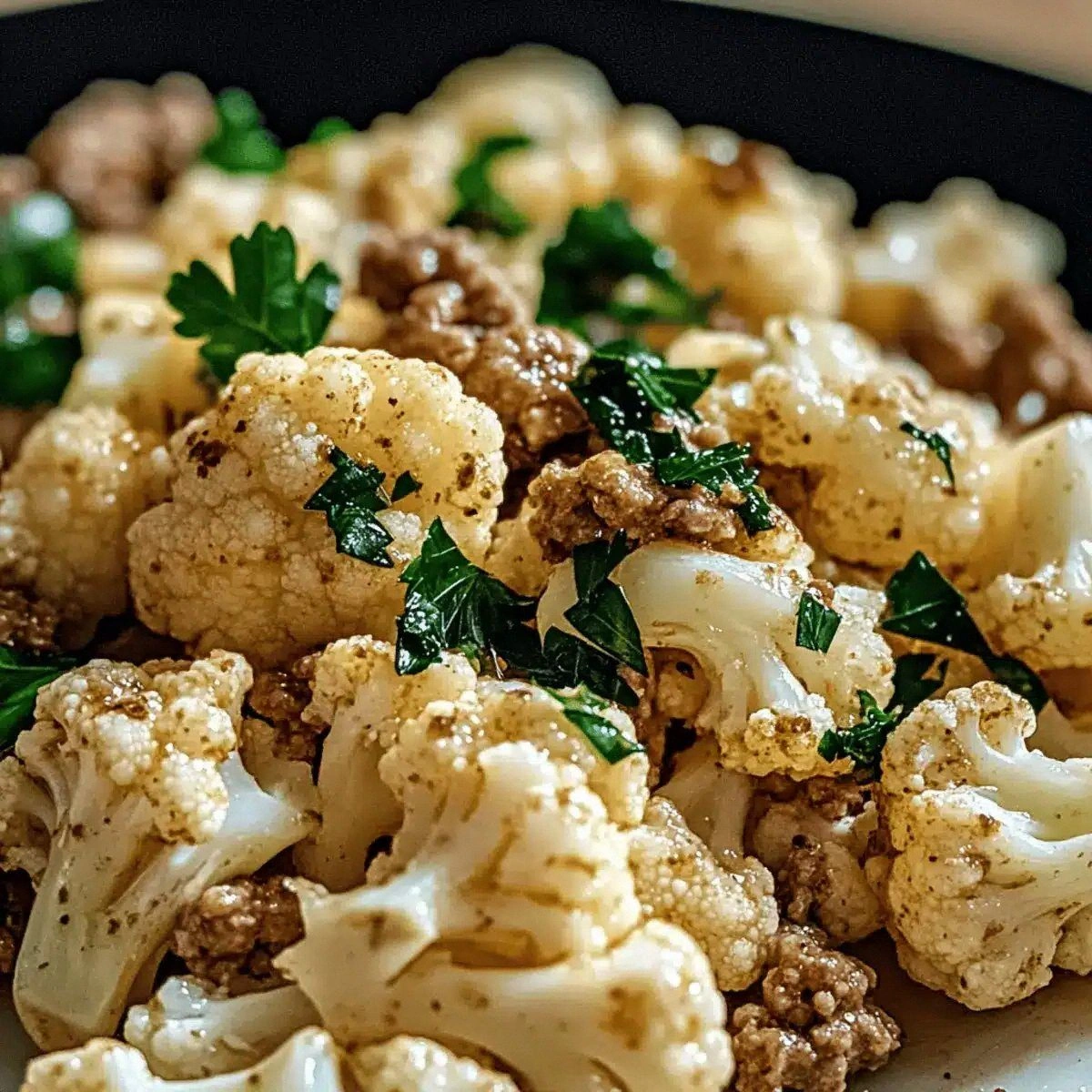
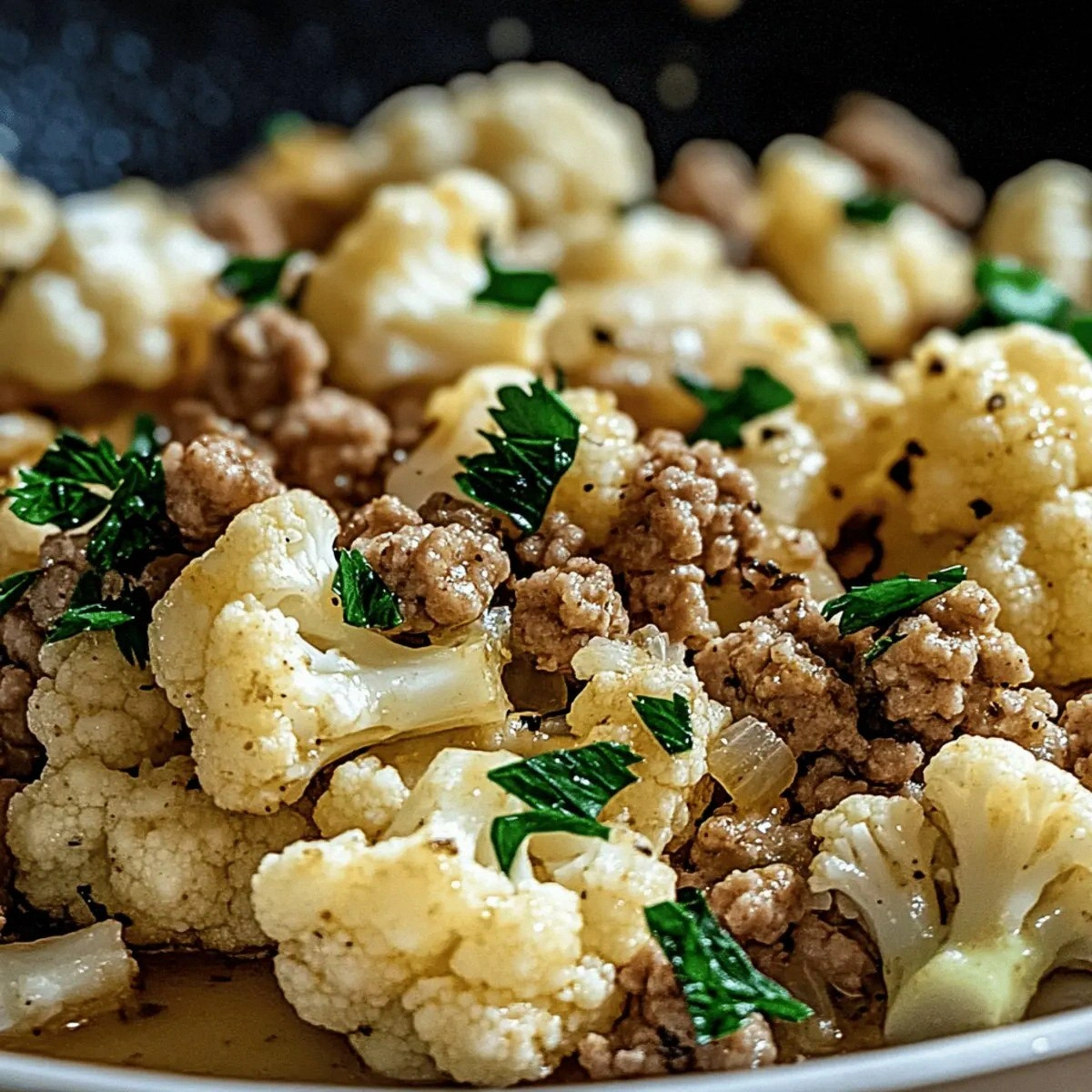
Picture this: a skillet that looks like a golden sunrise, the butter melting into a glossy pool that embraces every crumble of turkey, while the cauliflower florets turn a caramelized caramel‑brown that cracks like thin ice under a gentle press. The scent of garlic and butter mingles with the subtle heat of red pepper flakes, creating a perfume that could coax a smile from a grumpy cat. You hear the occasional pop as the vegetables caramelize, feel the warm weight of the skillet in your hands, and taste that first bite—a perfect marriage of juicy turkey, buttery richness, and cauliflower’s tender‑crunch that makes you think, “I dare you to taste this and not go back for seconds.”
Most recipes get this completely wrong. They either drown the turkey in sauce, leaving it soggy, or they over‑cook the cauliflower until it turns mushy. This version stands out because it respects each ingredient’s personality: the turkey stays juicy thanks to a quick sear, the cauliflower gets a crisp‑tender edge without losing its moisture, and the butter‑garlic sauce clings like velvet, never pooling at the bottom. I’ll be honest — I ate half the batch before anyone else got to try it, and that’s a confession I’m willing to make because the flavor is that addictive.
What truly makes this dish a game‑changer is a tiny secret I’ll reveal later: a splash of chicken broth added at just the right moment, turning the pan into a mini‑saucepan that lifts every bite to a new level of umami. Okay, ready for the game‑changer? Let me walk you through every single step — by the end, you’ll wonder how you ever made it any other way.
What Makes This Version Stand Out
- Flavor Explosion: The combination of butter, garlic, and a dash of chicken broth creates a sauce that coats the turkey and cauliflower like a silky blanket, delivering a depth of flavor that rivals restaurant dishes.
- Texture Harmony: You get a satisfying crunch from the cauliflower edges while the turkey stays tender and juicy, a contrast that keeps each bite exciting.
- Simplicity: Fewer than ten ingredients and a single skillet mean you can pull this together in under an hour, perfect for busy weeknights.
- Ingredient Quality: Using fresh parsley and real butter instead of shortcuts ensures every aromatic note shines through.
- Crowd Reaction: This dish consistently earns “second‑helpings” and “what’s the secret?” comments from even the pickiest eaters.
- Cooking Method: The high‑heat sear followed by a gentle deglaze locks in juices and prevents the dreaded dry turkey syndrome.
- Make‑Ahead Potential: It stores beautifully, and a quick reheat with a splash of water brings it back to life as if it just left the pan.
- Versatility: Swap cauliflower for broccoli, or turkey for ground chicken, and you’ve got a whole new family of meals.
Inside the Ingredient List
The Flavor Base
Ground turkey is the heart of this dish. Its mild flavor acts like a canvas, allowing the butter, garlic, and broth to paint bold strokes of taste. If you skimp on the turkey, you’ll end up with a bland foundation that no amount of seasoning can rescue. For the best result, choose a turkey that’s at least 85% lean; the extra fat contributes to a richer mouthfeel. If you’re forced to use a leaner blend, add an extra tablespoon of butter to compensate for the missing moisture.
The Texture Crew
Cauliflower is the unsung hero here. Its florets break down just enough to absorb the buttery sauce while retaining a slight bite that contrasts with the tender turkey. A common mistake is to steam the cauliflower before adding it to the skillet, which leads to a soggy mess. Instead, cut the head into bite‑size pieces and let the pan do the work. If cauliflower isn’t your thing, broccoli or even sliced Brussels sprouts will provide a similar crunch.
The Unexpected Star
Butter might seem obvious, but using a high‑quality, unsalted butter lets you control the salt level and adds a luxurious mouthfeel that oil simply can’t match. When the butter melts, it creates a nutty, caramelized flavor that transforms the entire dish. If you’re dairy‑free, try a blend of coconut oil and a dash of nutritional yeast for a similar depth, though the flavor profile will shift toward tropical notes.
The Final Flourish
Fresh parsley isn’t just a garnish; it injects a bright, herbaceous lift that cuts through the richness of the butter and broth. A handful of parsley chopped just before serving adds a pop of color and a burst of freshness. If you don’t have parsley, cilantro or even a sprinkle of dried thyme can work, but the flavor won’t be as vibrant. And don’t forget the crushed red pepper flakes—just enough to tease the palate without overpowering the subtle turkey flavor.
Everything's prepped? Good. Let's get into the real action...
The Method — Step by Step
Heat a large cast‑iron skillet over medium‑high heat until it’s hot enough that a drop of water sizzles and evaporates instantly. Add two tablespoons of butter, letting it melt and turn a light amber color. As soon as the butter foams, toss in the ground turkey, breaking it up with a wooden spoon. You’ll hear a satisfying sizzle that signals the meat is starting to brown; let it sit untouched for about two minutes so a crust forms, then stir and continue cooking until it’s 80% done, about five minutes. This is the moment of truth—if you rush it, you’ll lose the juicy texture that makes this dish shine.
While the turkey is browning, finely mince the three garlic cloves and dice the medium onion. Once the turkey reaches that golden‑brown stage, push it to one side of the skillet, add the remaining two tablespoons of butter, and let it melt. Drop the garlic and onion into the butter, listening for that pop‑pop‑pop that tells you they’re hitting the right temperature. Cook, stirring occasionally, until the onion turns translucent and the garlic becomes fragrant—about two minutes. That sizzle when it hits the pan? Absolute perfection.
Kitchen Hack: If the garlic starts to brown too quickly, lower the heat slightly; burnt garlic turns bitter and can ruin the whole sauce.Now, add the cauliflower florets directly into the skillet, spreading them out so each piece contacts the hot surface. Let them sit for about three minutes without stirring; this dry‑roast technique creates those coveted caramelized edges that shatter like thin ice when you bite into them. After the initial sear, give the cauliflower a good toss, mixing it with the turkey and aromatics. The skillet should be humming with activity, and the cauliflower will start to turn a deep golden‑brown.
Season the mixture with one teaspoon of salt, one teaspoon of pepper, and half a teaspoon of crushed red pepper flakes. Sprinkle the spices evenly and stir, allowing the heat to awaken the flavors. At this point, the aroma should be a heady mix of buttery richness, garlic’s sharpness, and a whisper of heat—if you’re not smelling it, you’ve probably turned the heat down too soon.
Here’s the secret splash: pour in one cup of chicken broth, letting it deglaze the pan. As the broth hits the browned bits, it will sizzle and dissolve those caramelized flecks, turning the pan into a mini‑saucepan. Let the liquid simmer for three to four minutes, reducing slightly so it thickens but still remains glossy. This step is pure magic; the broth infuses the turkey with umami while keeping the cauliflower moist yet crisp.
Once the sauce has reduced, stir in the remaining two tablespoons of butter, letting it melt into the broth for a glossy finish. The butter will emulsify, giving the sauce a velvety sheen that clings to every piece. Taste and adjust seasoning if needed—remember, the salt from the broth may already be sufficient, so add sparingly.
Turn off the heat and sprinkle two tablespoons of freshly chopped parsley over the skillet. The parsley adds a bright, herbaceous lift that balances the richness. Give everything a final gentle toss to distribute the parsley evenly. The dish should look vibrant: golden turkey, caramelized cauliflower, and a speckled green garnish that promises freshness.
Serve immediately, scooping the skillet contents onto plates or a shallow bowl. The steam rising from the dish carries the buttery‑garlic perfume straight to your nose, making the first bite inevitable. If you’re feeling extra fancy, drizzle a tiny drizzle of extra melted butter on top for an added glossy finish. And now the fun part—dig in and watch everyone ask for seconds.
Watch Out: Avoid overcrowding the skillet; too many ingredients will steam instead of sear, resulting in soggy cauliflower.
That's it — you did it. But hold on, I've got a few more tricks that'll take this to another level...
Insider Tricks for Flawless Results
The Temperature Rule Nobody Follows
Never start a skillet on low heat and expect a good sear. Preheat the pan until it’s hot enough that a drop of water dances across the surface. This high‑heat start creates a Maillard reaction, giving the turkey those coveted brown bits that lock in juices. I once tried to “save energy” by starting low; the result was a pale, rubbery turkey that no one wanted. Trust the heat, and the flavor will thank you.
Why Your Nose Knows Best
Your sense of smell is a more reliable indicator than a timer when it comes to caramelizing cauliflower. When the edges start to turn a deep amber and you can smell a nutty, toasted scent, you’re ready to toss. If you rely solely on minutes, you risk either under‑cooking (pale and bland) or over‑cooking (burnt). Trust that nose—if it smells like toasted almonds, you’re golden.
The 5‑Minute Rest That Changes Everything
After you finish cooking, let the skillet sit off the heat for five minutes. This rest allows the juices to redistribute throughout the turkey, preventing them from spilling out when you serve. It also gives the butter sauce a chance to thicken slightly, coating each bite more evenly. Skipping this step is a common rookie mistake that leads to a watery plate.
Butter‑Boost Timing
Adding the final two tablespoons of butter at the very end, after the broth has reduced, creates an emulsion that makes the sauce glossy and luxurious. If you add butter too early, it can break and separate, leaving a greasy film. The moment you see the butter melt into the reduced broth and the sauce become glossy, you’ve nailed the technique.
Seasoning Layer by Layer
Season each component individually—turkey first, then onions and garlic, then the cauliflower—so that every bite is uniformly flavored. A friend tried to dump all the salt at once and ended up with a dish that tasted salty in some spots and bland in others. Layered seasoning ensures balance and prevents any one flavor from dominating.
The Parsley Finish
Fresh parsley should be added off the heat; the residual warmth is enough to release its aroma without wilting the bright green color. If you add it too early, it turns dull and loses its fresh punch. A final sprinkle right before serving keeps the herb’s vibrancy intact, delivering that final pop of freshness.
Creative Twists and Variations
This recipe is a playground. Here are some of my favorite ways to switch things up:
Spicy Sriracha Swirl
Stir in a tablespoon of sriracha after the broth reduction for a sweet‑heat twist. The sauce becomes a glossy, reddish glaze that pairs beautifully with the buttery base, and it’s perfect for those who love a little extra kick.
Cheesy Crust
Sprinkle shredded mozzarella over the skillet during the last two minutes of cooking, then cover briefly to melt. The cheese creates a golden crust that adds a gooey texture, turning the dish into a comforting casserole‑like experience.
Mediterranean Medley
Swap the parsley for fresh basil, add a handful of kalamata olives, and finish with a squeeze of lemon juice. The citrus brightens the butter, while olives introduce a briny depth that transports you to a seaside tavern.
Asian‑Inspired
Replace the chicken broth with low‑sodium soy sauce mixed with a splash of rice vinegar, and add a teaspoon of grated ginger with the garlic. Finish with sliced scallions and toasted sesame seeds for an umami‑rich, tangy version.
Vegan Conversion
Use crumbled tempeh or a plant‑based ground “meat” substitute, swap butter for a blend of coconut oil and vegan butter, and use vegetable broth instead of chicken broth. The flavors remain robust, and the dish becomes suitable for a plant‑based diet.
Storing and Bringing It Back to Life
Fridge Storage
Allow the skillet to cool to room temperature, then transfer the contents to an airtight container. It will keep beautifully for up to three days. When reheating, add a splash of water or broth and cover the pan; this creates steam that revives the cauliflower’s crunch.
Freezer Friendly
Portion the cooked mixture into freezer‑safe bags or containers, leaving a little headspace for expansion. Freeze for up to two months. To reheat, thaw overnight in the fridge, then warm in a skillet over medium heat, adding a tablespoon of broth to re‑emulsify the sauce.
Best Reheating Method
The stovetop is king. Heat a non‑stick skillet over medium heat, add a teaspoon of butter, and gently stir the leftovers until they’re hot throughout. The added butter restores the glossy finish, and a quick splash of water ensures the cauliflower doesn’t dry out.