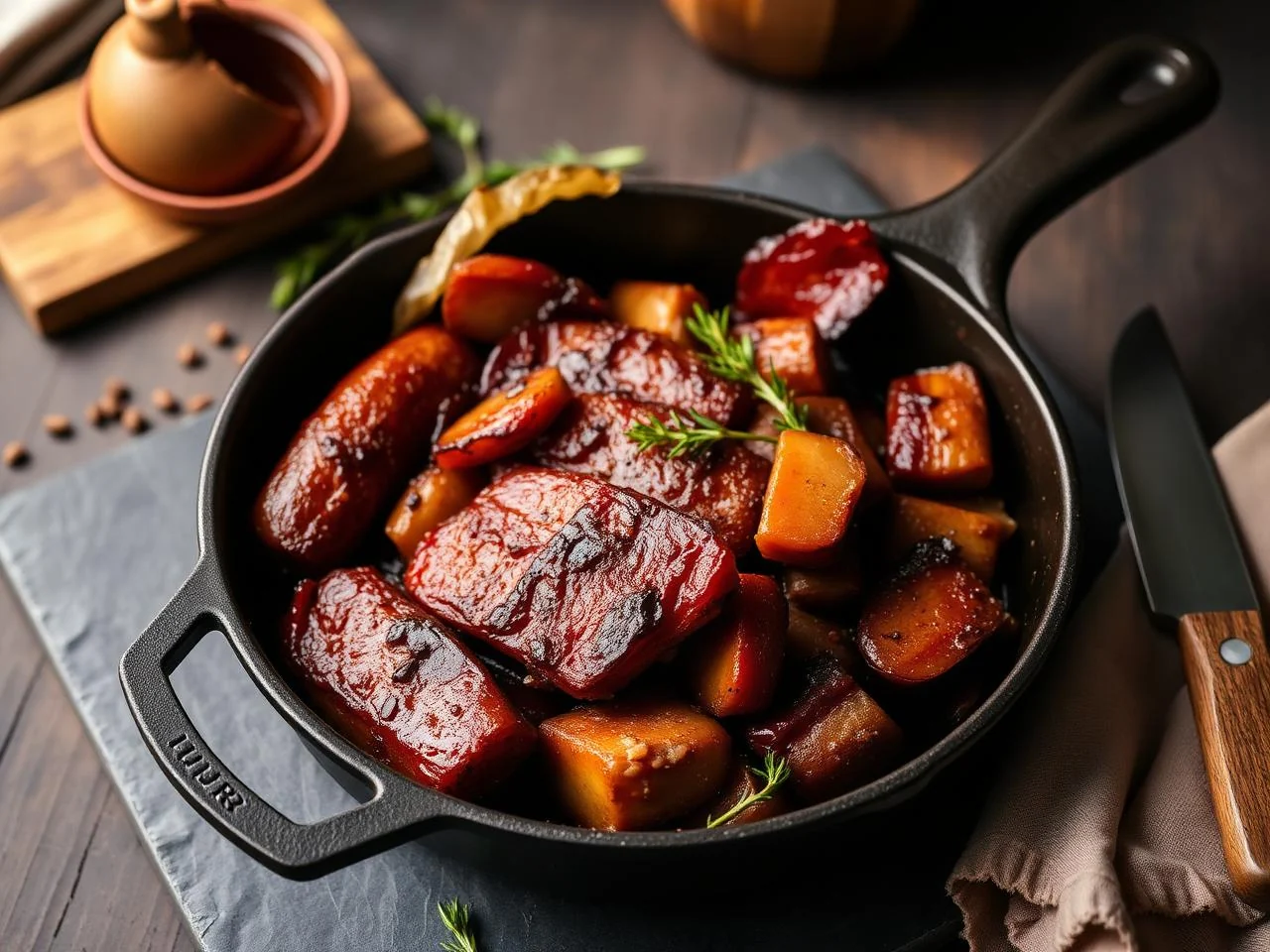
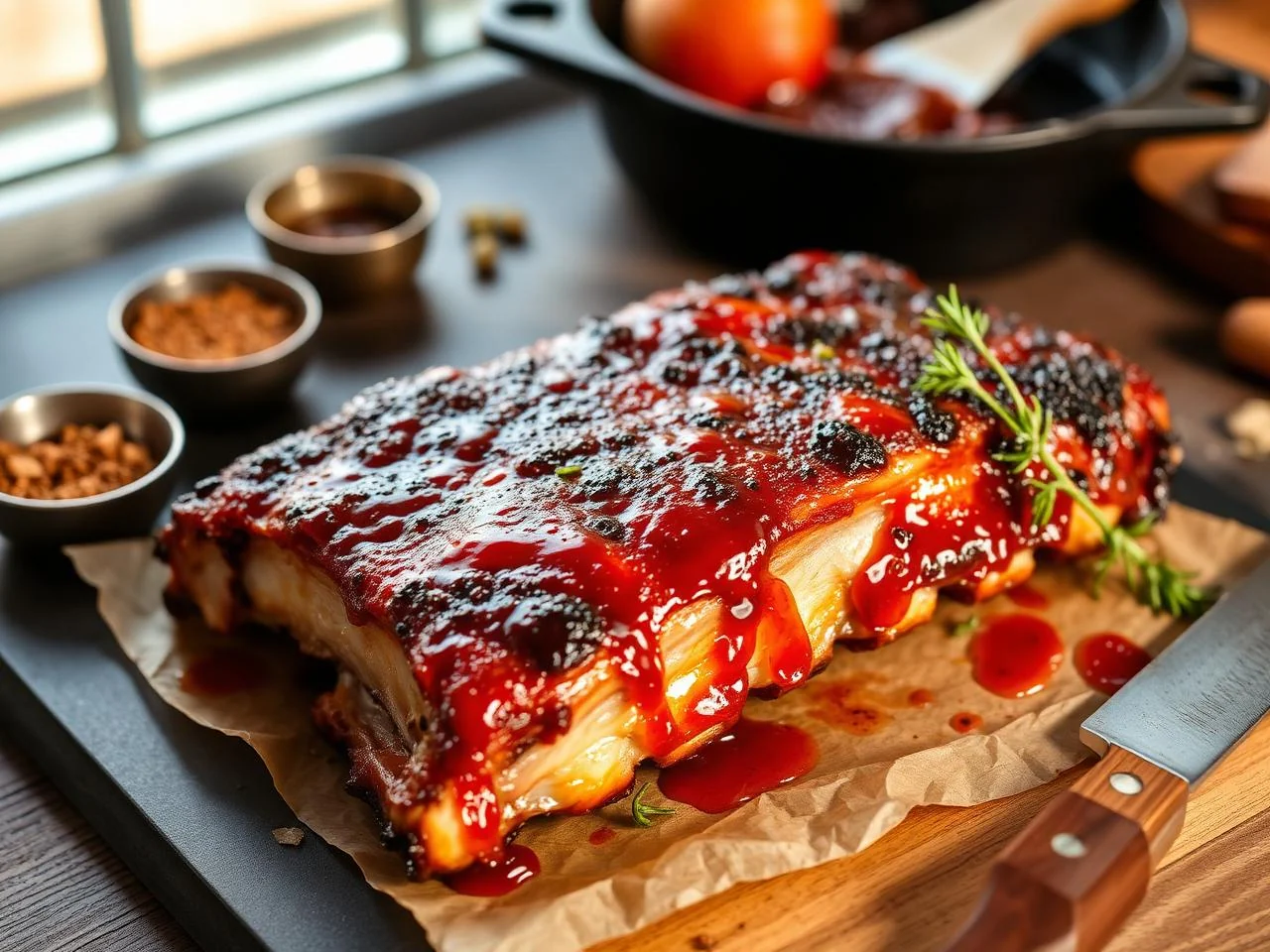
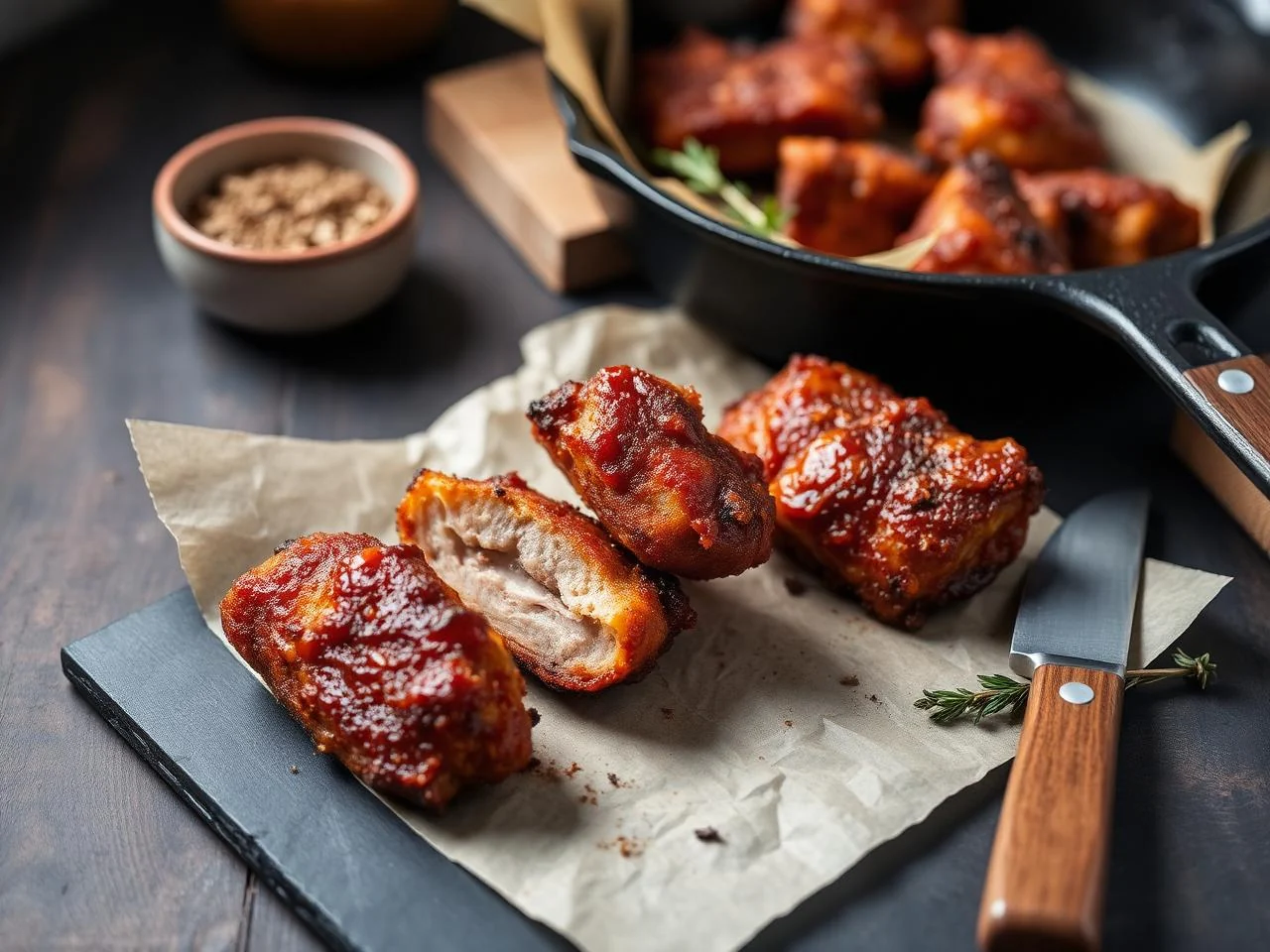
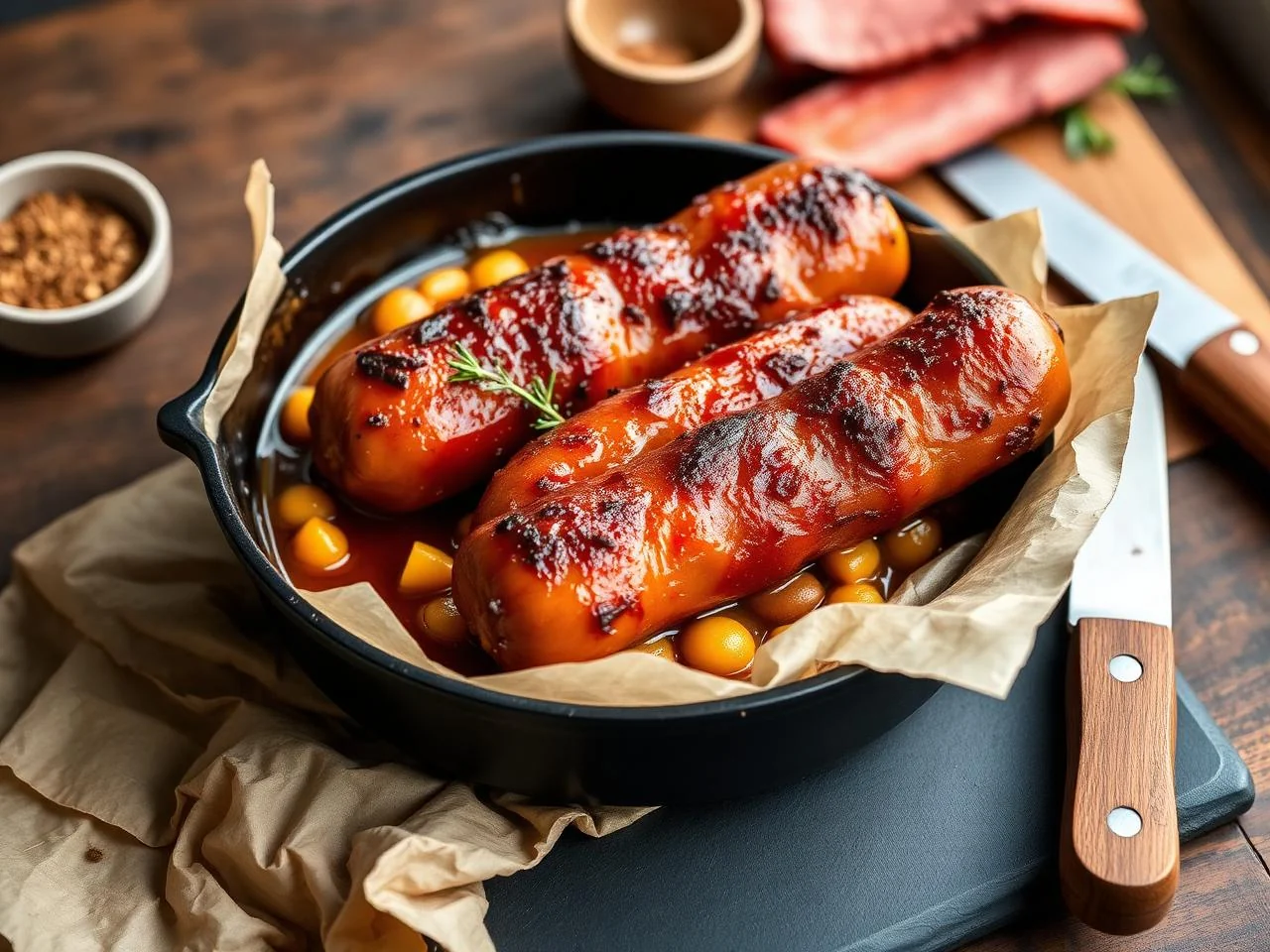
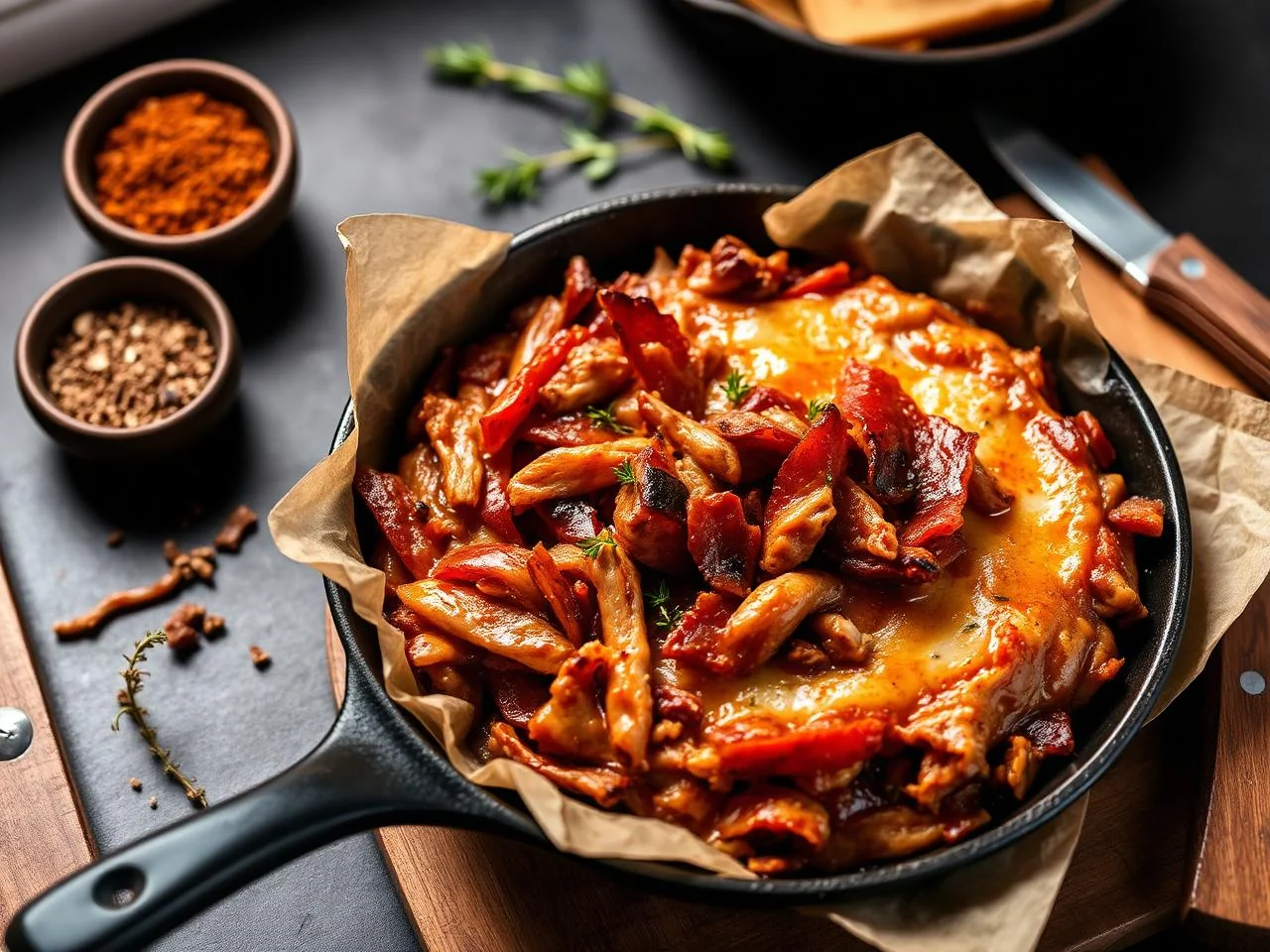
Picture this: a Friday night, your kitchen lights flicker, and you’re staring at a half‑finished batch of chicken nuggets that look more like sad, soggy flakes than the crispy, golden bites you crave. I was halfway to the grocery store when my phone buzzed—my friend dared me to whip up the ultimate popcorn‑style chicken that would make even the most seasoned snack lover swoon. I laughed, grabbed a bag of chicken, and turned my modest kitchen into a culinary laboratory. The result? A dish that crackles with crunch, bursts with flavor, and makes you wonder why you ever settled for store‑bought nuggets.
From the moment the chicken hits the hot oil, a symphony of aromas erupts: the faint sweetness of flour, the smoky hint of cornmeal, and the sharp, peppery edge of paprika. The sizzling sound is like a drumbeat, urging you to keep going. When you lift a piece, the coating shatters like thin ice, revealing tender, juicy meat beneath. The first bite delivers a harmony of textures—crispy on the outside, moist on the inside—while the sauce drips down the back of your throat in a silky, tangy ribbon. It’s a sensory roller coaster that keeps your taste buds dancing.
What makes this version stand out is that I’ve taken the classic popcorn chicken formula and injected it with a secret sauce that coats like velvet and a coating that’s light enough to float on air. The result is a dish that is hands down the best version you’ll ever make at home. I dare you to taste this and not go back for seconds. I’ll be honest—by the time the last bite hits the plate, I’ve already started planning the next batch.
Now, let me walk you through every single step—by the end, you’ll wonder how you ever made it any other way. The journey will involve a few micro‑challenges, bold claims, and a few kitchen hacks that will elevate this dish from good to unforgettable. Get ready to become the master of popcorn chicken, the kind that turns ordinary nights into culinary celebrations.
What Makes This Version Stand Out
- Flavor: A blend of spices that creates a savory, slightly smoky base that lingers on the tongue, leaving a subtle heat that’s perfectly balanced.
- Texture: The dual coating of flour and cornmeal gives a light, airy crunch that doesn’t feel heavy or greasy.
- Speed: Prep in 15 minutes, cook in 30 minutes—no slow‑cooking or marinating required, making it perfect for spontaneous cravings.
- Versatility: Works with chicken breasts or thighs, and can be adapted to turkey or even tofu for a vegetarian twist.
- Presentation: The bright, glossy sauce and fresh herbs transform a simple snack into an Instagram‑worthy plate.
- Make‑ahead: The coated chicken can be frozen and fried fresh, making it a convenient option for busy weeknights.
Alright, let's break down exactly what goes into this masterpiece...
Inside the Ingredient List
The Flavor Base
At the heart of this recipe is a spice mix that turns plain chicken into a flavor powerhouse. The combination of paprika, garlic powder, onion powder, and a whisper of cayenne creates a savory, mildly spicy foundation. Each pinch of salt and pepper brings the flavors together, ensuring no single ingredient overpowers the others. If you skip this mix, you’ll end up with bland, lifeless bites that will make your taste buds file a complaint.
The Texture Crew
Flour and cornmeal are the unsung heroes that give popcorn chicken its signature crunch. The flour forms the base of the coating, binding everything together, while the cornmeal adds a subtle graininess that makes the bite feel airy and light. If you replace cornmeal with breadcrumbs, the result will be denser and less crisp—think of it as swapping a snowflake for a snowball. For a gluten‑free version, swap the flour for almond flour and keep the cornmeal for that essential crunch.
The Unexpected Star
Buttermilk is the secret sauce that keeps the chicken moist and tender. The acid in the buttermilk tenderizes the meat, while the fat adds richness. If you can’t find buttermilk, a splash of milk with a tablespoon of vinegar works as a quick substitute. This ingredient is the key to that juicy interior that balances the crispy exterior.
The Final Flourish
Hot sauce, melted butter, and honey combine to create a glaze that coats each piece like velvet. The heat from the sauce adds a kick, the butter gives sheen, and the honey balances the spiciness with a hint of sweetness. If you prefer a milder version, reduce the hot sauce and increase the honey. The finish is what makes the dish memorable, turning every bite into a burst of flavor.
Everything's prepped? Good. Let's get into the real action...
The Method — Step by Step
- Step 1: Prepare the Coating. In a large bowl, whisk together the flour, cornmeal, baking powder, paprika, garlic powder, onion powder, cayenne, salt, and pepper. The mixture should be uniform; this ensures each piece gets an even, flavorful crust. I recommend sifting the dry ingredients to avoid clumps. When the bowl looks like a fine, fragrant cloud, you’re ready to move on. The aroma alone will have you salivating.
- Step 2: Marinate the Chicken. Toss the chicken pieces in buttermilk, letting them soak for 10 minutes. The buttermilk tenderizes the meat, creating a juicy interior that resists drying out during frying. If you’re in a hurry, you can skip this step, but the flavor and texture will suffer. The chicken should feel slick and glossy, a sign that it’s ready for the coating.
- Step 3: Coat the Chicken. Remove each piece from the buttermilk, letting the excess drip off, then roll it in the flour mixture until fully coated. Shake off any excess; this prevents a thick, doughy crust. For a double‑coat, dip the coated piece back into buttermilk and then into the flour mixture again. The result is a multi‑layered crunch that’s impossible to resist.
- Step 4: Heat the Oil. In a deep skillet, pour enough oil to cover the bottom by about 1 inch. Heat to 350°F (175°C). Use a thermometer for accuracy; if the oil is too hot, the coating will burn before the chicken cooks. If it’s too cool, the coating will absorb oil and become soggy. The oil should bubble gently when a pinch of flour is dropped in.
- Step 5: Fry the Chicken. Carefully lower the coated pieces into the hot oil, working in batches to avoid overcrowding. Fry for 4–5 minutes per side or until golden brown and the internal temperature reaches 165°F (74°C). The sound of sizzling is music to my ears, and the aroma will fill the kitchen. Flip the pieces with tongs for even browning.
- Step 6: Drain and Rest. Remove the chicken onto a rack or paper towels to drain excess oil. Let it rest for 2 minutes; this allows the juices to redistribute and the coating to set. While resting, whisk together the hot sauce, melted butter, and honey in a small bowl. This glaze will coat the chicken like a glossy, flavorful coat.
- Step 7: Glaze the Chicken. Toss the hot chicken in the sauce mixture, ensuring each piece is evenly coated. The sauce will cling to the crunchy shell, creating a glossy, flavorful finish. Let the coated pieces sit for 30 seconds so the glaze can set slightly before serving.
- Step 8: Garnish and Serve. Sprinkle chopped parsley and lime wedges over the top for a burst of freshness. The bright green garnish contrasts beautifully with the golden chicken, making it as visually appealing as it is tasty. Serve immediately while the coating is still crisp and the sauce is glossy.
That's it — you did it. But hold on, I've got a few more tricks that'll take this to another level...
Insider Tricks for Flawless Results
The Temperature Rule Nobody Follows
Many people think 350°F is the sweet spot for frying, but the real trick is to keep the oil at a steady 325°F (165°C) for the first 2 minutes of frying, then bump it to 350°F for the remainder. This two‑stage approach gives the coating a crisp, golden finish without over‑cooking the chicken. I once fried at a constant 350°F and the coating browned too quickly, leaving the meat underdone.
Why Your Nose Knows Best
When the chicken hits the oil, the aroma should be unmistakably savory. If the smell feels bland, the oil is too cold or the coating is under‑seasoned. Trust your nose; it’s the most reliable indicator that the oil is at the right temperature. I once tried to skip the buttermilk step and the final product was dry, a lesson learned the hard way.
The 5-Minute Rest That Changes Everything
After frying, let the chicken rest on a rack for exactly five minutes. This brief pause allows the steam to escape, preventing a soggy bottom. It also lets the coating set, making the final bite extra crisp. A friend tried resting on paper towels for 10 minutes, and the result was a greasy, limp mess.
Use a Splatter Guard
Oil splatter is inevitable, but a splatter guard keeps your stove clean and your hands safe. I’ve found that a simple silicone splatter screen works like a charm and saves me from scrubbing a greasy mess later.
Don’t Overcrowd the Pan
Frying in small batches ensures that the oil temperature stays consistent. Overcrowding causes the temperature to drop, leading to greasy, under‑browned pieces. I once tried to fry all the chicken at once, and the result was a soggy disaster.
Creative Twists and Variations
This recipe is a playground. Here are some of my favorite ways to switch things up:
Spicy Cajun Popcorn Chicken
Swap the paprika for a Cajun seasoning blend and add a pinch of cayenne. The result is a fiery, smoky flavor that’s perfect for a game‑day spread. Pair with a cool ranch dip to balance the heat.
Herb‑Infused Mediterranean
Replace the hot sauce with a mixture of olive oil, lemon zest, oregano, and crushed garlic. The coating becomes light and aromatic, reminiscent of a sunny Greek patio. Serve with tzatziki for a refreshing contrast.
Sweet & Smoky BBQ
Use a smoky BBQ sauce instead of hot sauce, and drizzle a little maple syrup over the top. The sweet glaze caramelizes on the coating, creating a glossy, caramelized finish that’s irresistible.
Vegan Popcorn Chicken
Use tofu cubes instead of chicken, and replace the buttermilk with a plant‑based milk. The coating works just as well, and the tofu absorbs the flavors beautifully. This version is perfect for a plant‑based dinner.
Crunchy Parmesan Crust
Add grated Parmesan to the flour mixture, and sprinkle extra on top after frying. The cheese adds a savory depth and a slightly nutty finish that pairs wonderfully with the spicy glaze.
Asian Fusion
Swap the hot sauce for a blend of soy sauce, sesame oil, and sriracha. Toss the chicken in this sauce, then drizzle with a drizzle of honey and sprinkle sesame seeds. The result is a sweet, savory, and spicy explosion of flavor.
Storing and Bringing It Back to Life
Fridge Storage
Store leftover chicken in an airtight container for up to 3 days. Keep the coating crisp by placing a paper towel under the chicken to absorb excess moisture. Reheat in a 375°F oven for 10 minutes or until heated through.
Freezer Friendly
Freeze coated chicken in a single layer on a parchment‑lined tray for 2 hours, then transfer to a freezer bag. Store for up to 3 months. To reheat, bake at 400°F for 15 minutes or until crispy.
Best Reheating Method
Reheating in a skillet over medium heat for 2–3 minutes on each side restores the crunch. Add a splash of water to the pan before reheating; the steam will revive the coating’s crispness and keep the chicken moist.