The night I was supposed to impress my friends, I accidentally left the lasagna on the stove too long and it turned into a charred, dry mess. I stared at the blackened noodles, feeling a mix of disappointment and panic. That moment sparked a quest to reinvent the humble hamburger helper into something that could rescue even the most disastrous dinner. I scoured forums, tried dozens of hacks, and finally stumbled upon a recipe that would forever change my perspective. This is the story of how I turned a kitchen failure into a culinary triumph.
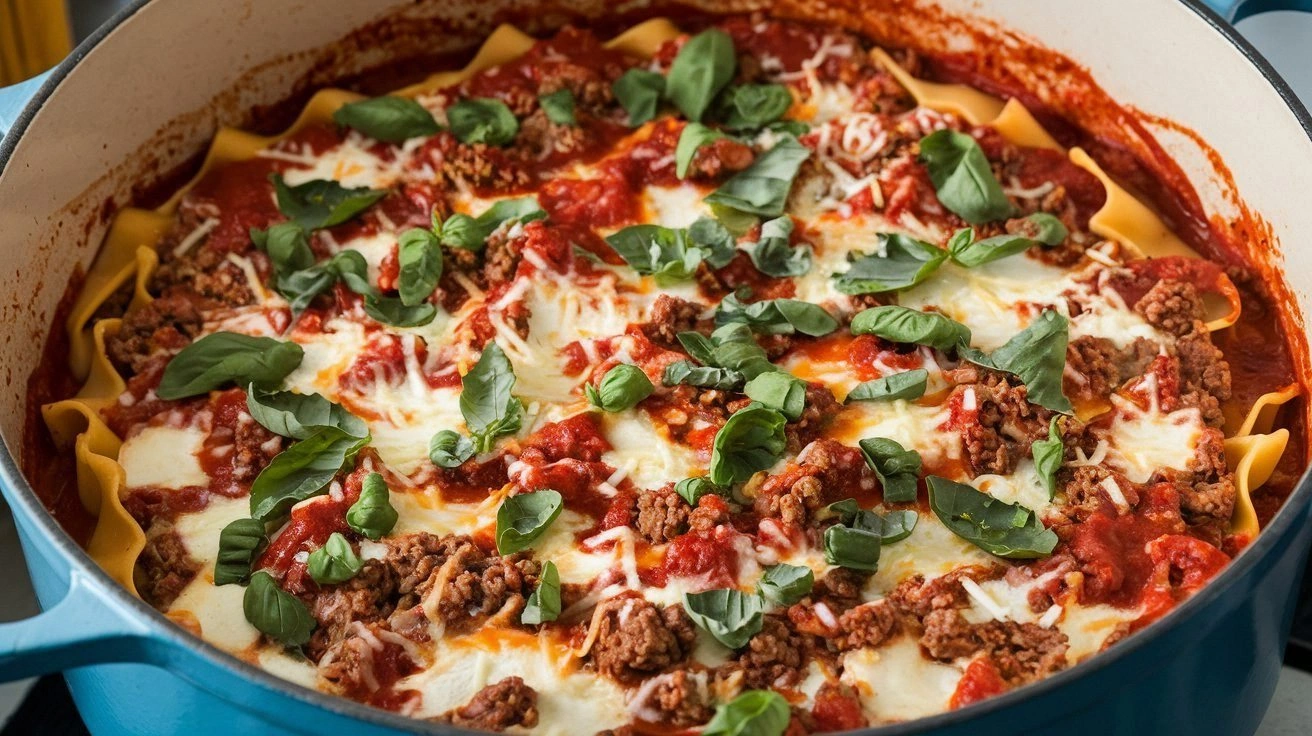
Picture the aroma of browned beef mingling with the sweet, smoky scent of caramelized onions. The sizzle as garlic hits the pan is like a tiny fireworks show. The sight of the marinara bubbling, thickening into a glossy, red river is almost cinematic. When you first taste the sauce, it coats the noodles like velvet, then the melted mozzarella adds a silky, gooey finish. The crunch of the Parmesan crust on top gives a satisfying contrast that sings in your mouth.
What makes this version stand out is a blend of classic comfort and bold innovation. I added ricotta for a creamy lift, crushed tomatoes for depth, and a generous swirl of Italian seasoning for that unmistakable Mediterranean punch. The technique of breaking lasagna noodles into pieces ensures every bite is coated in sauce, avoiding the dreaded dry center. And the finishing layer of mozzarella and Parmesan creates a golden, bubbly crown that melts in the mouth. If you’ve ever settled for the bland, pre-packaged version, this will blow your mind.
You’ll be surprised that the secret to the silky texture lies in the timing of when you add the broth. Adding it just before the noodles are fully cooked keeps the pasta tender and the sauce rich. And don’t forget the final flourish of fresh basil; it adds a bright, herbal note that cuts through the richness. I dare you to taste this and not go back for seconds. This is hands down the best version you'll ever make at home.
Let me walk you through every single step — by the end, you'll wonder how you ever made it any other way. From the first sear to the final bake, I’ll share every nuance. So grab your skillet, preheat your oven, and let’s dive into the ultimate hamburger helper lasagna. You’re about to experience a dish that feels like a hug in a bowl. Ready? Let's get cooking.
What Makes This Version Stand Out
- Flavor: The marinara’s acidity balances the savory beef, while the ricotta adds a subtle sweetness that lingers on the palate.
- Texture: The broken noodles soak up the sauce, creating a moist, cohesive bite, and the melted mozzarella forms a silky coating.
- Simplicity: With just a handful of pantry staples, you can whip this up in under an hour.
- Uniqueness: The combination of crushed tomatoes and Italian seasoning gives it an unexpected depth that sets it apart from typical helper dishes.
- Crowd Reaction: Friends who’ve tried the classic version will be stunned by the richness and depth of this rendition.
- Ingredient Quality: Using fresh basil and high‑quality mozzarella transforms the dish from ordinary to extraordinary.
- Cooking Method: The technique of simmering the sauce with broth before baking locks in moisture and flavor.
- Make‑Ahead Potential: This lasagna can be assembled and refrigerated for up to 24 hours, then baked to perfection.
Alright, let's break down exactly what goes into this masterpiece...
Inside the Ingredient List
The Flavor Base
Olive oil is the first note that sets the stage. A tablespoon of good‑quality olive oil releases the beef’s natural juices and creates a savory foundation. If you skip it, the meat will cling together and the dish will feel flat. For a richer flavor, use extra‑virgin olive oil; for a milder taste, a light olive oil works just fine. The key is to let the oil shimmer before adding the meat.
Ground beef is the heart of the dish. One pound of lean beef gives a robust, meaty flavor without excess greasiness. If you prefer a leaner option, substitute half beef and half turkey or chicken. Skipping the beef entirely turns the dish into a vegetarian lasagna, but you’ll miss that classic umami punch. For the most authentic experience, choose a 80/20 blend.
Onion adds sweetness and depth. Dice it finely so it melts into the sauce, creating a subtle caramelized base. If you’re watching sodium, use a low‑sodium broth and reduce the added salt. If you’re in a hurry, a small onion will still work, but the flavor will be a touch lighter.
Garlic is the aromatic powerhouse. Mince three cloves to release their essential oils. If you’re sensitive to garlic, reduce to two cloves. Skipping garlic results in a bland sauce; it’s essential for that signature kick.
The Texture Crew
Marinara sauce is the liquid backbone of the dish. A 24‑ounce jar provides enough volume to coat every noodle. If you prefer a homemade sauce, simmer crushed tomatoes with herbs until thick. Skipping the marinara turns the dish into a simple beef stew; the noodles will lack that comforting tomato base.
Beef broth adds depth and moisture. Four cups of broth keep the noodles tender and the sauce silky. If you don’t have broth on hand, use water with a bouillon cube. Skipping the broth makes the sauce too thick and the noodles dry.
Crushed tomatoes give body to the sauce. They add a subtle tomato tang that balances the richness. If you’re allergic to tomatoes, try a roasted red pepper base. Skipping the crushed tomatoes will make the sauce thin and watery.
The Unexpected Star
Italian seasoning is the secret to that Mediterranean flare. A tablespoon of this blend introduces oregano, basil, thyme, and rosemary into the mix. If you’re low on herbs, a teaspoon of dried oregano will suffice. Skipping Italian seasoning reduces the dish to a plain tomato‑beef combo.
Salt and pepper are the taste enhancers. One teaspoon of salt and half a teaspoon of black pepper balance the flavors. If you’re watching sodium, use a pinch of salt and a dash of pepper. Skipping these seasonings will leave the dish bland.
The Final Flourish
Lasagna noodles are the structural framework. Eight ounces of uncooked noodles, broken into pieces, provide a satisfying bite. If you prefer a gluten‑free version, substitute with gluten‑free lasagna sheets. Skipping the noodles turns the dish into a sauce‑only bowl.
Ricotta cheese adds creaminess and a gentle tang. One cup of ricotta spreads between layers, giving the dish a luxurious mouthfeel. If you’re lactose intolerant, replace with a dairy‑free ricotta. Skipping ricotta reduces the dish to a plain meat‑and‑sauce affair.
Mozzarella cheese is the gooey crown. Two cups of shredded mozzarella melt into a silky, golden layer. If you prefer a sharper flavor, use part mozzarella, part provolone. Skipping mozzarella removes the signature melt.
Parmesan cheese adds a sharp, nutty finish. Half a cup of grated Parmesan creates a crispy crust when baked. If you’re allergic to dairy, use a dairy‑free Parmesan substitute. Skipping Parmesan eliminates the final crunchy texture.
Fresh basil or parsley, chopped, is the garnish. A handful of herbs adds brightness and a pop of color. If you’re out of fresh herbs, dried basil works but lose the fresh burst. Skipping the garnish makes the dish look a bit plain.
Everything's prepped? Good. Let's get into the real action...
The Method — Step by Step
- Heat a large skillet over medium heat and add one tablespoon of olive oil. Let the oil shimmer before adding the ground beef. Brown the beef in batches, breaking it into crumbles with a wooden spoon. This should take about 5–6 minutes. The goal is a deep, caramelized color that signals flavor development.
- Add the diced onion to the skillet and sauté until translucent, about 3 minutes. Stir in the minced garlic and cook for an additional 30 seconds until fragrant. The aroma should fill the kitchen like a warm hug. This step locks in sweetness and depth.
- Pour in the 24‑ounce jar of marinara sauce and stir to combine with the beef mixture. Allow the sauce to simmer for 4 minutes, letting the flavors meld. The sauce should thicken slightly and develop a rich, glossy sheen.
- Add the crushed tomatoes and Italian seasoning. Stir until the sauce is evenly seasoned. Simmer for another 3 minutes so the herbs infuse the mixture. The aroma will intensify, hinting at the final dish.
- Pour in the four cups of beef broth, bringing the sauce to a gentle simmer. This step keeps the noodles moist and prevents them from drying out during baking. Let the mixture bubble for 2 minutes; the broth should reduce slightly.
- Break the lasagna noodles into bite‑sized pieces and add them to the skillet. Stir gently so the noodles are coated in sauce. Simmer for 5 minutes, or until the noodles are just tender. The noodles should be pliable but still hold their shape.
- Stir in the ricotta cheese, folding it into the mixture until it’s evenly distributed. The ricotta should create a creamy, velvety texture that balances the meatiness. This step also adds a subtle tang that brightens the dish.
- Transfer the entire mixture into a 9×13‑inch baking dish. Sprinkle the shredded mozzarella evenly over the top, followed by a generous dusting of grated Parmesan. The cheeses will form a golden, bubbly crust when baked.
- Bake in a preheated oven at 375°F (190°C) for 20–25 minutes, or until the cheese is melted and the edges are lightly browned. The dish should emit a mouthwatering aroma that pulls everyone toward the counter. Let it rest for 5 minutes before slicing.
- Garnish with fresh basil or parsley, chopped, and serve hot. The herbs add a bright, herbal note that cuts through the richness. Enjoy this comforting masterpiece with a side of garlic bread or a crisp salad.
That's it — you did it. But hold on, I've got a few more tricks that'll take this to another level...
Insider Tricks for Flawless Results
The Temperature Rule Nobody Follows
Most cooks bake at 350°F, but a slightly higher temperature of 375°F gives the cheese a perfect golden crust without overcooking the noodles. Keep an eye on the edges; when they start pulling away, it’s a sign the bake is finished. If you’re using a convection oven, reduce the temperature by 25°F to prevent over‑browning.
Why Your Nose Knows Best
Before you even turn on the oven, trust your nose. A strong, savory aroma means the beef is properly browned and the sauce has developed. If the smell feels flat, let it simmer a bit longer. This simple check saves countless ruined meals.
The 5‑Minute Rest That Changes Everything
Letting the lasagna rest for five minutes after baking allows the juices to redistribute, preventing a soggy bottom. The rest also lets the cheese set, making slicing clean and neat. A quick rest is a small time investment with a big payoff.
The Crust‑Making Secret
Sprinkling a thin layer of extra mozzarella over the Parmesan before baking creates a blistered, golden crust that’s irresistible. The extra cheese also adds a buttery richness that pairs well with the tomato base. Try it on the next batch for an extra wow factor.
The Hidden Umami Boost
A splash of Worcestershire sauce in the sauce mix adds depth and umami without overpowering the dish. Use only a teaspoon to keep the flavor subtle. This trick is especially useful if you’re using a lower‑quality marinara.
Creative Twists and Variations
This recipe is a playground. Here are some of my favorite ways to switch things up:
Spicy Sausage Surprise
Swap the ground beef for spicy Italian sausage. The fennel and paprika give a warm kick that pairs beautifully with the tomato sauce. Serve with a drizzle of hot sauce for an extra punch.
Mushroom Medley
Add sliced cremini or shiitake mushrooms during the sauté stage. Their earthy flavor complements the beef and adds a meaty texture without extra meat.
Pesto Power
Stir in a few spoonfuls of basil pesto after adding the ricotta. The fresh basil flavor brightens the dish and gives it a vibrant green hue.
Cheese Swap
Replace mozzarella with a blend of provolone and fontina for a richer, more complex melt. The cheeses will create a silky, gooey finish.
Gluten‑Free Edition
Use gluten‑free lasagna sheets or spiralized zucchini ribbons. The texture changes slightly, but the sauce still clings beautifully.
Vegan Version
Swap the ground beef for lentils or a plant‑based meat alternative. Use vegan mozzarella and Parmesan substitutes. The result is a hearty, protein‑rich dish that’s entirely plant‑based.
Storing and Bringing It Back to Life
Fridge Storage
Cool the lasagna completely before refrigerating. Store in an airtight container for up to 24 hours. The flavors meld, making it even more delicious the next day.
Freezer Friendly
Wrap the lasagna tightly in foil, then place in a freezer bag. It stays fresh for up to 3 months. Thaw overnight in the refrigerator before reheating.
Best Reheating Method
Reheat in a preheated oven at 350°F (175°C) for 20 minutes. Add a splash of water or broth to the baking dish before covering with foil to keep the noodles moist. The dish should steam back to perfection.