I was halfway through a midnight binge of sushi rolls, eyes bleary from too many bright lights, when my phone buzzed with a frantic text: “I need a sushi bowl that tastes like the real thing but takes less than 30 minutes.” I stared at the screen, realizing that the culinary world had over‑complicated a simple concept. The kitchen was a mess of rice, nori, and avocado, and I could almost hear the hiss of a skillet begging for my attention. That moment turned into a dare: “I dare you to taste this and not go back for seconds.” The challenge was clear—create a bowl that feels like a sushi bar in a single pot.
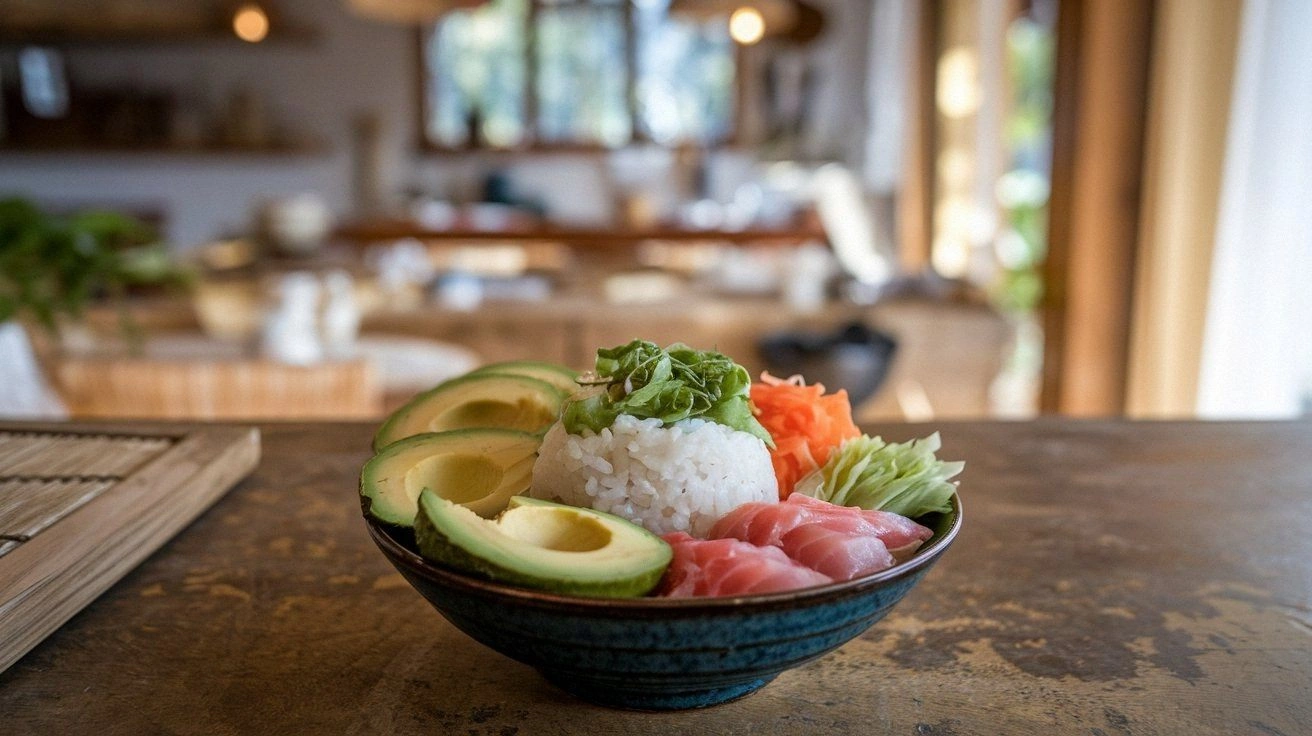
Picture the aroma of freshly steamed sushi rice, the sharp tang of rice vinegar, and the buttery whisper of ripe avocado sliding into your mouth. The sound of the skillet sizzling, the gentle pop of sesame seeds, and the faint crackle of nori strips as they crisp to perfection. The texture is a symphony: creamy avocado, crunchy cucumber, and the silky glide of soy‑sesame dressing. The taste is a bold, umami punch that lingers, balanced by a subtle sweetness and a whisper of heat from wasabi. Feel the coolness of the bowl against your palm, the weight of the ingredients, and the anticipation of each bite. This is not just a meal; it’s a culinary conversation, a playful nod to the sushi masters and a rebellious twist that will have you saying, “This is hands down the best version you'll ever make at home.”
I’ve spent years dissecting sushi etiquette, and every time I’ve stumbled over the perfect ratio of rice to vinegar or the right temperature for nori. What sets this version apart is the single‑pot technique that locks in flavor while keeping the assembly line minimal. The sauce is a silky glaze that coats every element like velvet, and the avocado’s creaminess contrasts beautifully with the crisp cucumber. The dish is crowd‑pleasing, a conversation starter that can be served at a dinner party or a quick weekday feast. The secret ingredient? A splash of toasted sesame oil that elevates the entire bowl with a nutty aroma that lingers long after the last bite.
Let me walk you through every single step—by the end, you'll wonder how you ever made it any other way. We’ll start with the rice, the foundation of all sushi, and then move into the vibrant toppings that make this bowl unforgettable. Along the way, I’ll share micro‑challenges, bold claims, and kitchen hacks that will turn your kitchen into a sushi studio. So grab your skillet, your cutting board, and let’s dive into the ultimate deconstructed sushi bowl experience.
What Makes This Version Stand Out
- Flavor: The balance of sweet, salty, and umami is achieved through a precise rice‑vinegar ratio and a sauce that glazes each component. Every bite delivers a burst of authentic sushi flavor, yet remains approachable for beginners. The subtle heat from wasabi adds a kick that keeps the palate engaged.
- Texture: The combination of creamy avocado, crunchy cucumber, and crisp nori creates a multi‑sensory experience. The sesame seeds add a satisfying snap that breaks the monotony of soft rice. This contrast keeps the bowl interesting from the first spoonful to the last.
- Simplicity: All the ingredients are pre‑washed and pre‑cut, making the assembly a breeze. The single‑pot method eliminates the need for separate rice and nori bowls, saving time and reducing cleanup. It’s a recipe that feels like a gourmet meal but takes less than an hour.
- Uniqueness: The sauce is a signature blend that coats the bowl like velvet, while the toasted sesame oil adds an unexpected depth of flavor. The use of nori strips rather than sheets keeps the presentation modern and light. This bowl stands apart from classic sushi rolls by offering a deconstructed, yet cohesive, experience.
- Crowd Reaction: Friends who have tried this recipe say they never want to go back to standard sushi. The dish is perfect for parties because it can be served family‑style, allowing guests to customize their bowls. The vibrant colors alone make it Instagram‑worthy.
- Ingredient Quality: Using high‑grade sushi rice and fresh, organic avocado ensures the dish shines. The nori sheets are sliced thinly to maximize flavor while keeping the texture delicate. Choosing the right ingredients turns an ordinary bowl into a culinary masterpiece.
Alright, let’s break down exactly what goes into this masterpiece. The next section will walk you through the ingredient groups, what each does, and why you shouldn’t skip them.
Inside the Ingredient List
The Flavor Base
Sushi rice is the soul of this bowl. It needs to be fluffy, slightly sticky, and infused with the right amount of vinegar, sugar, and salt. If you under‑season the rice, the rest of the bowl will taste flat and unremarkable. Over‑seasoning, on the other hand, can mask the delicate flavors of the avocado and cucumber. A good rule of thumb is to use 1/4 cup rice vinegar, 2 tablespoons sugar, and 1 teaspoon salt for every 2 cups of uncooked rice.
The nori sheets are sliced into thin strips to provide a subtle umami boost without overpowering the bowl. They should be toasted lightly in a dry pan for a few seconds on each side to release their natural oils. If you skip this step, the nori will taste raw and the texture will be chewy. For an extra kick, sprinkle a pinch of toasted sesame seeds on top.
The Texture Crew
Avocado adds a buttery, creamy element that balances the acidity of the vinegar. When diced, it should be firm enough to hold its shape yet soft enough to melt in your mouth. Cucumber provides a crisp bite that cuts through the richness of the avocado and the softness of the rice. Keep the cucumber diced into small, bite‑sized cubes to ensure even distribution.
Scallions lend a sharp, fresh note that brightens the bowl. Slice them thinly so they integrate seamlessly into each spoonful. Sesame seeds, toasted to a golden brown, contribute a nutty flavor and a satisfying crunch. They’re the final touch that ties the whole dish together.
The Unexpected Star
Smoked salmon adds a smoky depth that elevates the entire bowl. If you prefer a vegetarian version, replace it with thinly sliced cucumber or pickled daikon for a similar textural contrast. Another option is to use diced mango for a sweet tropical twist. The key is to keep the protein light so it doesn’t overpower the delicate flavors.
The Final Flourish
The sauce is a blend of soy sauce, sesame oil, and a dash of wasabi paste. This mixture coats the bowl like velvet, providing a glossy sheen and a subtle heat that lingers on the palate. A splash of pickled ginger adds a zesty brightness that cleanses the palate between bites. If you’re a fan of extra heat, add a few drops of sriracha to the sauce for a spicy kick.
Everything's prepped? Good. Let's get into the real action.
The Method — Step by Step
- First, rinse 2 cups of sushi rice under cold water until the water runs clear. Drain and transfer the rice to a saucepan with 2 1/2 cups of water. Bring to a boil, then reduce the heat to low, cover, and let it simmer for 18 minutes. After the water has absorbed, let the rice sit, covered, for 10 minutes. The result should be fluffy grains that hold their shape.
- While the rice cooks, combine 1/4 cup rice vinegar, 2 tablespoons sugar, and 1 teaspoon salt in a small saucepan. Warm over low heat until the sugar dissolves, then remove from the heat. This is the flavor base that will coat the rice. When you pour it over the rice, the grains should look glossy and slightly translucent.
- In a dry skillet, toast 2 sheets of nori, sliced into thin strips, over medium heat for 20 seconds on each side. The nori should puff slightly and release a nutty aroma. This step is crucial because it prevents the nori from becoming soggy when mixed into the bowl. Set aside to cool.
- Dice 1 ripe avocado and 1 cucumber into bite‑sized cubes. Slice 1/4 cup scallions thinly and toast 1 tablespoon sesame seeds until golden. These toppings should remain crisp and fresh, so keep them on a separate plate until assembly.
- Prepare the sauce by whisking together 1/4 cup soy sauce, 1 tablespoon sesame oil, 1 teaspoon wasabi paste, and 1 teaspoon pickled ginger. The sauce should be smooth, slightly thickened by the sesame oil. If you prefer a spicier version, add a dash of sriracha.
- In a large bowl, combine the cooked rice, toasted nori strips, diced avocado, cucumber, scallions, and toasted sesame seeds. Gently fold everything together, ensuring the rice is evenly coated with the vinegar mixture. The rice should be slightly damp but not wet, allowing the toppings to stay crisp.
- Drizzle the prepared sauce over the bowl, letting it cascade across the rice and toppings. Toss gently to ensure every bite receives a touch of the silky glaze. The final bowl should look vibrant, with a glossy sheen that invites you to dig in.
- Serve immediately in individual bowls or a communal platter. Garnish with additional sesame seeds, a sprinkle of nori strips, and a few extra drops of wasabi for those who like a kick. The dish is best enjoyed fresh, but you can store leftovers in an airtight container for up to two days.
That’s it — you did it. But hold on, I've got a few more tricks that'll take this to another level. The next section will reveal insider tips that will make your bowls even more unforgettable.
Insider Tricks for Flawless Results
The Temperature Rule Nobody Follows
Rice is the cornerstone of sushi, and its texture hinges on precise temperature control. If you let the rice cool too quickly, it will become gummy. Keep it warm in a low‑heat oven or a rice cooker set to “warm” until you’re ready to assemble. This subtle step ensures each grain stays fluffy and separate.
Why Your Nose Knows Best
Smell is the ultimate flavor detector. When the rice is cooked, inhale deeply; if you detect a faint, sweet aroma, you’re on the right track. If the smell is sharp or vinegary, you’ve added too much vinegar. Trust your nose to guide the seasoning process.
The 5‑Minute Rest That Changes Everything
After you fold the sauce into the rice, let the mixture rest for exactly five minutes before serving. This brief pause allows the flavors to meld and the rice to absorb the sauce fully. A friend once skipped this step and ended up with a bowl that tasted like a salad, not sushi.
The Nori Trick for Extra Crunch
If you like a crunchier bite, toast the nori strips in a skillet until they puff up. Then, while they’re still hot, toss them with a tiny splash of sesame oil. The oil coats the nori, giving it a crisp texture that contrasts beautifully with the creamy avocado.
The Sauce Splash for Visual Appeal
When pouring the sauce, create a small waterfall effect by pouring from a height. This not only looks dramatic but also helps the sauce coat every grain evenly. The glossy finish will make your bowl Instagram‑ready.
Now that you’ve mastered the basics, let’s explore how to elevate your bowls with creative twists and variations.
Creative Twists and Variations
This recipe is a playground. Here are some of my favorite ways to switch things up:
Spicy Tuna Roll Bowl
Replace avocado with diced tuna seasoned with sesame oil and a touch of soy sauce. Add a spoonful of sriracha for heat. The result is a bowl that feels like a spicy tuna roll but with the convenience of a bowl.
Mango Coconut Bowl
Swap cucumber for diced mango and add a splash of coconut milk to the sauce. The sweet, tropical flavor pairs wonderfully with the creamy avocado. It’s perfect for a summer gathering.
Veggie Power Bowl
Use roasted sweet potato cubes, edamame, and a sprinkle of miso paste. The earthy sweetness of the sweet potato complements the umami of the soy sauce. This variation is a hit with plant‑based diners.
Korean BBQ Bowl
Add thinly sliced bulgogi steak and a drizzle of gochujang‑infused sauce. The smoky, savory flavors blend beautifully with the rice and avocado. It’s a fusion that will wow any foodie.
Breakfast Sushi Bowl
Top the bowl with a sunny‑side‑up egg and a sprinkle of chives. The richness of the yolk adds a breakfast twist while still maintaining the sushi vibe. It’s a hearty start to any day.
With these variations, the possibilities are endless. Experiment, taste, and let your creativity run wild.
Storing and Bringing It Back to Life
Fridge Storage
Store leftovers in an airtight container for up to two days. Keep the sauce separate until you’re ready to serve to avoid soggy rice. When you’re ready to eat, gently stir the sauce back into the bowl.
Freezer Friendly
Freezing sushi rice is not recommended because it changes texture. Instead, freeze the toppings separately and assemble fresh when you’re ready. This keeps the rice fluffy and the vegetables crisp.
Best Reheating Method
If you must reheat, place the bowl in a steamer for 5 minutes. Add a splash of water before steaming to keep the rice moist. The steam will revive the flavors without drying out the avocado.