I still remember the night I was trying to salvage a soggy, over‑cooked pot of pasta that had been sitting in the fridge for three days. The sauce was a sad, watery gray that clung to the noodles like a bad mood. I stared at the pot, feeling the familiar dread of “what do I do now?” and decided to throw everything in, hoping for a miracle. That night I discovered a sauce that turned that disaster into a silky, buttery dream, and I’m still convinced that this is the best version of a carbonara‑style pasta you’ll ever make at home.
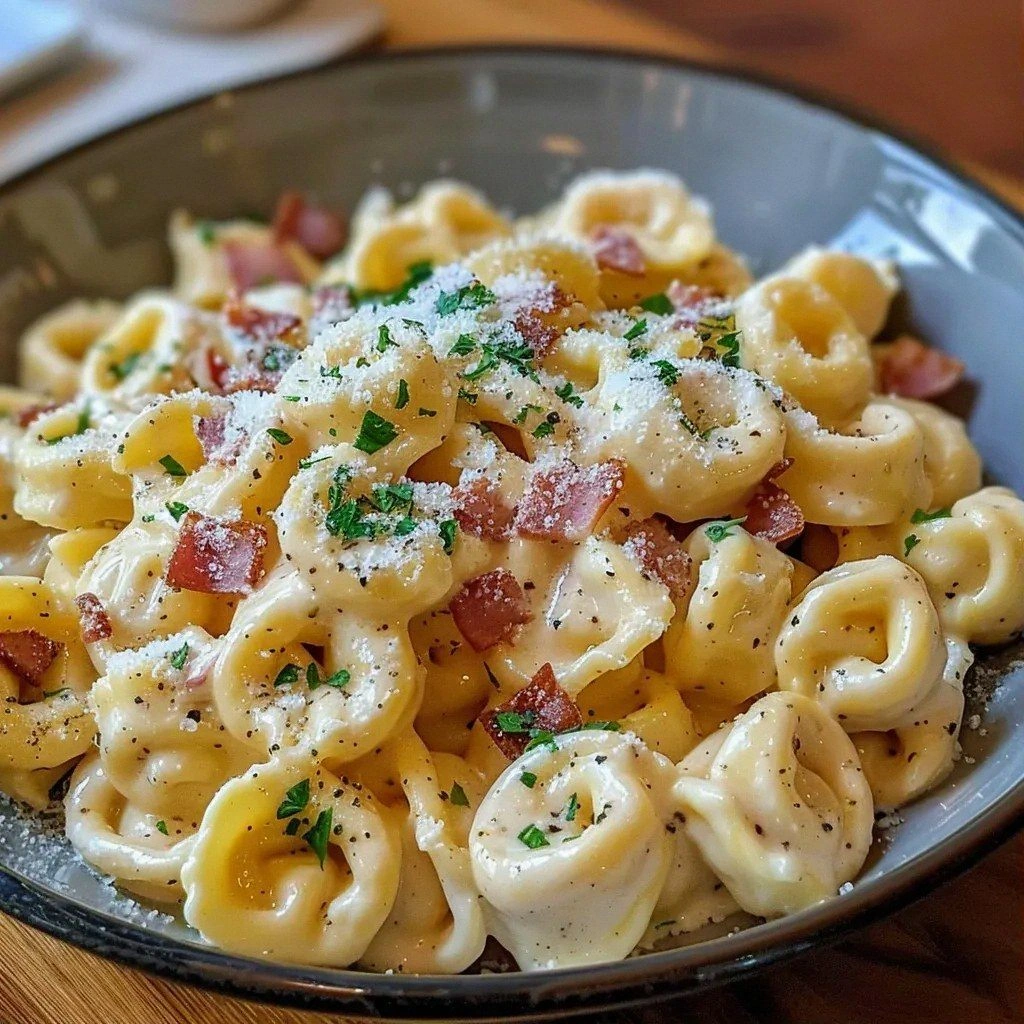
Picture yourself standing in a kitchen that smells of sizzling pancetta, sharp Parmesan, and a hint of garlic. The sound of the pan hissing as the meat browns is almost musical. When you finally ladle the sauce over the hot tortellini, the steam rises in a cloud that’s as inviting as a warm hug. The first bite is a rich, velvety coat that melts into the pasta, releasing a subtle nutty aroma from the cheese and a whisper of pepper that wakes up your senses.
What makes this version so special? I dared myself to add a secret ingredient—fresh parsley—that gives the dish a bright, herbal lift that most recipes miss. I also tweaked the traditional carbonara technique by using a creamy base that’s still quick and forgiving, so even a kitchen rookie can master it. The result? A dish that feels luxurious, yet feels like a comforting hug on a cold night. I dare you to taste this and not go back for seconds.
If you’ve ever struggled with a carbonara that ends up too dry or too heavy, you’re not alone. I’ve had my share of burnt eggs, over‑seasoned sauces, and the dreaded “no‑cream” carbonara that feels like a disappointment. But this recipe solves all those problems with a few simple, game‑changing tweaks. Stay with me here — this is worth it. By the end, you’ll wonder how you ever made it any other way.
What Makes This Version Stand Out
Richness: The sauce coats the pasta like velvet, with a buttery texture that melts in your mouth. The combination of eggs and Parmesan creates a silky base that’s both indulgent and balanced.
Texture: The pancetta is crisped to a golden crunch, giving a delightful contrast to the tender tortellini. The edges of the pasta are slightly charred, adding a smoky depth that makes every bite exciting.
Speed: This dish comes together in about 45 minutes, making it perfect for a weeknight dinner or a quick weekend treat. You’ll be surprised at how fast you can go from raw ingredients to a plated masterpiece.
Versatility: The recipe works with chicken or beef pancetta, and you can swap the tortellini for any shape you prefer. It also adapts well to dietary tweaks, such as using a dairy‑free Parmesan alternative.
Crowd‑pleaser: Friends and family rave about the creamy texture and the subtle pepper kick. The dish is so satisfying that it’s often the last thing on the plate, and I’ve been known to eat half the batch before anyone else has a chance.
Ingredient Quality: Using high‑quality pancetta and freshly grated Parmesan makes the difference between a good dish and a great one. The freshness of the garlic and parsley adds a bright, aromatic lift.
Make‑Ahead Potential: The sauce can be prepared a day ahead, letting the flavors meld. Reheat gently, and it’s still as creamy and delicious as when it was first made.
Alright, let's break down exactly what goes into this masterpiece…
Inside the Ingredient List
The Flavor Base
The heart of this dish is the sauce, which marries eggs, Parmesan, and a touch of black pepper to create a silky, rich coating. The eggs act as a binder, while the cheese adds depth and umami. If you skip the eggs, the sauce will be thin and lack that luxurious mouthfeel. If you omit the Parmesan, you’ll lose the nutty, savory undertone that ties everything together.
Choosing the right Parmesan is key. Look for a hard, aged variety that grates finely and has a sharp, salty flavor. Freshly grated cheese melts better and delivers a cleaner taste than pre‑grated blocks that often contain additives. For a lighter version, try a part‑skim Parmesan, but be prepared for a slightly milder flavor.
If you’re on a dairy‑free diet, a nutritional yeast blend can mimic the cheesy flavor, though the texture will differ. Another option is a vegan Parmesan substitute made from nuts and nutritional yeast, which still provides a savory, umami punch.
The Texture Crew
The tortellini itself is the canvas of this dish. The cheese filling adds a creamy element that complements the sauce, while the pasta’s firm bite offers a satisfying contrast. If you prefer a lighter bite, try whole‑wheat tortellini; the nutty flavor pairs wonderfully with the rich sauce.
The pancetta is the star of the texture crew. When cooked properly, it becomes a crisp, caramelized layer that adds crunch and a smoky, salty depth. If you’re using beef pancetta, you’ll get a slightly richer flavor; chicken pancetta offers a milder, more subtle profile.
The garlic provides a fragrant kick that permeates the entire dish. Mince it finely so that it releases its aroma without overpowering the delicate balance. If you’re sensitive to garlic, you can reduce the amount to one clove, but the dish will feel a bit less complex.
The Unexpected Star
Fresh parsley is the secret ingredient that sets this recipe apart. Its bright, herbal note lifts the heaviness of the cream and adds a pop of color that makes the dish look as good as it tastes. Parsley also offers a subtle peppery flavor that complements the black pepper without overpowering it.
If you’re looking for a different herb, consider basil for a sweet, aromatic twist or chives for a mild onion flavor. However, parsley remains the most balanced choice for a classic carbonara‑style dish.
The Final Flourish
Black pepper and salt are the finishing touches that bring the entire dish together. The pepper’s heat cuts through the richness, while the salt balances the flavors. Use freshly ground black pepper for the best aroma and a subtle, lingering heat.
If you prefer a milder version, reduce the pepper to a pinch. Remember that the pancetta already brings a significant amount of salt, so you don’t need to overdo it. A light dusting of salt at the end of cooking will suffice.
Everything's prepped? Good. Let's get into the real action…
The Method — Step by Step
- Fill a large pot with water, add a generous pinch of salt, and bring it to a rolling boil. While waiting, gather your ingredients and set your skillet on medium heat. The water should be salty enough that it tastes like the sea, which helps season the pasta from the inside out.
- Add the 18 oz of tortellini to the boiling water and cook for 7-8 minutes, or until al dente. Stir occasionally to prevent sticking. When the pasta is nearly done, reserve 1 cup of the pasta water and then drain the rest.
- While the pasta cooks, dice the pancetta into small cubes. In a large skillet, heat a splash of olive oil over medium‑low heat. Add the pancetta and cook until it’s golden and crisp, about 5-7 minutes. The goal is a caramelized edge that adds depth without burning.
- Add the minced garlic to the skillet and sauté for 30 seconds until fragrant. Don’t let it brown; you want a clean, aromatic aroma that doesn’t taste bitter.
- In a medium bowl, whisk together the 2 eggs, 1 cup of grated Parmesan, a pinch of salt, and a generous amount of freshly ground black pepper. The mixture should be smooth and slightly frothy, ready to coat the pasta.
- Turn the heat to low and add the drained tortellini to the skillet with the pancetta and garlic. Toss gently to coat the pasta in the rendered fat. Keep the heat low to avoid scrambling the eggs later.
- Slowly pour the egg and cheese mixture over the pasta, stirring constantly. The residual heat will cook the eggs into a silky sauce without turning them into scrambled eggs. If the sauce seems too thick, add a splash of the reserved pasta water to loosen it.
- Add the chopped parsley and stir until everything is evenly distributed. The parsley should bloom, adding a fresh, green note that brightens the dish.
- Taste the sauce and adjust seasoning if necessary. A final pinch of salt or a dash of pepper can elevate the flavor profile. The sauce should be creamy, slightly thick, and coated on every bite of pasta.
- Serve immediately, garnished with extra Parmesan and a few fresh parsley leaves for color. The dish should be hot and steaming, with the sauce clinging to the noodles like a velvet blanket.
That's it — you did it. But hold on, I've got a few more tricks that'll take this to another level…
Insider Tricks for Flawless Results
The Temperature Rule Nobody Follows
The key to a silky sauce is temperature control. Once you add the eggs, keep the skillet on low heat. If the heat is too high, the eggs will cook too quickly and form clumps. Think of it like coaxing a shy guest into conversation—gentle, steady, and never too loud.
Why Your Nose Knows Best
The first hint that your sauce is on track is the scent. A lightly toasted garlic aroma with a hint of browned pancetta should fill the air. If you smell raw or burnt, lower the heat immediately. Your nose is the best judge of doneness.
The 5‑Minute Rest That Changes Everything
After you plate the pasta, let it rest for 5 minutes before serving. This allows the sauce to thicken slightly and the flavors to meld. It also gives the pasta a chance to absorb the sauce fully, resulting in a more cohesive bite.
Use Fresh Cheese for the Best Texture
Freshly grated Parmesan melts more smoothly than pre‑grated blocks. If you’re in a hurry, a high‑quality pre‑grated cheese works, but the texture will be slightly grainy. Fresh cheese also provides a more vibrant, complex flavor profile.
Keep the Pasta Water Handy
Reserve at least 1 cup of the starchy pasta water before draining. This liquid is the secret weapon to adjust the sauce’s consistency. A splash of it loosens the sauce without diluting the flavor, giving you a silky finish.
Creative Twists and Variations
This recipe is a playground. Here are some of my favorite ways to switch things up:
Spinach & Mushroom Remix
Saute a handful of fresh spinach and sliced mushrooms with the pancetta before adding the garlic. The earthy flavors complement the richness of the sauce, and the spinach adds a burst of color and nutrition.
Seafood Surprise
Swap the pancetta for shrimp or scallops. Cook them in the same skillet until pink, then add the garlic and proceed as usual. The seafood’s sweet, briny flavor pairs wonderfully with the creamy sauce.
Vegan Version
Use a plant‑based pancetta alternative, a vegan Parmesan, and a dairy‑free egg substitute. The result is a creamy, comforting dish that’s fully plant‑based yet still indulgent.
Cheddar & Bacon Boost
Replace the Parmesan with sharp cheddar for a sharper, tangier flavor. Add crisp bacon instead of pancetta for a smoky crunch that’s slightly sweeter. This version is perfect for bacon lovers.
Herb‑Infused Twist
Add a tablespoon of pesto to the sauce for an herbal, nutty depth. The basil and pine nuts give the dish a Mediterranean flair, making it a great option for a summer dinner.
Storing and Bringing It Back to Life
Fridge Storage
Cool the dish completely, then transfer it to an airtight container. Store in the refrigerator for up to 2 days. The sauce may thicken slightly, so keep a small splash of pasta water or a splash of milk handy for reheating.
Freezer Friendly
Place the cooled pasta in a freezer‑safe container and freeze for up to 2 weeks. When ready to eat, thaw overnight in the refrigerator. Reheat gently on the stovetop, adding a splash of pasta water to restore the sauce’s silky texture.
Best Reheating Method
Reheat on low heat, stirring frequently. Add a tiny splash of water or milk to loosen the sauce. The goal is to warm the dish evenly without over‑cooking the eggs or causing the sauce to separate.