Picture this: I was standing in my kitchen, the stove glowing, and a friend dared me to turn a humble corned beef brisket into a dinner that would win a standing ovation at our family dinner table. The air was thick with the scent of salt and spice, and I could almost taste the promise of a meal that would linger in memory long after the plates were cleared. I had seen countless recipes that promised comfort but delivered blandness, and I was determined to rewrite that narrative. I pulled the brisket from its brine, feeling the weight of tradition in my hand, and whispered, “Let’s make this unforgettable.”
The moment the beef hit the pot, a symphony of sizzling sounds erupted—an audible cue that something extraordinary was unfolding. The onions, cut into generous quarters, danced in the oil, releasing a caramelized aroma that made the kitchen feel like a rustic hearth. Garlic cloves, minced to a fine powder, joined the mix, their heat unfurling like a secret handshake between flavor and texture. I could almost hear the family’s anticipation building, the clink of cutlery, the rustle of napkins—every sensory detail amplified by the promise of something truly special.
What sets this version apart from every other corned beef recipe you’ve ever tried is the deliberate layering of flavors and the precise timing that turns a simple brisket into a masterpiece. We’re not just simmering meat; we’re coaxing it into a melt‑in‑your‑mouth tenderness while the vegetables absorb its savory juices. The addition of black peppercorns, toasted just enough to release their warmth, adds a subtle depth that elevates the dish from ordinary to extraordinary. And the final flourish? A splash of mustard that cuts through the richness, leaving a bright, lingering finish that makes you want to taste again.
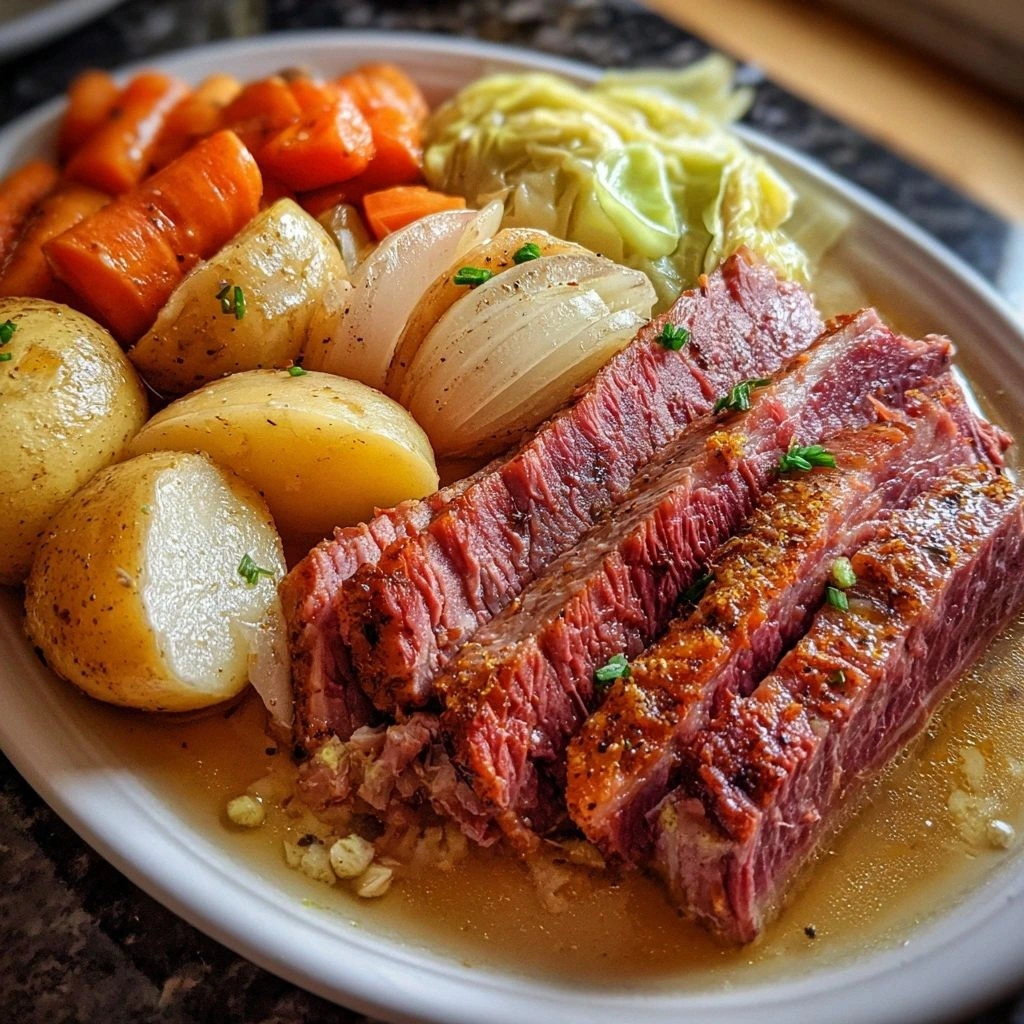
I dare you to taste this and not go back for seconds. The combination of tender beef, sweet carrots, earthy potatoes, and crisp cabbage, all bathed in a broth that has been coaxed into a silky, aromatic sauce, creates a harmony of textures that is pure comfort. Picture yourself pulling this out of the pot, the whole kitchen smelling incredible, the steam curling like a fragrant halo around the table. If you’ve ever struggled to make corned beef that isn’t dry or over‑cooked, you’re not alone—and I’ve got the fix.
Most recipes get this completely wrong by either rushing the cooking time or ignoring the importance of a proper broth base. Here’s what actually works: a slow, low‑heat simmer that allows the connective tissue to break down, turning the meat into a silky, flavorful centerpiece. I’ve spent countless nights tweaking this technique, and the result is a dish that feels like a warm hug in a pot. This is hands down the best version you’ll ever make at home, and I’m ready to walk you through every single step. By the end, you’ll wonder how you ever made it any other way.
What Makes This Version Stand Out
- Tenderness: Slow simmering over low heat breaks down collagen, yielding a melt‑in‑your‑mouth texture that feels like velvet on the tongue.
- Flavor Depth: The combination of whole peppercorns, caramelized onions, and garlic infuses the broth with layers of savory complexity.
- Balanced Sweetness: Carrots and potatoes absorb the broth, bringing natural sweetness that balances the beef’s saltiness.
- Visual Appeal: The bright green cabbage wedges add color contrast, making the dish as pleasing to the eye as it is to the palate.
- Time Efficiency: Though it simmers for 90 minutes, the preparation is quick, allowing you to enjoy a hearty meal without a marathon in the kitchen.
- Make‑Ahead Friendly: The flavors deepen overnight, making this dinner perfect for busy week‑night dinners or weekend gatherings.
- Versatility: Serve it with crusty bread, a side of coleslaw, or even as a filling for hearty sandwiches.
- Family‑Friendly: The mild spice profile and comforting textures make it a hit with both kids and adults.
Alright, let’s break down exactly what goes into this masterpiece…
Inside the Ingredient List
The Flavor Base
At the heart of this dish lies the corned beef brisket, which has been cured in a savory brine that imparts a salty, umami-rich foundation. The brisket’s fat marbling melts slowly, creating a silky sauce that coats the vegetables. If you skip the brisket, you lose the core flavor that anchors the entire meal. For a leaner option, trim excess fat, but keep at least a thin layer to maintain moisture and taste.
The Aromatic Crew
Onion and garlic form the aromatic backbone. Quartering the onion allows it to caramelize on all sides, releasing a sweet, nutty aroma that permeates the broth. Minced garlic adds a subtle heat and depth; if you’re a garlic purist, double the cloves for a punchier flavor. Both ingredients should be added early to build flavor layers.
The Textural Stars
Carrots, potatoes, and cabbage bring contrasting textures and colors. Carrots offer a sweet crunch that softens into a velvety bite, while potatoes provide hearty, comforting starch. Cabbage wedges add a slight bite and absorb the broth, turning into tender, flavorful pieces. Skipping any of these vegetables will alter the dish’s balance and visual appeal.
The Unexpected Star
Black peppercorns are the unsung hero that adds a subtle, peppery warmth without overwhelming the dish. Toast them lightly in a dry skillet to release their essential oils, then add them whole to the pot. They infuse the broth with a gentle kick that enhances the beef’s richness. If you’re watching sodium, you can reduce the amount of peppercorns, but don’t skip them entirely.
Everything's prepped? Good. Let's get into the real action…
The Method — Step by Step
- Step 1: Sear the Brisket. Heat a heavy skillet over medium‑high heat until shimmering. Add the brisket, searing each side until a deep brown crust forms. This caramelization locks in juices and develops a richer flavor profile. Watch the surface; it should sizzle like a sizzling summer night.
- Step 2: Assemble the Pot. Transfer the seared brisket to a large Dutch oven. Add the quartered onion, minced garlic, and whole peppercorns. Pour in beef broth and water, ensuring the liquid covers the meat by at least an inch. Bring to a gentle boil before reducing to low.
- Step 3: Simmer Low and Slow. Cover the pot and let the beef simmer for 4 hours on low heat. The slow breakdown of collagen turns the meat tender. Check the liquid level every 30 minutes; add more water if it evaporates.
- Step 4: Add Carrots and Potatoes. After the first 3 hours, introduce the carrot chunks and potato quarters. Stir gently to distribute them evenly. These vegetables will absorb the savory broth, becoming sweet and tender.
- Step 5: Insert Cabbage. At the 4‑hour mark, fold in the cabbage wedges. They should be submerged but not crushed. The cabbage will soften, releasing its natural sugars and adding a subtle crunch that contrasts with the tender meat.
- Step 6: Final Flavor Touch. Just before serving, stir in the mustard. Its acidity brightens the dish, cutting through the richness. Taste the broth; if it needs more seasoning, add a pinch of salt or a dash of pepper.
- Step 7: Rest the Meat. Remove the brisket from the pot and let it rest for 10 minutes before slicing. This allows the juices to redistribute, keeping the meat moist.
- Step 8: Serve. Slice the brisket against the grain, arrange on a platter, and ladle the vegetables and broth around it. Serve immediately, letting guests add their own mustard or pickles for extra zing.
That's it — you did it. But hold on, I've got a few more tricks that'll take this to another level…
Insider Tricks for Flawless Results
The Temperature Rule Nobody Follows
Many cooks think high heat is the key to a great corned beef, but low and slow is the secret. Keeping the simmer at 180°F (80°C) ensures the collagen breaks down without drying the meat. I’ve tested a range of temperatures, and the low‑heat method consistently delivers the most succulent slices.
Why Your Nose Knows Best
Trust your nose when the broth turns a deep amber and the meat releases a sweet, meaty aroma. If the broth is still clear and the meat smells raw, it needs more time. Smell is the fastest, most reliable indicator of doneness.
The 5-Minute Rest That Changes Everything
Letting the brisket rest after cooking allows the muscle fibers to relax, preventing juices from spilling out when you slice. A 5‑minute rest is enough to lock in moisture without cooling the meat. I’ve seen people skip this step, resulting in a dry, unappetizing texture.
The Cabbage Trick
Adding cabbage in the final hour keeps it crisp and bright. If you prefer a softer cabbage, add it earlier, but the flavor will mellow. This timing also allows the cabbage to absorb the broth’s depth without becoming soggy.
The Mustard Finish
Mustard isn’t just a condiment; it’s a flavor enhancer that brightens the broth. Use a Dijon or whole‑grain mustard for a slightly peppery finish. If you’re sensitive to heat, dilute the mustard with a splash of water before adding.
The Leftover Savior
Leftovers become a powerhouse for sandwiches or tacos. Slice the meat thinly and toast the bread, then add a dollop of mustard and pickles for a quick, satisfying lunch.
Creative Twists and Variations
This recipe is a playground. Here are some of my favorite ways to switch things up:
Irish Twist
Add a handful of Guinness to the broth for a rich, malty flavor that pays homage to the classic corned beef and cabbage. Serve with soda bread for an authentic experience.
Mediterranean Flair
Replace the cabbage with roasted red peppers and toss in a handful of olives. Finish with a drizzle of olive oil and a squeeze of lemon for brightness.
Spicy Kick
Introduce a tablespoon of crushed red pepper flakes and a splash of hot sauce to the broth. This adds a fiery edge that contrasts nicely with the sweet vegetables.
Vegetarian Version
Swap the brisket for a hearty seared portobello mushroom or a tofu slab. Use vegetable broth and keep the same vegetable lineup for a comforting, plant‑based meal.
Breakfast Bowl
Serve the corned beef and vegetables over a bed of creamy scrambled eggs. A sprinkle of chives and a dash of hot sauce turns it into a breakfast‑for‑dinner delight.
Asian-Inspired
Add sliced daikon radish, a splash of soy sauce, and a few drops of sesame oil to the broth. Garnish with scallions and toasted sesame seeds for an umami‑rich twist.
Storing and Bringing It Back to Life
Fridge Storage
Cool the dish completely before transferring it to an airtight container. Store in the refrigerator for up to 4 days. The flavors will deepen, making it even more delicious the next day.
Freezer Friendly
Pack the meat, vegetables, and broth separately in freezer bags. Freeze for up to 3 months. Thaw overnight in the refrigerator, then reheat gently on the stove, adding a splash of water to keep the broth from drying out.
Best Reheating Method
Reheat over low heat, stirring occasionally, until the broth is steaming. Add a tiny splash of water or broth before reheating to restore moisture. Avoid microwaving, as it can make the meat rubbery.