Authentic Chicken Pad Thai Rec
I remember the night my apartment turned into a culinary battlefield: a pot of rice noodles, a pan that refused to stay flat, and my best friend, who dared me to make the most authentic Pad Thai I've ever tasted. The kitchen was a mess of steam, sauce splattering, and a lingering scent of garlic that made my eyes water. I was determined to prove that a few simple tweaks could elevate a dish that often feels like a recipe in a box. My friends laughed, but I was already picturing the final plate—bright red chilies, a burst of lime, and that signature sweet‑salty tang that makes you reach for another bite.
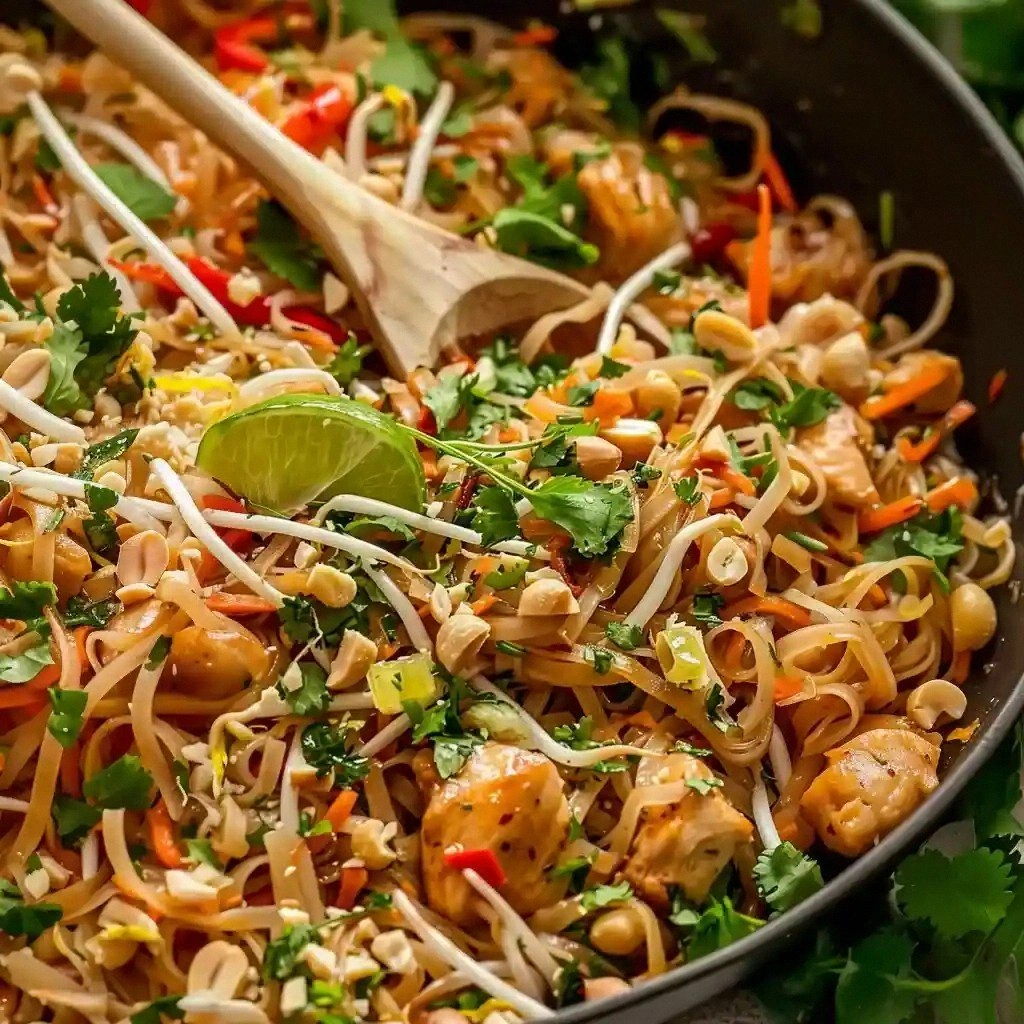
Picture this: the noodles, softened to a silky yet al dente texture, glistening with a glossy sauce that coats each strand like velvet. The air is thick with the aroma of toasted peanuts, caramelized tamarind, and a faint, almost imperceptible hint of seaweed from the dried shrimp. The sound of the wok is a rhythmic slap—each stir a drumbeat of flavor. The first bite is a harmonious explosion: sweet from palm sugar, sharp from lime, savory from fish sauce, and that umami punch from tamarind that lingers on your palate. The crunch of fresh bean sprouts and the subtle heat of chili flakes finish the experience, leaving you craving a second helping.
What sets this version apart from the countless Pad Thai recipes out there is a deliberate focus on balance and authenticity. We use a combination of fresh and dried aromatics to create depth, and we marinate the chicken in a soy‑cornstarch blend to lock in juiciness while adding a subtle glaze. The sauce is crafted with tamarind paste, palm sugar, and fish sauce in proportions that mimic the classic street‑food version you’d find in Bangkok, not the watered‑down supermarket version. The noodles are soaked just long enough to absorb the sauce without becoming mushy, and the final toss with roasted peanuts and cilantro adds texture and brightness. By the time you plate it, the dish feels like a culinary passport to Thailand, right in your own kitchen.
I dare you to taste this and not go back for seconds. If you’ve ever struggled with the right balance of sweet, sour, and salty, you’re not alone—and I’ve got the fix. The secret lies in the small details: the precise timing of the sauce, the order of the ingredients, and a few kitchen hacks that will make you feel like a pro. Picture yourself pulling this out of the wok, the whole kitchen smelling incredible, and your guests lining up for the first bite. Let me walk you through every single step—by the end, you’ll wonder how you ever made it any other way.
What Makes This Version Stand Out
- Flavor Depth: The sauce is a symphony of tamarind, palm sugar, and fish sauce, creating a complex profile that lingers on the tongue. The dried shrimp adds a subtle briny note that elevates the dish beyond the usual blandness.
- Texture Contrast: Fresh bean sprouts and roasted peanuts provide crunch, while the noodles stay al dente. The chicken’s marination gives it a slight caramelized exterior without drying out.
- Authentic Technique: Stir‑frying at high heat keeps the wok smoking and imparts that coveted smoky flavor. The final toss with lime and chili flakes ensures every bite bursts with freshness.
- Ingredient Quality: Using fresh flat rice noodles and real tamarind paste instead of substitutes guarantees a genuine taste. The peanuts are toasted in the pan, releasing their oils for maximum flavor.
- Time Efficiency: Prep time is just 15 minutes, thanks to pre‑soaked noodles and pre‑marinated chicken. The cooking process takes 25 minutes, making this a quick dinner that feels gourmet.
- Crowd Appeal: Whether you’re feeding a family or hosting a dinner party, the dish’s bright colors and bold flavors are a guaranteed hit. Even the most skeptical palates can’t resist the combination of sweet, sour, and umami.
Alright, let's break down exactly what goes into this masterpiece...
Inside the Ingredient List
The Flavor Base
Tamarind paste is the cornerstone of Pad Thai’s tang. It’s a fermented fruit that offers a sourness that’s deeper than citrus. If you can’t find tamarind paste, a splash of lime juice plus a teaspoon of vinegar will mimic its acidity, but the authentic flavor will be slightly different. Using palm sugar instead of refined sugar adds a subtle caramel note that balances the acidity and gives the sauce a silky finish.
The Texture Crew
Flat rice noodles are the backbone of this dish. Fresh noodles are ideal, but if you’re using dried, soak them in hot water until they’re pliable but still firm. Bean sprouts add a satisfying crunch that contrasts with the soft noodles. Garlic chives provide a mild onion flavor that lifts the overall taste profile. Roasted peanuts are toasted in the pan to release their oils and create a nutty aroma that permeates the dish.
The Unexpected Star
Dried shrimp might seem like an odd ingredient, but it’s a secret weapon for umami. It’s packed with glutamates that deepen the sauce’s savory depth. If you’re allergic or simply don’t have dried shrimp on hand, you can substitute with a small amount of fish sauce or even anchovy paste. The key is to keep the umami punch without overpowering the delicate flavors.
The Final Flourish
Lime wedges, chopped cilantro, and red chili flakes are the finishing touches that bring brightness and heat. Lime adds acidity that cuts through the richness of the sauce, while cilantro provides a fresh herbal note. Red chili flakes give a gentle heat that can be adjusted to taste. Together, they transform the dish from simple to spectacular.
Everything's prepped? Good. Let's get into the real action...
The Method — Step by Step
- Marinate the Chicken: In a bowl, combine the sliced chicken breast with 1 tablespoon soy sauce and 1 teaspoon cornstarch. Toss until each piece is coated. Let it sit for 10 minutes; this not only flavors the meat but also creates a thin, silky coating that caramelizes beautifully.
- Prep the Sauce: In a small bowl, whisk together 3 tablespoons tamarind paste, 3 tablespoons palm sugar, 2 tablespoons fish sauce, and 1 tablespoon soy sauce. Add a splash of water to thin the mixture slightly. This sauce should be thick enough to coat the noodles without making them soggy.
- Soak the Noodles: Place the flat rice noodles in a large bowl of warm water. Let them soak for 8 minutes, then drain and set aside. The noodles should be pliable but not mushy.
- Heat the Wok: Preheat a wok or large skillet over high heat until it’s smoking. Add 3 tablespoons of vegetable oil and swirl to coat. The oil should shimmer but not smoke excessively.
- Sauté Aromatics: Add the minced garlic, finely chopped shallots, and dried shrimp to the hot wok. Stir-fry for 30 seconds until fragrant, making sure the garlic doesn’t burn. The aroma should be robust, signaling the base of the dish is ready.
- Cook the Chicken: Push the aromatics to the side of the wok and add the marinated chicken. Cook for 4–5 minutes, stirring occasionally, until the chicken is cooked through and lightly browned. The chicken should be juicy inside with a caramelized exterior.
- Combine Ingredients: Add the soaked noodles, bean sprouts, garlic chives, and the prepared sauce to the wok. Toss everything together, ensuring the noodles are evenly coated. The sauce should cling to the noodles, giving them a glossy appearance.
- Finish with Crunch: Sprinkle in the roasted peanuts and give the mixture one final toss. The peanuts should be evenly distributed, offering a pleasant crunch in each bite.
- Serve with Freshness: Transfer the Pad Thai to a serving platter. Squeeze lime wedges over the top, sprinkle chopped cilantro, and add a pinch of red chili flakes for heat. Serve immediately for the best texture.
- Enjoy the Result: The final dish should be a harmonious blend of sweet, sour, salty, and umami, with a satisfying crunch from the peanuts and sprouts. The aroma will be inviting, and every bite will remind you of a bustling Thai street market. That sizzle when it hits the pan? Absolute perfection.
That's it — you did it. But hold on, I've got a few more tricks that'll take this to another level...
Insider Tricks for Flawless Results
The Temperature Rule Nobody Follows
High heat is essential for that authentic wok char. If your stove can’t reach a high enough temperature, use a cast‑iron skillet instead. The skillet retains heat better, allowing the noodles to fry without soaking up too much oil. A quick test: drop a drop of water into the pan; it should evaporate instantly.
Why Your Nose Knows Best
Smell the sauce before adding it to the noodles. A proper tamarind‑sugar balance should have a slightly sweet, tangy aroma. If it smells too sweet, add a splash of fish sauce; if it’s too sour, add a pinch of palm sugar. Your nose is the ultimate judge of flavor balance.
The 5-Minute Rest That Changes Everything
After cooking, let the Pad Thai rest for 5 minutes before serving. This rest period allows the sauce to redistribute and the flavors to meld. It also gives the peanuts a chance to re‑crunch slightly if they softened during cooking.
Use Fresh Peanuts for Extra Crunch
If you can, use fresh, unsalted peanuts and toast them in the wok. Fresh peanuts have a more vibrant flavor and a crunch that’s harder to replicate with pre‑roasted peanuts. Toss them in the final step for the freshest bite.
Keep the Wok Clean
Wipe the wok between steps to prevent sticking. A clean wok ensures the noodles don’t cling to the pan, which can ruin the texture. A quick wipe with a paper towel after draining the oil will do the trick.
Creative Twists and Variations
This recipe is a playground. Here are some of my favorite ways to switch things up:
Vegan Pad Thai
Replace the chicken with tofu or tempeh, and swap fish sauce for soy sauce or tamari. Use a splash of coconut aminos for extra depth. The tofu will absorb the sauce and provide a satisfying bite.
Seafood Pad Thai
Add shrimp or mussels for a briny twist. Cook the seafood in the first stir‑fry step, just until pink, then proceed as usual. The seafood brings a fresh, oceanic flavor that pairs beautifully with the sweet sauce.
Gluten-Free Pad Thai
Use rice noodles as already suggested, and ensure all sauces are gluten‑free. Check the tamarind paste for hidden wheat. This version is safe for gluten‑sensitive diners.
Spicy Thai Chili
Add sliced fresh Thai chilies to the aromatics for an extra kick. Adjust the amount of red chili flakes in the final garnish to match your heat tolerance. The dish will have a fiery edge that’s unforgettable.
Thai Breakfast Pad Thai
Serve the Pad Thai with a sunny‑side‑up egg on top and a drizzle of chili oil. The runny yolk adds richness and makes it a hearty breakfast option. It’s a delicious way to start the day.
Low‑Carb Pad Thai
Replace the rice noodles with spiralized zucchini or shirataki noodles. Keep the sauce the same and add extra vegetables like bell peppers or bok choy. This version is perfect for keto or low‑carb enthusiasts.
Storing and Bringing It Back to Life
Fridge Storage
Store leftover Pad Thai in an airtight container for up to 2 days. Keep the sauce separate if possible; mix it back in just before reheating. This prevents the noodles from becoming soggy.
Freezer Friendly
For longer storage, freeze in a freezer‑safe container for up to 1 month. Reheat in the microwave, adding a splash of water to re‑hydrate the noodles. The texture will be close to fresh.
Best Reheating Method
Reheat in a hot skillet over medium heat, stirring frequently. Add a small splash of water or broth to keep the noodles moist. This method restores the original sauce thickness and noodle chew.
Add a tiny splash of water before reheating — it steams back to perfection.