Introduction
I was standing in my kitchen, staring at a half‑cooked pot of rice and a pile of spices I’d never mixed before, when a friend dared me to create a dish that could taste like a world tour in 45 minutes. The challenge felt like a culinary dare‑devil, a test of speed, creativity, and taste. I laughed, rolled up my sleeves, and imagined a bowl that would sing with the boldness of Mexican heat, the umami depth of Japanese miso, the bright zing of Thai chili, the aromatic warmth of Indian tandoori, and the nutty richness of Mediterranean za’atar.
The scene was electric: the aroma of cumin and smoked paprika mingled with the sharp tang of lime, while the sizzling of garlic in olive oil sent little steam ribbons into the air. My eyes danced across the colorful array of vegetables—crimson bell pepper, golden carrot, emerald broccoli—each promising a bite of texture. The sound of the pot bubbling, the gentle crackle of the pan, and the rhythmic chopping knife were the soundtrack of a kitchen that was suddenly a global playground.
Why does this version stand out? Because it doesn’t just layer sauces; it layers stories. Each sauce is a passport stamp, a memory of a place, a flavor that you can taste in a single bite. The dish is a comfort food that feels like a hug from every corner of the world, and yet it’s built around a single, simple base of jasmine rice and tender chicken. The result is a dish that feels both exotic and familiar, bold yet balanced, and undeniably satisfying.
There’s a secret twist that will blow your mind: a splash of tahini that gives the sauce a velvety texture, a hint of honey that balances the heat, and a dash of lime that lifts the entire bowl. I dare you to taste this and not go back for seconds. Picture yourself pulling this out of the oven, the whole kitchen smelling incredible, and you’ll know you’ve just experienced something extraordinary. Let me walk you through every single step — by the end, you’ll wonder how you ever made it any other way.
What Makes This Version Stand Out
- Global Flavor Fusion: Every bite is a passport stamp from five continents, yet the dish feels cohesive and balanced. The sauces mingle without one overpowering the others.
- Speed and Simplicity: 45 minutes from start to finish, with minimal prep. No advanced techniques—just smart layering and a few quick tricks.
- Texture Play: The crunch of raw veggies, the tenderness of chicken, and the silkiness of the sauce create a mouthful that’s as exciting as it is comforting.
- Versatility: Swap proteins, add tofu, or go vegan—this recipe adapts to every dietary preference without losing its soul.
- Make‑ahead Friendly: The flavors deepen overnight. Store in the fridge and reheat; the dish tastes even better the next day.
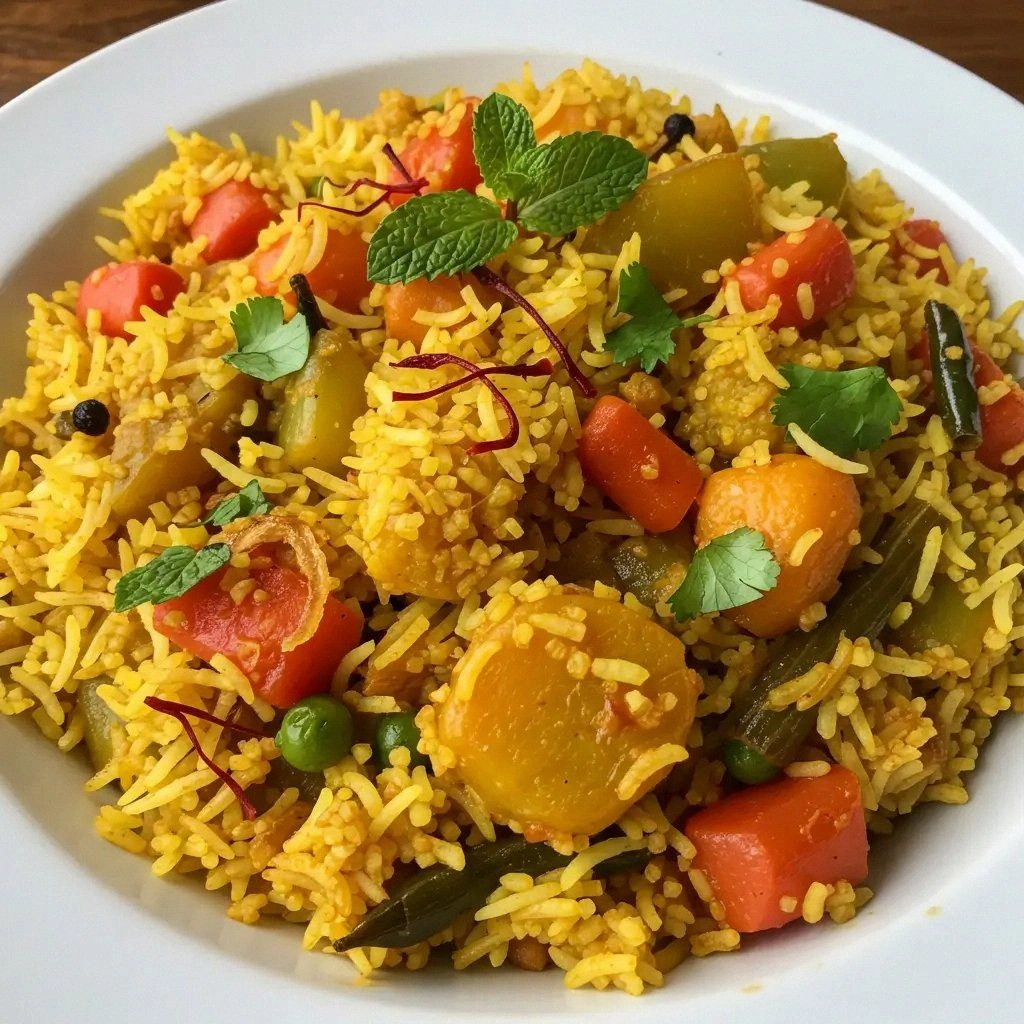
- Visual Appeal: The bright colors of bell pepper, carrot, and broccoli against the golden sauce make the dish Instagram‑ready.
- Ingredient Quality Matters: Fresh, high‑quality spices and fresh produce elevate the entire experience.
- Audience Love: Friends rave about the “five‑world” concept and ask for the recipe over and over.
Alright, let's break down exactly what goes into this masterpiece...
Inside the Ingredient List
The Flavor Base
At the heart of this dish lies the sauce—a carefully balanced medley of five global flavor pillars. The miso paste brings umami depth that echoes Japanese kitchens, while the gochujang injects a subtle heat reminiscent of Korean street food. The tomato sauce adds a smoky sweetness that nods to Mexican mole, and the pesto offers a fresh, herbaceous brightness that feels like a walk through an Italian garden. Finally, a splash of tahini gives the sauce a silky, nutty finish that ties everything together. Each component is measured precisely so that no single flavor overwhelms the others, creating a harmonious chorus rather than a cacophony.
Why does it matter? The sauce is the glue that holds the dish together. If you skip the miso, you lose that deep umami; if you skip the tahini, the sauce feels thin. The balance is delicate: too much gochujang and you’ll drown the subtlety of the pesto; too much tomato sauce and the dish becomes overly sweet. That’s why I keep the ratios tight and the ingredients fresh.
Swap tips: If you’re allergic to soy, replace miso with a light soy sauce or a splash of tamari. For a dairy‑free version, use a non‑dairy pesto. If you prefer a sweeter profile, add a teaspoon of maple syrup instead of honey.
Buying tip: When choosing jasmine rice, look for a brand that’s labeled “long grain” and “non‑sticky.” It will absorb the sauce better and keep its fluffy texture.
The Texture Crew
Texture is the unsung hero of comfort food. The bell pepper, carrot, and broccoli provide a satisfying crunch that contrasts with the tender chicken and the silky sauce. The onion adds a subtle sweetness when caramelized, while the garlic and ginger give a fragrant kick that lingers on the palate. The diced chicken is cut into bite‑sized pieces to ensure even cooking and to allow each bite to soak up the sauce.
Skipping any of these veggies changes the dish’s mouthfeel. If you leave out the broccoli, you lose that green, earthy crunch that balances the sweeter sauces. If you omit the onion, the dish feels a bit flat and lacking depth. The key is to keep the veggies crisp but not raw; a quick sauté will preserve their color and texture.
Swap tips: Replace broccoli with cauliflower for a lower‑carb option. Use zucchini ribbons for a lighter texture. If you’re short on time, frozen mixed vegetables work well—just thaw them before sautéing.
Buying tip: Choose fresh, firm veggies. For carrots, look for bright orange with no brown spots. For bell peppers, pick ones that feel heavy for their size, indicating juiciness.
The Unexpected Star
While the sauces and veggies are expected, the unexpected star is the tahini. Tahini is often reserved for Middle Eastern dishes, but here it adds a creamy, nutty undertone that elevates the sauce’s body. It also brings a subtle richness that balances the acidity of lime and the heat of gochujang. Without tahini, the dish would feel lighter but less satisfying.
Skipping tahini means you lose that silky texture. If you’re avoiding sesame, you can use a tablespoon of almond butter or a splash of coconut milk to mimic the creaminess.
Buying tip: Look for tahini with minimal additives—just sesame seeds and a pinch of salt. This ensures a pure, nutty flavor.
The Final Flourish
The lime juice and honey are the finishing touches that bring everything together. Lime adds a bright, citrusy lift that cuts through the richness, while honey brings a gentle sweetness that tempers the heat. Together, they create a bright, balanced finish that makes the dish feel fresh and vibrant.
Don’t skip them: the lime juice is essential for that zing, and the honey gives the sauce a glossy sheen. If you prefer a more tart profile, increase the lime; for a sweeter finish, add a bit more honey.
Buying tip: Use freshly squeezed lime juice for the best flavor. If you’re in a pinch, bottled lime juice works, but it may contain preservatives that alter the taste.
Everything's prepped? Good. Let's get into the real action...
The Method — Step by Step
- Begin by heating a large skillet over medium heat and adding the olive oil. Once the oil shimmers, toss in the diced chicken. Sear the chicken until it’s golden on all sides, about 5 minutes. This step locks in juices and builds a flavorful base. Don’t rush; a good sear adds depth.
- Add the minced garlic and grated ginger to the skillet. Sauté for 30 seconds until fragrant, making sure not to burn them. The aroma that rises is the first hint of the global journey ahead. This is the moment of truth.
- Introduce the onion, bell pepper, carrot, and broccoli. Stir-fry for 3–4 minutes until the veggies are crisp‑tender. The colors should pop, signaling that the vegetables are ready to soak up the sauce. Keep the heat moderate to preserve crunch.
- Now, pour in the soy sauce, miso paste, gochujang, tomato sauce, pesto, and tahini. Stir vigorously to combine all the sauces into a homogeneous, glossy mixture. The sauce should coat the veggies and chicken evenly. This is where the five flavors begin to mingle.
- Reduce the heat to low and let the sauce simmer for 5 minutes. During this time, the flavors meld and the sauce thickens slightly. You’ll notice the aroma turning richer, almost toasty. Keep an eye on the consistency—if it gets too thick, splash in a splash of water.
- Add the lime juice and honey, stirring until the sauce glistens. The lime juice should give a bright citrus pop, while the honey balances the heat and adds a subtle sweetness. Taste and adjust salt or pepper as needed.
- While the sauce finishes, cook the jasmine rice according to package instructions—typically 15 minutes on low heat. The rice should be fluffy and absorbent, ready to soak up the sauce.
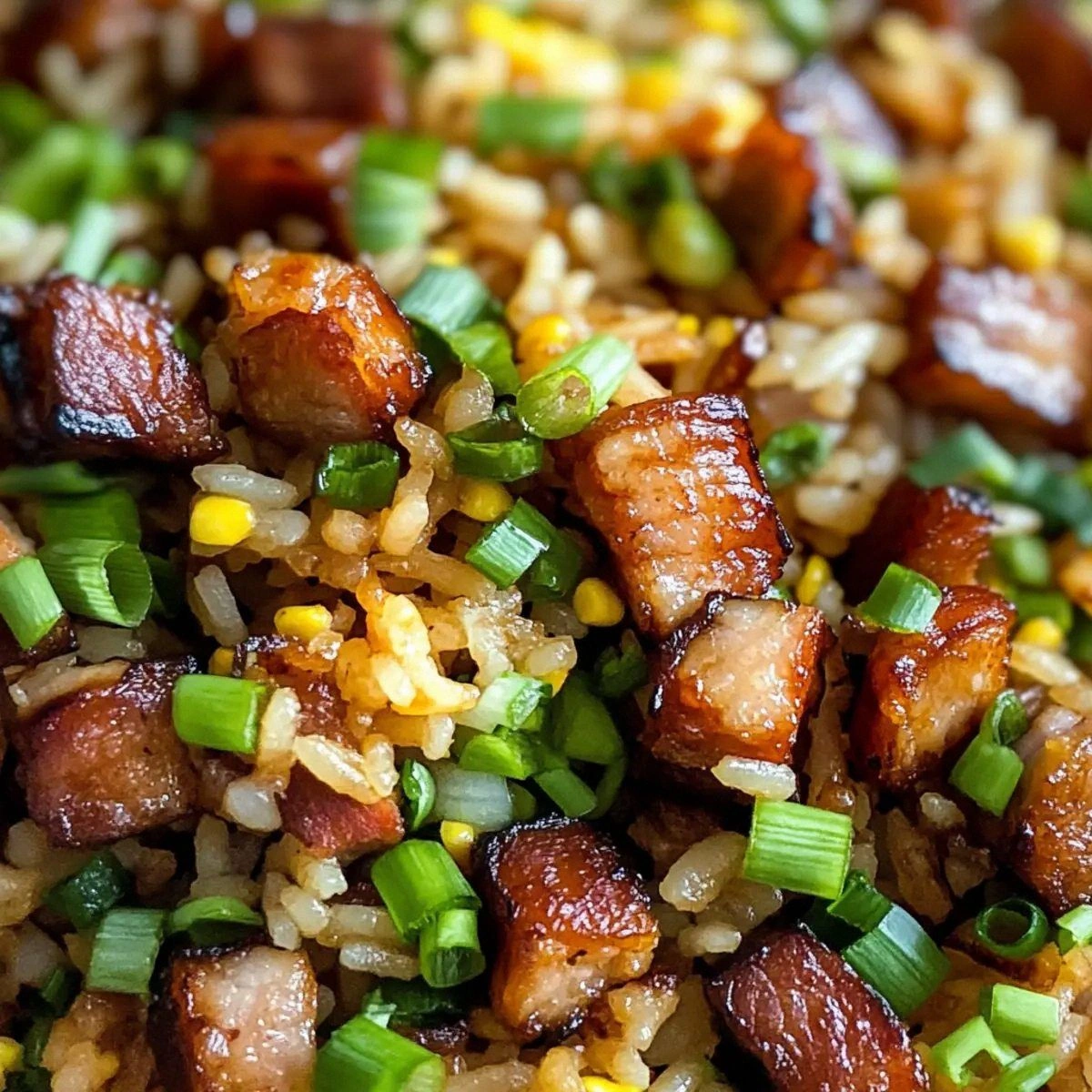
- Plate the rice, then spoon the sauce and vegetables over it. Garnish with fresh cilantro or sliced green onions if desired. The final dish should look vibrant, with a glossy sauce coating the colorful veggies.
- Serve immediately, letting the steam mingle with the aromas. The first bite should hit with a burst of global flavors, followed by the comforting hug of rice and chicken. Enjoy!
That's it — you did it. But hold on, I've got a few more tricks that'll take this to another level...
Insider Tricks for Flawless Results
The Temperature Rule Nobody Follows
Many cooks overcook the chicken, leading to dry meat. The trick is to sear at a high heat, then reduce to low to finish. This two‑stage method locks in juices while ensuring the chicken stays moist. I’ve tried this trick with a friend who once burned chicken; the difference is night and day.
Why Your Nose Knows Best
The aroma of the sauce is a real-time indicator of flavor development. When the sauce starts to smell toasty and nutty, it’s ready. If it still smells raw, give it a few more minutes. Trust your nose; it’s the most reliable chef’s tool.
The 5-Minute Rest That Changes Everything
Let the sauce rest off the heat for 5 minutes before serving. This allows the flavors to settle and the sauce to thicken slightly, giving it a silkier mouthfeel. I’ve found that a dish served immediately can taste a bit flat compared to one that rested.
Keep the Veggies Crunchy
Don’t overcook the veggies. A quick sauté preserves their color and crunch, adding a pleasant contrast to the silky sauce. If you prefer softer veggies, give them an extra minute, but don’t let them turn mushy.
Balance the Sweet and Heat
Honey and lime are the secret to balancing heat and acidity. If the dish feels too spicy, add a teaspoon of honey. If it’s too sweet, a splash of lime juice brightens it up. Small adjustments make a big difference.
Storage Trick for Reheating
When reheating leftovers, add a splash of water or broth to the dish. This prevents the sauce from drying out and keeps the rice from becoming sticky. I always stir in a tablespoon of water and let it steam for a minute.
Creative Twists and Variations
This recipe is a playground. Here are some of my favorite ways to switch things up:
Vegan Version
Swap chicken for tofu or tempeh. Use a plant‑based protein that absorbs sauce well. The tofu should be pressed and seared until golden before adding the sauce.
Seafood Swap
Replace chicken with shrimp or scallops. Cook the seafood separately to avoid overcooking, then fold it into the sauce at the end.
Low‑Carb Twist
Use cauliflower rice instead of jasmine rice. The dish becomes keto‑friendly while still delivering the same global flavor punch.
Spicy Kick
Increase the amount of gochujang or add a handful of crushed red pepper flakes. The heat will be more pronounced, giving the dish a fiery edge.
Herb‑Rich Variation
Incorporate fresh basil, mint, or cilantro into the sauce. The fresh herbs add brightness and a new layer of aroma.
Breakfast Edition
Serve the sauce over scrambled eggs instead of rice. The dish becomes a hearty, protein‑packed breakfast with a world‑travel twist.
Storing and Bringing It Back to Life
Fridge Storage
Store the dish in an airtight container for up to 3 days. Keep the rice and sauce separate if possible; combine before serving to maintain texture.
Freezer Friendly
Freeze the sauce and rice separately in freezer‑proof bags. Reheat each component separately, then combine. The sauce should be reheated gently to avoid separation.
Best Reheating Method
Reheat in a skillet over low heat, adding a splash of water or broth to keep the sauce moist. Stir occasionally until heated through. Add a pinch of fresh lime juice to refresh the flavors.