Picture this: I’m in the middle of a chaotic Sunday dinner prep, juggling a pot of boiling pasta, a skillet of sizzling veggies, and a bowl of sauce that’s more stubborn than a toddler refusing dessert. I glance at the clock and think, “I’ve got fifteen minutes left to turn this into something that actually tastes like a five‑star restaurant.” That moment of panic turned into a revelation when I added a splash of Chinese sesame paste, a whisper of chili oil, and a handful of crushed sesame seeds to the mix. The result? A noodle dish that feels like a hug in a bowl, with a silky sauce that clings to every strand like velvet, and a crunch that pops in your mouth like a tiny fireworks show. If you’ve ever felt that kitchen disaster vibe, this is the antidote you’ve been waiting for.
I dare you to taste this and not go back for seconds. I’ve spent hours tweaking, testing, and re‑testing this recipe because I know that the line between “good” and “great” is razor‑thin. The first bite is a burst of umami, a subtle heat, and that unmistakable nutty aroma that makes your senses dance. The noodles are al dente, not mushy, and the sauce coats them in a glossy, silky coat that’s both light and satisfying. The crunch from the cucumber and the sesame seeds is a refreshing counterpoint to the rich, savory sauce. It’s a harmony of flavors and textures that feels like a perfectly choreographed dance.
What makes this version stand out? The secret isn’t in the noodles or the sauce alone; it’s how everything comes together. I’ve stripped away the fluff and kept only the essential elements that deliver depth without extra fuss. The sauce is a single‑pan wonder that saves time and cleans up, while the fresh veggies add a crispness that keeps the dish from becoming a one‑dimensional noodle bowl. The use of Chinese sesame paste instead of ordinary tahini gives it an authentic, slightly salty, and slightly sweet flavor that elevates the whole dish. The balance of light and dark soy sauces, rice vinegar, and chili oil creates a complex profile that’s both comforting and exciting. And the final touch of a soft‑boiled egg? It adds a silky, rich center that melts into the sauce, turning each bite into a luxurious experience.
I’ll be honest—when I first tasted it, I ate half the batch before anyone else got a chance. That’s how addictive it is. The next time you’re stuck in a kitchen rut, remember that this dish can be your game‑changer. Picture yourself pulling this out of the pot, the whole kitchen smelling incredible, and your guests’ eyes widening as they take their first bite. Stay with me here—this is worth it, and I promise you’ll wonder how you ever made it any other way.
What Makes This Version Stand Out
- Flavor: The combination of Chinese sesame paste, light and dark soy sauces, and rice vinegar creates a layered umami that’s both familiar and exotic. The sauce has a silky finish that coats the noodles without weighing them down.
- Texture: The noodles are cooked al dente, giving a satisfying bite. The cucumber provides a crisp bite that cuts through the richness, while the crushed sesame seeds add a subtle crunch.
- Convenience: All ingredients are pre‑measured, so you can assemble the dish in under 10 minutes. No need for separate sauce components or long simmering times.
- Authenticity: Using Chinese sesame paste instead of Western tahini gives the dish a genuine, slightly sweet, nutty flavor profile that sets it apart.
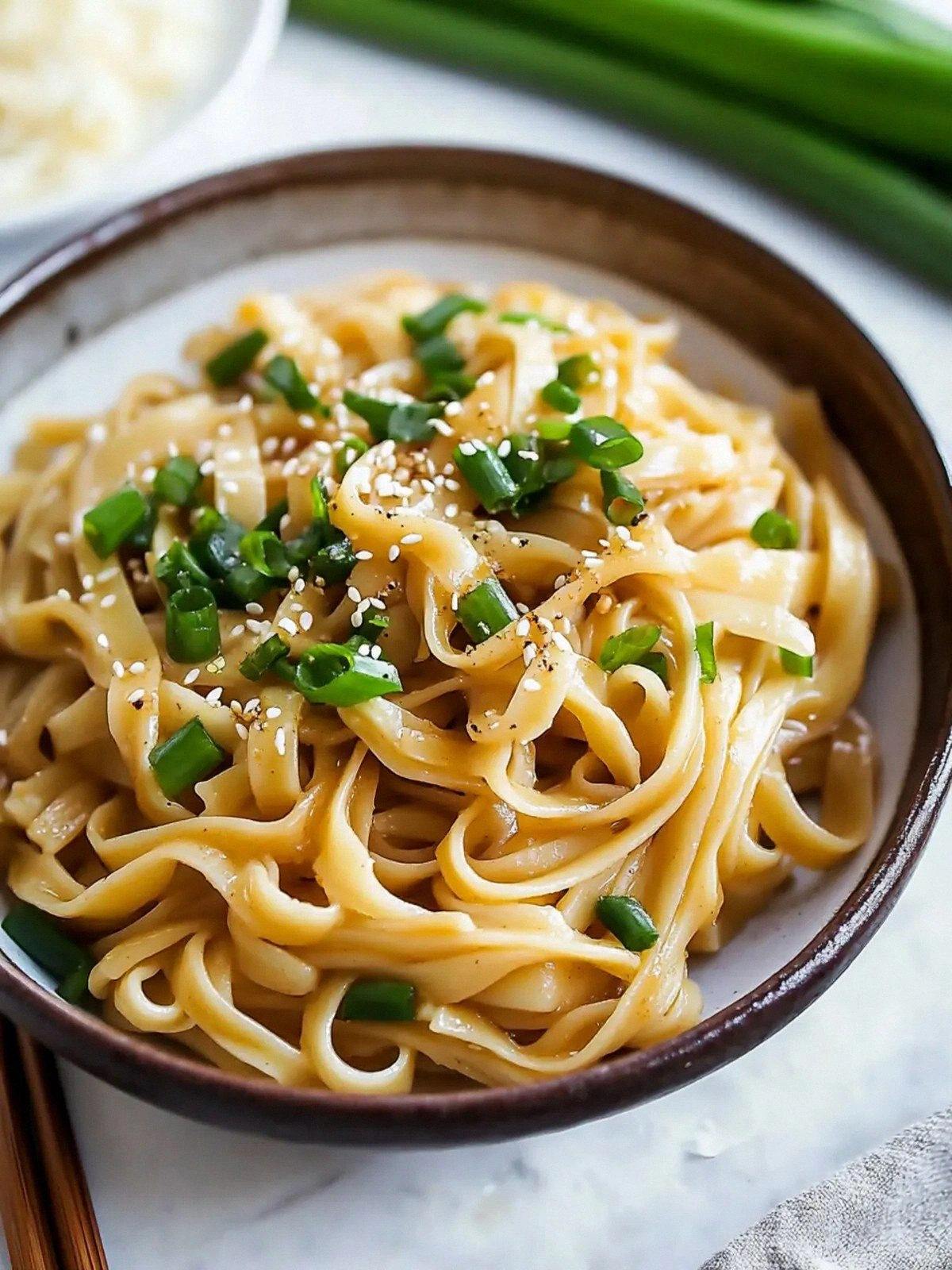
- Visual Appeal: The bright green cucumber and cilantro, the glossy sauce, and the golden sesame seeds make the dish look as good as it tastes.
- Versatility: It can be served as a quick weeknight dinner, a side dish, or even a light lunch. It pairs wonderfully with grilled meats or tofu.
- Make‑ahead Friendly: The dish holds up well in the fridge and can be reheated with a splash of water to restore moisture.
- Guest Reaction: Most people who try it are surprised at how restaurant‑quality it feels. It’s a conversation starter and a crowd‑pleaser.
Alright, let's break down exactly what goes into this masterpiece…
Inside the Ingredient List
The Flavor Base
The heart of this dish lies in its sauce. The Chinese sesame paste (Zhi Ma Jiang) is a fermented paste that carries a deep, nutty sweetness. When combined with light soy sauce, you get a bright, savory note that doesn’t overpower the other flavors. Dark soy sauce adds depth and a touch of sweetness, while rice vinegar balances the richness with a bright acidity. A teaspoon of sugar or honey ties everything together, giving the sauce a subtle caramelization when it hits the heat.
If you skip the sesame paste, the sauce becomes a plain soy‑vinegar mix that feels flat. The paste’s fermentation brings complexity that would otherwise require a more elaborate sauce. For those who can’t find Zhi Ma Jiang, a mixture of tahini and a splash of soy sauce can mimic the texture, but the flavor will be noticeably different.
The Texture Crew
The wheat noodles provide a hearty base that holds up to the sauce. Wheat noodles are more forgiving than rice noodles when it comes to absorbing liquids, so they stay al dente even after soaking in the sauce. If you’re vegan, swap them for soba or whole‑wheat spaghetti. The soft‑boiled egg is the ultimate texture contrast—its runny yolk is a silky sauce in a spoonful, while the white remains firm enough to hold the flavors together.
The cucumber, chopped into thin slices, adds a crisp bite that cuts through the richness. Cilantro and green onions contribute brightness and a mild peppery flavor that lifts the dish. Crushed sesame seeds add a nutty crunch, while chili oil brings a gentle heat that lingers without overwhelming.
The Unexpected Star
Hot water is the secret to achieving the perfect sauce consistency. By dissolving the sesame paste in hot water, you create a silky emulsion that coats the noodles beautifully. The water also helps release the aromatics from the sesame paste, creating a deeper flavor profile. If you forget the hot water step, the sauce will be thick and clumpy, making it difficult to coat the noodles evenly.
The final flourish of chili oil and crushed sesame seeds completes the dish’s flavor profile, adding heat and texture that make every bite exciting. Everything’s prepped? Good. Let’s get into the real action…
The Method — Step by Step
- Bring a large pot of salted water to a rolling boil. Add the wheat noodles and cook according to the package directions, usually 7–9 minutes for al dente. I’ve found that a quick rinse with cold water after draining keeps them from sticking together. Drain, toss with a splash of sesame oil, and set aside.
- While the noodles are cooking, combine the Chinese sesame paste, light soy sauce, dark soy sauce, rice vinegar, and sugar in a small bowl. Add the hot water slowly, whisking until the mixture is smooth and glossy. The sauce should have a silky sheen that’s easy to pour over noodles.
- Heat a large skillet or wok over medium heat. Add the chili oil, then swirl in the sesame paste sauce. Let it sizzle for about 30 seconds; you’ll hear a faint hiss that indicates the oils are hot and ready to coat the noodles.
- Add the cooked noodles to the skillet, tossing them with tongs until they’re evenly coated. The sauce should cling to each strand like a second skin. Keep the heat on medium and stir for 2 minutes, letting the noodles absorb the sauce.
- Add the sliced cucumber, chopped cilantro, and sliced green onions. Toss gently, ensuring the vegetables are evenly distributed but not crushed. The fresh veggies should still retain their crunch and bright color.
- Sprinkle the crushed sesame seeds over the top and give everything a final toss. The sesame seeds should give a subtle crunch that’s audible with each bite.
- Serve immediately in bowls, placing the soft‑boiled egg on top. Slice the egg in half; the yolk should ooze out like a golden sauce when you cut into it. The combination of the runny yolk and the silky noodles is pure comfort.
- If you’re preparing ahead, let the noodles cool, then store them in an airtight container with a splash of water to keep them moist. Reheat gently in the microwave or on the stove, adding a teaspoon of water to restore the sauce’s sheen.
That’s it— you did it. But hold on, I’ve got a few more tricks that will take this to another level. Stick around, and you’ll learn how to elevate the dish even further.
Insider Tricks for Flawless Results
The Temperature Rule Nobody Follows
The heat at which you cook the sauce is critical. If the pan is too hot, the sauce will reduce too quickly and develop a bitter edge. If it’s too cool, the noodles won’t absorb the sauce fully. Aim for a steady medium heat that allows the sauce to simmer gently, giving the noodles time to soak up the flavors. I’ve found that a quick test—drop a small drop of sauce into the pan; if it sizzles lightly and stays liquid, you’re good.
Why Your Nose Knows Best
When you’re near the end of the cooking process, trust your nose. The sauce should have a sweet, nutty aroma that’s slightly tangy. If it smells too sour or too sweet, adjust the vinegar or sugar accordingly. This sensory checkpoint ensures you’re not over‑seasoning or under‑seasoning.
The 5‑Minute Rest That Changes Everything
After cooking, let the dish rest for five minutes before serving. This allows the flavors to meld and the noodles to finish absorbing the sauce. It also gives the egg a chance to settle, so the yolk doesn’t spill out too early. A short rest can transform a good dish into a great one.
The Perfect Egg Hack
If you’re not a fan of soft‑boiled eggs, try a quick poached egg instead. It’s lighter but still provides that silky yolk. Keep the water at a gentle simmer, add a splash of vinegar to keep the whites intact, and poach for 3 minutes. The result is a silky, flavorful addition that complements the noodles.
The Freshness Factor
Use the freshest cucumber you can find. A crisp cucumber not only adds crunch but also a bright, fresh flavor that cuts through the richness. If you’re in the off‑season, consider using a small amount of shredded carrots or bell pepper for a similar crunch.
Creative Twists and Variations
This recipe is a playground. Here are some of my favorite ways to switch things up:
Protein Power
Swap the soft‑boiled egg for grilled tofu cubes or seared shrimp. The protein adds heft, making the dish a full meal. Marinate the tofu in soy sauce and garlic before grilling for extra depth.
Veggie Boost
Add shredded carrots, sliced bell pepper, or even spinach for a veggie‑packed version. The vegetables add color, nutrition, and a burst of flavor that keeps the dish interesting.
Spicy Kick
Increase the chili oil or add a handful of sliced fresh chilies. If you like heat, a dash of Sriracha or a sprinkle of cayenne pepper will do the trick. Just be careful not to overpower the delicate balance of flavors.
Herb Explosion
Replace cilantro with Thai basil or mint for a different herbal profile. The basil’s sweet aroma pairs well with the sesame sauce, while mint adds a cool, refreshing finish.
Gluten‑Free Switch
Use rice noodles or quinoa for a gluten‑free version. The texture will be slightly different, but the sauce will still cling beautifully. Just adjust the cooking time to avoid over‑softening the noodles.
Dessert‑Style Sweetness
For a sweet twist, replace the sugar with honey and add a drizzle of maple syrup. This version works best as a dessert or a sweet snack. The nutty sauce pairs surprisingly well with the sweetness.
Storing and Bringing It Back to Life
Fridge Storage
Store the dish in an airtight container in the refrigerator for up to 2 days. Keep the noodles separate from the sauce if you plan to reheat them later to avoid sogginess. The sauce will thicken slightly when chilled, so add a splash of water before reheating to restore its silky texture.
Freezer Friendly
You can freeze the noodles and sauce separately for up to 3 months. Reheat in the microwave, adding a tablespoon of water and covering loosely. Stir well to redistribute the sauce. The texture may be slightly softer, but the flavor remains intact.
Best Reheating Method
Reheat in a skillet over medium heat, adding a splash of water or broth. Stir frequently until the sauce is heated through and the noodles are hot. This method preserves the noodles’ chewiness and prevents them from drying out.